HDF Energy Picks Topsoe for 250 MW Texas Data Center Fuel-Cell Plant
HDF Energy chose Topsoe's SynCOR technology for BaseBlue Power, a planned 250 MW fuel-cell project for West Texas data centers from 2030. No investment decision, cost or fuel-cell supplier is announced.
3 min readAI-assisted
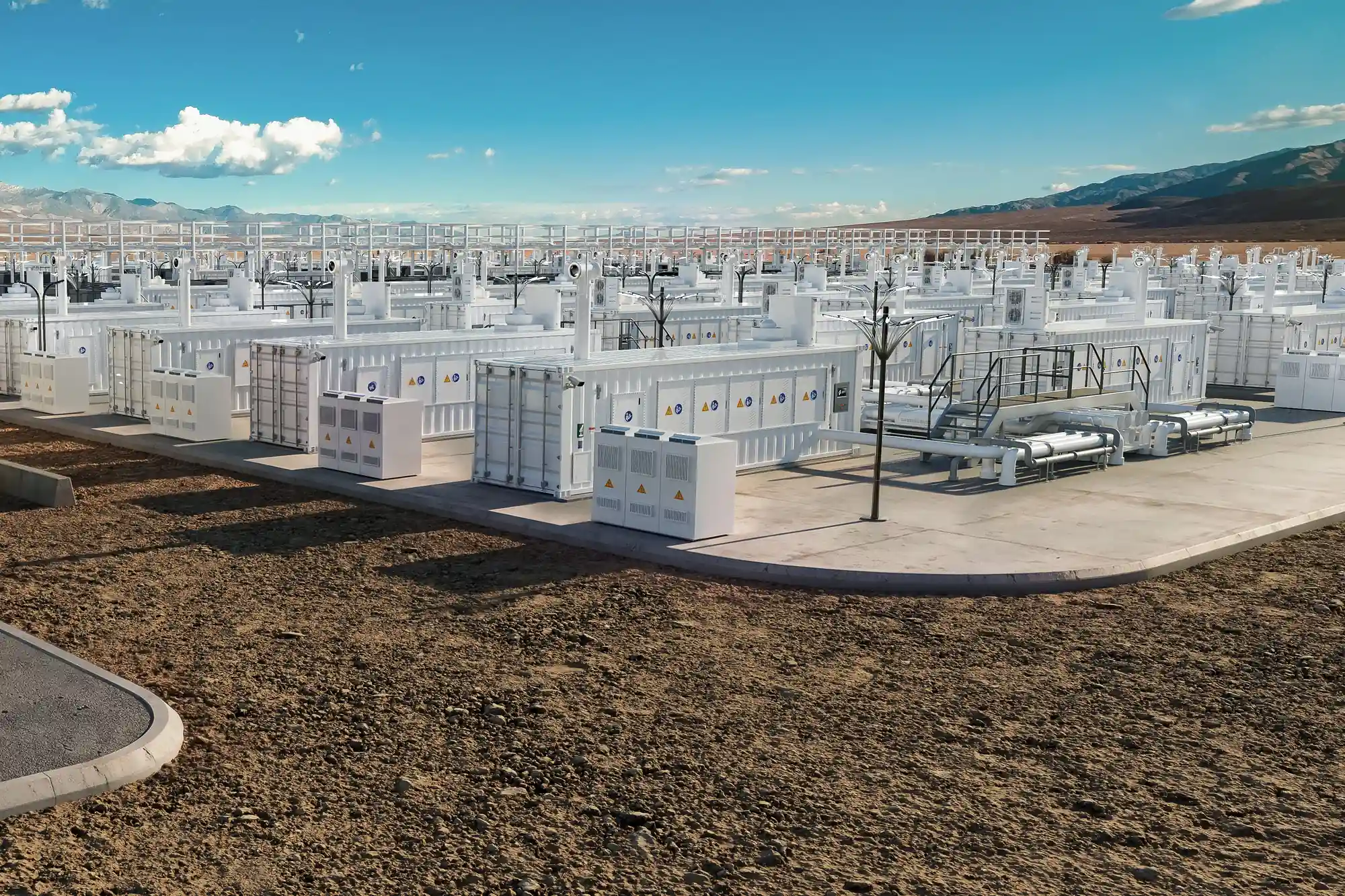
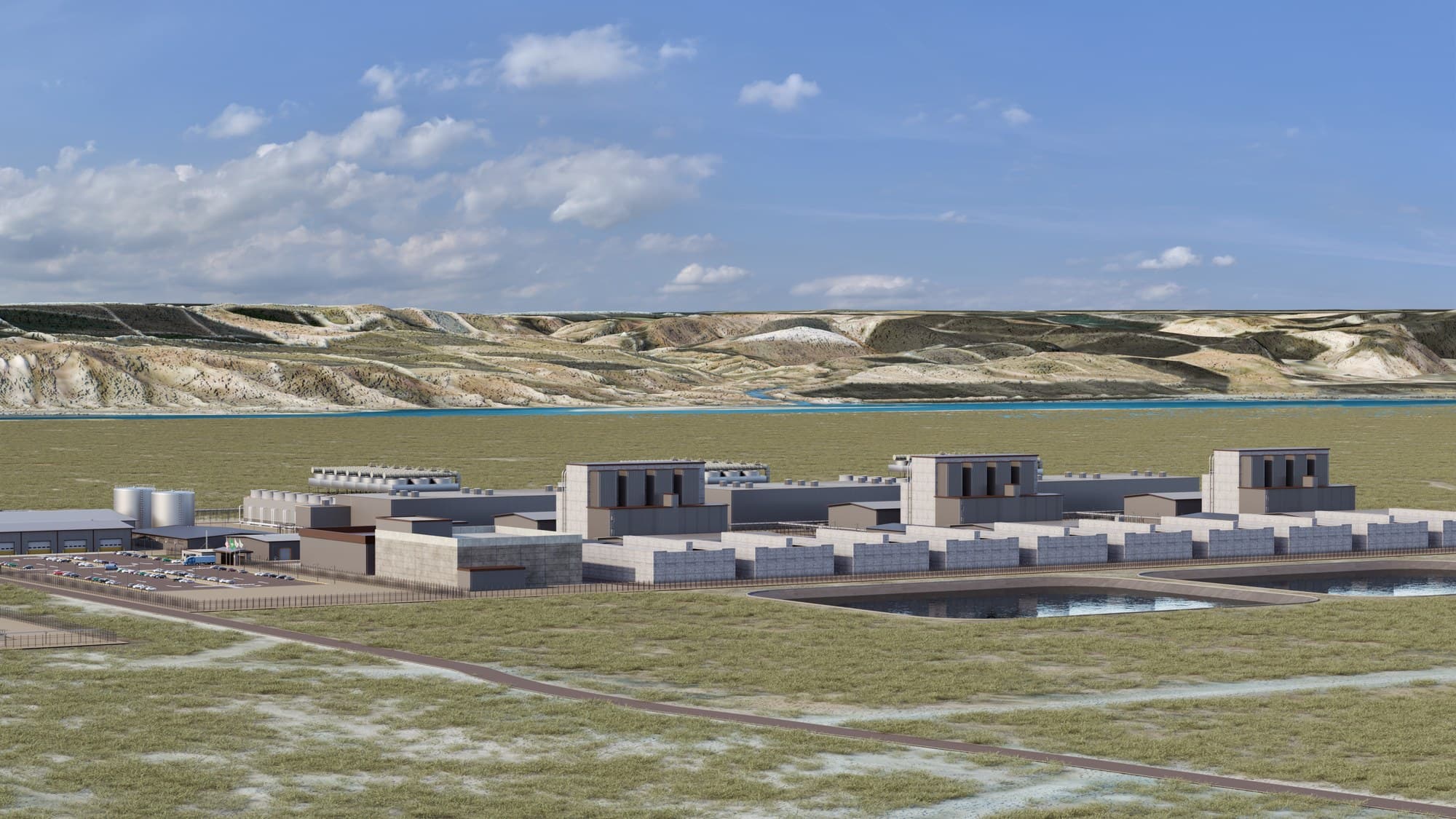
Project render of the planned BaseBlue Power plant in West Texas, from HDF Energy's project site. It is an illustration, not a photo of a built plant; the project is in development.
Image: HDF Energy (BaseBlue Power project render)
Source · Project image from the BaseBlue Power / HDF Energy project site, used for news reporting.
HDF Energy, a French fuel cell developer, said on Oct. 29, 2026 that it has chosen Topsoe as technology licensor for BaseBlue Power, a 250 MW project in development in West Texas that HDF says would supply data centers from 2030.
Under the agreement, Topsoe will supply the licence, process design and basic engineering, proprietary equipment and catalysts for the unit that makes hydrogen and captures carbon dioxide, HDF said in its release. The unit is based on Topsoe's SynCOR autothermal reforming (ATR) process, which converts natural gas to hydrogen. HDF says the hydrogen would then feed about 250 MW of proton exchange membrane (PEM) fuel cells, from makers it has not yet named.
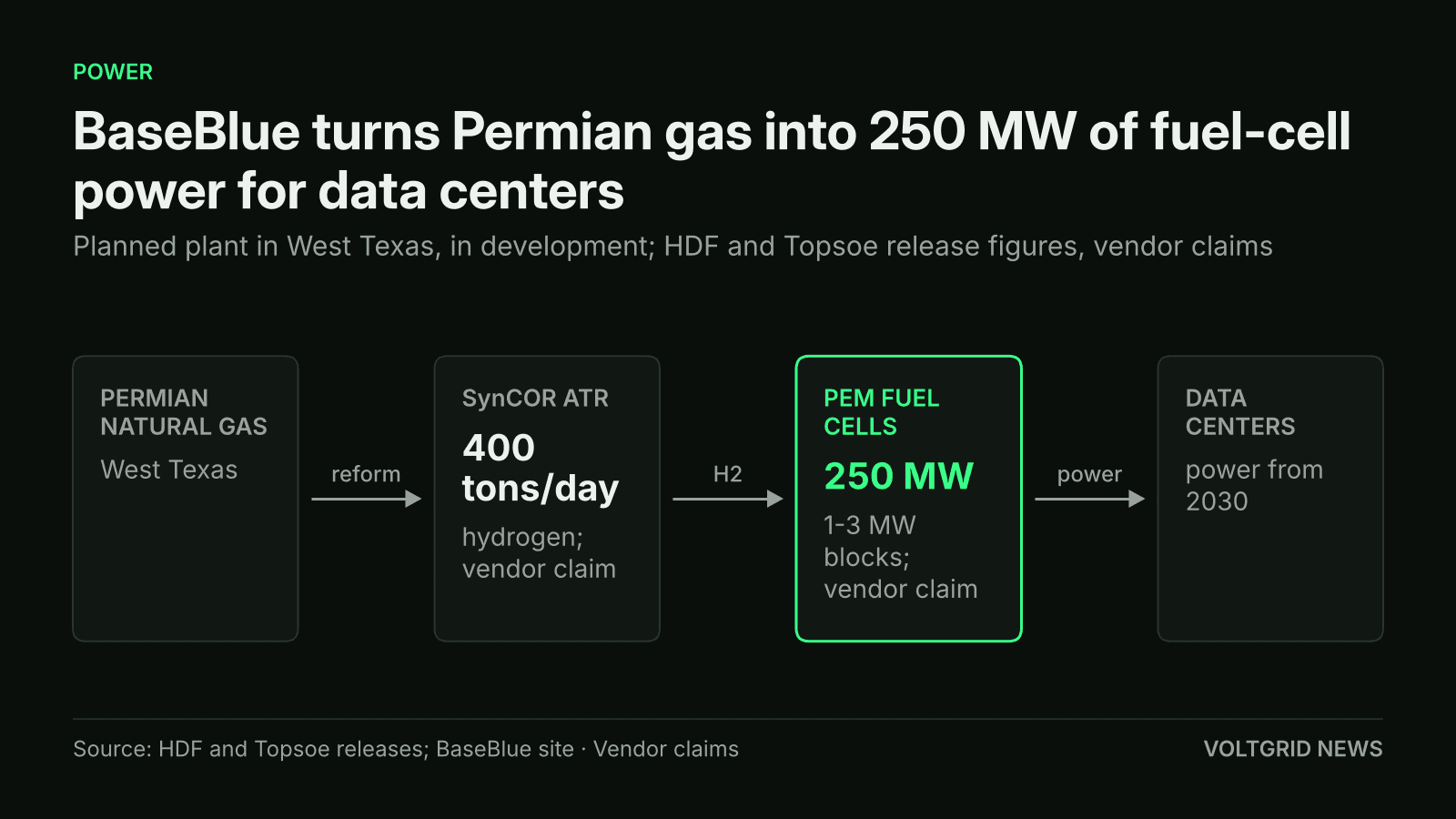
HDF says BaseBlue would turn gas into hydrogen for about 250 MW of fuel cells; the figures are vendor claims for a project in development.
Illustration (AI-generated)
HDF puts the hydrogen output at 400 tons per day, made from Permian Basin natural gas. Its release says the plant would capture 98% of the CO2, about 1.1 million metric tons a year, for compression, pipeline transport and underground storage. Topsoe's own release, as carried by AZoCleantech, says more than 95% of the CO2, with the same 1.1 million tons. Both capture rates are design targets for a plant that is still in development.
Why it matters for data center power
The pitch is firm power that does not wait for the grid. HDF's release cites reported lead times of four years or more for conventional gas turbines and engines, and says PEM fuel cells offer electrical efficiency above 50% and respond to load swings within seconds; both are the developer's claims, not results from this plant. Topsoe describes the design as delivering electricity onsite, behind the meter, around the clock. Gas turbine slots are a live constraint: Mitsubishi Power now says deliveries reach around 2031, and Voltgrid has covered the onsite gas pipeline for data centers as turbines crack.
Topsoe calls BaseBlue its first use of SynCOR to make low-carbon blue hydrogen for a data center power project. HDF says it has been developing multi-megawatt hydrogen power plants using PEM fuel cells in Martinique and French Guiana, and the company says it expanded into the United States in 2026.
Fuel cells at this scale
Fuel cells are already selling to data centers: Bloom Energy reported revenue up 138% to $1.24 billion as operators bought them. BaseBlue adds a hydrogen plant, a CO2 pipeline and a storage site to the build, so its schedule depends on more than the fuel cells.
HDF says it is partnering with established heavy-duty fuel cell manufacturers to reach 250 MW, but it has not named them. It also says the modular design could be replicated at other sites.
How BaseBlue Turns Gas Into Fuel-Cell Power
BaseBlue works in two steps. An autothermal reformer (ATR) converts natural gas into hydrogen and a concentrated CO2 stream, which can be captured before any fuel is burned. HDF's project page describes pre-combustion amine capture, with the CO2 sent to injection wells it has not yet located.
The hydrogen then runs fuel cells that HDF's project page builds from power blocks of 1-3 MW each. That modular route avoids the turbine queue, but it adds a reformer, a CO2 pipeline and a storage well to the build. Until HDF names a fuel-cell supplier, a storage site and an investment decision, 2030 is a target.
What is not confirmed yet
The release gives no final investment decision date, capital cost, construction schedule, financing partners or named data center customer. The hydrogen is called low-carbon, not zero-carbon: it depends on the capture rate being met and on a storage site that the release does not identify. The 2030 date is a target.
The two companies also differ on the capture figure, 98% versus more than 95%, and HDF's release does not say which basis each uses. Voltgrid will update when HDF or Topsoe names the fuel cell supplier, the storage site or a customer.