LG Uplus, Ecolab Korea Sign Liquid Cooling MOU for AI Data Centers
LG Uplus and Ecolab Korea will write liquid cooling operating standards, starting with a TCS loop test at Pyeongchon 2. No heat load, rack density or deadline was disclosed.
2 min readAI-assisted
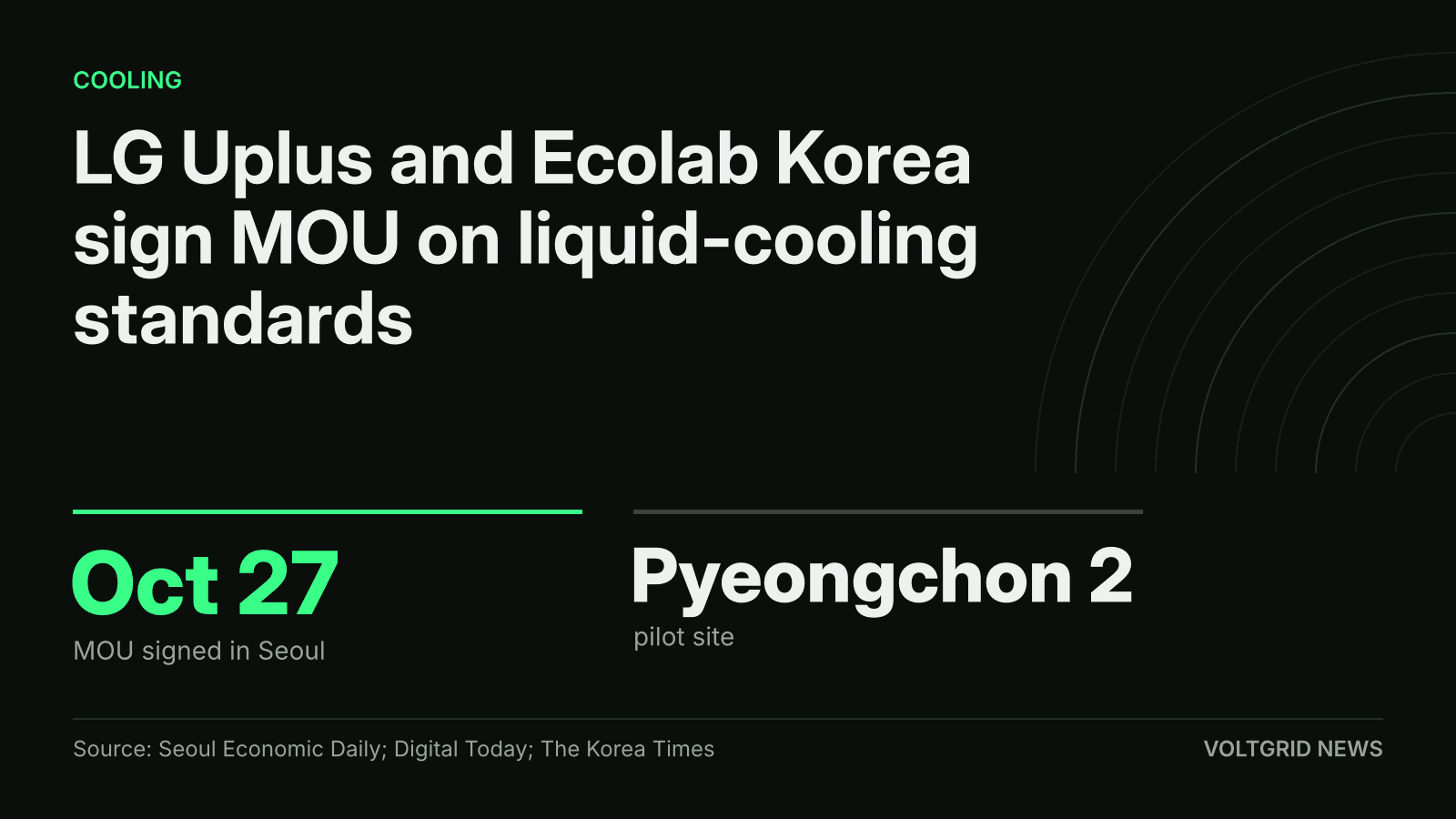
The MOU was signed on Oct. 27; the pilot environment is LG Uplus's Pyeongchon 2 center.
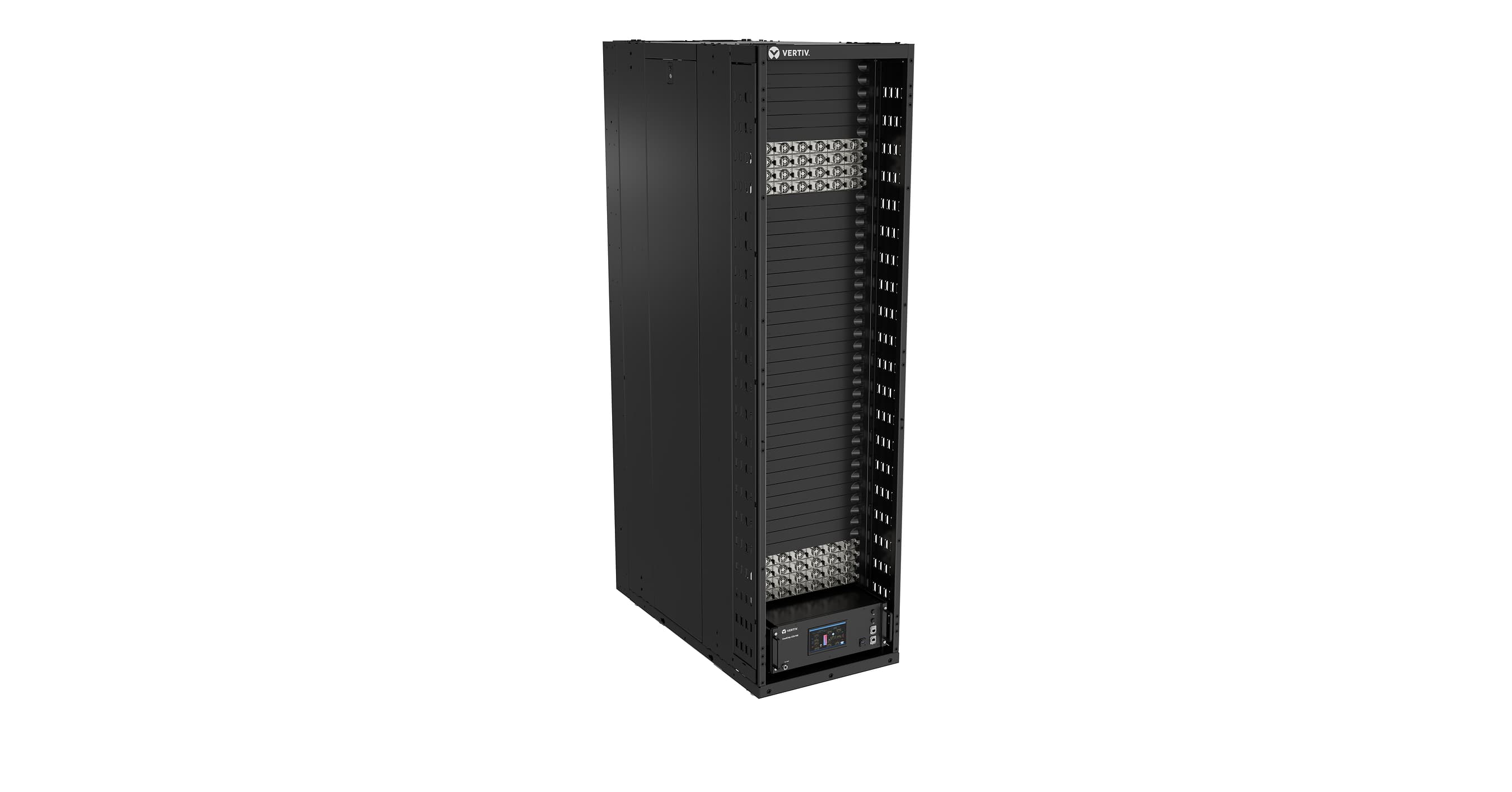
Illustration (AI-generated)
LG Uplus and Ecolab Korea signed a memorandum of understanding on Oct. 27 at LG Uplus's Yongsan office in Seoul to write operating standards for liquid cooling in AI data centers, the companies said on Oct. 28.
The agreement covers installation, coolant quality management and real-time monitoring in one framework, according to Seoul Economic Daily. LG Uplus will supply the large-scale liquid-cooling pilot environment it is building at its Pyeongchon 2 data center. Ecolab Korea will bring its digital water-quality monitoring platform.
The first technical task is verifying the Technology Cooling System (TCS) loop, the circuit that carries coolant between AI server racks and coolant distribution units (CDUs), Digital Today reported. The partners will analyze data on coolant condition and on key cooling equipment to settle which operating criteria and management methods hold up under load.
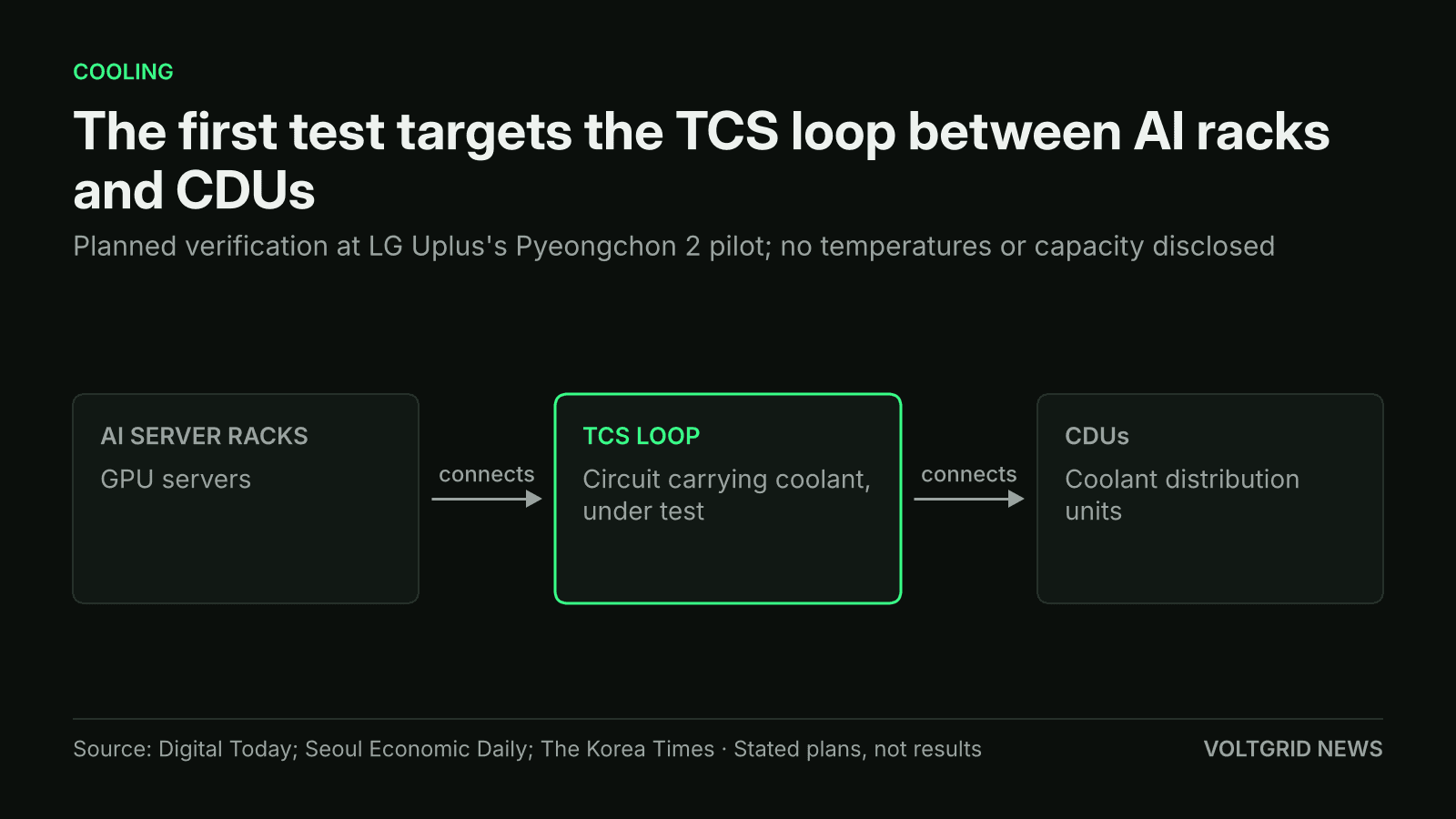
The partners' first technical task is verifying the TCS loop that connects AI server racks and CDUs, Digital Today reported.
Illustration (AI-generated)
Why Coolant Quality Is the Liquid Cooling Target
Neither company published a heat load, rack density or temperature figure for the pilot. The stated concern is operational: if coolant degrades or facilities are poorly managed, cooling performance falls and hardware can fail, The Korea Times reported. That makes fluid chemistry and monitoring a reliability question for any operator moving GPU racks from air to liquid, not only a design question for the CDU.
For data-center engineers, a written standard matters because it turns coolant sampling, alarm thresholds and maintenance intervals into contract terms. Operators can then compare sites on the same basis, and customers can ask a colocation provider to meet them.
What LG Uplus and Ecolab Korea Plan Next
Both companies said they would extend the work to AI-based predictive maintenance, so that early signs of abnormal behavior in cooling equipment are caught before a failure. LG Uplus executive director Jeong Suk-kyung, who oversees its AI data center business, said the aim is to give customers a more stable and reliable operating environment. Ecolab Korea CEO Ryu Yang-kwon said coolant management is as essential as the cooling hardware.
Separate LG-group cooling news came earlier this month, when LG, GS E&C and GRC teamed up on standard immersion cooling designs on Oct. 21.
LG showed chillers through immersion systems at HARFKO a day later. Both are separate announcements from this MOU.
What the MOU Does Not Confirm Yet
The MOU sets no deadline, no pilot capacity and no published standard. The companies did not say when Pyeongchon 2 will finish, which GPU platform it will test, or whether the resulting standards will be shared beyond the two partners. An MOU is a statement of intent, so the substance will show only when test data or a draft framework appears.