Vertiv SmartIT Bundles Liquid Cooling and Power for NVIDIA GB300 and Rubin
Vertiv's SmartIT, launched Oct. 26, ships direct-to-chip cooling, DC power and monitoring as one factory-validated rack, but the release gives no kW per rack or coolant temperature.
3 min readAI-assisted
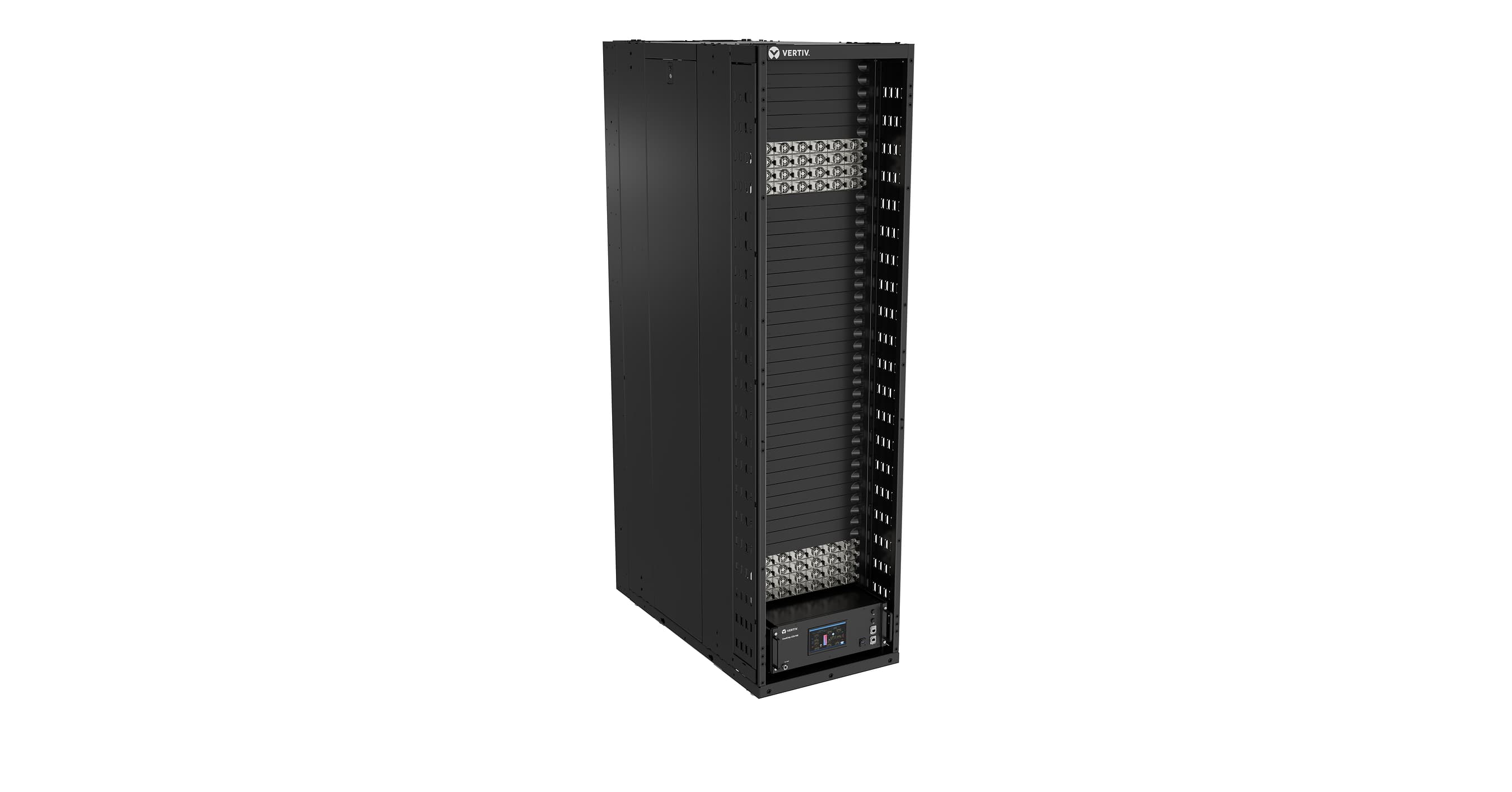
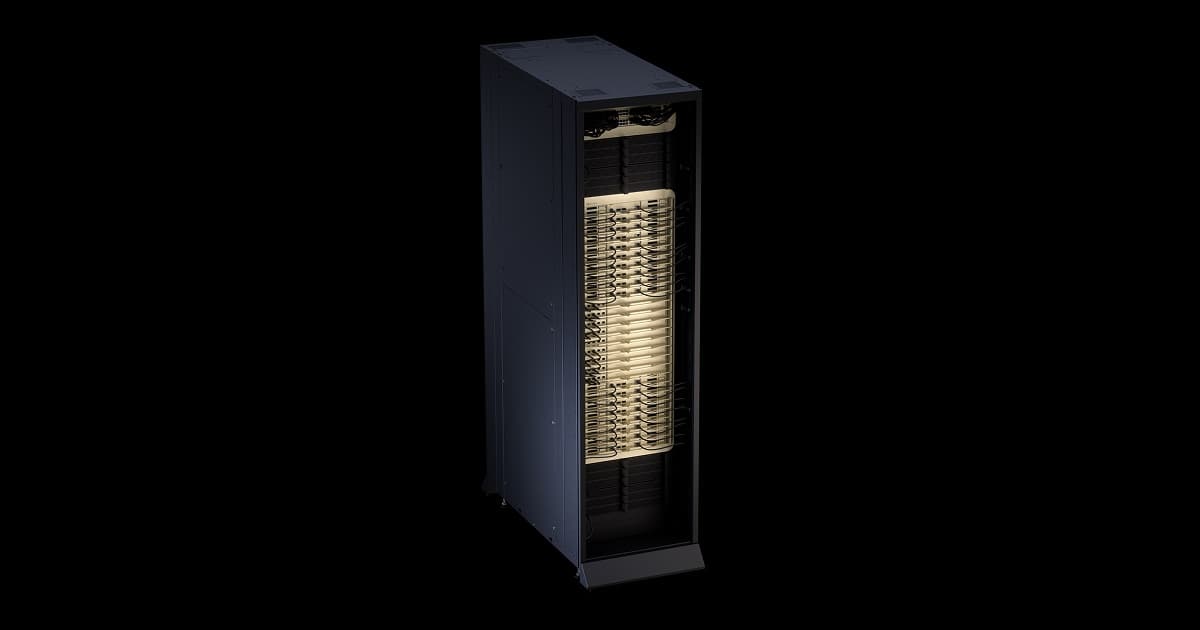
Vertiv's SmartIT rack, shown in the company's release image. The release gives no kW per rack or coolant temperature.
Image: Vertiv
Source · Press image from the Vertiv newsroom, used for news reporting.
Vertiv introduced SmartIT on Oct. 26, a pre-engineered architecture that bundles direct-to-chip liquid cooling with DC power conversion and monitoring for NVIDIA's GB300 and Vera Rubin systems, and said it is available now for AI deployments globally.
Vertiv, which is listed on the NYSE as VRT, said in its press release that SmartIT combines rack infrastructure, DC power conversion and distribution, direct-to-chip liquid cooling, in-rack cooling distribution and monitoring in one factory-validated design. It is built on NVIDIA's MGX and the Open Compute Project's ORV3 architectures.
The company lists four supported systems: NVIDIA GB300 NVL72, Vera Rubin NVL72, DGX Rubin NVL8 and HGX Rubin NVL8. Vertiv said the platform was previously deployed with NVIDIA for the DGX GB300, and that it showed an HGX Rubin NVL8 demo unit at NVIDIA GTC Berlin in October.
What SmartIT Changes for Cooling and Deployment
The pitch is less about a new cooling component than about moving integration from the construction site to the factory. Vertiv said factory validation limits on-site commissioning to the connections to facility power and cooling, and that brownfield enterprise buildings and Class A commercial space can support AI-class rack density without full reconstruction.
Vertiv frames the problem as multi-vendor coordination across rack, power, cooling and monitoring; in Voltgrid's reading, that targets the slow part of a liquid-cooled retrofit. Vertiv says one order, one partner and one architecture cover all of it. That is a vendor claim, and the release offers no commissioning times to test it against. Voltgrid News also covered NVIDIA's DSX POD container design for Rubin systems.
The platform scales from a single rack to multi-rack deployments without redesign between phases, according to Vertiv. It can attach to SmartRun for row-level integration, to rack power distribution units, and to Vertiv Unify, which handles monitoring, analytics and controls across power and thermal equipment, including leak detection and coordinated response.
Monitoring, Protocols and Vertiv Support
Monitoring and leak detection are built in, and the system supports the Redfish, SNMP and Modbus protocols, which should let it report into existing management tools. Vertiv Global Services handles deployment, commissioning and lifecycle management. Scott Armul, the company's chief product and technology officer, said AI workloads require closer coordination across power, cooling and IT systems.
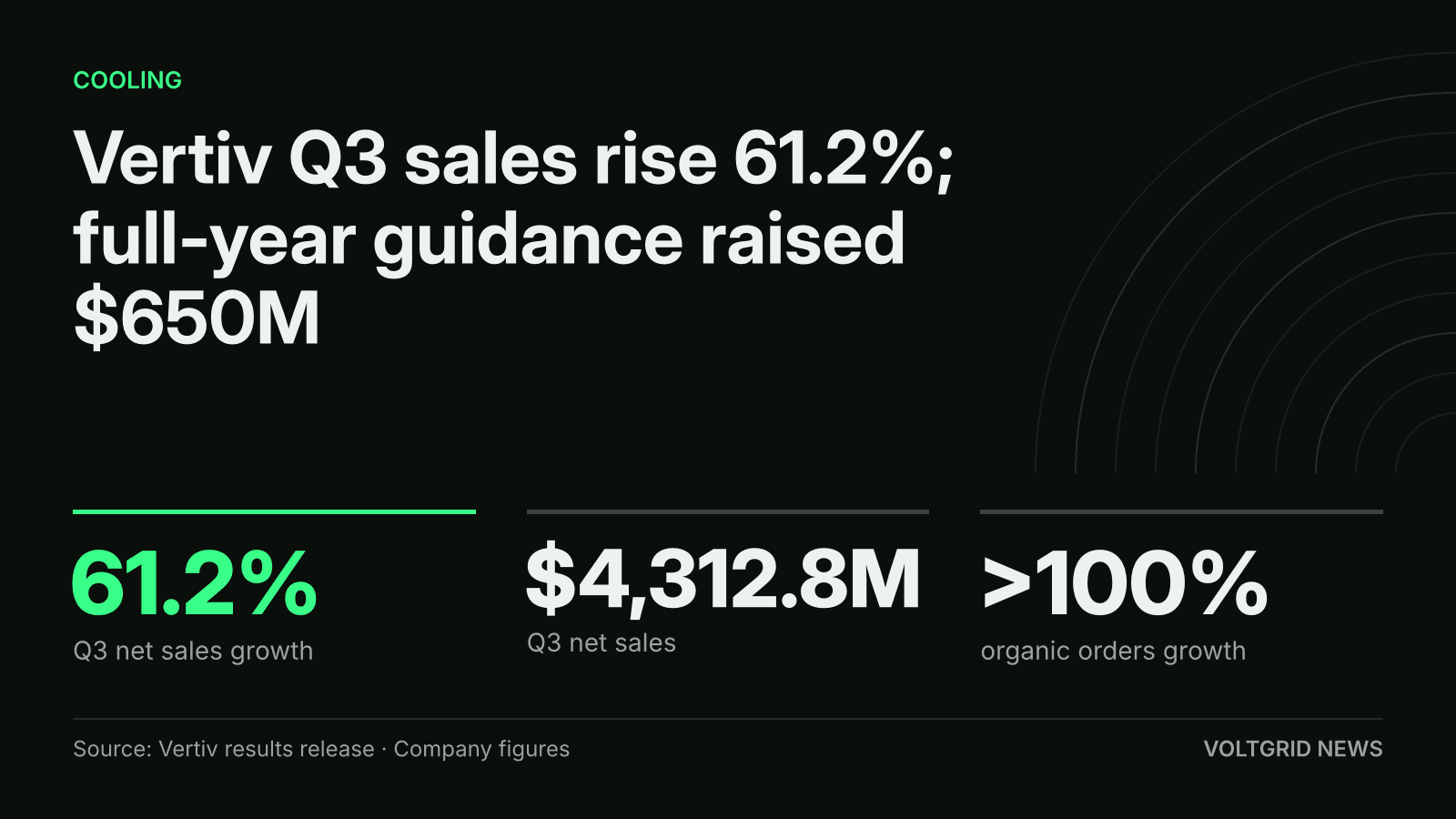
Vertiv's Q3 results arrived the same week, which Voltgrid covered in its earnings report. That release gave no split of liquid-cooling revenue, so SmartIT's commercial weight is not yet visible.
Why Rubin Racks Need Liquid Cooling
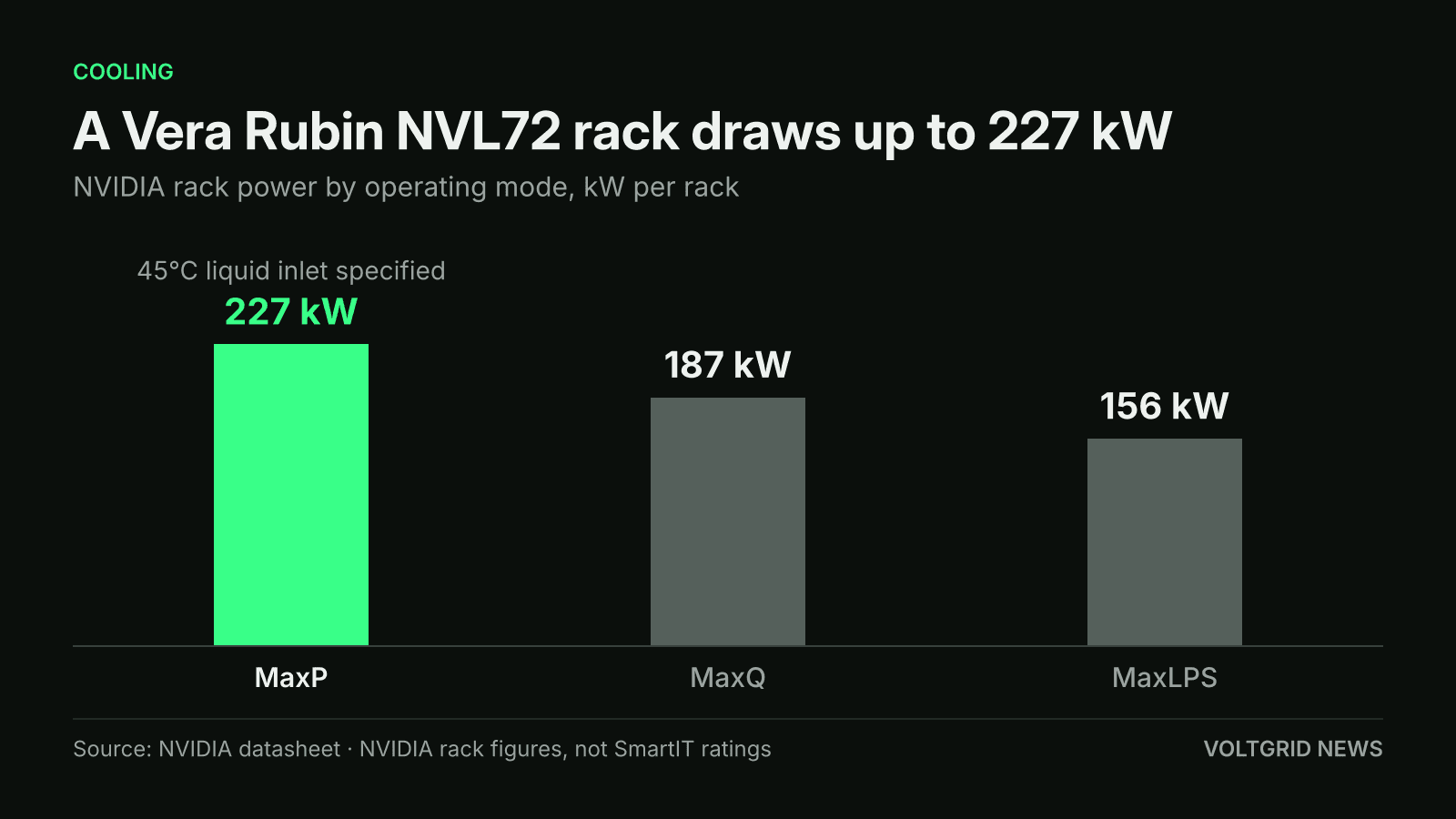
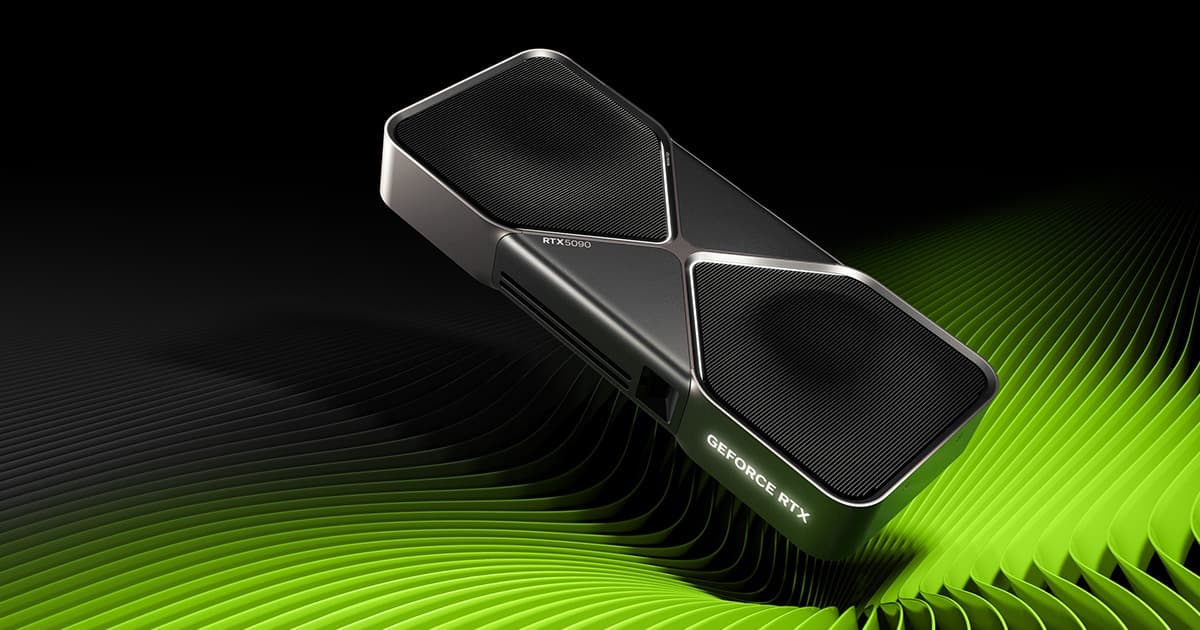
NVIDIA's datasheet puts a Vera Rubin NVL72 rack at up to 227 kW; these are NVIDIA rack figures, not SmartIT ratings.
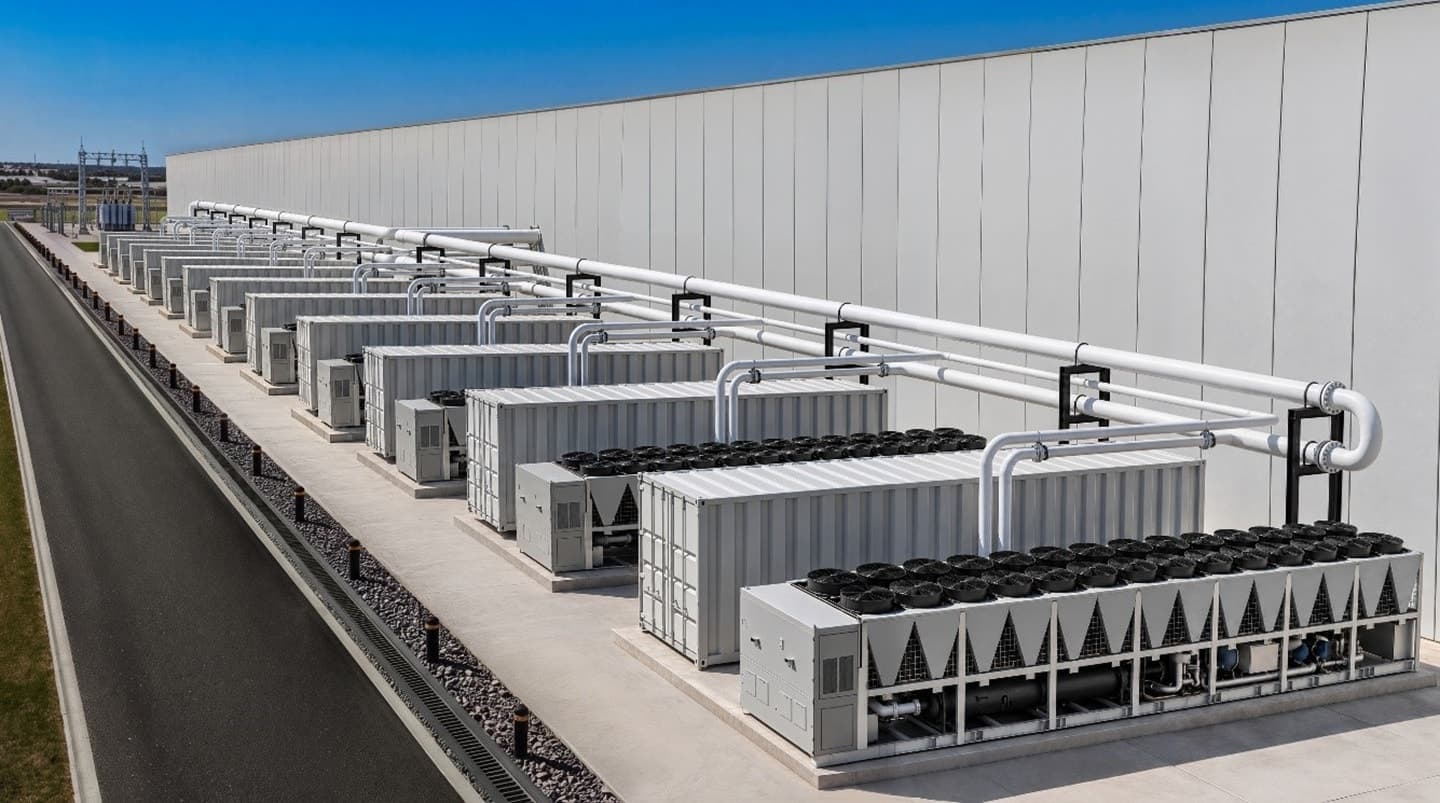
Illustration (AI-generated)
A liquid-cooled rack design matters because the heat load is set by NVIDIA's rack, not by the cooling vendor. NVIDIA's Vera Rubin NVL72 datasheet lists rack power of 227 kW at its MaxP setting, 187 kW at MaxQ and 156 kW at MaxLPS, and NVIDIA specifies a 45°C liquid-cooling inlet for the rack. NVIDIA also describes GB300 NVL72 as fully liquid-cooled.
Those are NVIDIA's rack figures, not ratings for SmartIT, and Vertiv's release states none. That gap matters for retrofits: a brownfield room must supply the rack's power and remove its heat through facility cooling, so the kW per rack and coolant temperature that Vertiv has not published decide whether a given building qualifies.
What Vertiv Has Not Confirmed About SmartIT
The release gives no heat load or rack density in kW, no coolant supply temperature, and no share of heat taken by liquid versus air. Those figures decide how much facility cooling capacity a brownfield site needs, so buyers will have to get them from Vertiv directly. The release also names no end customer; its only deployment reference is the earlier work with NVIDIA on the DGX GB300 system, and it gives no price, factory capacity or lead time.