Westinghouse Starts 6-Month FEED Study for One AP1000 at Bohunice
Westinghouse is running a six-month engineering study for one AP1000 reactor at Slovakia's Bohunice site, part-funded by a US State Department grant, but no order, cost or unit size is announced.
2 min readAI-assisted
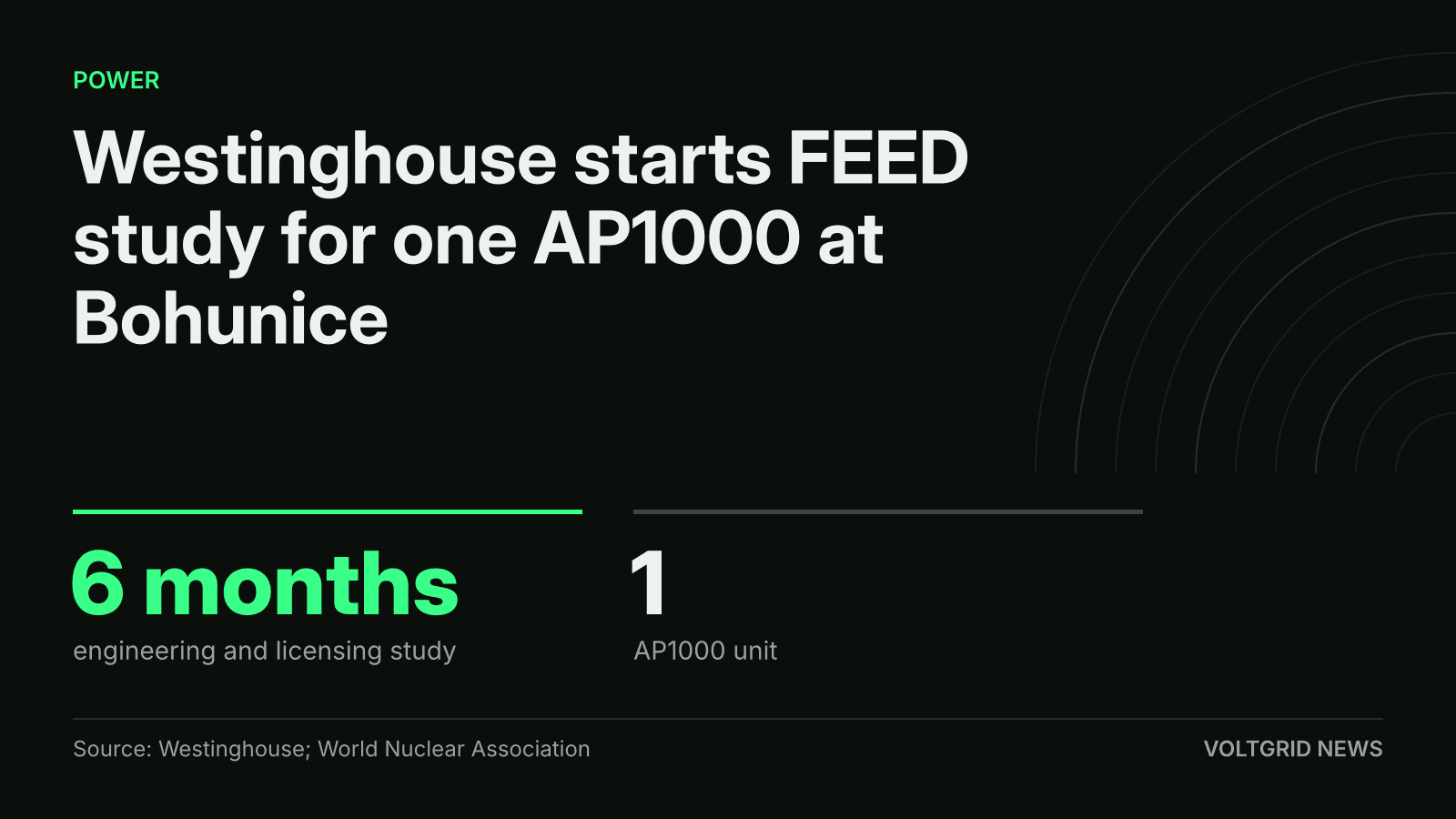
Westinghouse's study covers engineering, licensing and project planning for one AP1000 unit at Jaslovske Bohunice.
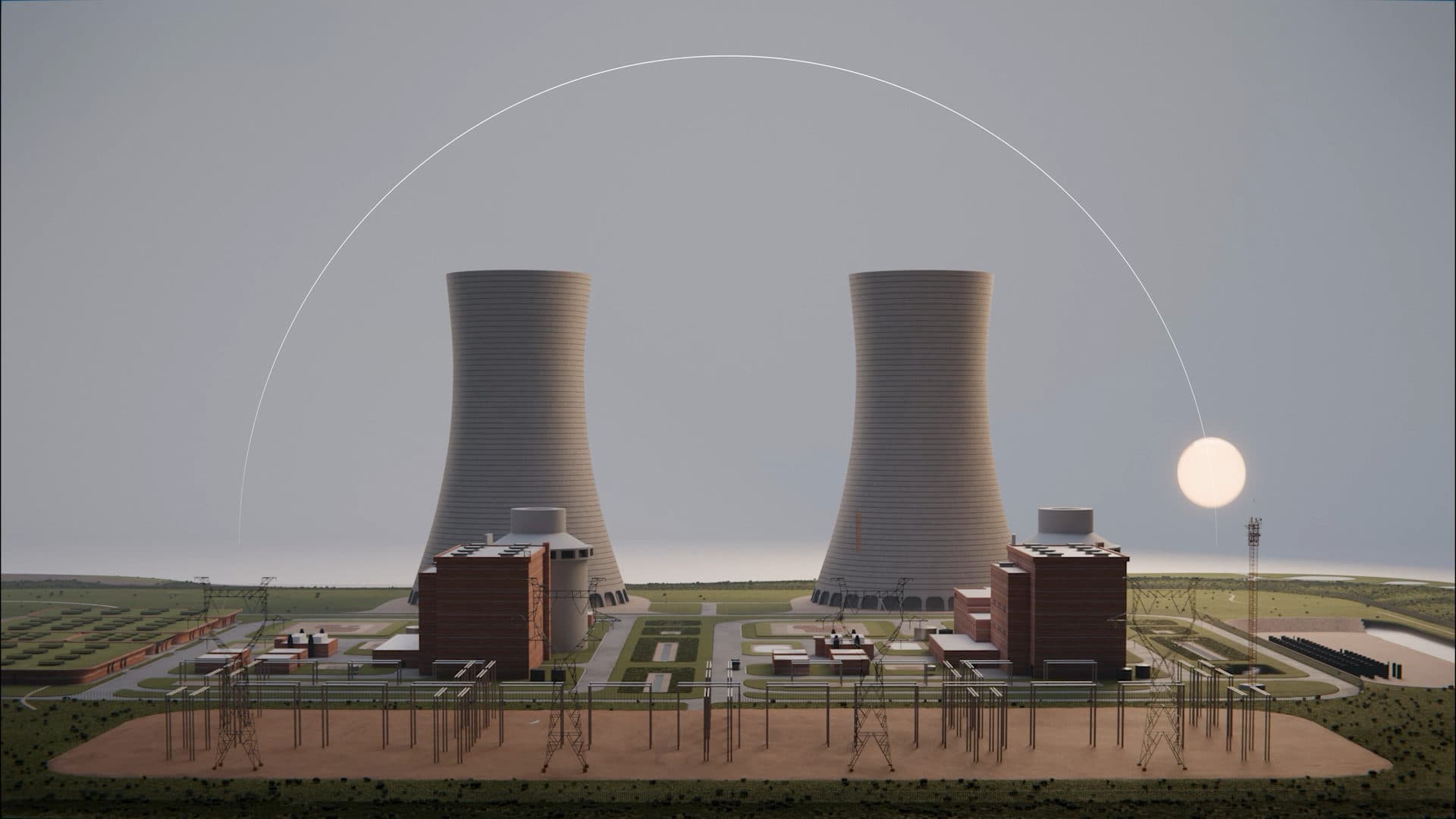
Illustration (AI-generated)
Westinghouse Electric Company said on Oct. 28, 2026 that it has launched a six-month front-end engineering and design (FEED) study for one AP1000 reactor at the Jaslovské Bohunice nuclear site in Slovakia.
The work is being done for Jadrová energetická spoločnosť Slovenska (JESS), a wholly owned subsidiary of state-owned JAVYS that is responsible for developing the country's new nuclear plant. Westinghouse said the study is funded in part by a grant from the US State Department's FIRST program (Foundational Infrastructure for Responsible Use of Small Modular Reactor Technology), even though the AP1000 is a large reactor rather than a small modular one. The State Department said in April 2026 that the study was expected to be funded by FIRST. The release does not give the grant amount, the study's value or a unit capacity.
The study is meant to advance engineering, licensing and project planning. JESS chief executive Tomáš Vavruška said it will let the company assess whether AP1000 technology suits the site and produce more detailed technical documentation, including a preliminary schedule and budget. He described the results as the basis for deciding on next steps, which makes this a planning contract rather than a construction order.
What a FEED study does before a reactor is ordered
A FEED study turns a reactor choice into a site-specific design, a licensing plan and a preliminary schedule and budget. It sits between a feasibility check and a final investment decision, and no one has to build afterwards. Westinghouse's Petr Brzezina said an AP1000 plant at Jaslovské Bohunice "would deliver" economic benefits and jobs and "can also foster" energy independence.
For power buyers outside Slovakia, the signal is the pipeline. Westinghouse said six AP1000 units operate worldwide, 14 more are under construction and a few are in contractual phases, with the design selected for programs in Poland, Bulgaria and Ukraine. A reactor like this would take years to build, and no construction start or final investment decision has been announced, so it is not near-term data-center capacity.
Background on the Bohunice project
According to the World Nuclear Association, Slovakia's prime minister confirmed a planned 1,250 MWe (gross) Westinghouse unit for Bohunice in August 2025, and an intergovernmental agreement with the United States on a new state-owned unit of more than 1,000 MWe followed in January 2026. The association lists commercial operation as targeted for 2040 and says preparatory studies were launched under a Slovakia-US-Westinghouse agreement in April 2026. Westinghouse's release gives no unit size, so the 1,250 MWe figure is the association's, not the company's. Westinghouse's design page gives a nominal 1,110 MWe net per AP1000 unit; gross and net are different measures.
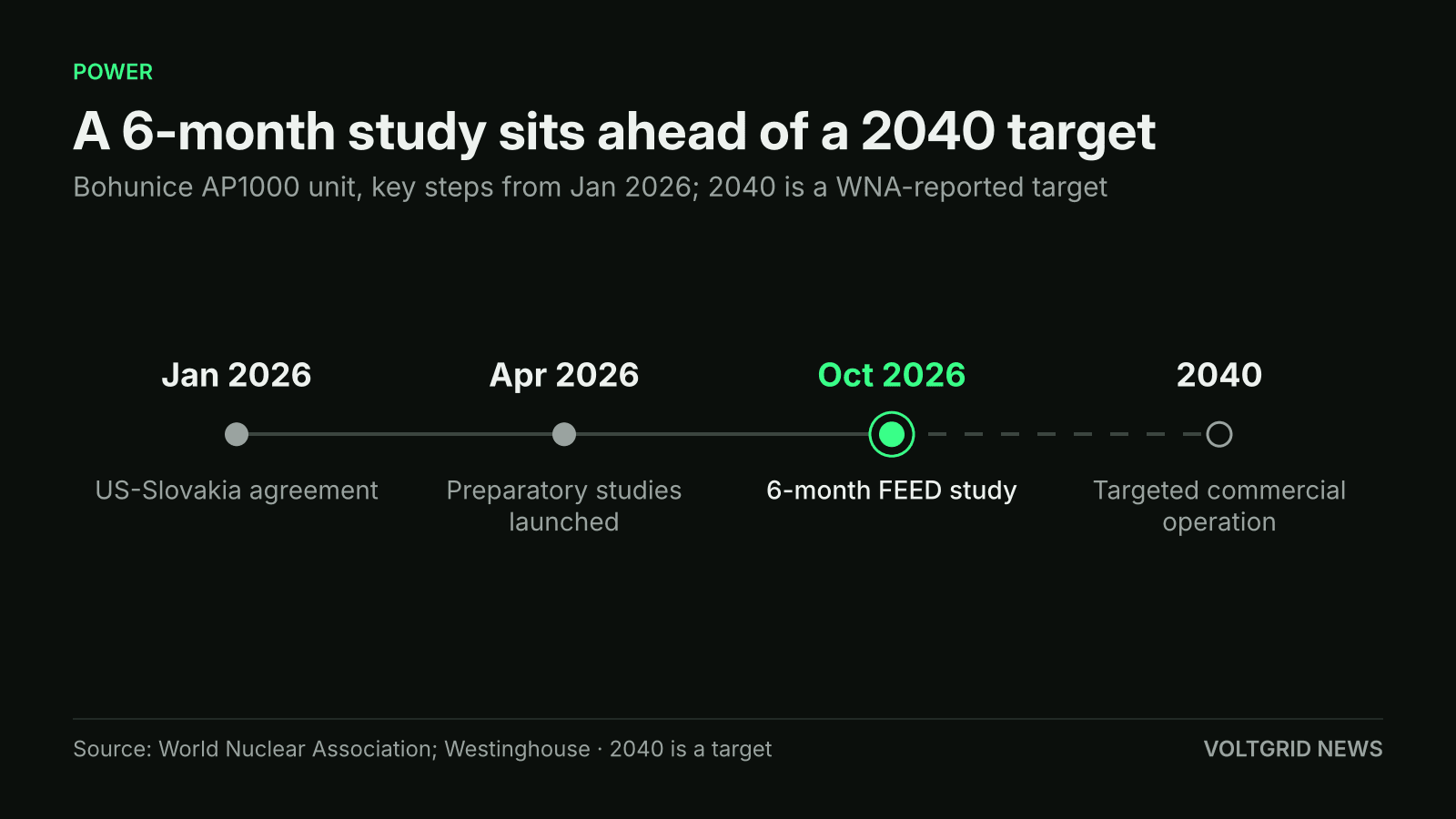
The 6-month FEED study is the current step; 2040 is the World Nuclear Association's targeted commercial operation date, not a firm schedule.
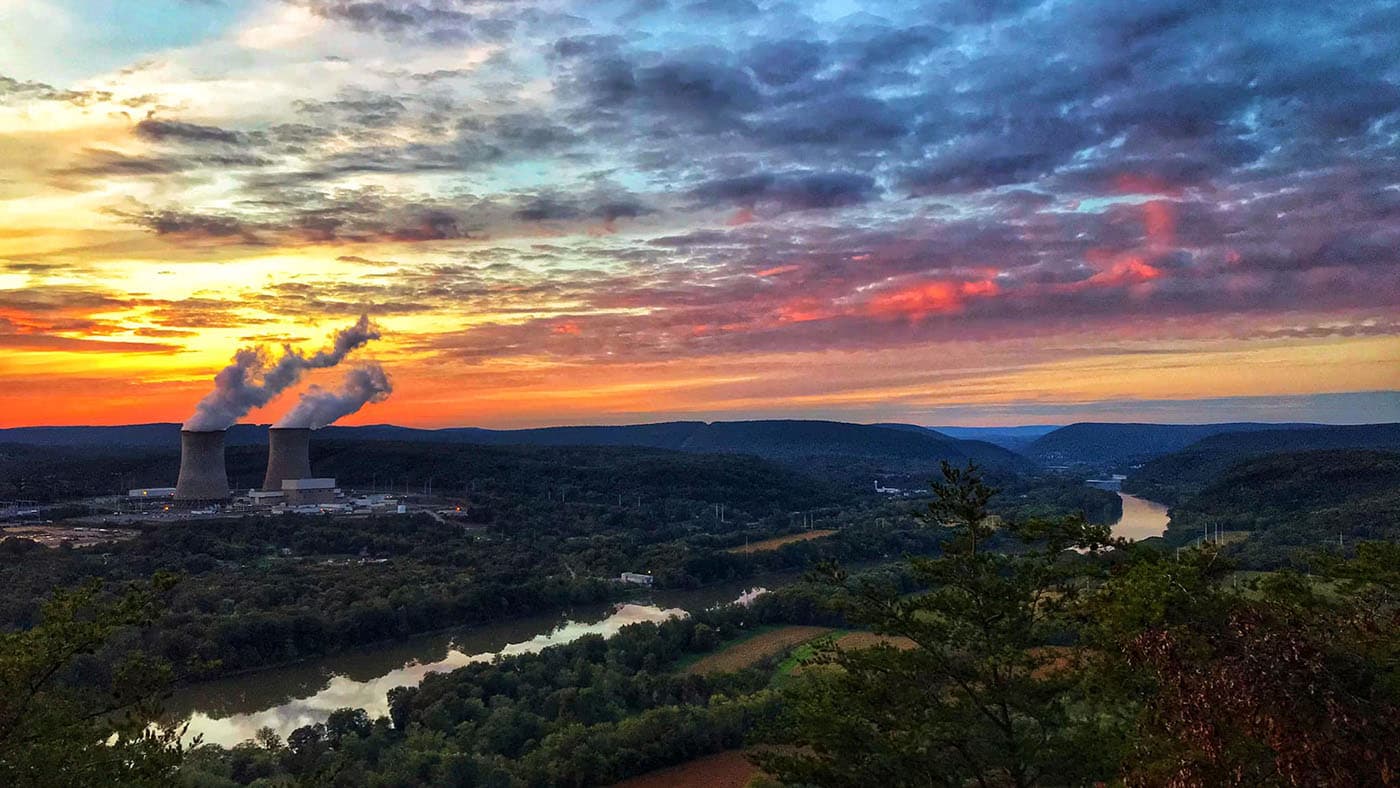
Illustration (AI-generated)
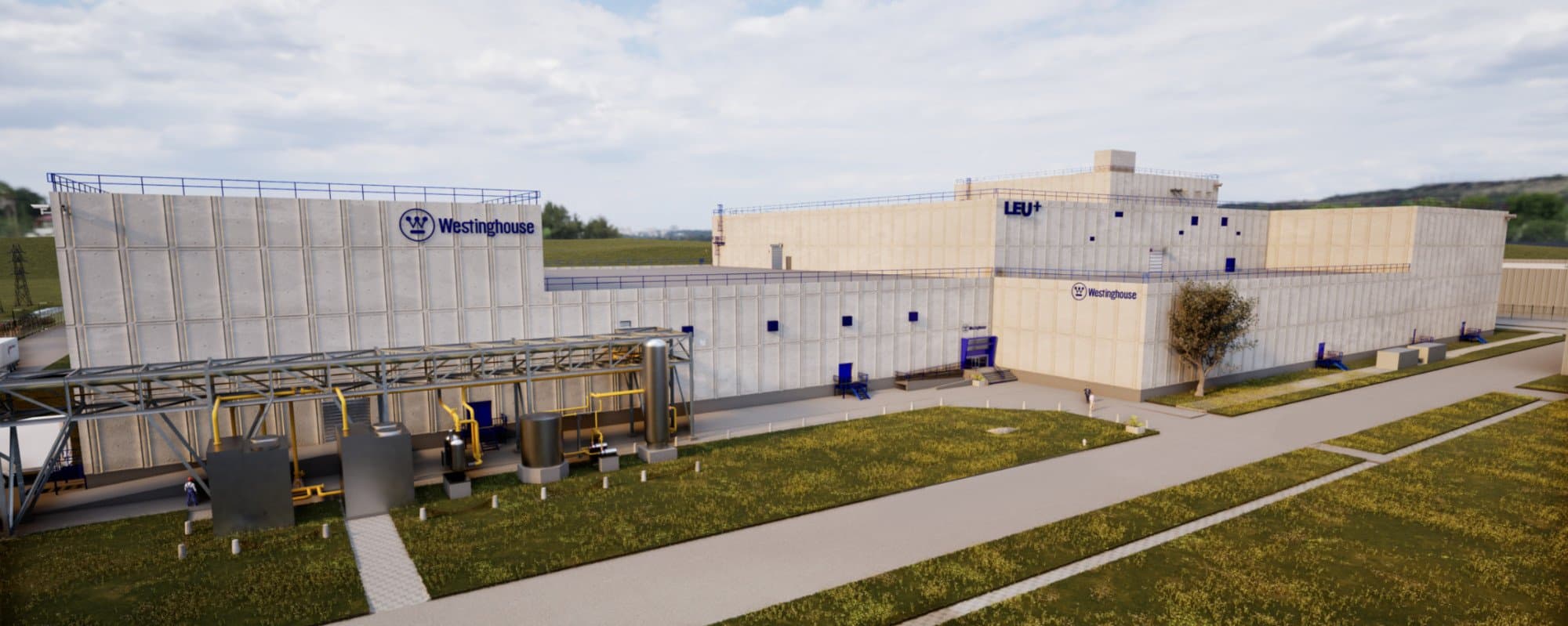
Westinghouse is also expanding US fuel production. Voltgrid News reported on Oct. 23 that Westinghouse plans a $1 billion LEU+ fuel factory in South Carolina that is due to start in 2030, and on Oct. 22 on a proposed 6.6 GW Kentucky campus for six AP1000 reactors.
What is not confirmed yet
The study's cost and the size of the State Department grant are undisclosed. No final investment decision, construction permit, financing package or construction start date has been announced. The release does not say when the six months began, so the delivery date of the results is not stated either; JESS has said only that the results will inform its next steps. Until the study reports and Slovakia decides to proceed, the unit remains a 2040 target, not firm supply.