Alliant Energy Expects 1 GW More Data Center Contracts in Six Months
Alliant Energy's CFO told Reuters he expects about 1 GW of added data-center contracts within six months, on top of 3.4 GW already signed. The load would ramp in 2029-2031.
Chips & Power DeskEdited by Ege Erten
3 min readAI-assisted
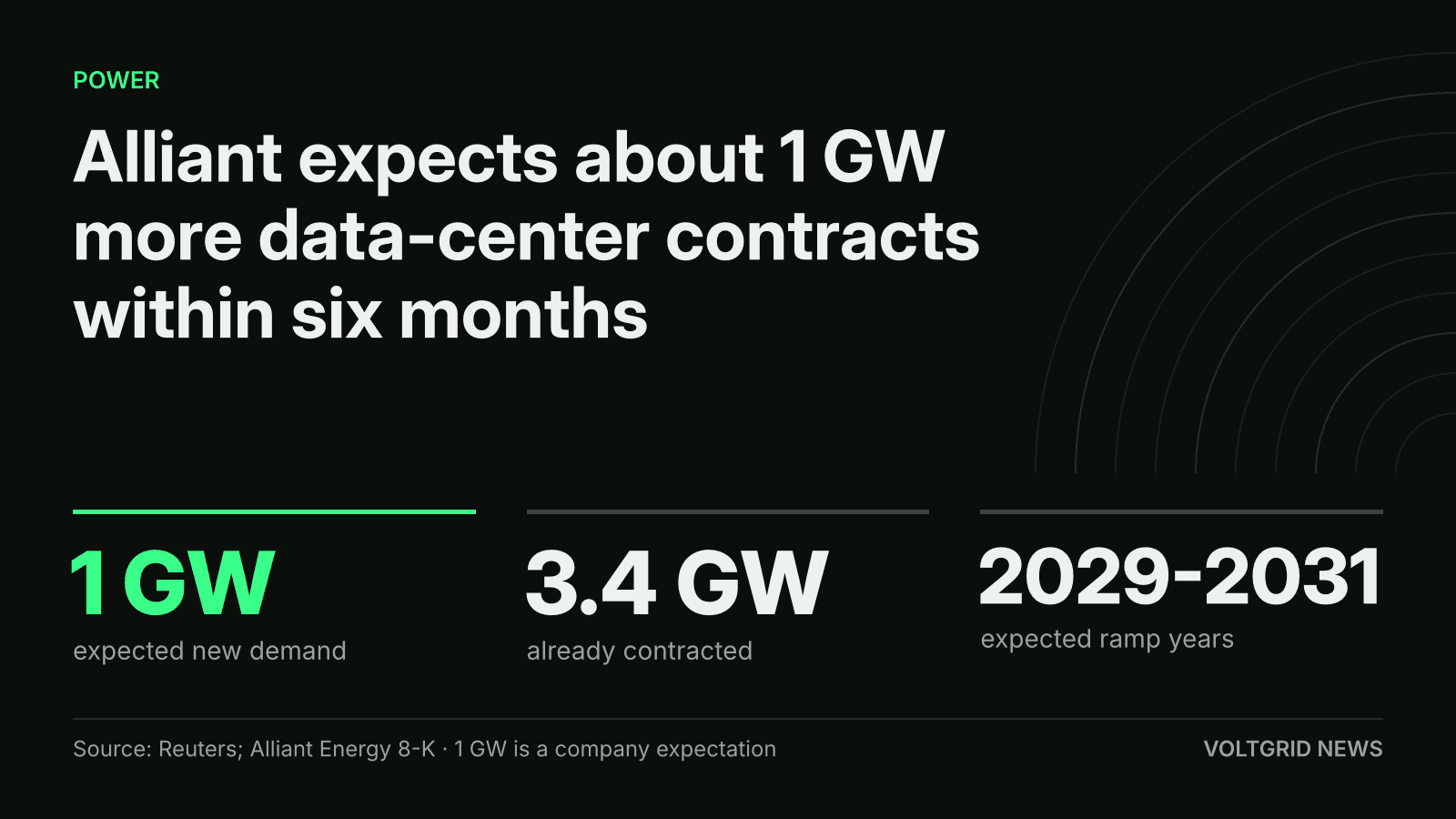
Alliant's expected new data-center demand of 1 GW sits on top of 3.4 GW already contracted, according to Reuters and the company's 8-K.
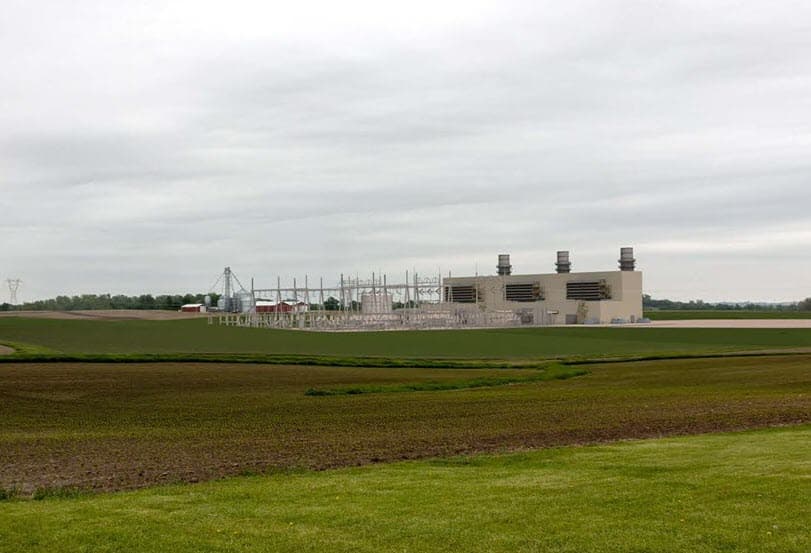
Illustration (AI-generated)
Alliant Energy expects to sign contracts for about 1 gigawatt (GW) of additional data-center demand within six months, its chief financial officer, Robert Durian, said on an Oct. 30 earnings call, Reuters reported.
The new load would come on top of the 3.4 GW of contracted data-center demand that Alliant's two utilities, Interstate Power and Light (IPL) and Wisconsin Power and Light (WPL), already have, according to the company's Oct. 29 results release. Reuters names Google, Meta Platforms and Blackstone-backed QTS Data Centers as the contracted customers. Durian said the extra 1 GW should begin ramping between 2029 and 2031, with the related investment spread across the planning horizon and beyond. No customer has been named for it.
What the 1 GW would cost
Alliant raised its 2027-2030 capital expenditure forecast by 19% to $15.9 billion, and the company said it expects peak demand to rise by about 60% by 2031. The new 1 GW is not in that plan. On the call, Durian put the rule of thumb for each added gigawatt of load at roughly $2 billion to $3 billion of capital spending, mostly for capacity resources, which at about 1 GW would mean $2 billion to $3 billion more. That figure is Voltgrid's arithmetic on the company's per-gigawatt estimate, not a number Alliant gave for this load.
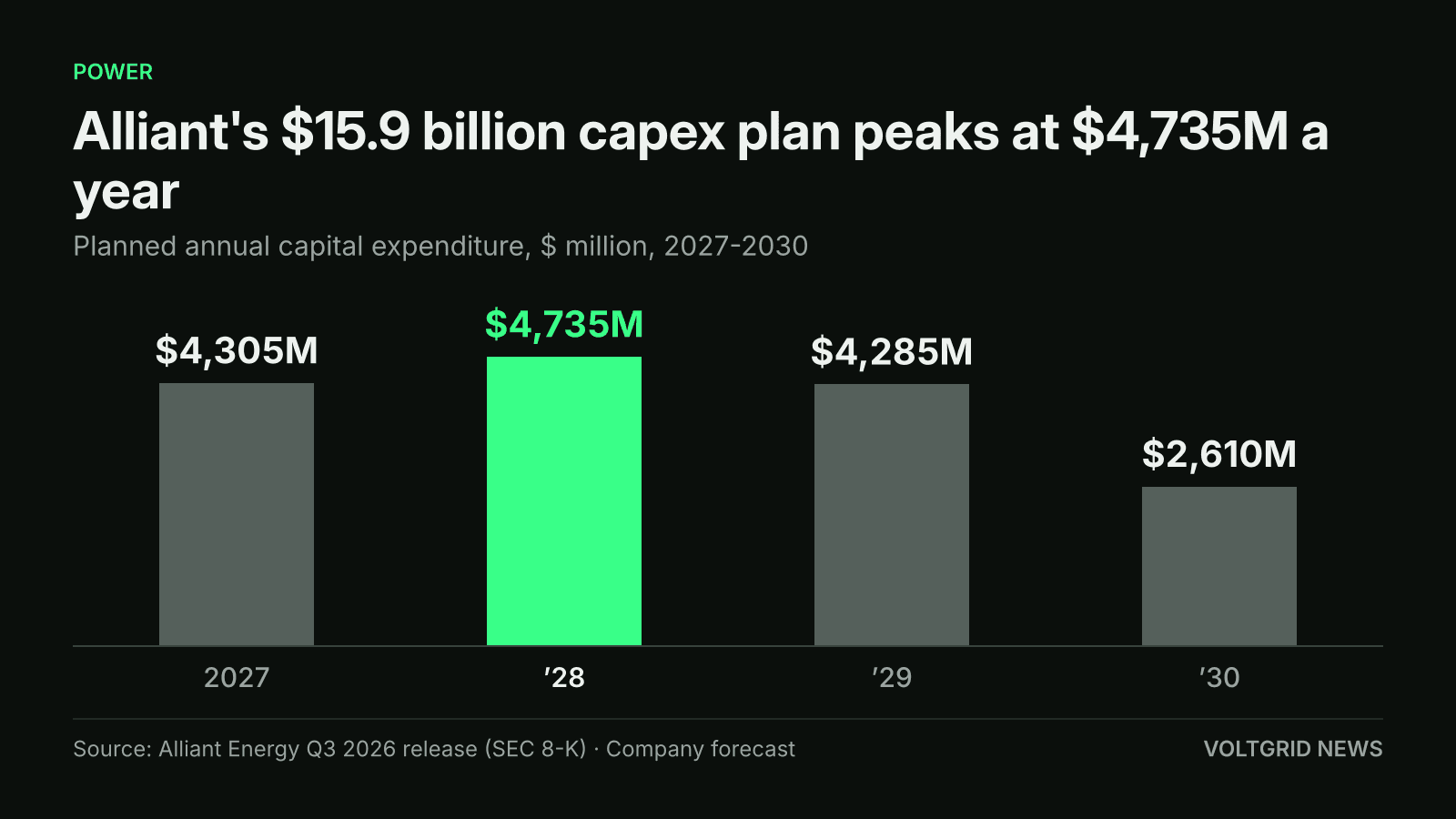
Alliant's planned annual capital spending peaks at $4,735M in the 2027-2030 plan, per the company's Q3 2026 release.
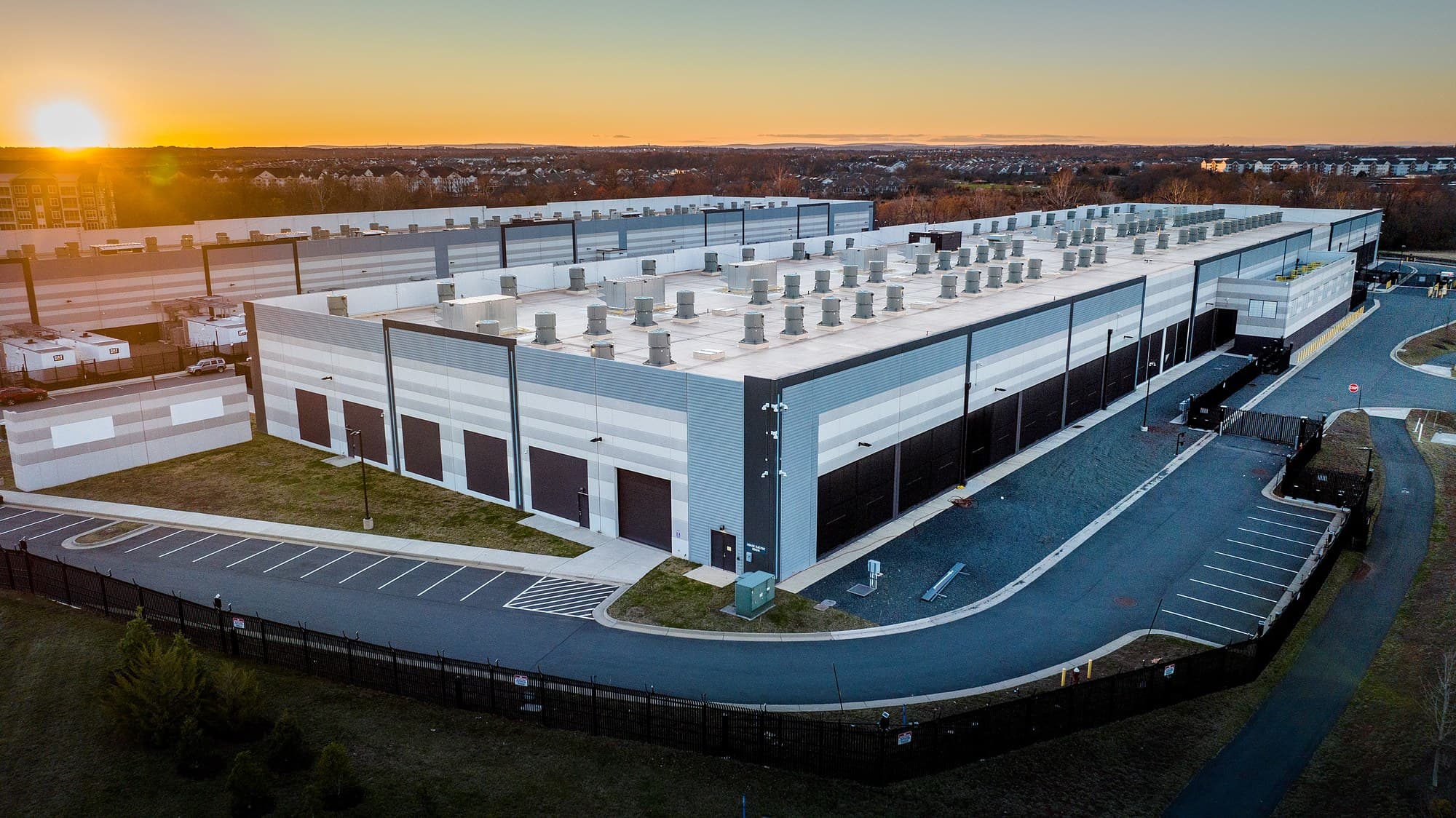
Illustration (AI-generated)
The release's annual table adds up to the headline. Capital spending is $4.305 billion in 2027, $4.735 billion in 2028, $4.285 billion in 2029 and $2.61 billion in 2030. The thermal generation and liquefied natural gas line sums to about $6.8 billion across those four years. The refreshed plan adds 1.2 GW of natural gas combustion turbines and 200 MW of energy storage, the company said on the call.
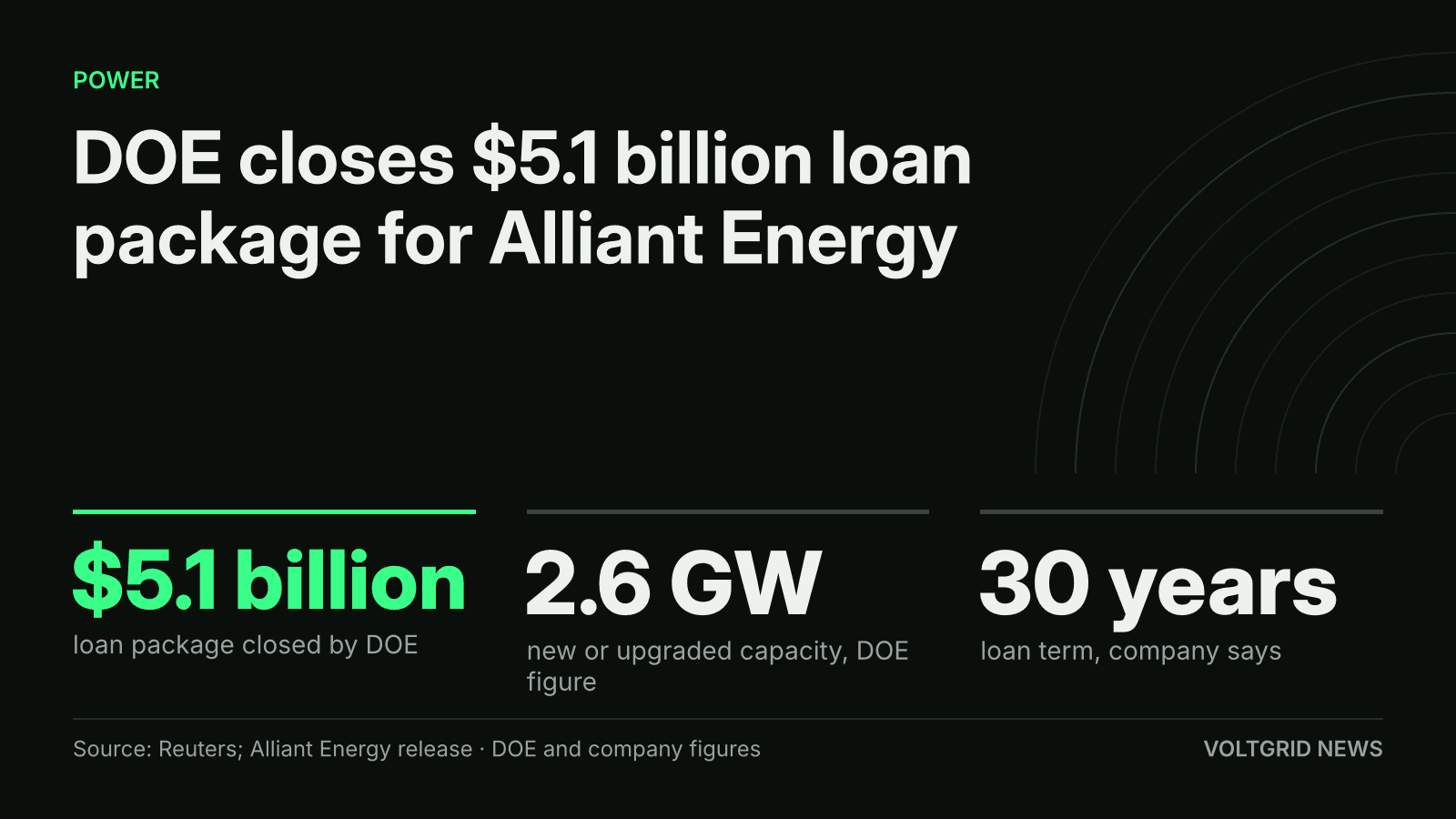
For data-center developers, the signal is where firm capacity is being built. Alliant is pairing load growth with new gas turbines and storage, funded in part by the $5.1 billion DOE loan package that Voltgrid reported on Oct. 28.
Where the 3.4 GW stands
Management said five data-center projects support the 3.4 GW, and three of them are under construction. Google is taking transmission service in Iowa, and QTS expects to finish commissioning the first two buildings of its Cedar Rapids campus this quarter. Reuters adds that Meta is expected to begin taking transmission service in Wisconsin in the first quarter of 2027. Alliant also expects to file an individual customer rate application for the QTS Clinton data center in the first half of 2027.
Alliant says a signed electric service agreement is no longer enough for a project to enter its outlook. It now also wants clear visibility into land, transmission, generation and, going forward, local permitting. Local permitting is a live risk for its generation side: as Voltgrid reported, Linn County supervisors voted 3-0 on Oct. 20 against rezoning for the 720-MW Morgan Valley gas plant.
What is not confirmed yet
The 1 GW is a management expectation, not a signed agreement, and Alliant has not named the customers or sites. Reuters quotes Durian describing "capital upside" from the data-center prospects the company has, and says earnings growth could exceed the 8% target if spending rises further. Analysts on the call also referred to a 2 to 4 GW range of data-center prospects in advanced discussion, which CEO Lisa Barton said continues to be data-center growth. Neither the release nor Reuters says how the 1 GW relates to that range, so Voltgrid does not treat it as part of it. Watch for the first executed service agreements and for state filings that add the matching generation.