AMD EPYC 9996 Venice Reviews Find Big Gains at 600 W, Perf/W Unproven
Phoronix, Tom's Hardware and ServeTheHome measured AMD's 256-core EPYC 9996 Venice far ahead of Turin and Xeon 6980P, and mostly of NVIDIA Vera. AMD's perf-per-watt and Vera claims rest on rated power and estimates.
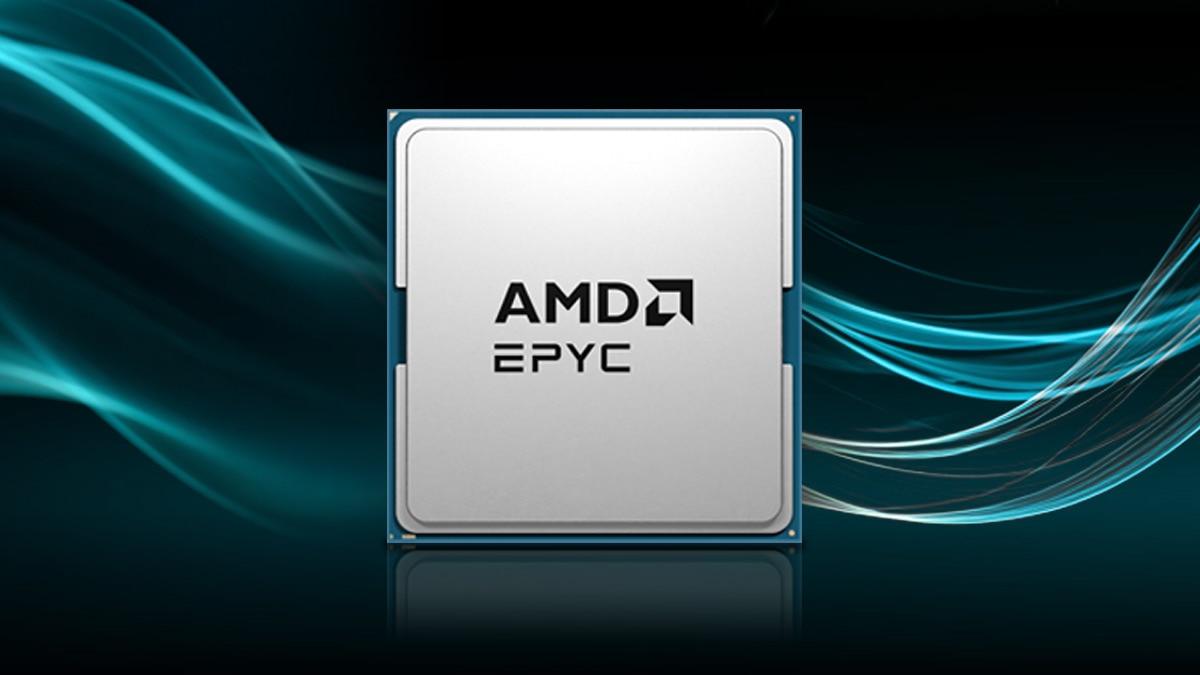
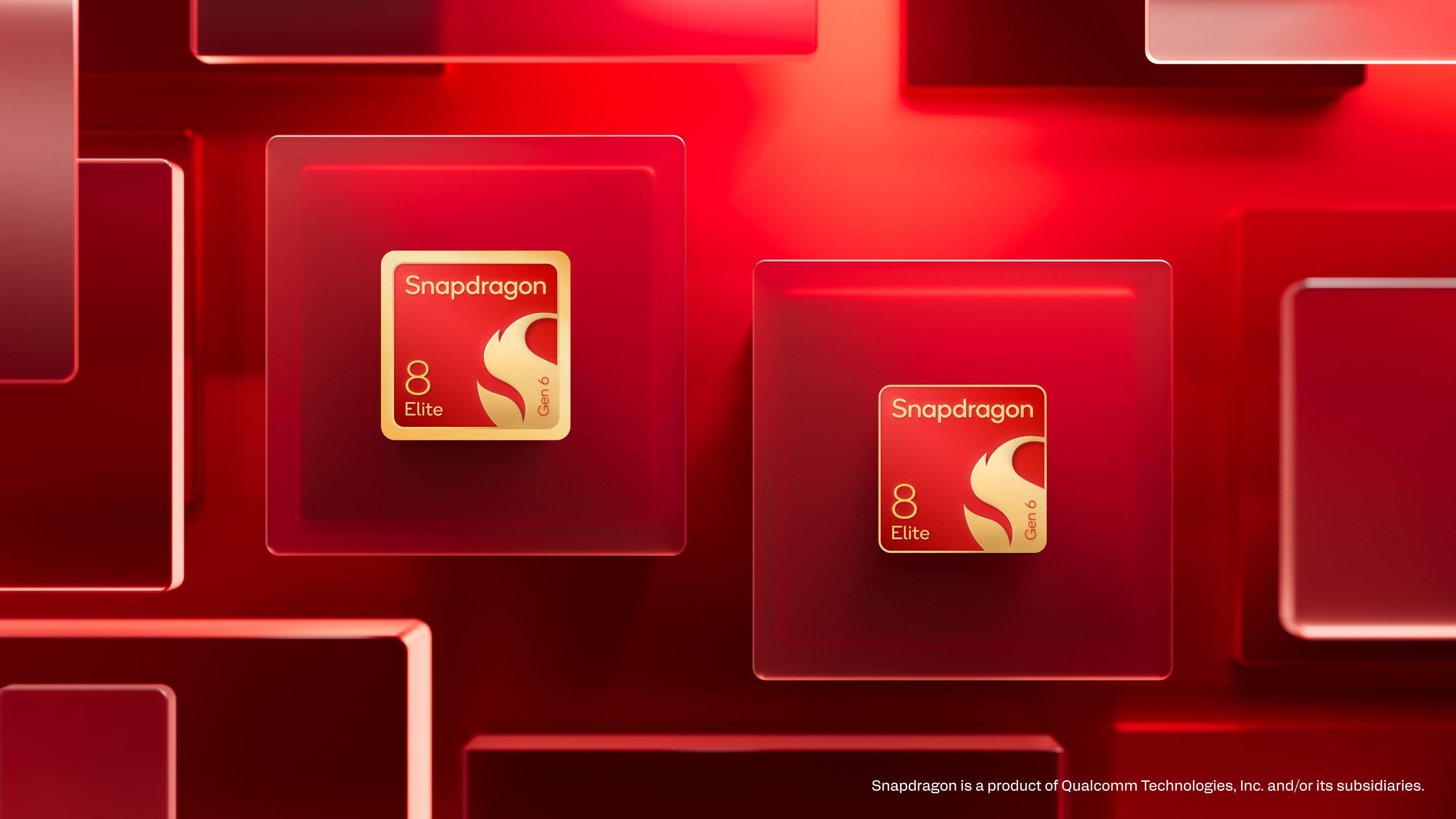
AMD's product-page image for the EPYC 9006 series, the 6th Gen Venice server processors.
Image: AMD
Source · Press image from the AMD website, used for news reporting.
Three independent labs that published results on Nov. 10 found AMD's 256-core EPYC 9996 well ahead of its predecessor and Intel's Xeon 6980P, with Phoronix measuring a 1.58x geometric mean over a dual-socket EPYC 9965. The cost is power: AMD rates the chip at 600 W per socket, and Voltgrid found no lab that has published wall-power efficiency for the EPYC 9996 under an identical load.
AMD made the 6th Gen EPYC 9006 "Venice" SP7 line generally available the same day, with systems shipping from server makers. The EPYC 9996 lists at $14,904 in 1,000-unit lots. AMD says Meta is validating the chips as lead customer, Microsoft Azure HDv2 instances are in preview alongside HXv2, and Oracle's OCI Compute E7 is the agent CPU tier Voltgrid covered in October. AMD's earlier material describes Zen 6 as built on a 2 nm process, though the Nov. 10 release does not name the node; Tom's Hardware calls it TSMC N2P and ServeTheHome N2.
AMD's own headline is efficiency. A dual-socket EPYC 9996 system scored 5470 in the published SPECrate2017_int_base, against 3260 for the EPYC 9965 and 2510 for the Xeon 6980P, and AMD claims 3.7x the performance of an NVIDIA Vera system. That Vera figure is an AMD internal estimate, derived from Phoronix's earlier Vera tests, not a published score. AMD also publishes "per CPU watt" figures built on rated power, explained below.
Reviewers found a large EPYC 9996 lead, but on 1P RDIMM and 2P MRDIMM setups that differ from AMD's, and AMD's Vera figure is an estimate.
AMD no longer quotes TDP for 6th Gen EPYC. It rates "Default CPU Power", the total across compute and I/O dies at the stated performance target, and lists 600 W for the EPYC 9996. AMD's per-watt claim divides a dual-socket SPECrate2017_int_base score by one processor's rated power: 5470 over 600 W gives 9.117, and the Xeon 6980P's 2510 over 500 W gives 5.020. Rated power is a ceiling, not a reading.
Measured power is harder. ServeTheHome's 613 W peak and 168 W idle for the 9996 come from AMD's socket sensor, which has no DRAM rail, while its Vera and Xeon readings include memory. Until a lab meters whole systems under one load, per-watt leads are estimates, and the Vera input is an AMD estimate too.
What the reviews measured
Phoronix and Tom's Hardware tested dual-socket systems on AMD reference servers with 16 channels per socket of MRDIMM-12800, the fastest memory Venice supports. On Ubuntu 26.10 and Linux 7.3, Phoronix measured the 1.58x geomean over the 2P EPYC 9965 across its full suite, and about 2x the 2P Xeon 6980P in HPC work. In its own words, the 9996 still led performance per watt despite its 600 W rating; the review text gives no wattage, which Phoronix publishes separately on OpenBenchmarking.
Tom's Hardware, on Ubuntu Server 26.04 with GCC 16, measured the 2P EPYC 9996 93% ahead of the 2P EPYC 9965 in SPEC CPU 2026 intrate, an unsubmitted estimate. In the same unsubmitted SPEC CPU 2026 estimates, both systems 2P with MRDIMM-12800, its 96-core EPYC 9686F, which boosts to 5.3 GHz, led a 2P NVIDIA Vera by 17% in intrate and 40% in fprate.
ServeTheHome took a different setup: one socket in a Dell PowerEdge R9815 with standard RDIMMs, not MRDIMMs. Its numbers stand on their own and should not be set against the dual-socket results. Per socket it measured 174 Linux kernel builds per hour, against 132 for Vera and 95 for the EPYC 9965, and 61,607 PostgreSQL read-write transactions per second, 16% ahead of the 9965 and 44% ahead of Vera.
Where reviewers disagree
Memory is where Vera holds ground. In Tom's STREAM runs, Venice led Vera by 11% to 19% with one OpenMP thread-binding policy, but Vera won with the "spread" policy, which gave the AMD chips no gain. In STH's AgentSTH test, Vera beat the EPYC 9996 on the memory dimension, 860 to 818, a gap STH said MRDIMMs might close. STH also measured 143 ns memory latency at large working sets for the 9996 on one socket with RDIMMs, behind the EPYC 9965 at 127 ns and Vera at 134 ns; its Vera and Xeon figures come from 2P machines pinned to socket 0.
The size of the generational gain depends on the suite and the memory: 93% in Tom's 2P MRDIMM SPEC intrate estimate, 1.58x in Phoronix's 2P MRDIMM broad geomean, and 16% in STH's 1P RDIMM database run. They are different measures and do not rank against each other.
What it means for agent and host CPU deployments
AMD pitches Venice for agent sandboxes, claiming about 3.3x the agents per CPU watt of Vera and 2.5x that of the Xeon 6980P. Those counts use CPU threads as a proxy under a theoretical workload, the company's footnote says. STH's measurements give the claim partial support: split into 16 agents of 16 cores, the 9996 did 6.73x the work of one 256-core agent, and it scored 849 on single-core AgentSTH, against Vera's 727. On one thread of kernel builds, the two were level.
Power is the open line. STH read a 613 W peak and 168 W idle on the EPYC 9996's socket sensor, the highest idle in its test. STH calls these figures directional: AMD's sensor leaves out DRAM, which the Vera and Xeon readings include. For rack planning, AMD's footnote models a 35 kW rack of EPYC 9996 servers: capping each socket's combined processor and memory power at 706 W with its UPP feature fits 18.8 servers and about 1.18x the agents, AMD estimates, against default power settings. That compares Venice with itself, not with a rival. In October, Voltgrid reported an estimated 1.5% SPEC lead for Vera over the Zen 5 EPYC 9755; Tom's SPEC estimates now put the Zen 6 EPYC 9686F ahead of Vera, while Modal's agent tests had Vera at 2x x86 throughput.
Verdict and what to watch
For throughput per socket and per server, the three labs point the same way on direction, though their setups differ: Venice leads Turin and Intel's Xeon 6980P, and mostly leads Vera in whole-chip tests, with Vera's wins coming in memory bandwidth. Buyers whose work is bound by memory bandwidth should read the STREAM results first. Peak results also need MRDIMM-12800, whose price Phoronix had not yet seen. AMD's perf-per-watt lead over Vera remains an estimate until STH's promised dual-socket MRDIMM power follow-up and Phoronix's Venice-versus-Vera tests land. The smaller SP8 platform follows in the first half of 2027, per Phoronix, citing AMD's briefing.