AMD Radeon Driver SSD Write Bug Listed as Fixed in Adrenalin 26.11.1
AMD's optional Adrenalin 26.11.1 driver, dated Nov. 12, lists the Radeon idle SSD-write bug as fixed for RX 7000 and newer, plus a window-move write fix. No independent test of the fix is published yet.
Chips & Power DeskEdited by Ege Erten
3 min readAI-assisted
Follows our story: AMD Radeon Driver Bug Writes Up to 5 MB/s to SSDs; Fix Reportedly Due
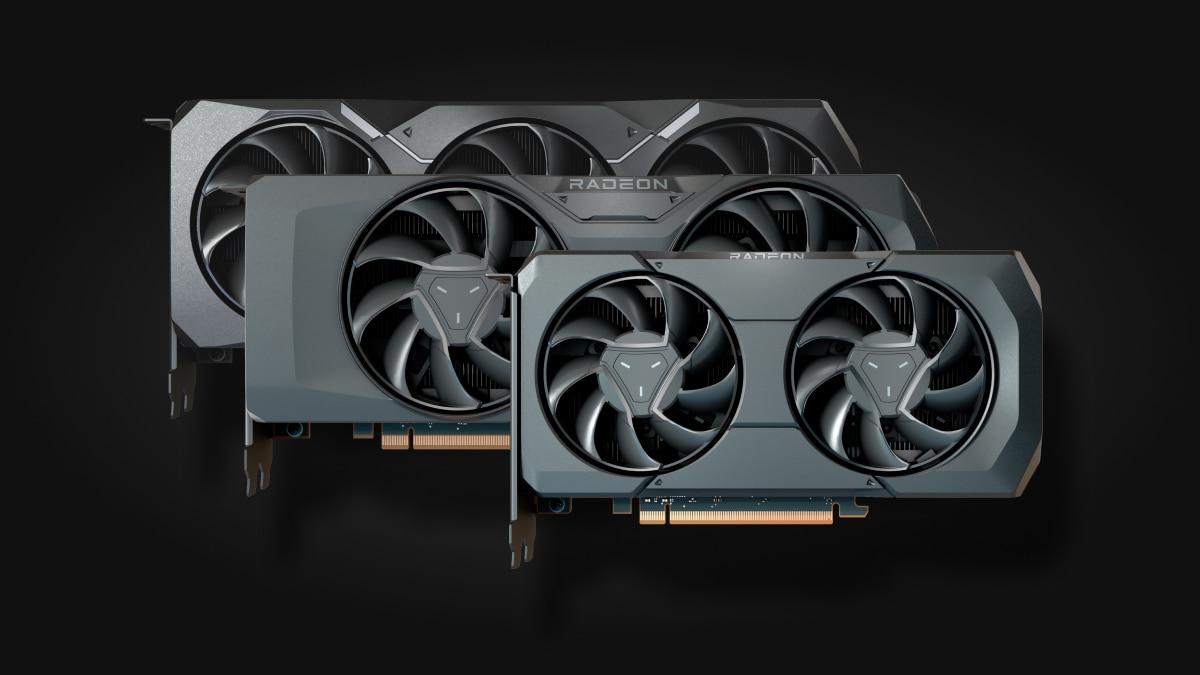
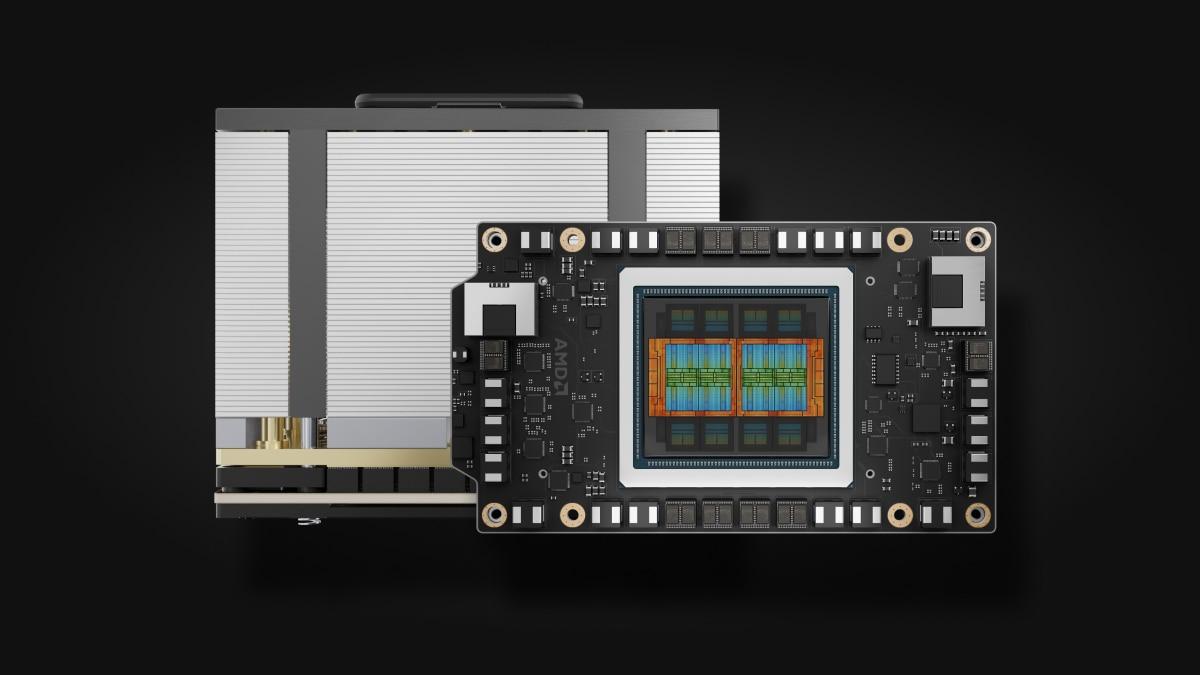
AMD Radeon RX 7000 series cards. The idle-write fix in Adrenalin 26.11.1 names RX 7000 series products and above.
Image: AMD
Source · Press image from the AMD website, used for news reporting.
AMD lists the Radeon driver bug that kept SSDs writing at idle as fixed in Adrenalin 26.11.1, an optional driver whose release notes are dated Nov. 12, 2026. The notes name two fixes: excessive system-drive writes at idle on Radeon RX 7000 series cards and newer, and excessive writes while application windows are moved or resized.
As Voltgrid reported on Nov. 9, AMD had acknowledged the bug but had not shipped a fix. The writes come from atieclxx.exe, the AMD External Events Client Module, which handles monitor hot-plug detection, Radeon Software hotkeys and some FreeSync functions, according to Hardware Busters. The outlet reported that AMD representative AMD_Vik traced the behaviour to an interaction between that utility and Microsoft's PCIe filter driver and, citing VideoCardz, pointed to 26.11.1 as the release that would carry the fix. AMD's own notes now list it as fixed; that is AMD's claim, and no independent test of it has been published.
What AMD's notes say, and what they leave out
The notes list two driver packages for Windows 10 and Windows 11, version 21H2 and later: 26.20.15.16 (Windows Driver Store version 32.0.32015.16001) and 25.10.45.26, without saying which GPUs the second one serves. AMD labels the release optional. Its compatibility list runs from the RX 9000 series back to the RX 6000 and RX 5000 series, plus Radeon PRO cards. The idle-write fix, however, names only RX 7000 series products and above. The notes do not say whether RX 6000 or RX 5000 cards showed the idle writes, what the fix changed, or what the cause was. The window-resize fix names no GPU series.
That second item has a longer history. In November 2025, Tom's Hardware reported that a Reddit user had found a log file in an AMD folder under Windows being rewritten every time a window moved or changed size, tied to the same External Events Utility. Tom's Hardware said those writes were apparently tiny and probably not a problem for SSDs, while noting that this had not been determined and that it had asked AMD. AMD's notes do not say whether the new fix covers that log.
What it means for SSD endurance
Voltgrid found no controlled measurement of the write rate, before or after 26.11.1, as of Nov. 12. Every figure so far is an owner report of host writes as Windows counts them, which Hardware Busters says is not the same as wear on the flash: controller caching can absorb some writes, while small repetitive writes can raise write amplification, the extra internal writing a drive does. Owners reported 0.3 MB/s to 1.5 MB/s, and one Reddit user about 5 MB/s, according to Hardware Busters. Its arithmetic for a PC that never stops writing: 0.65 MB/s is about 56 GB a day, and 5 MB/s is 432 GB a day, almost 158 TB a year.
Hardware Busters' calculation; owner-reported rates, not a controlled test: 5 MB/s of continuous writes is 432 GB a day, against 56 GB at 0.65 MB/s.
Illustration (AI-generated)
Hardware Busters set those totals against a 1 TB TLC drive rated for 600 TB written (TBW), which it describes as the drive's warranted writes. At 0.65 MB/s, the outlet says, that uses about 3% of the rating a year; at 5 MB/s, about a quarter. On a 500 GB QLC drive rated for 200 TBW, Hardware Busters says the worst case would pass the rating in under two years. Until someone measures flash wear directly, those totals show scale, not damage.
What Radeon Owners Should Do After the Fix
The check Hardware Busters describes is Resource Monitor's Disk tab, sorted by writes: atieclxx.exe writing steadily on an idle PC means the system is affected. Owners who saw that can install 26.11.1 and repeat the same check; AMD's notes give no write rate, so the check is the only way to see a change. Hardware Busters listed disabling the AMD External Events Utility service, which can break hotkeys and some display behaviour, and turning off Resizable BAR, which costs performance, as stopgaps. AMD's notes do not say whether to undo them, so owners who used them may want to reverse them after repeating the check. AMD lists nine known issues in this release, among them Smart Access Memory possibly turning off after installation on Windows 10, so those owners should confirm the setting afterwards. For laptops and all-in-one PCs, AMD recommends the system maker's drivers.
What is not confirmed yet
AMD's 26.11.1 notes give no date for a recommended release that carries the fix. Voltgrid found no independent before-and-after write figures as of Nov. 12, and no one has published a measurement of NAND wear. Earlier fixes for RX 7000 and RX 9000 cards came in the 26.10.2 driver, as Voltgrid reported, whose notes did not mention the write issue.