BAIC and CATL Sign Battery Swap Deal on 2,520-Station Choco Network
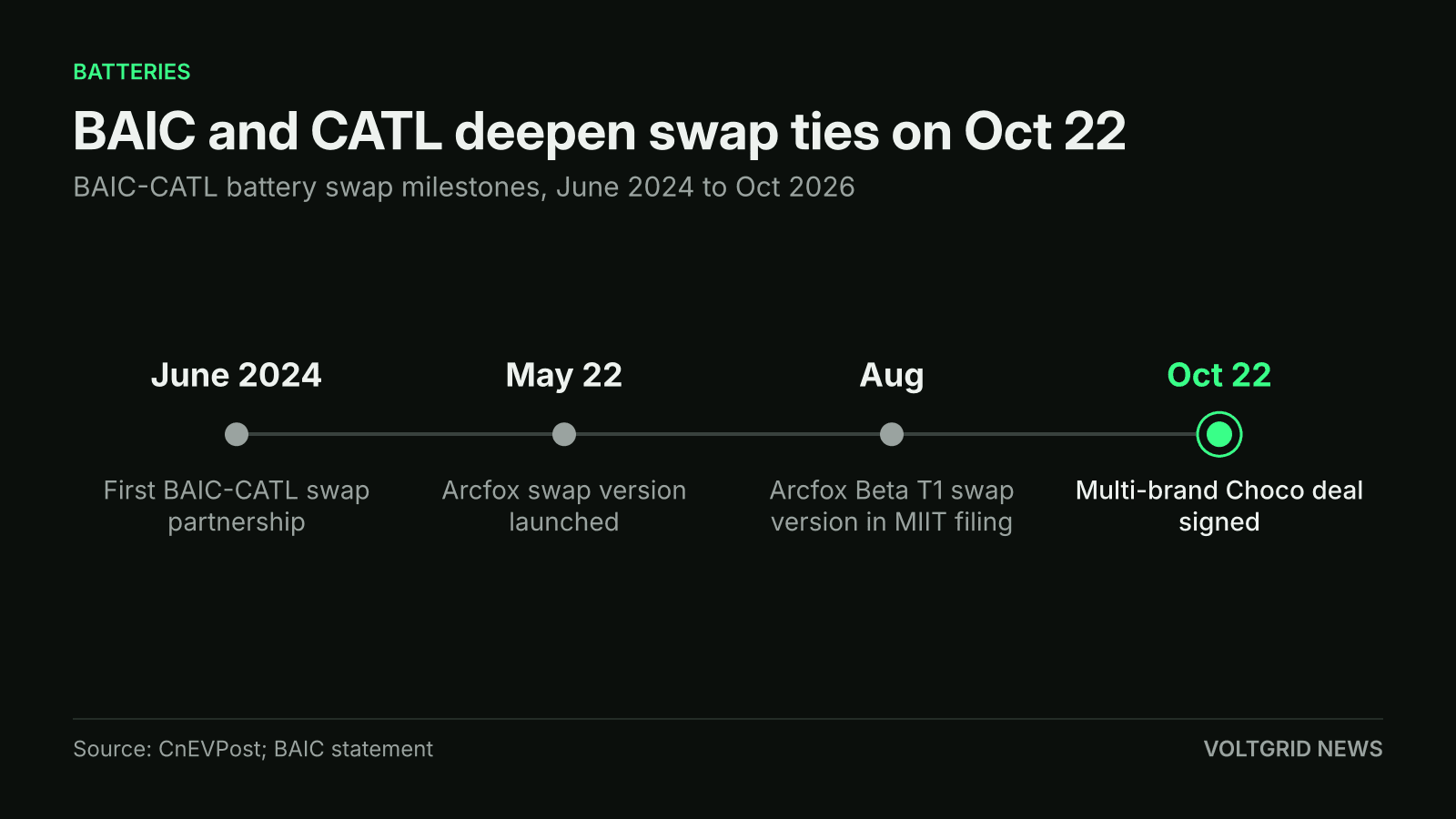
BAIC Group signed the deal on October 22 to link models from multiple brands to CATL's Choco swap network and open its dealers to station builds, but gave no timeline or station count.
2 min read
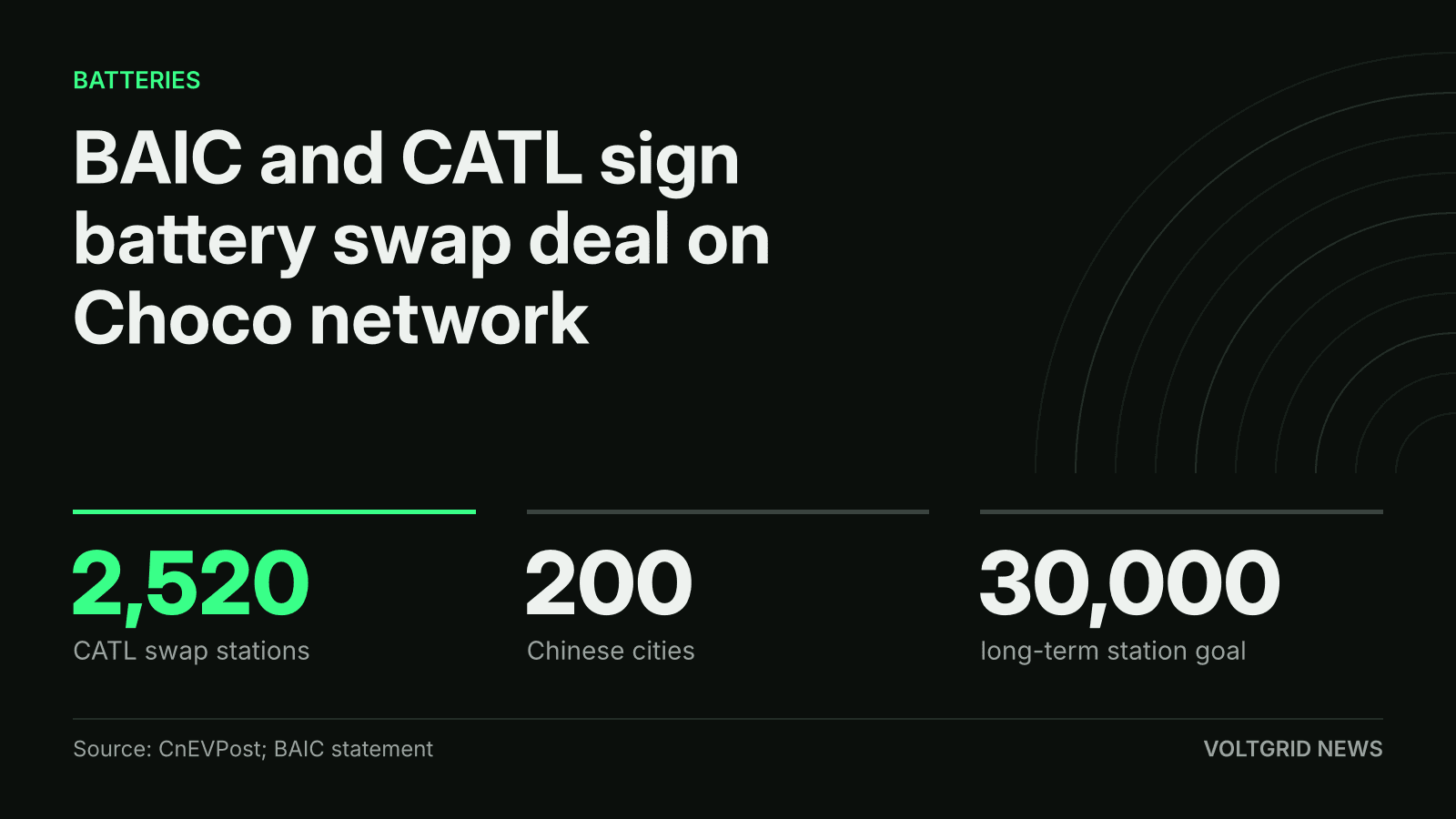
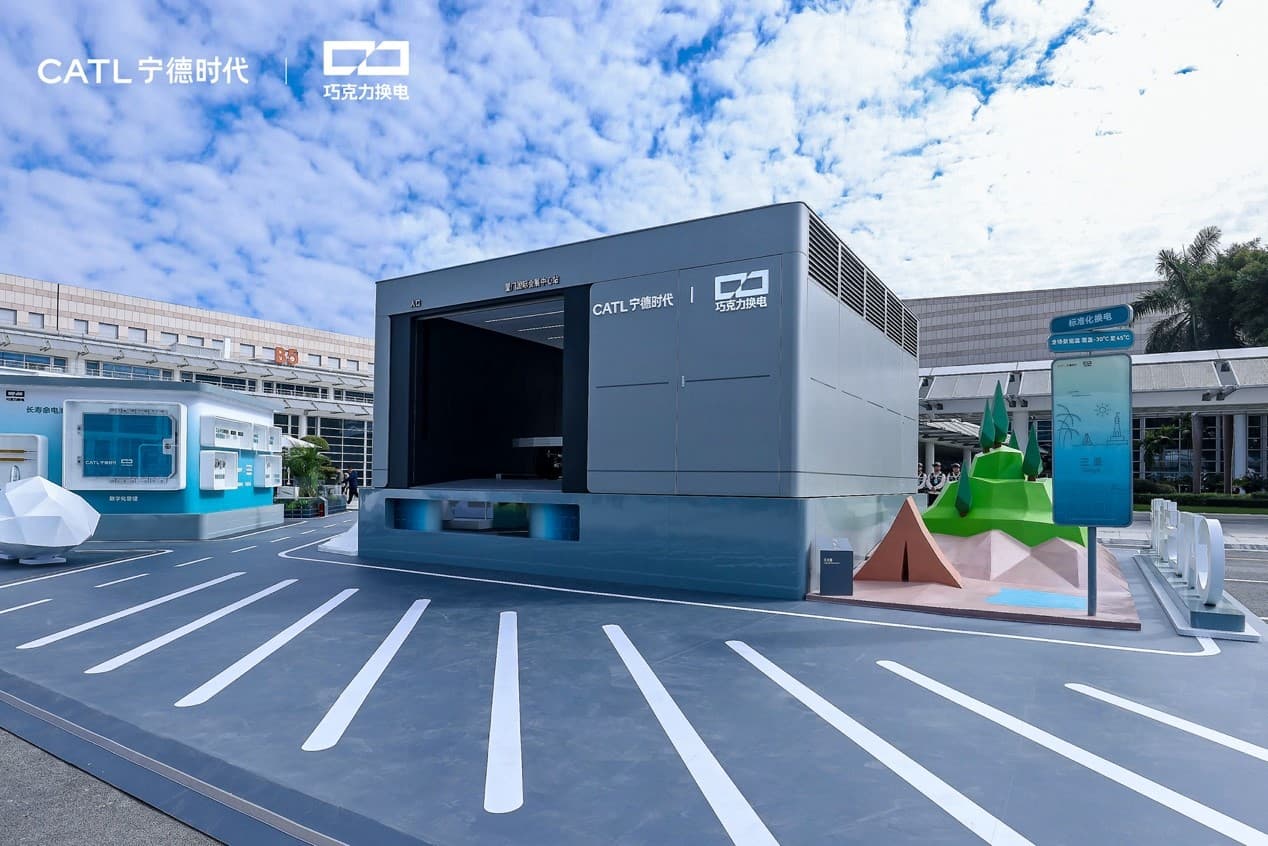
CATL's Choco network stood at 2,520 stations as of Sept 29, the company's earlier information shows, ahead of the BAIC deal.
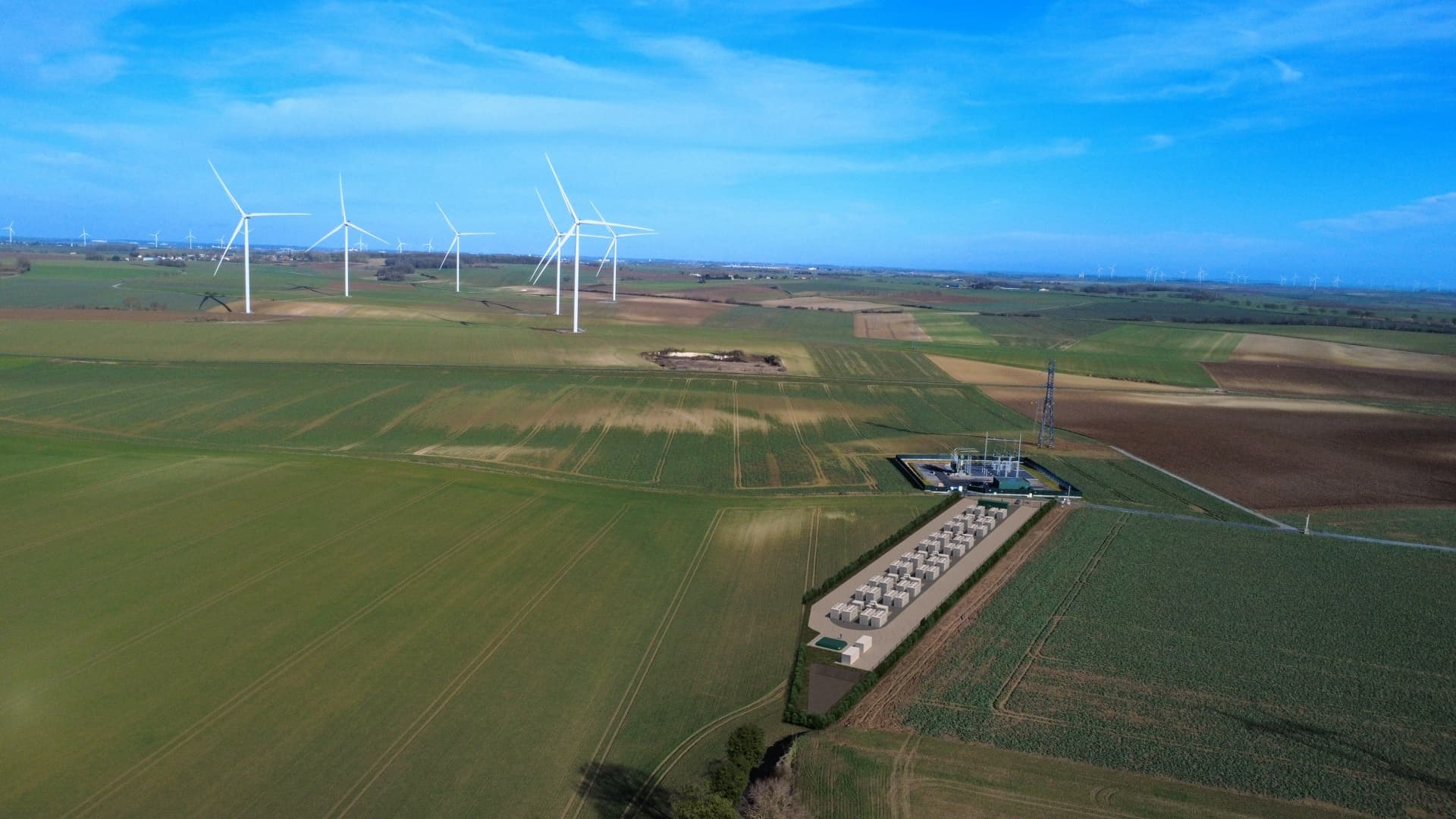
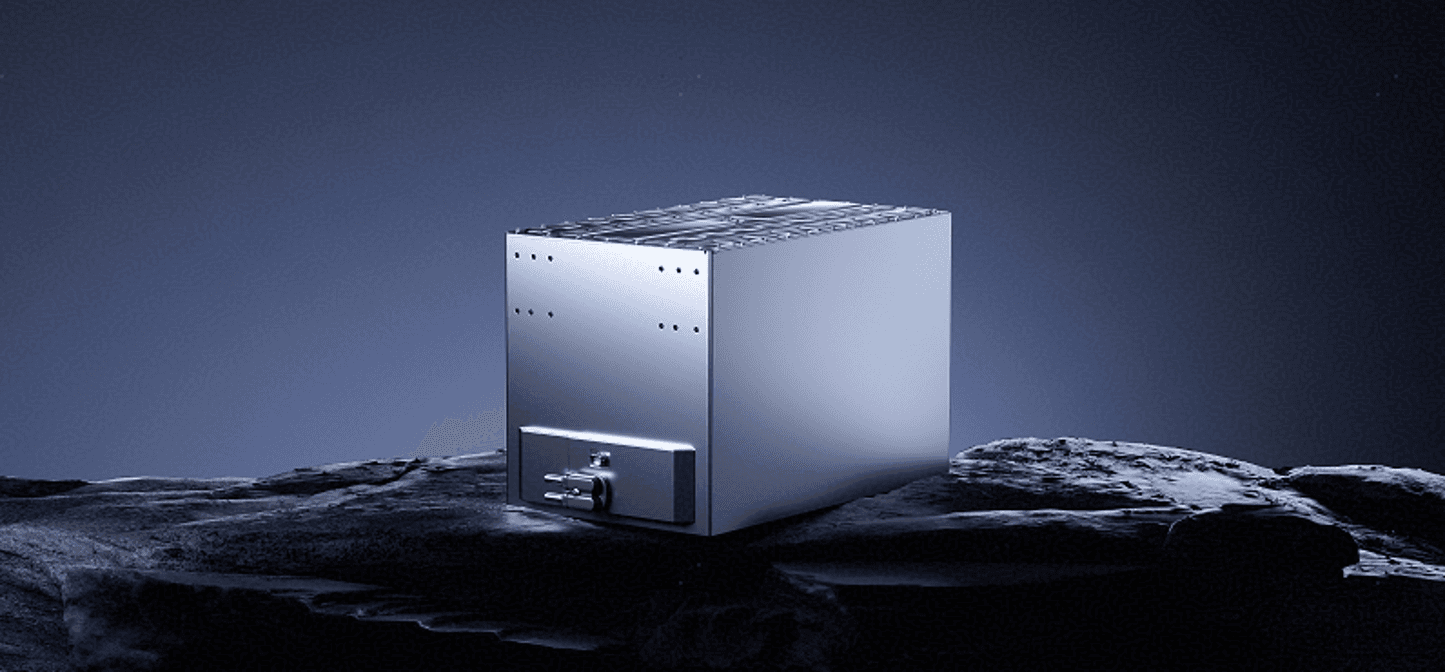
Illustration (AI-generated)
Beijing Automotive Group (BAIC Group) signed a battery swap agreement with CATL on Thursday, October 22, to connect compatible models from multiple brands to CATL's Choco battery swap network and to let CATL build swap stations around BAIC dealerships, CnEVPost reported.
BAIC said in a statement that the agreement covers vehicle and battery development, swap station network construction, battery energy services and business model innovation. The two companies will jointly develop nationwide public energy replenishment infrastructure and work with dealers to explore joint station development and operation.
What the BAIC Deal Changes for CATL's Swap Network
The deal widens the pool of vehicles that can use CATL's stations. Battery swapping can bring recurring revenue from battery rentals and energy replenishment, CnEVPost noted, but it needs a large enough vehicle base to carry station construction and operating costs. Adding several BAIC brands, rather than one, speaks directly to that constraint.
The companies also plan to consolidate battery swap assets under specialized management, divide responsibilities to improve operating efficiency, and promote unified swap standards and shared, interoperable networks. BAIC described the goal as China's first mature battery swap ecosystem serving vehicles in the million level.