Chinese AI Firms Reportedly Rush to Secure Overseas NVIDIA Capacity
Chinese AI firms are seeking overseas NVIDIA capacity, three people told Reuters, as a remote-access bill passed by the House (369-22) awaits the Senate. No provider is named.
Chips & Power DeskEdited by Ege Erten
3 min readAI-assisted
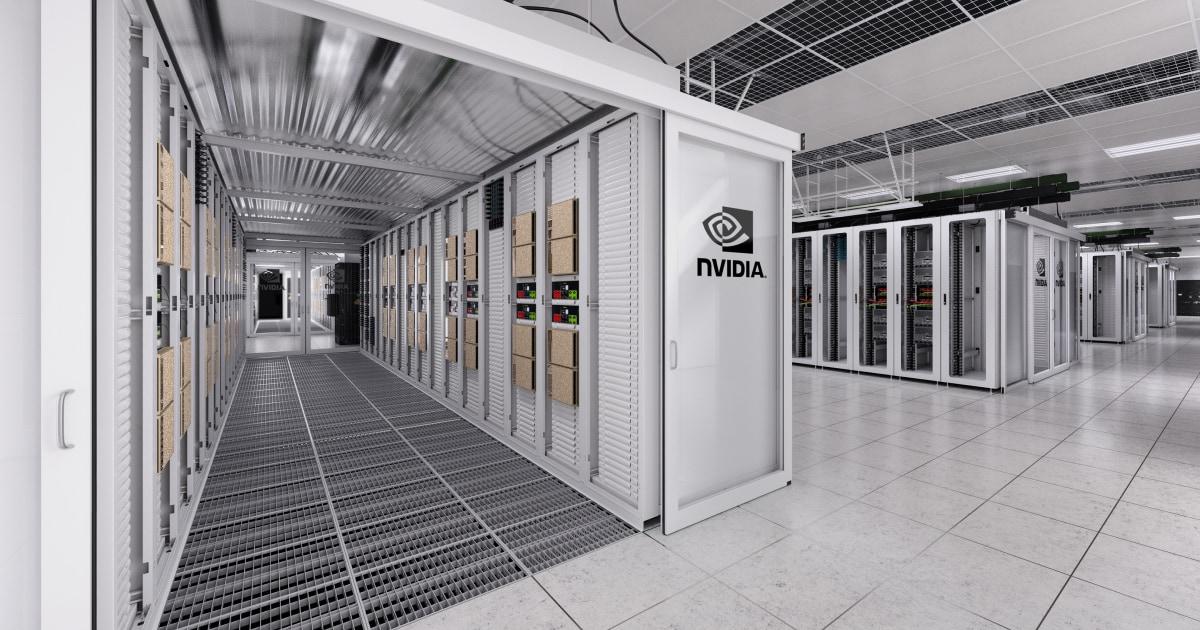
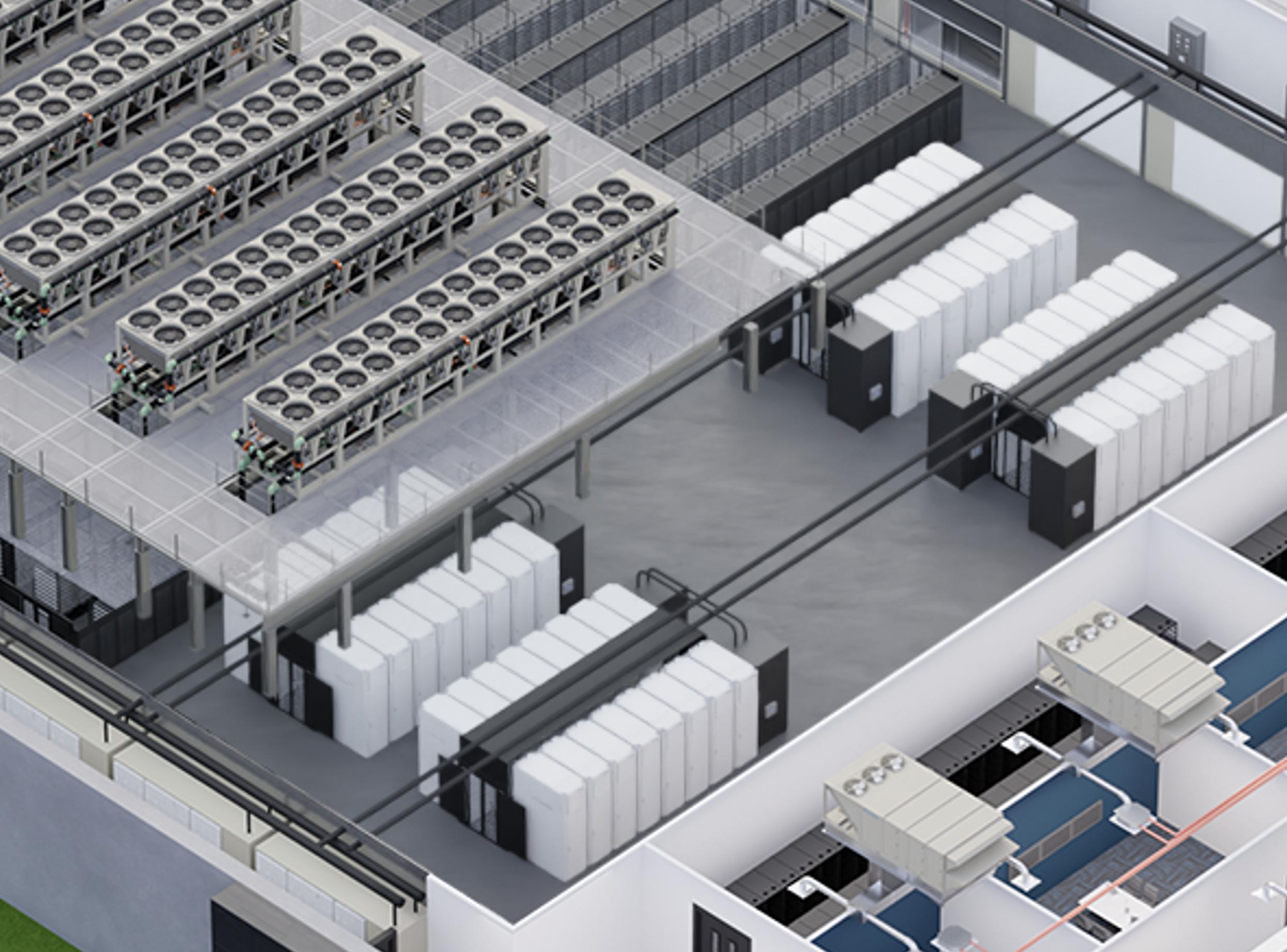
NVIDIA data center racks, in an image from the company's data center page. It illustrates the kind of capacity at issue and is not a photo of any facility named in the report.
Image: NVIDIA
Source · Press image from the NVIDIA newsroom, used for news reporting.
Chinese AI firms are trying to rent Nvidia-powered computing capacity at data centres outside China, Reuters reported on Nov. 12, citing three people familiar with the matter, because they fear Washington could soon restrict remote use of advanced chips.
A major Chinese cloud provider has discussed internally whether to lock in overseas Nvidia capacity, and some companies have approached data-centre operators about reserving it, the people told Reuters. Two of the people said smaller AI labs are weighing similar steps, including talks with large providers of rented computing power in Southeast Asia. Reuters did not name the cloud provider.
Why Renting Chips Abroad Matters for Export Controls
US rules bar exports of Nvidia's most advanced AI chips to China, but Chinese developers can still reach those processors by renting capacity in overseas data centres. Restricting that route would make it harder to get top-end compute without importing the chips directly, according to Reuters. The firms fear the Jensen Huang scandal adds political momentum to the Remote Access Security Act, a bill that would give the US Commerce Department authority over remote, cloud-based access to restricted technology. The House of Representatives passed it in January by 369 votes to 22, about 94% of those voting, and it awaits Senate action.
The House passed the remote-access bill 369-22; it awaits the Senate, and the rental demand is reported by three people familiar.
Illustration (AI-generated)
For operators outside China, the supply-chain effect is concrete: reserved GPU hours in Southeast Asia are a form of demand that export rules do not currently cap, and a bill that closes the gap would remove it. Reuters gave no volumes or prices, so the size of the rush is not known.
Grey-Market Demand and Hong Kong Share Moves
The same fear of tougher enforcement is also lifting demand for restricted Nvidia chips in China's grey market, two of the people said, with traders and intermediaries stockpiling processors ahead of a possible crackdown on smuggling of chips and AI servers. Shares of Chinese AI companies fell sharply in Hong Kong on Nov. 12: Alibaba dropped as much as 7.1%, while Z.AI and MiniMax each fell at least 7%.
Reuters said Alice Huang, a former executive at Singapore-based cloud company Megaspeed, had business dealings and investment ties with several leading Chinese technology firms, including Tencent and Alibaba, according to two people familiar with the matter. Tencent said its computing procurement, leasing and operations comply with applicable laws and export controls and that it has no business dealings or investment ties with the individuals concerned. Alibaba did not respond to Reuters. Megaspeed said on Nov. 12 it had cooperated with Commerce Department inspections and hired a US law firm to inventory its GPUs; it denies illegally diverting chips to China.
The New York Times reported that US authorities concluded Alice Huang, who is not related to Jensen Huang, was a Chinese intelligence asset. Reuters could not verify that allegation, which China denies. We have covered the leadership fallout at Nvidia and Commerce Secretary Lutnick's reported delay of a diversion crackdown. We also reported that a PLA-linked university bought H200 chips despite a US blacklist.
Nvidia's board met late on Nov. 11 on whether Huang should stay as chief executive, according to The Next Web, citing Reuters; no decision had been announced as of Nov. 12. Nvidia reports quarterly results on Nov. 17.
What Is Not Confirmed Yet
The report rests on anonymous sources, and neither Nvidia nor the Commerce Department commented to Reuters. No contract, provider or capacity figure has been disclosed, and the Senate has set no date for the Remote Access Security Act. Prosecutors' March case against Super Micro co-founder Yih-Shyan Liaw and two others, over servers allegedly diverted to China, has not ended in convictions.
Sources
- 01Exclusive-Chinese AI firms rush to secure Nvidia chip capacity as spy scandal stirs fear of US curbsSRN News (Reuters) · srnnews.com
- 02Jensen Huang fate hangs on Nvidia board after overnight meetingThe Next Web · thenextweb.com
- 03EXCLUSIVE: Chinese AI firms rush to secure Nvidia chip capacity as spy scandal stirs fear of US curbsGoogle News · Reuters · news.google.com