Constellation Peak+ Pairs Existing Nuclear With New Capacity for Peak Hours
Constellation's Peak+ is designed to pair existing reactors with new capacity. Its slides put nuclear PPAs at $20-$50/MWh over the PTC floor and new eastern PJM gas at $110-$130/MWh by 2032.
Chips & Power DeskEdited by Ege Erten
3 min readAI-assisted
Follows our story: Constellation Nuclear Uprates for Amazon and Google Still Need NRC Approval
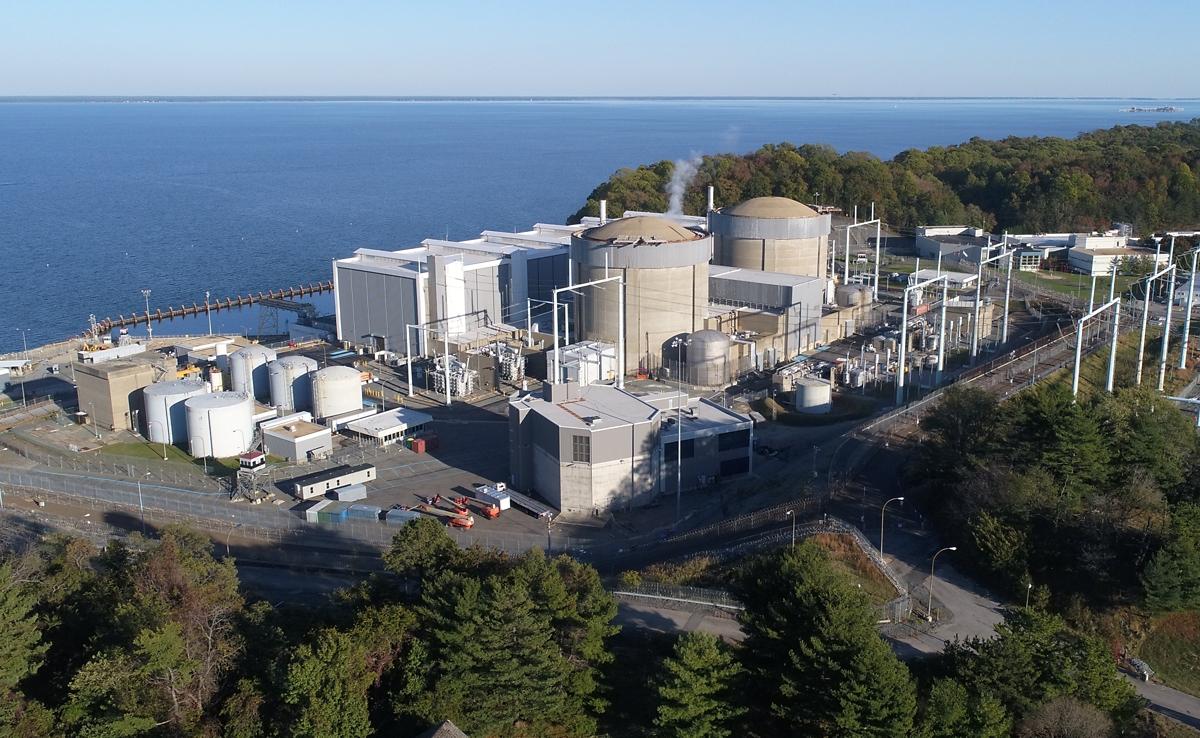
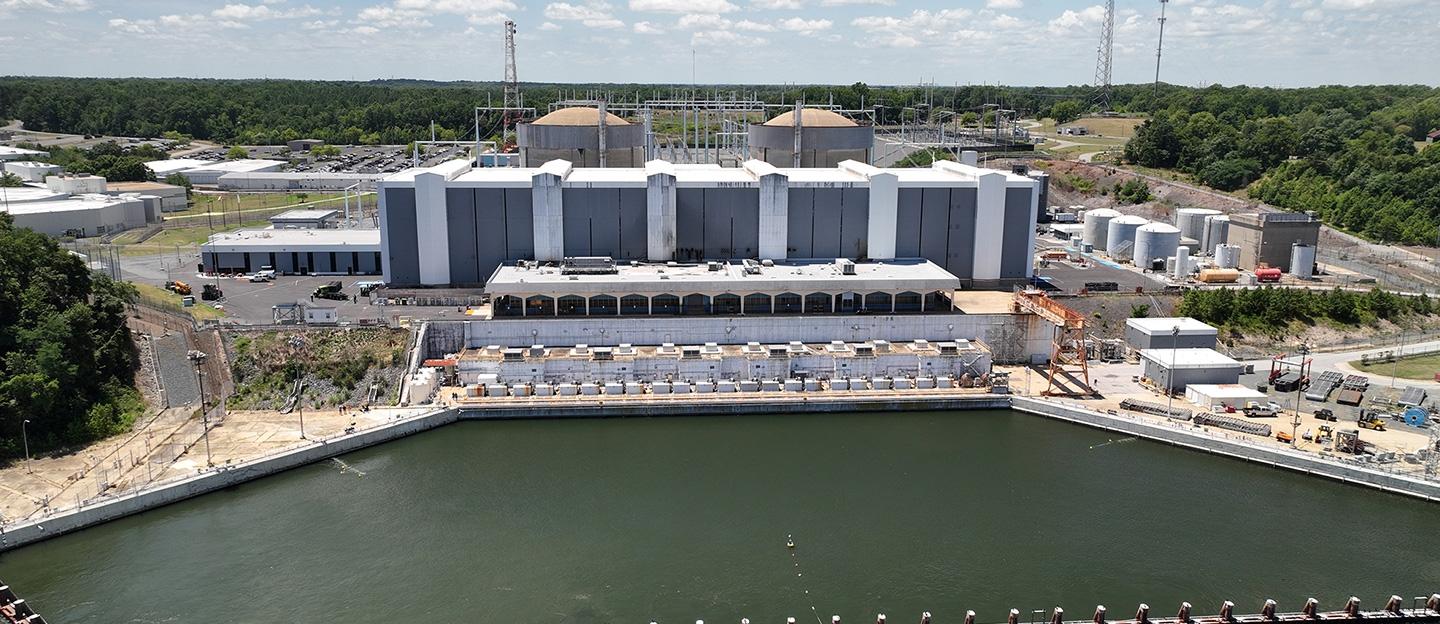
A Constellation nuclear plant, Calvert Cliffs. Constellation has not said which plants will supply the 270 MW Peak+ contract.
Image: Constellation
Source · Press image from the Constellation newsroom, used for news reporting.
Constellation Energy signed a 20-year agreement for 270 MW of unit-contingent energy, capacity and nuclear attributes from its existing fleet, set to begin in 2028, and the company has now described the Peak+ product behind it: existing nuclear output combined with new capacity, which its release names as new generation and demand response.
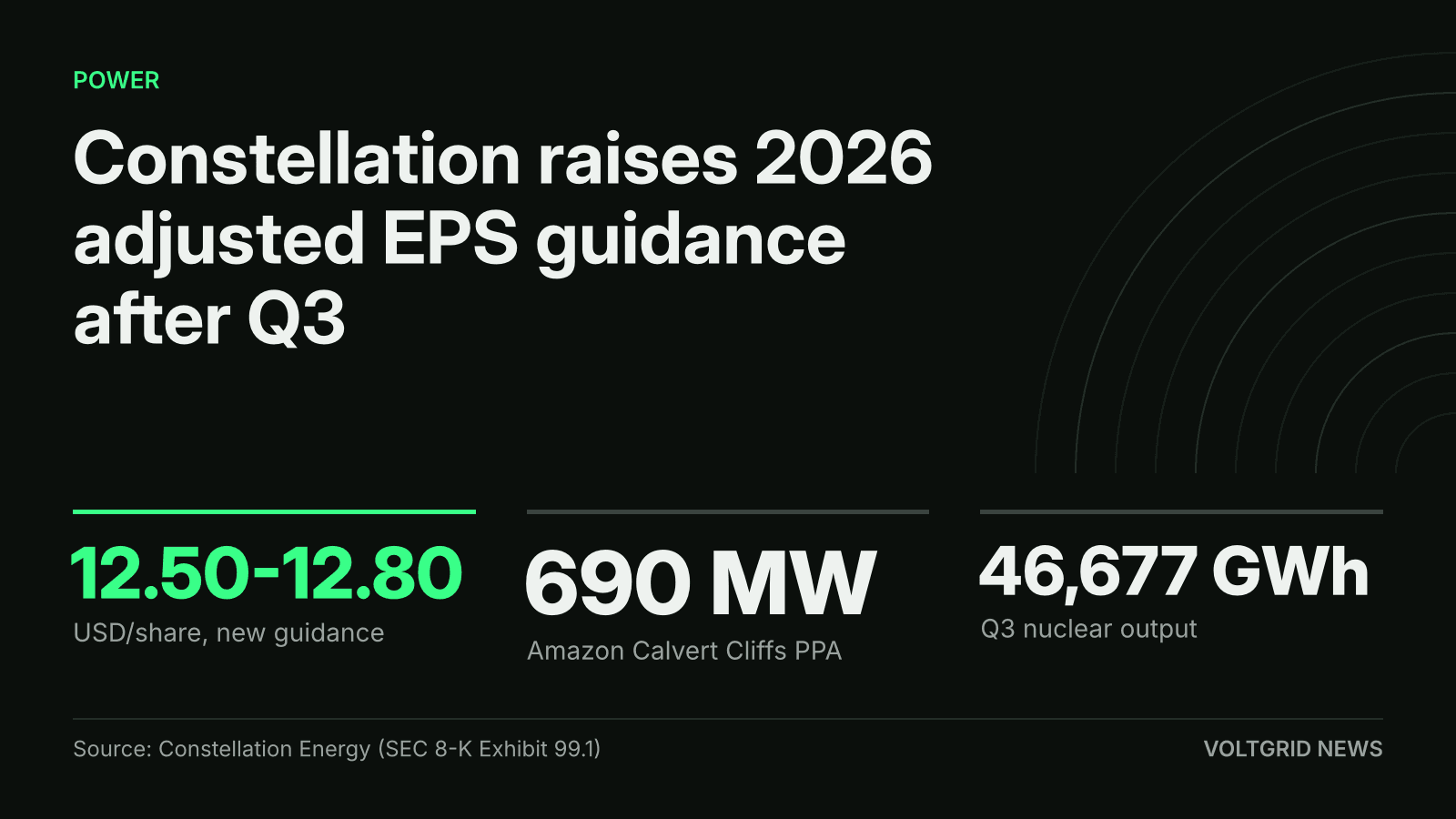
The 270 MW agreement first appeared in our Nov. 9 analysis of Constellation's uprates for Amazon and Google and in our third-quarter earnings brief. The third-quarter release calls it an agreement and does not name the customer, the plants or the price. The new megawatts in that analysis were uprates that still need Nuclear Regulatory Commission approval. Peak+ is a second route that does not wait on added reactor output: this first deal's energy, capacity and attributes come from units already running. For Peak+ in general, Constellation says new capacity is part of the offer, but it has not said what, if anything, backs the 270 MW.
How Peak+ is built
Chief executive Joe Dominguez told analysts on the Nov. 9 call that Peak+ gives Constellation a way to pair the existing fleet with incremental capacity, Utility Dive reported on Nov. 11. He said the company could add batteries and generation at its plants, because it owns large areas of land around them. Dominguez declined to name the first customer.
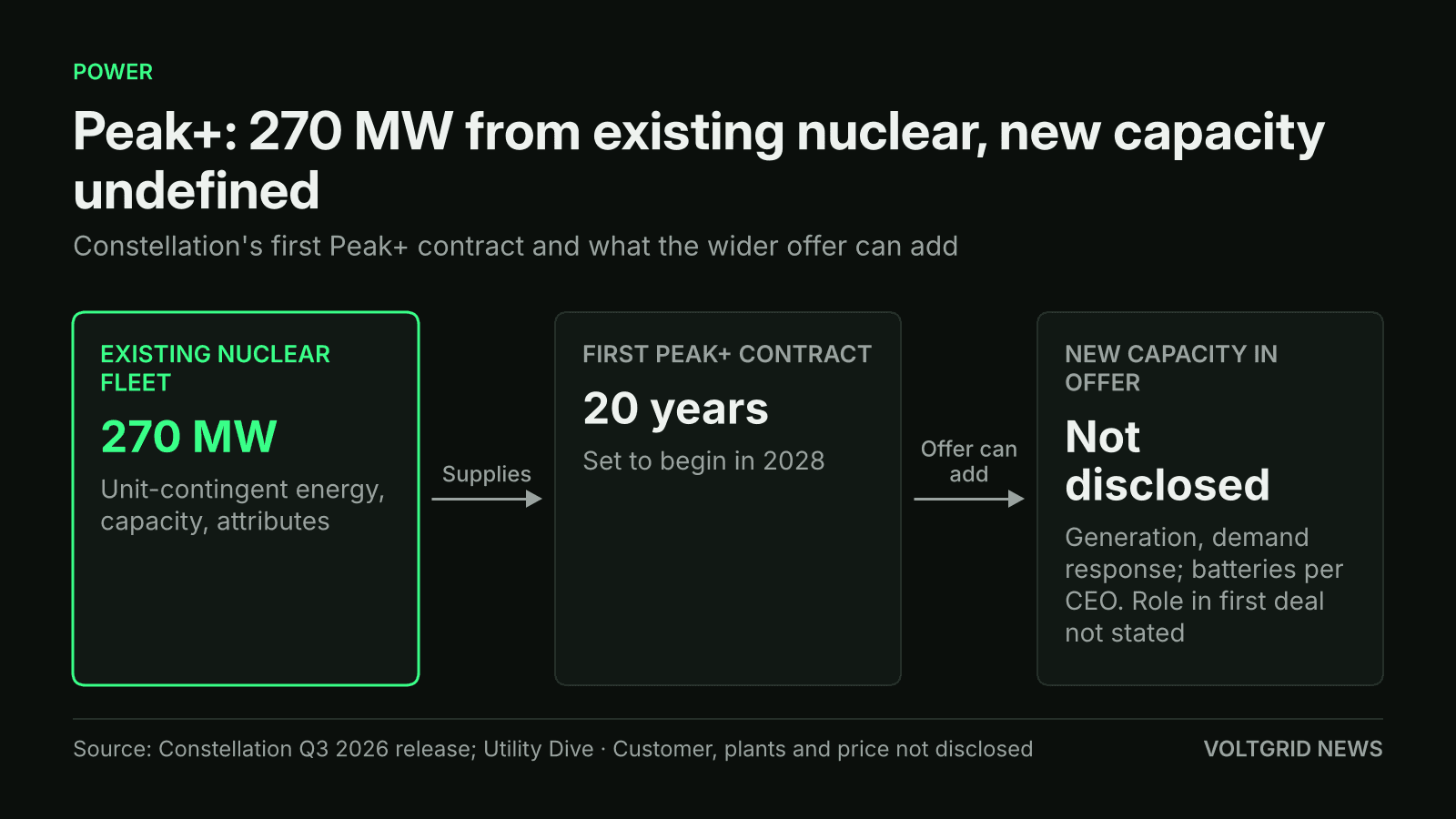
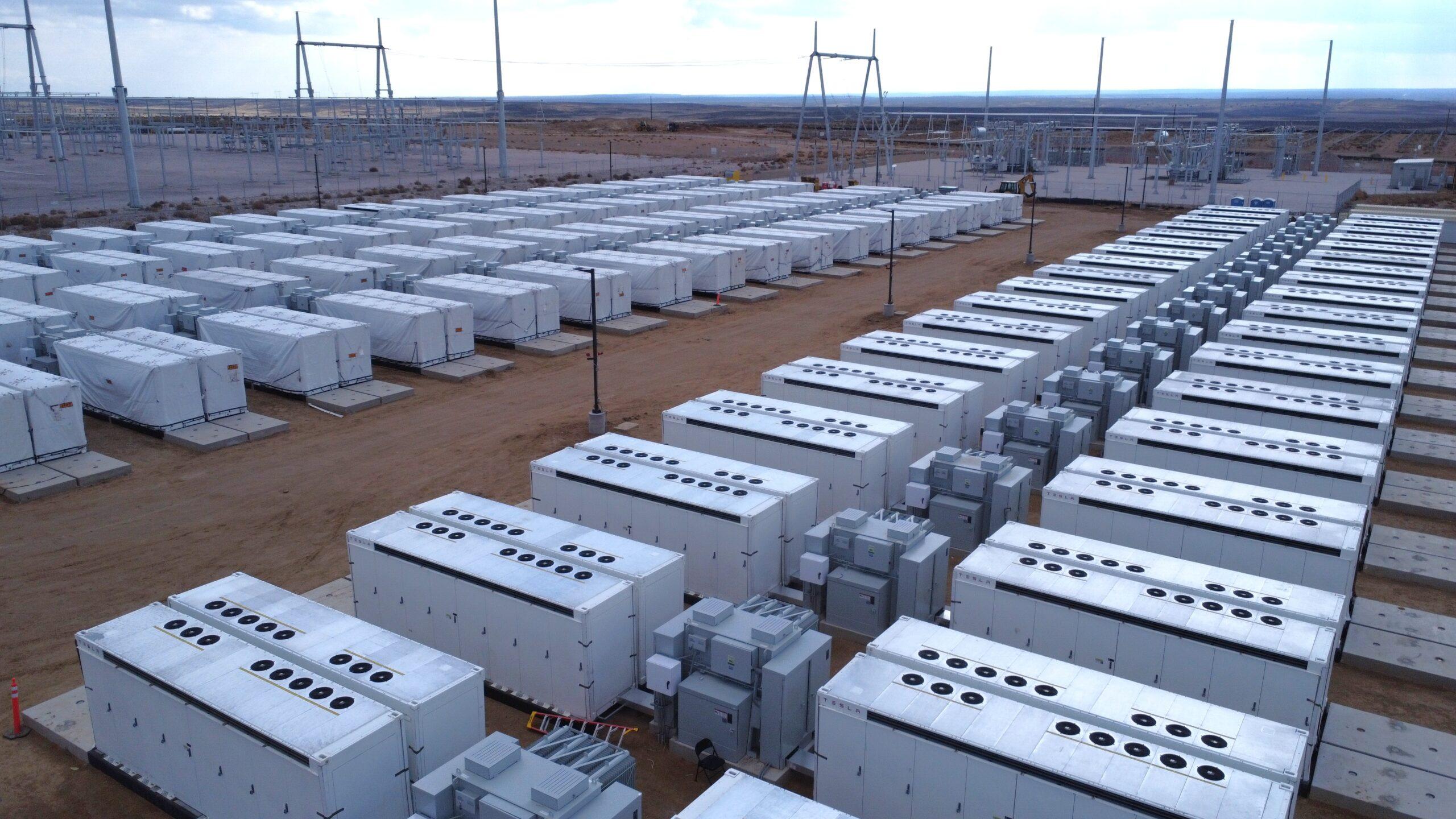
The first Peak+ contract draws 270 MW from existing reactors. Constellation has not said whether new capacity backs it, or how much.
Illustration (AI-generated)
The investor presentation frames the product around peak hours. It says Peak+ is meant to manage a small number of peak-demand hours while large loads connect quickly, making fuller use of underused grid assets. Constellation puts the average capacity factor of combined-cycle gas plants in PJM and ERCOT at about 60% over five years. Dominguez also told analysts that selling uprates has not used up the company's ability to contract its existing fleet.
What the slides price
Constellation's third-quarter earnings presentation, filed with its Nov. 9 8-K, puts premium pricing for nuclear power purchase agreements at $20/MWh to $50/MWh above the floor set by the federal nuclear production tax credit (PTC), as a 2032 estimate. A later slide shows the same band as an opportunity case for a 1 GW nuclear PPA, not a signed price. On the same slide as the premium, Constellation estimates the levelized cost of a new combined-cycle gas plant in eastern PJM at $110/MWh to $130/MWh by 2032, assuming a build cost of about $3,000/kW. Both are Constellation's own estimates, not independent figures.
The slide lists Peak+ as one of three routes to such premium long-term agreements, next to corporate, state and utility procurements and colocation on powered land. Its footnote ties the $20/MWh to $50/MWh band to nuclear power purchase agreements generally; the slides give no separate price for Peak+.
How the nuclear PTC floor sets prices
The federal nuclear production tax credit works as a revenue floor. In 2026 a unit can claim up to $15.00/MWh, cut by 80% of gross receipts above $26.00/MWh and gone entirely above $44.75/MWh, Constellation's investor presentation says. In its example, a unit earning $35.00/MWh gets $7.80/MWh of credit, for $42.80/MWh in total.
Constellation's $20/MWh to $50/MWh figure is a premium over that floor for nuclear power purchase agreements. It is not a full price, so it cannot be read directly against the $110/MWh to $130/MWh it estimates for new eastern-PJM gas. The credit is in effect through 2032, and the slides give no Peak+ price, so buyers cannot yet tell what a Peak+ megawatt costs.
What is not confirmed yet
Constellation has not named the customer, the plants that will supply the 270 MW, or the batteries, demand response or generation, if any, behind the capacity side. Their size and sites are not disclosed either, and neither is the contract price. Separately, Dominguez said the restart of the Crane Clean Energy Center, which supplies Microsoft under its own contract, is on track for the second half of 2027, a Constellation target that still needs NRC approvals; Utility Dive reported that the first fuel assemblies and transformers are on site.