Merck Opens Korea Molybdenum Precursor Plant, Plans DRAM and Logic Use
Merck's Eumseong plant makes molybdenum dioxide dichloride for NAND word lines, with customer supply due later this year; capacity and investment are undisclosed.
2 min readAI-assisted

Merck opened the Eumseong plant on Oct 22; capacity and investment figures were not disclosed.
Illustration (AI-generated)
Germany's Merck opened a molybdenum precursor plant in Eumseong, South Korea, on Oct. 22 and said it plans to extend the material from NAND flash to DRAM and logic chips, with customer supply due later this year. The Korea Times describes DRAM and logic as potential applications; adoption today is mainly in NAND.
The Korea Times reported that the facility makes molybdenum dioxide dichloride, a precursor used in chemical vapor deposition and atomic layer deposition. At an Oct. 21 press conference, Bing Han, senior vice president of the Thin Film Materials business at Merck Electronics, said: "We will expand molybdenum applications from NAND to DRAM and logic," according to The Elec.
Merck did not disclose capacity or investment figures. Han said the company plans enough capacity to meet all demand from Korean customers and will later support customers elsewhere in Asia. Merck also keeps a production base in the United States so it does not rely on a single site.
Why Molybdenum Is Replacing Tungsten in Chip Wiring
Memory chips use metal lines to carry current to each cell, and tungsten has done that job for years. Tungsten typically needs a high-resistance barrier layer, which takes up room inside narrow channels, Lam Research's Kaihan Ashtiani told SemiEngineering. As NAND stacks get taller, The Elec reports, those lines narrow and tungsten's resistance rises, which slows signals.
Molybdenum can reach lower resistance in scaled-down word lines, The Elec reports, and Lam says it needs no barrier liner. Merck's Han makes the same barrier-free claim, which leaves more of each line for metal. Samsung Electronics began using molybdenum in 200-layer-class NAND in 2024, and SK hynix has replaced some word-line materials with it in 300-layer-class NAND, according to The Elec.

Lam Research and Merck say molybdenum needs no barrier liner, leaving more of each narrow word line for metal; the claims are the companies' own.
Illustration (AI-generated)
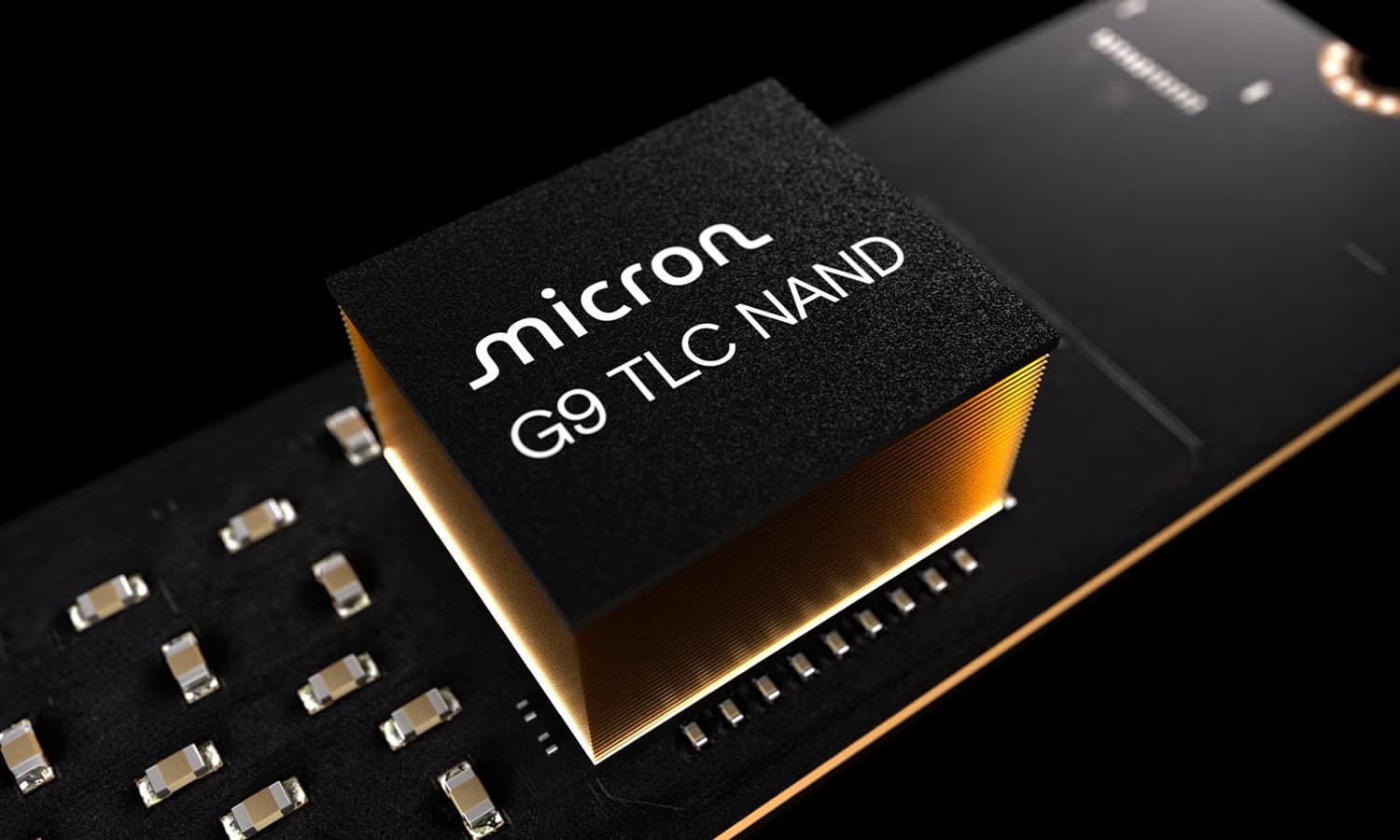
Taller NAND stacks are the route to higher-capacity SSDs. Micron outlined a G11 NAND with more than 400 layers at an October technology briefing, TechSpot reported on Oct. 23; the product is a roadmap item with production reportedly in the second half of 2027. Merck calls its Korean plant a local-for-local approach, within an hour's drive of customer fabs, CEO Benjamin Hein said, according to the Korea Times.
Turnkey supply from Eumseong and Ansan
Merck pairs the precursor with its CHEMKEEPER Vapor 200 delivery system, built in Ansan. Molybdenum precursors are solid at room temperature, so the system heats them into gas and holds temperature and pressure steady on the way to the deposition chamber. Merck says its containers let more than 99% of the contents be used. Hein, CEO of Merck Electronics, said customers want a single package that includes installation services rather than separate purchases.
Construction began in 2024, The Elec reported, on land next to the M Chemicals plant that Merck bought in 2023. Han said Merck is working with the major equipment makers on molybdenum deposition; Lam Research, Tokyo Electron and Applied Materials are among the suppliers of such tools, per The Elec.
What is not confirmed yet
Merck has not said how much molybdenum precursor the plant can produce, how much it cost, or when DRAM and logic customers will qualify the material. Hein said supply from the facility is expected to begin later this year, and the company is reviewing capacity with customers because he expects semiconductor materials consumption to be "potentially doubling" within five years. Those are company expectations. Kim Woo-kyu, managing director of Merck Korea, said semiconductors are a conservative industry that requires extensive validation of new materials.