Midterm Data Center Ads Hit $173M, Nearly All Negative
Midterm data center ads reached $173 million, almost none favorable, AdImpact data reported by Axios on Oct. 31 show. Democrats spent $140 million, Republicans $28 million and independents $5 million.
Chips & Power DeskEdited by Ege Erten
3 min readAI-assisted
Follows our story: US Midterms Poll Finds 69% of Democrats Back Data Center Limits
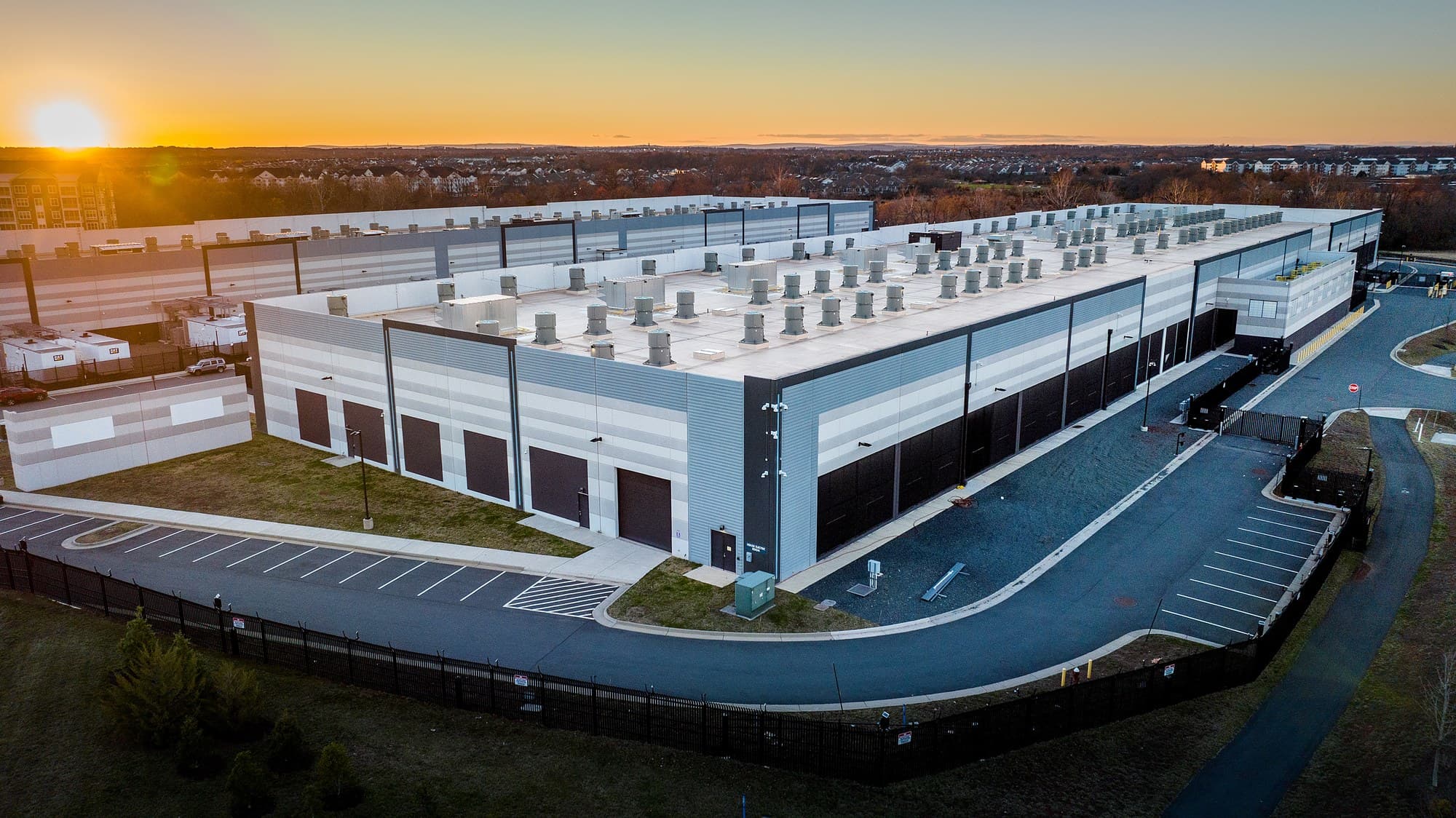
An Amazon Web Services data center, illustrative; not a site named in the AdImpact data (Amazon).
Image: Amazon
Source · Press image from the Amazon newsroom, used for news reporting.
Midterm data center ads have reached $173 million, almost all of them negative, according to AdImpact data reported by Axios on Oct. 31, 2026. The money comes from campaigns and outside groups in the general election, and the midterms are on Nov. 3. Democrats spent $140 million, Republicans $28 million and independents $5 million, Axios reported. Asked by Axios, AdImpact said it could not identify any commercial making an overtly positive case for data centers.
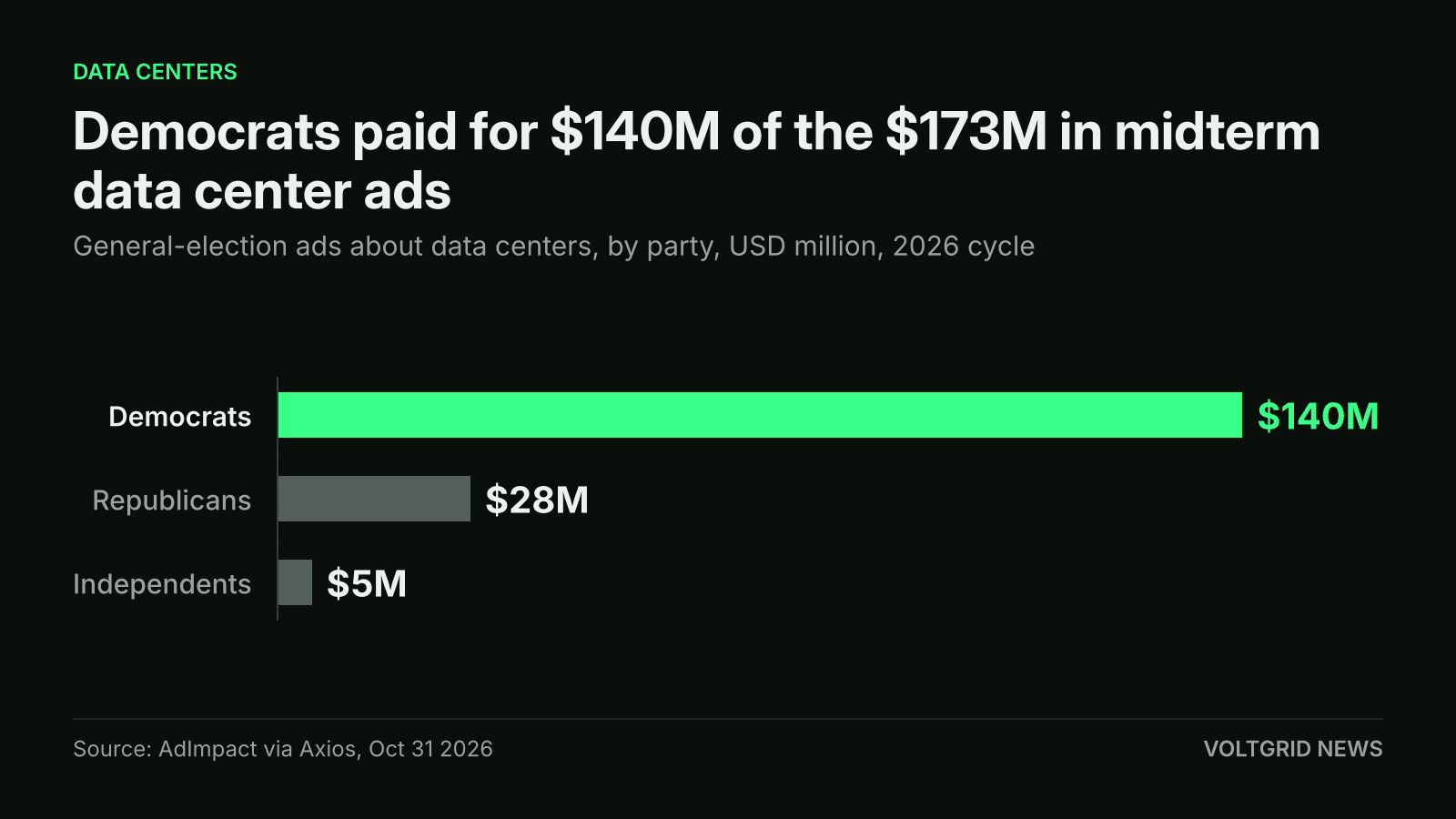
Democrats account for $140M of the $173M in data center ads, per AdImpact data reported by Axios.
Illustration (AI-generated)
About $95 million, more than half the total, went to four Rust Belt states: Ohio, Michigan, Wisconsin and Pennsylvania. Texas drew more than $11 million, the fifth-most nationally, and has the most planned data centers of any state, according to Cleanview, which Axios cited.
Why the Ad Spending Matters for Developers and Utilities
Where projects are queued, Axios put Ohio at 80 operating and 140 planned data centers per Cleanview, and Pennsylvania at 16 operating and 273 planned, third after Texas and Virginia. Democrats spent nearly $28 million on data center ads in Ohio and Republicans spent zero, Axios said.
TIME reported on Oct. 29 that $137.6 million had been spent on broadcast ads about data centers this cycle, with Democrats making up 77% of that estimated spending, according to AdImpact. The totals use different bases (TIME's is broadcast only) and are not one series.
The pressure is local as well as statewide. Axios said more than $4 million went to a state legislative race in the Philadelphia suburbs, where residents of Montgomery County have rebelled against a planned cluster of data centers, a total that rivals some of the biggest gubernatorial and Senate races. TIME described Ohio's Grove City, where voters will decide in November whether large developments need voter approval, and said more than 100 Ohio local governments have enacted moratoriums, a figure it attributed to reports.
What It Means for Siting, Permits, Tariffs and Power Deals
This follows our Oct. 22 report on midterm risk to data center timing, which found analysts expecting state and local rules, not Congress, to set the pace. Reuters counted at least 41 local ballot measures, 21 of them in Ohio, including a Sunbury proposal that could derail a $2 billion Amazon project.
For siting, the ads argue cost and local control, the same issues behind the local ballot measures. For permits, Texas has already paused and audited: TCEQ suspended 17 data center permits on Oct. 20. For power deals, Axios noted Republican Texas Gov. Greg Abbott is among those calling for restrictions. TIME reported that Ohio Republican Senate candidate Jon Husted sponsored a bill to make data centers pay for electrical-system upgrades, which Democrats blocked, and that Ohio gubernatorial candidates Amy Acton and Vivek Ramaswamy have each proposed that data centers cover their electricity costs. Large-load tariffs that make data centers bear grid upgrade costs are therefore a bipartisan talking point.
CMS Energy's chief executive said a Microsoft data center of up to 1 GW in Michigan could see more local permitting progress after the election, and that campaign spin does not equal reality.
What Is Not Confirmed Yet
The totals come from AdImpact as relayed by Axios and TIME. Neither article gives AdImpact's definition of a data center ad or its start date, and Voltgrid did not see AdImpact's own report. Election results are not in, and ad spending does not show how any measure will fare. No source links a ballot outcome to a specific project, utility tariff or power contract. After Nov. 3, watch the Ohio local measures, the Texas governor's audit of planned data centers and any new state large-load tariff filings.