Data Center Ballot Measures: 41 on US Midterm Ballots, 21 in Ohio
Voters in 10 states decide at least 41 data center ballot measures on Nov. 3, 21 of them in Ohio; Sunbury's 25 MW ban could derail Amazon's $2 billion project, Reuters reported.
Chips & Power DeskEdited by Ege Erten
2 min readAI-assisted
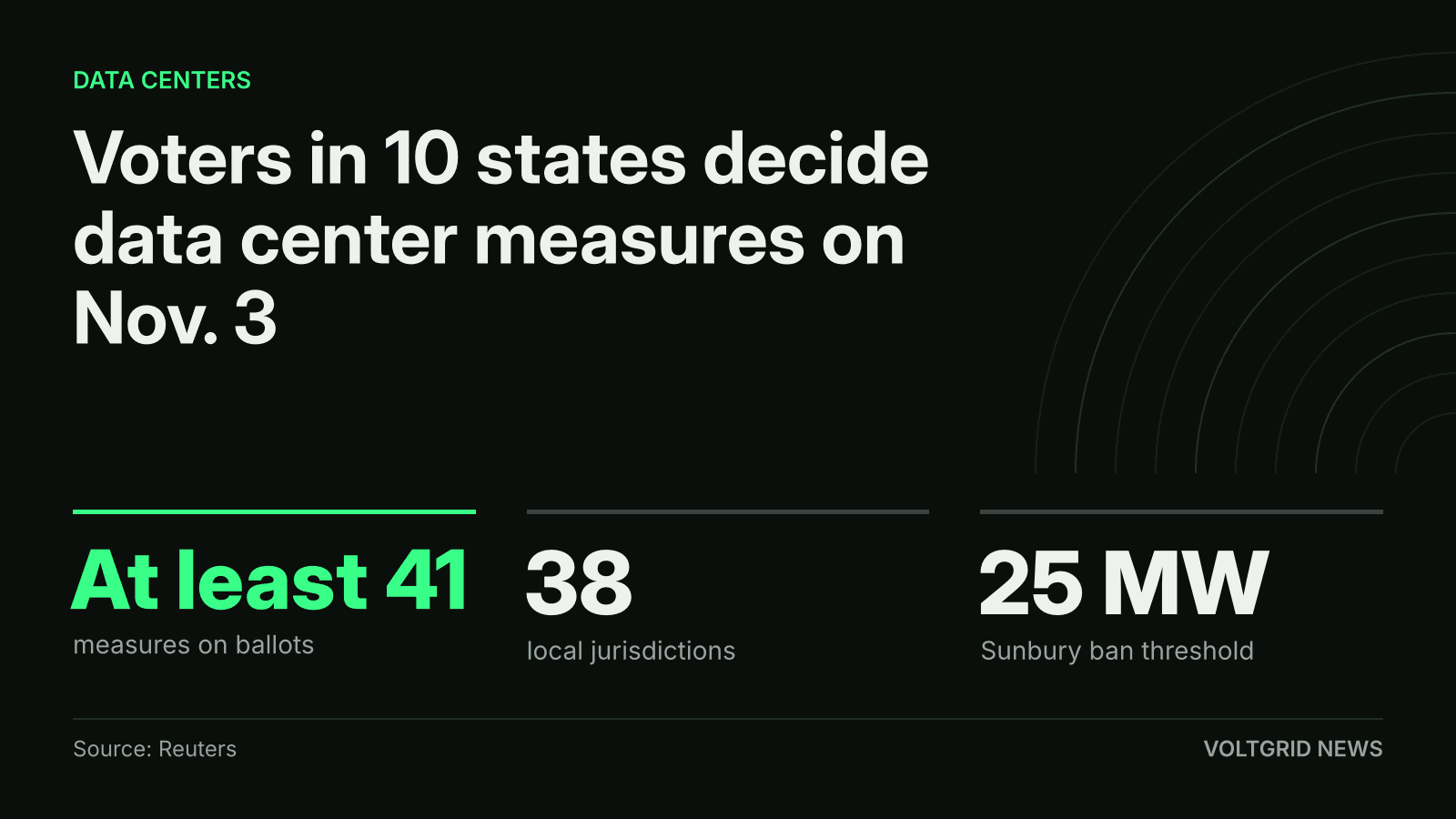
Voters in 10 US states decide data center measures on Nov. 3, according to Reuters.
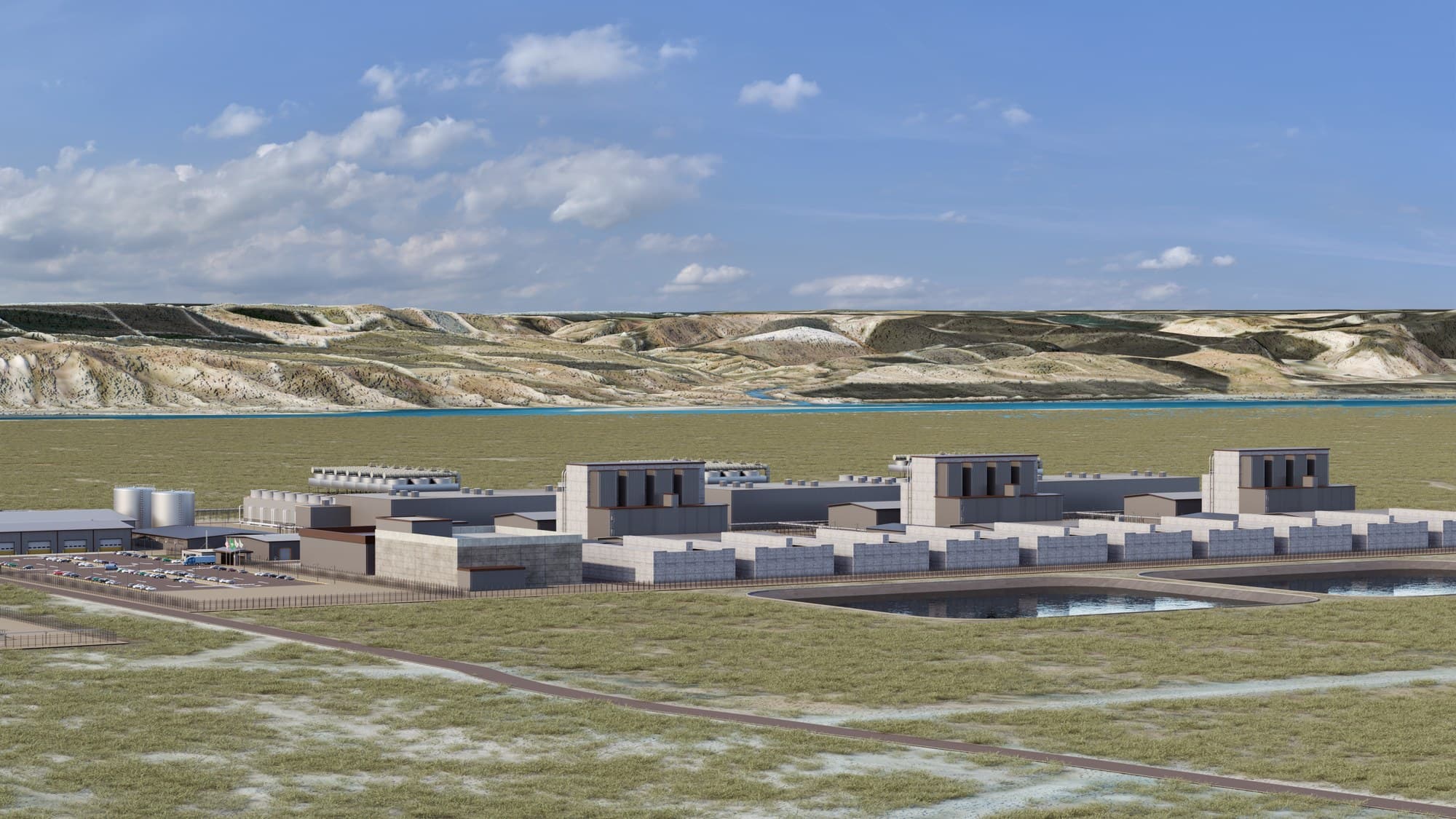
Illustration (AI-generated)
At least 41 data center ballot measures in 38 local jurisdictions will let voters in 10 US states decide on Nov. 3 whether to curb data center development in their communities, according to Reuters on Oct. 29.
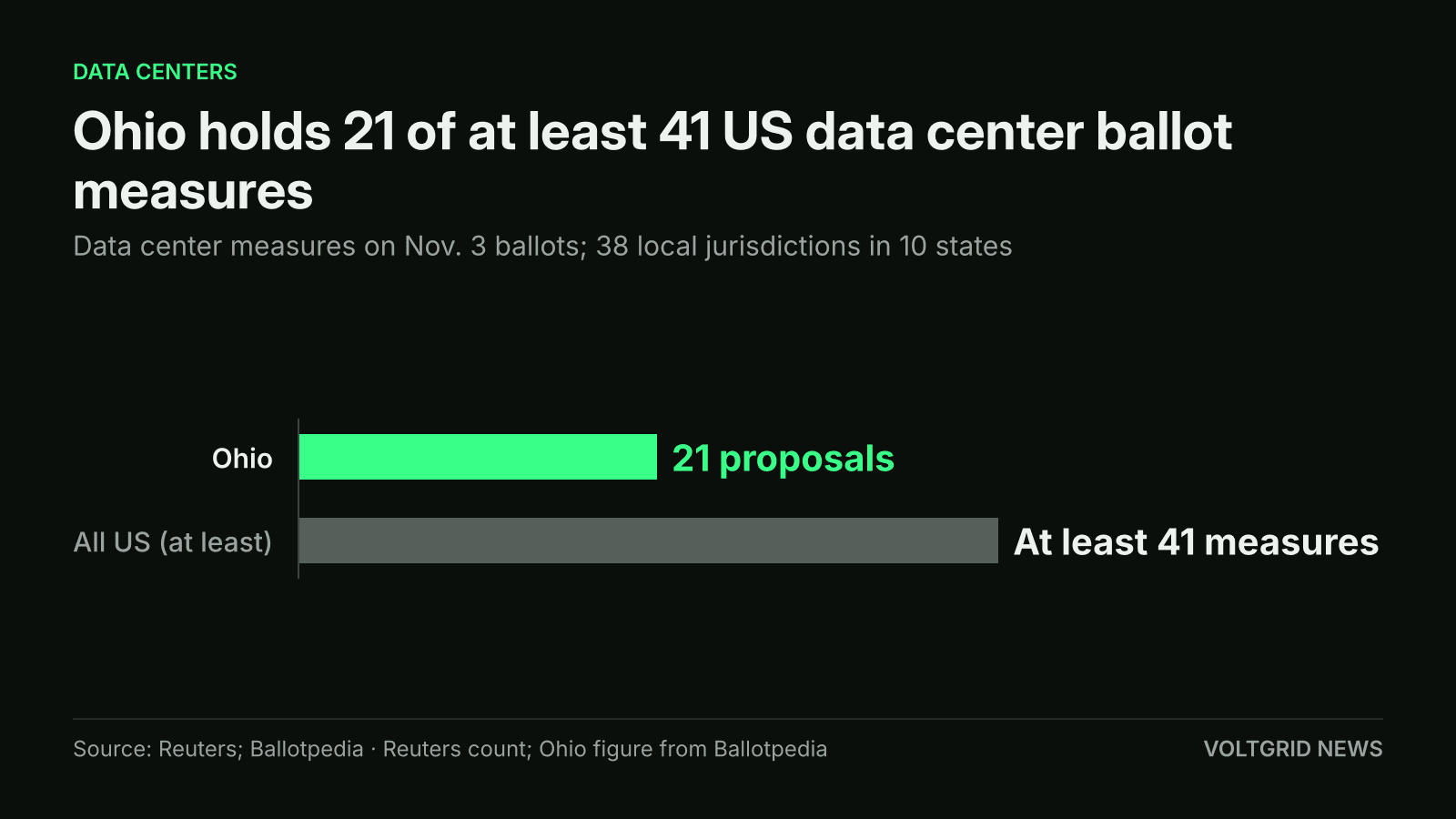
Ohio accounts for 21 of at least 41 data center ballot measures, per Reuters and Ballotpedia.
Illustration (AI-generated)
Ohio has more data center measures than any other state. Voters in more than a dozen Ohio jurisdictions will weigh 21 proposals alongside the midterm elections, Reuters said, citing the nonpartisan research group Ballotpedia. The measures would delay, prohibit or add requirements for data centers.
The most direct hit to a named project is in Sunbury, near Columbus. A measure there would ban data centers drawing more than 25 megawatts, which could derail Amazon's proposed $2 billion data center, Reuters reported. Amazon's public policy lead, Shannon Kellogg, went on local television in October to take questions about the project. An Amazon spokesperson declined to say whether the ballot measures would change the company's expansion plans, adding that its commitment to host communities stays the same regardless of the outcome of any single measure.
What Opponents and Analysts Say About the Ballot Measures
Jessica Baker, an organizer with the advocacy group Conserve Ohio, told Reuters that support for banning certain data centers comes from both Democrats and Republicans. She said electricity and water demand drive the opposition, and that residents still object when developers plan their own power from gas turbines or nuclear reactors, citing health worries such as asthma in children.
Baron Fung, who covers IT infrastructure research at Dell'Oro Group, said that if Ohio voters approve restrictions, developers are more likely to move projects than abandon them. The industry already faces years-long waits for grid connections and rising construction costs, Reuters noted. Where a site is cancelled or delayed, Fung said, developers can potentially shift some of that demand to another site.
Why Ballot Measures Matter for Data Center Capacity and Power
The ballot box is a siting risk rather than a demand signal. Cushman & Wakefield's John McWilliams told Reuters that US data center capacity under construction grew 48% between December 2025 and June 2026, measured in gigawatts, so local friction has not yet slowed the overall pipeline. Fung's logic implies a yes vote in Sunbury would more likely move a project to another site, and another utility's interconnection queue, than shrink the national total; Reuters did not report Amazon's plans on that point.
Earlier Voltgrid coverage showed how the politics were building. A Reuters/Ipsos poll cited in Voltgrid's Oct. 22 report on midterm risk found 69% of Democratic registered voters backing limits on data center construction, against 43% of Republicans. The Oct. 29 Reuters count adds named measures to that poll. On Oct. 28, CMS Energy's chief executive said zoning on a Microsoft site of up to 1 GW in Michigan could see more progress after the election.
What Is Not Confirmed Before the Midterm Vote
No results exist until the polls close on Nov. 3, and Reuters did not itemize every measure in the report. Whether Amazon would pause, relocate or redesign the Sunbury project after a yes vote is not stated; the company declined to comment on its plans. Watch which Ohio jurisdictions approve caps, and whether developers then name replacement sites.