Nova Scotia Protests Seek Moratorium on 420 MW Anthropic Data Centre
Nearly 1,000 marched in Halifax on Nov. 7 against EverWind's Point Tupper campus, leased to Anthropic and set to draw 95 MW in 2027 and 420 MW by mid-2028, as the premier holds to existing rules.
Chips & Power DeskEdited by Ege Erten
3 min readAI-assisted
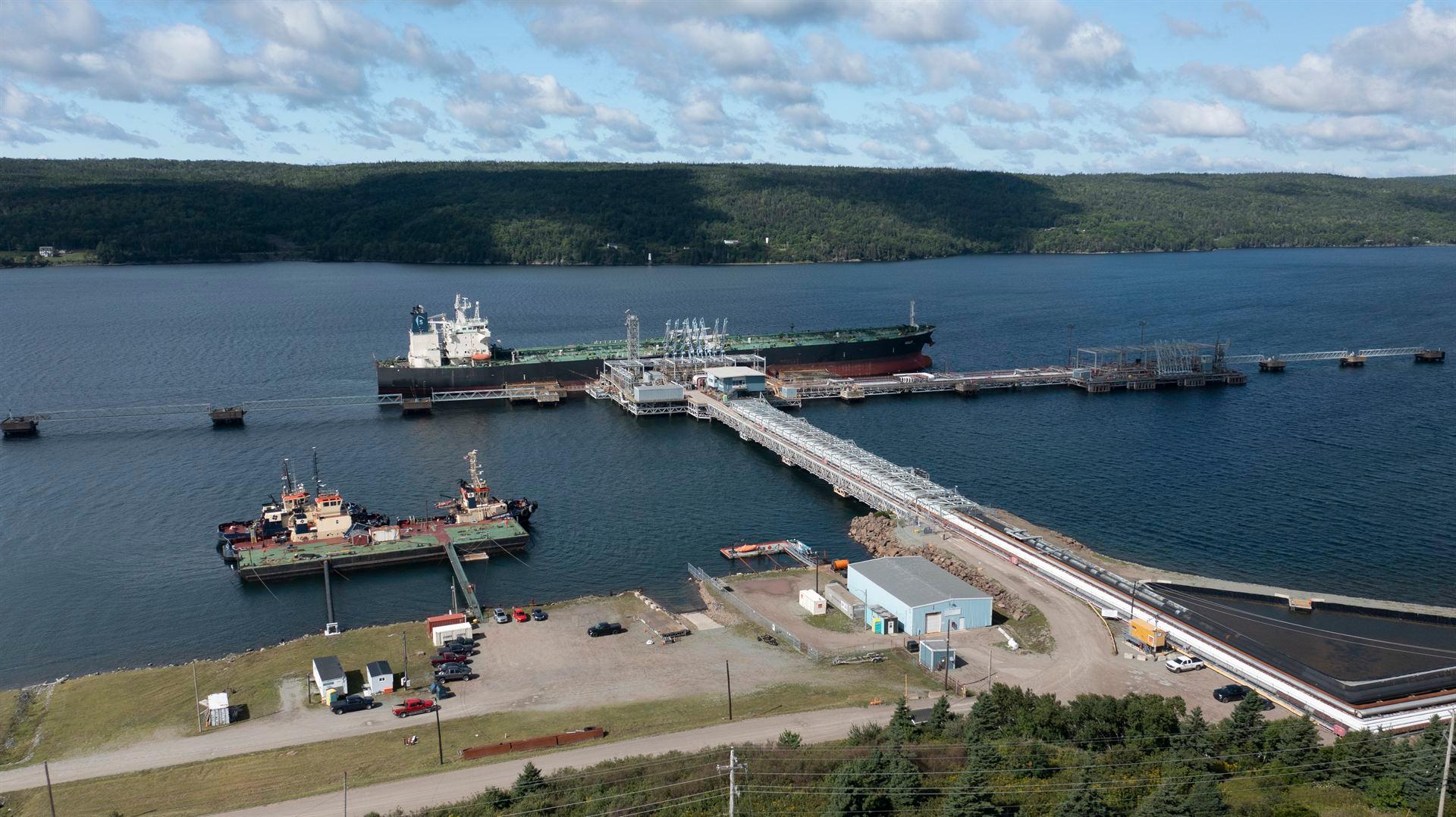
EverWind's marine terminal at Point Tupper, Richmond County, Nova Scotia, the site of the proposed data centre campus (EverWind Fuels).
Image: EverWind Fuels
Source · Press image from the EverWind Fuels website, used for news reporting.
Nearly 1,000 people marched through downtown Halifax on Saturday, Nov. 7, 2026, one of at least seven protests across Nova Scotia demanding a moratorium on large-scale AI data centres, The Canadian Press reported.
The rallies target EverWind Fuels' proposed data centre at Point Tupper in southern Cape Breton. EverWind announced on Oct. 16 that it would lease the 18,600-square-metre facility to Anthropic, which signed a 20-year lease and will use it for its Claude assistant. EverWind calls the $10-billion plan the largest private investment in provincial history.
Premier Tim Houston's office said the data centre will proceed only if it meets provincial and federal guidelines, which it said cover water, the environment, power rates and capacity. It added that the province would be open to legislative changes "should we find ourselves in a situation where we require them." Houston has said he does not know whether new legislation is needed.
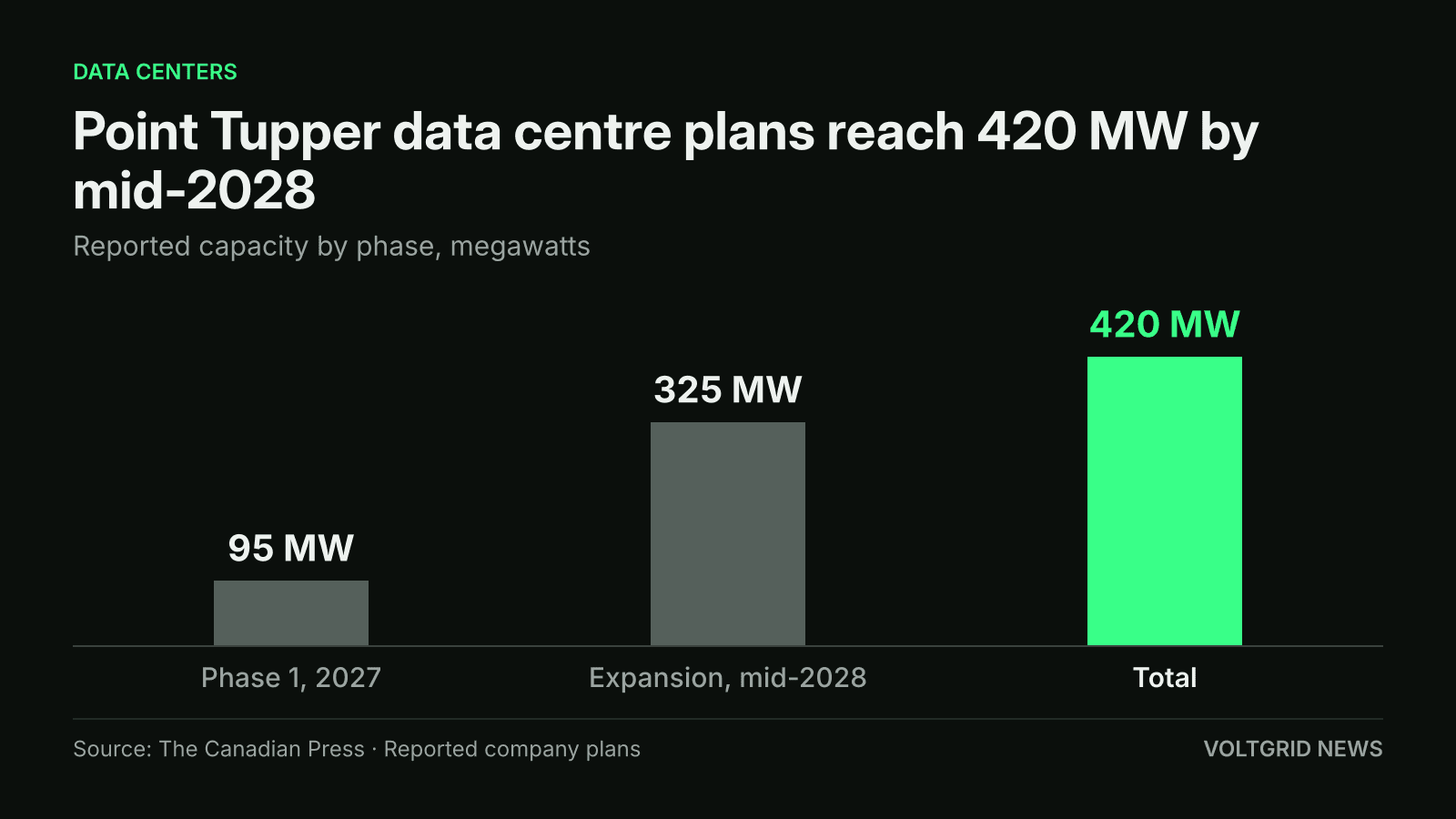
Reported plans put the Point Tupper campus at 420 MW in total once the mid-2028 expansion is added to the 95 MW first phase.
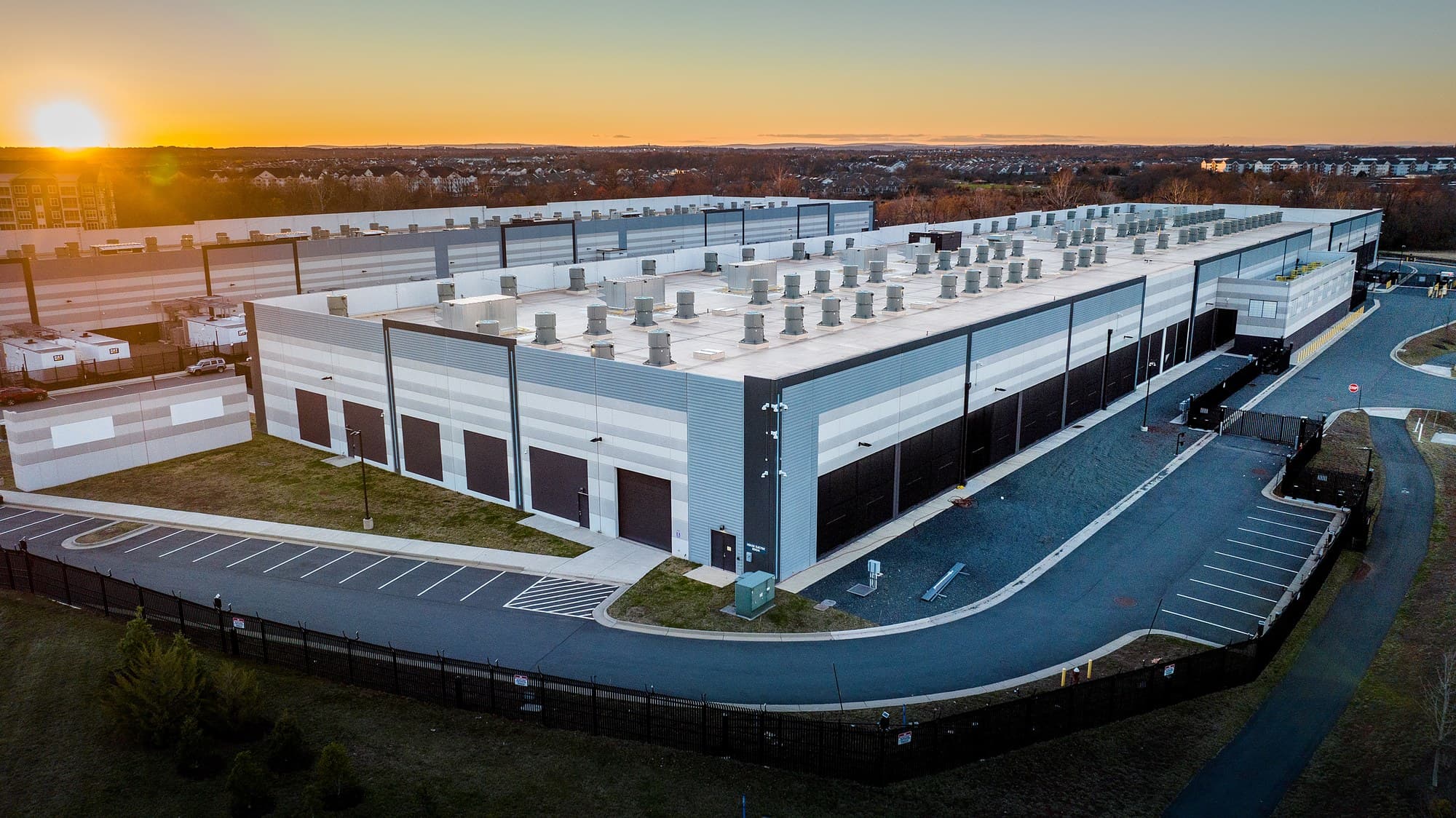
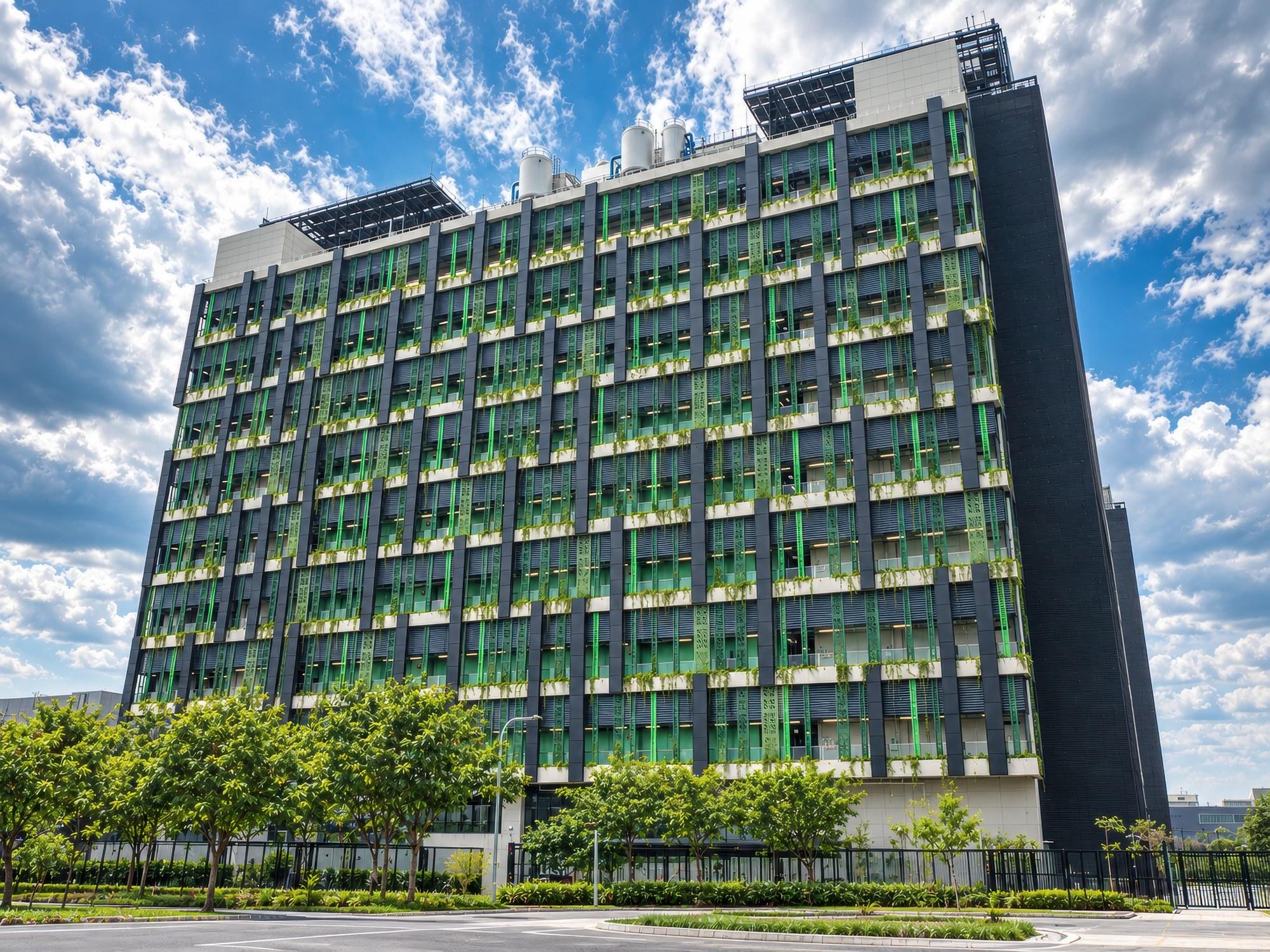
Illustration (AI-generated)
For Nova Scotia's grid, the size of the load is the issue. The campus is expected to come online in 2027 and draw 95 megawatts of electricity in its first phase. A 325-megawatt expansion is scheduled for mid-2028, which would take total demand to 420 megawatts. EverWind says it will pay for all electricity infrastructure and that the project will not raise power rates for customers.
Water, permits and the protesters' case
Cooling water would come from Landrie Lake, which also supplies the town of Port Hawkesbury. The system would use an average of 100,000 litres a day in the first phase and 500,000 litres a day in the next, according to The Canadian Press.
Environment Minister Timothy Halman said earlier this month that the project needs an industrial approval rather than a full environmental impact assessment, which he called a robust tool for safe construction and operation. Organizer Ned Zimmerman, a tech worker from Dartmouth, said those guidelines are not enough for a project of this scale and that community consultation began only after the announcement. Another organizer, Ashley Drodge, pointed to the lack of binding regulations for AI data centres.
A Change.org petition to stop AI data centre development in the province had gathered nearly 28,000 signatures. EverWind did not respond to The Canadian Press about the protest, but held two information sessions in Cape Breton earlier in the week. Some attendees said they left with unanswered questions, and the company's engagement director said more consultations would follow.
A moratorium fight with few precedents at this scale
Local data-centre moratoriums have so far been municipal and short. Mooresville, North Carolina approved a 12-month pause, and San Diego's council passed a 45-day moratorium. In Texas, Hinojosa pledged a data center moratorium, as Voltgrid reported. The Nova Scotia call is for a province-wide pause on proposals, and the campus at the centre of it plans a second phase more than three times the size of its first.
What is not confirmed yet
No province-wide turnout total was published; the Halifax crowd is a Canadian Press estimate, and organizers' count of seven protests is a minimum. Reports do not say whether the province will act on a moratorium, and the premier's office has pointed only to existing guidelines. The reports read here do not give a position from Nova Scotia Power on supplying the 95 MW first phase or the 420 MW total, and they name no other developer's proposal by site and size. Costs are also reported differently: Lighthouse Radio, citing EverWind's October announcement, put about $8 billion on the data centre and $2 billion on wind projects within the $10-billion total.