NVIDIA Board Opens Independent Probe Into CEO Jensen Huang Spy Reports
NVIDIA's board said on Nov. 8 that a committee of independent directors and outside counsel will oversee the inquiry. It has no reason to believe national security or company secrets were compromised.
Chips & Power DeskEdited by Ege Erten
2 min readAI-assisted
Follows our story: NVIDIA CEO Jensen Huang: China Reportedly Recruited Megaspeed Executive
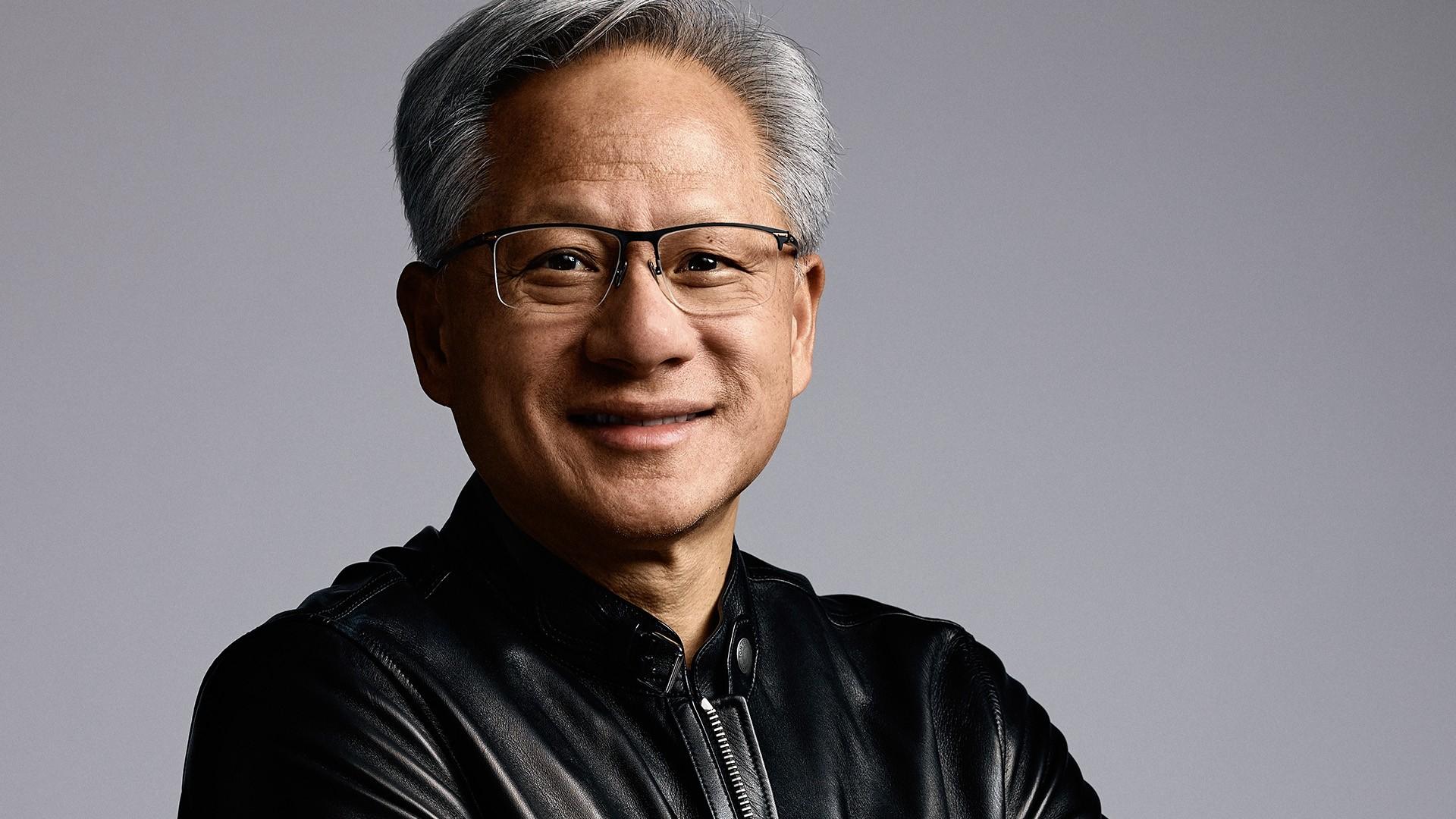
NVIDIA founder and CEO Jensen Huang, in the official portrait from the company's newsroom. The photo is a file image and does not show the board statement.
Image: NVIDIA
Source · Press image from the NVIDIA newsroom, used for news reporting.
NVIDIA's board of directors said on Nov. 8 that it is opening an independent investigation after reports that NVIDIA CEO Jensen Huang, the company's founder, was the target of a foreign intelligence effort, according to a statement on the company's newsroom.
A committee of independent directors, assisted by outside independent counsel, will oversee the inquiry. The board said it "has no reason to believe" that either national security or NVIDIA secrets were compromised, but that the inquiry will examine all available information. CNBC, which reported the announcement on Sunday, tied it to the alleged Chinese spy at the centre of the earlier reports.
The statement is short. It calls U.S. national and economic security paramount to the interests of NVIDIA and its shareholders. It says Huang fully supports the review and has committed to cooperating with it. The board also said it has confidence in Huang and his leadership team and will provide further updates as appropriate. It gave no timetable, no names for the committee and no description of the counsel.
The statement does not name a country, a person or a company. It refers only to "recent reporting".
Timeline of the Jensen Huang Spy Reports
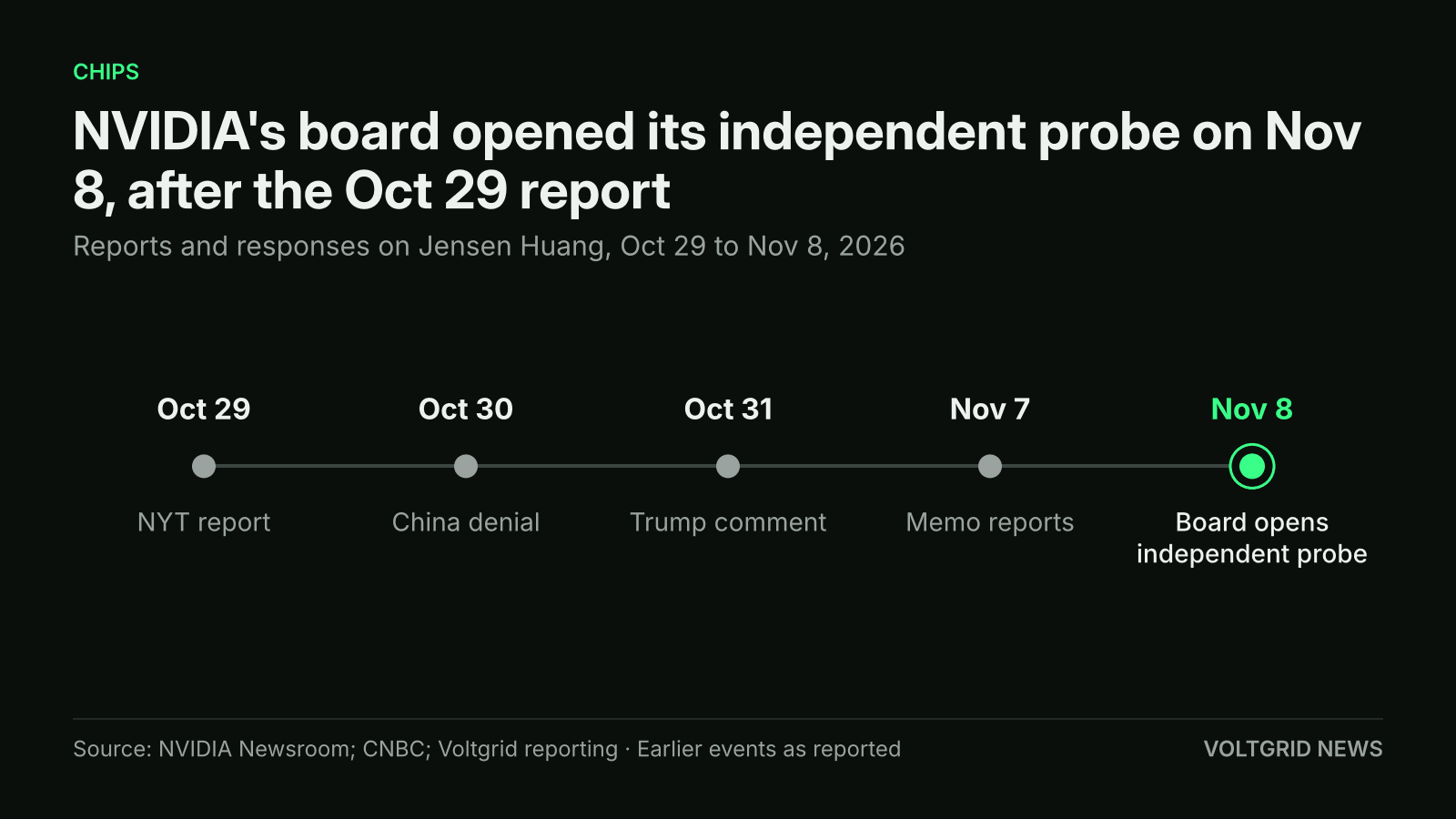
The board's Nov 8 statement follows a run of reports and responses that began with the Oct 29 NYT report, according to NVIDIA's newsroom and CNBC.
Illustration (AI-generated)
The reporting began on Oct. 29, when the New York Times said US intelligence agencies had concluded that Alice Huang, also known as Huang Le, a senior executive at Singapore-based data center company Megaspeed, was passing information to Beijing. Nvidia called the contacts routine, and China's foreign ministry rejected the report as groundless on Oct. 30. On Oct. 31, President Donald Trump said the US would check the report very closely, according to AFP.
On Nov. 7, TechCrunch and Engadget, citing the Times and the Financial Times, reported that a US intelligence memo says China's Ministry of State Security recruited her to gather information on Huang. Voltgrid covered those memo reports the same day. The memo has not been published, and the allegations remain unproven. Alice Huang is not related to Jensen Huang, according to AFP.
Why the Investigation Matters for NVIDIA
The board's step moves the matter from press accounts and an Nvidia spokesperson's denial to a formal governance process. The board's own wording is narrow: it concerns whether secrets or national security were compromised, not chip supply.
The exposure is policy. Huang has lobbied Washington to allow more chip sales to China, and the Nov. 7 reports linked the allegation to that lobbying. Senior House Republicans have also asked him to appear privately about the Times report and Nvidia's security protocols, according to the Nov. 7 reports.
What Is Not Confirmed Yet
The board has not said how long the investigation will run, whether its findings will be made public or what "further updates" will contain. No US agency has confirmed the Times account on the record, and Nvidia has not responded in the statement to the specific claims in the memo reports.
Watch for the committee's first update, a response to the House request, and any change to Nvidia's China licence conditions.