Tohoku Mn-Alloyed Aluminum Foil Anode Reaches 81% First-Cycle Efficiency
Tohoku University researchers say 1 at% manganese keeps an aluminum foil anode at 81% first-cycle efficiency, versus 56% with silicon, and extends half-cell life past 85 cycles.
2 min readAI-assisted

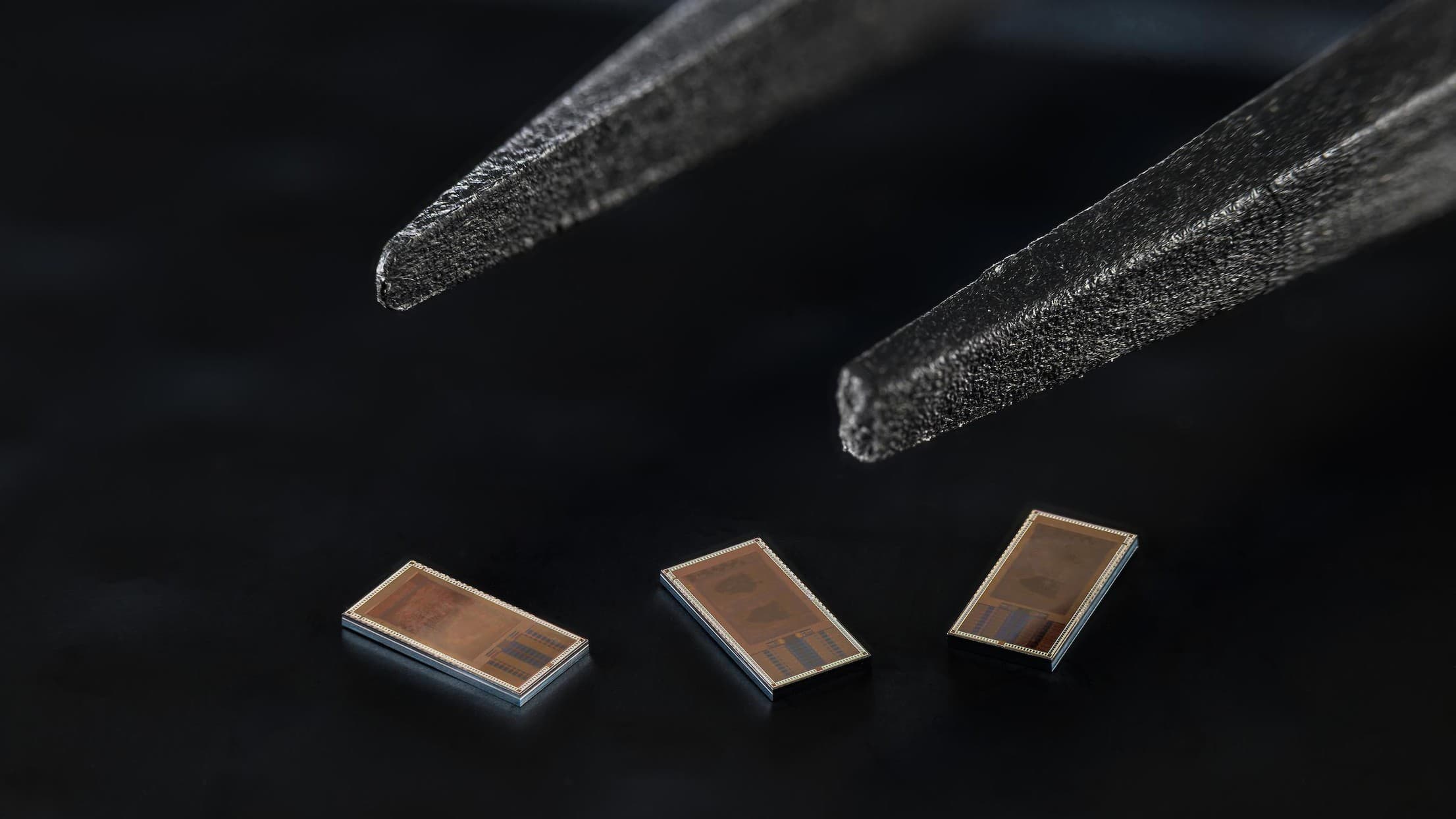
Tohoku University's Institute for Materials Research, where the aluminum foil anode work was done. The photo shows the institute, not the experiment.
Image: Tohoku University IMR
Source · Press image from the Tohoku University Institute for Materials Research website, used for news reporting.
Researchers at Tohoku University in Japan, working with Sumitomo Chemical and UACJ Corporation, report that adding 1 atomic percent manganese to aluminum foil lets an aluminum foil anode release its lithium far more completely. The Al-Mn foil kept an initial Coulombic efficiency (the share of lithium that comes back out on the first cycle) of 81%, against 56% for a silicon-alloyed foil, according to the peer-reviewed paper in Communications Materials, published on 23 October 2026.
Why Aluminum Foil Anodes Appeal to Battery Makers
An aluminum foil anode is a single sheet that works both as the lithium-storing material and as the current collector, which normally needs a separate copper foil. The authors say this means high electrode density, simpler fabrication and compatibility with roll-to-roll manufacturing. Their earlier work showed that the foil takes up lithium by swelling through its thickness without breaking.
The trouble comes when lithium leaves. A lithium-poor aluminum layer forms at the surface and blocks the lithium trapped deeper inside, so pure foil cracks and pores open up to let it out. Fresh surfaces then react with the electrolyte, and capacity fades.
How Manganese Alloying Changes Lithium Release
The team says manganese stays dissolved in the aluminum and slows lithium movement locally, so the lithium-aluminum domains stay small. The foil forms a fine mesh of grains whose boundaries act as short exit routes for lithium. Molecular dynamics simulations also showed that manganese narrows the gap between how easily lithium and aluminum atoms move in the lithium-aluminum phase. The result is a dense foil that empties without turning porous.
In coin-type half-cells with a lithium metal counter electrode, cycled at 1 mA per square centimeter, pure aluminum failed within 40 cycles. The silicon-alloyed foil lasted about 65 cycles, and the Al-Mn foil held its capacity for more than 85 cycles. The average Coulombic efficiency after the 10th cycle was 98% for Al-Mn, 97% for Al-Si and 88% for pure aluminum.

Manganese-alloyed foil lasted over 85 half-cell cycles, against about 65 for Al-Si and within 40 for pure aluminum, according to the paper.
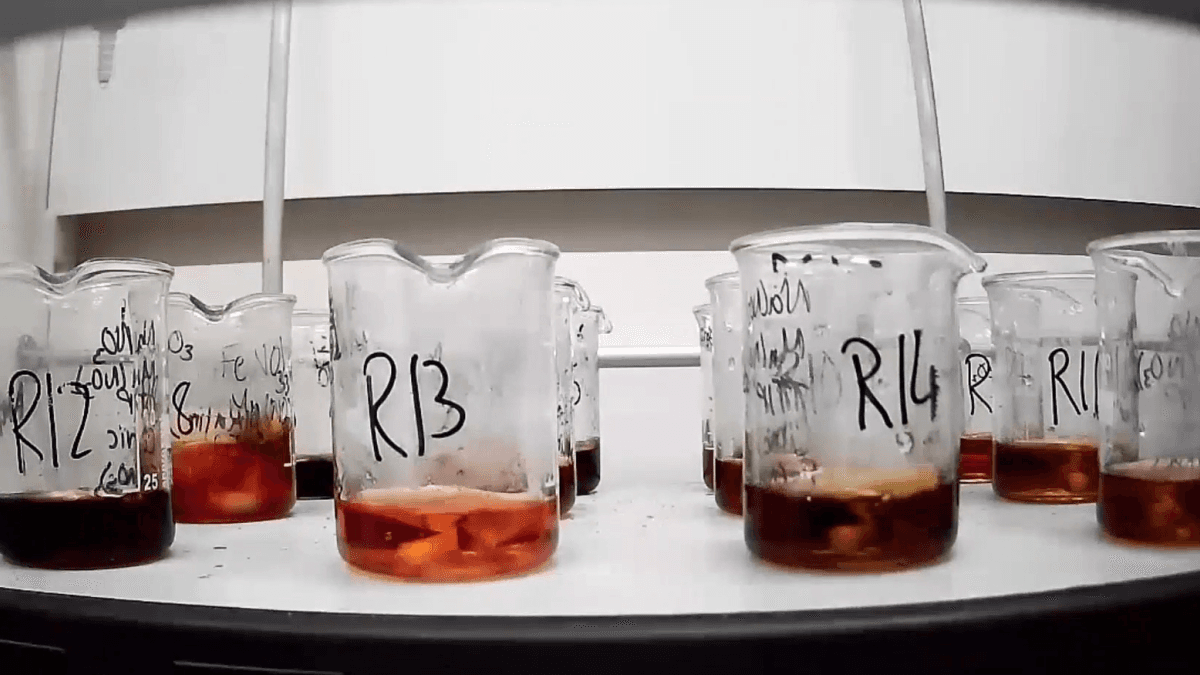
Illustration (AI-generated)
The authors also built full cells against a commercial lithium iron phosphate cathode, without pre-lithiation, using an ether-based electrolyte. The Al-Mn cell kept an average efficiency of about 99.3% and retained roughly 0.25 mAh per square centimeter after 200 cycles.
What Is Still Unsolved for Commercial Cells
These are lab coin cells, and the full-cell result relied on a specialized concentrated electrolyte chosen to limit side reactions. The authors say the foil still degrades from the surface and builds up electrolyte-derived deposits over time. They say a protective coating will be needed to approach commercial lifetimes, and they suggest the dense structure could suit solid electrolytes. The paper gives no product timeline.
For battery makers the point is manufacturing: a one-sheet anode could remove the separate copper current collector. Whether the cycle counts can climb far beyond these lab figures remains to be shown. Voltgrid News reported earlier on Fraunhofer ISE's silicon-anode cells.