Turkey Candu Nuclear Plant: AtkinsRéalis, TÜNAŞ Sign 4.5 GW Study Deal
Turkey's TÜNAŞ and AtkinsRéalis's Candu Energy signed a feasibility and FEED agreement at COP31 in Antalya for a Candu nuclear plant of up to six reactors. No site is named and no contract is awarded.
Chips & Power DeskEdited by Ege Erten
3 min readAI-assisted
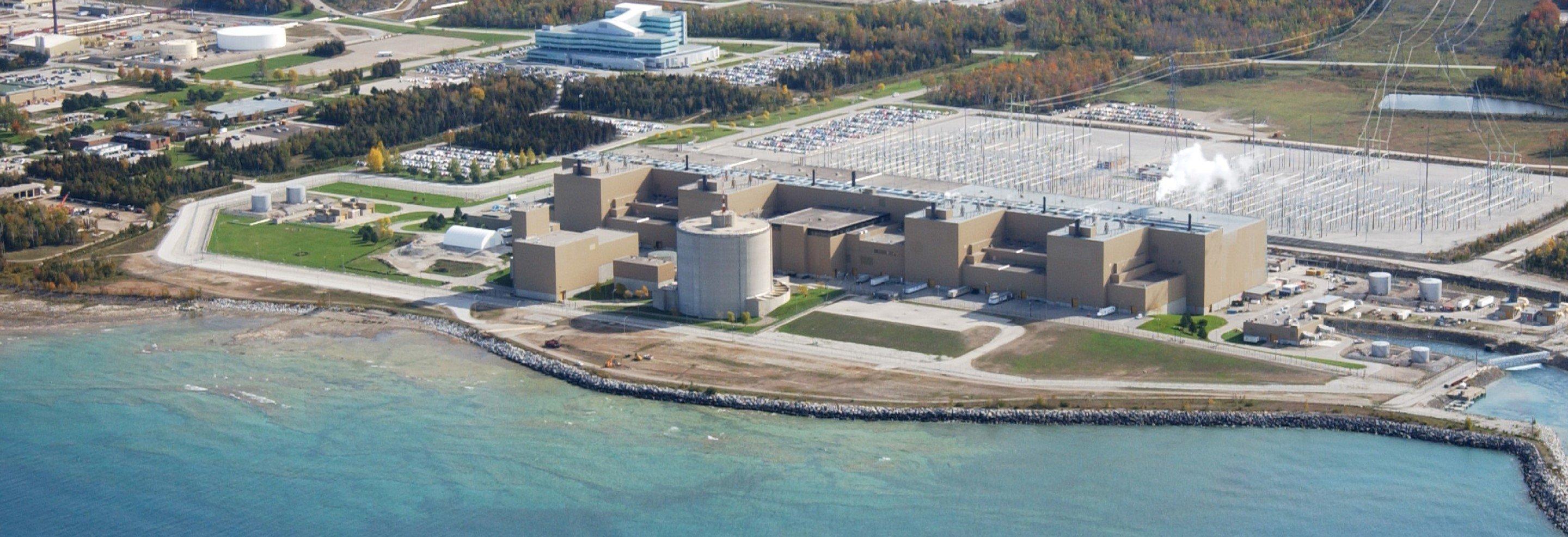
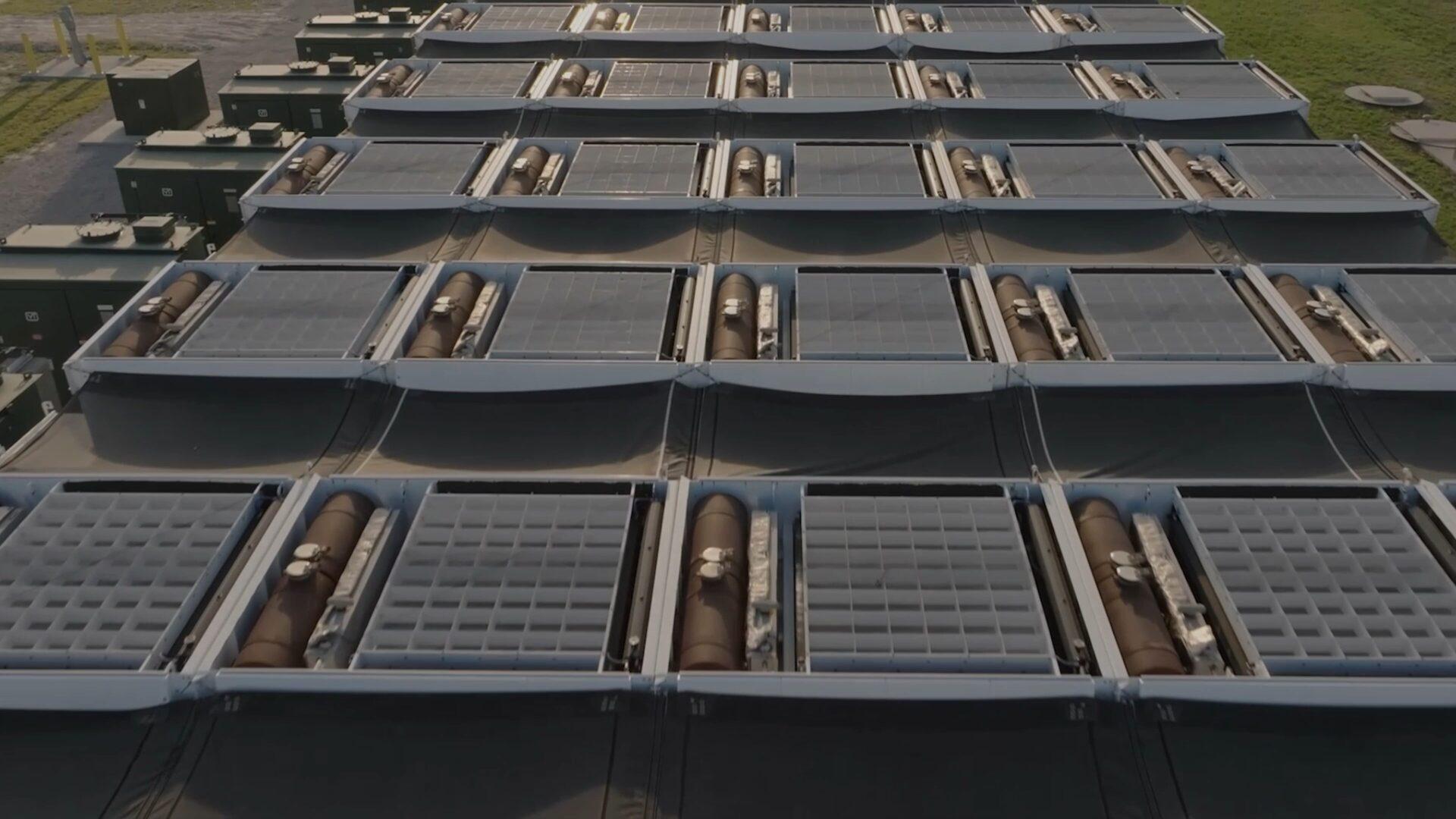
A Candu-technology nuclear station, shown on AtkinsRéalis's Candu technology page. It is not the proposed Turkish plant, which has no named site.
Image: AtkinsRéalis
Source · Press image from the AtkinsRéalis website, used for news reporting.
Canada's AtkinsRéalis said on Nov. 12 that its subsidiary Candu Energy signed a memorandum of agreement with Turkey's state-owned nuclear company TÜNAŞ for a feasibility study on a potential 4.5 GW Candu nuclear plant of up to six reactors in Turkey. It is a study agreement, not a construction decision.
According to Reuters, which quoted the company's statement, the agreement was signed on the sidelines of the COP31 climate summit in Antalya. AtkinsRéalis will carry out a feasibility study and front-end engineering and design (FEED) work for a potential multi-unit project. World Nuclear News reports that the work will cover the proposed site's characteristics, infrastructure needs, environmental considerations, funding options and how a local supply chain could be built.
Joe St. Julian, president of AtkinsRéalis's nuclear business, told Reuters the parties are discussing a six-unit plan for a 4.5-gigawatt plant, with an engineering design study planned by 2028 that would lead to a final investment decision. He also said the countries had agreed a roadmap for financing the project. AtkinsRéalis chief executive Ian Edwards said, as World Nuclear News reports, that the company would supply the reactor technology and about 35% to 40% of the overall capital cost, with the rest coming from Turkey.
How 4.5 GW Compares With Akkuyu and Turkey's 2040 Target
Turkey's only nuclear plant under construction is Akkuyu in Mersin province, where Russia's Rosatom is building four VVER-1200 reactors totalling 4,800 MWe under a build-own-operate model, according to World Nuclear News. When complete it is expected to meet about 10% of Turkey's electricity needs. Reuters notes that Rosatom now expects the first reactor to reach its first self-sustaining chain reaction before the end of this year.
On those figures a six-unit Candu plant would be close to Akkuyu in size. Added together, the two come to 9.3 GW, against the 10 GW of nuclear capacity by 2040 that Energy Minister Alparslan Bayraktar set out in the national energy plan, according to Reuters. He expects nuclear to supply 11% of electricity by then. The sources do not say whether 4.5 GW is net or gross, so treat the sum as a rough scale, not a plan.
A proposed six-unit Candu plant of 4.5 GW would be close to Akkuyu's 4.8 GW; net or gross is not stated.
Illustration (AI-generated)
The Candu proposal also sits beside other options. Turkey has plans for a second plant at Sinop on the Black Sea and has held talks with China about a third in Thrace, World Nuclear News says. It is also developing small modular reactor plans aiming at 5 GWe by 2050. Reuters reports that Ankara has said it is in talks with Canada, South Korea, Russia, Japan and China on a potential plant, and that Bayraktar has called 2027 a decision year for Sinop or Thrace.
What Is Still Unconfirmed on the Turkey Candu Plan
AtkinsRéalis did not name a site in its statement, according to Reuters. No contract for construction has been awarded, and the 4.5 GW, six-unit figure is a plan under discussion, not an agreed scope. The company's own release could not be read for this report, so the figures here come from Reuters and World Nuclear News, which attribute them to the company and its executives.
The sources also differ on timing. Reuters says the company's statement puts completion of the study at the end of 2027, while World Nuclear News quotes Edwards as saying the feasibility study is due in May. The sources do not say which May, so the date should be treated as unresolved until the company's release is available. Turkey has also not said which partner or technology it will pick for Sinop or Thrace.