AirTrunk Eyes Up to 610 MW of Hunter Solar and Wind for Kurri Kurri
AirTrunk signed an exclusivity deal with European Energy Australia for 260 MW solar, up to 350 MW wind and an 800+ MWh battery for its Kurri Kurri campus; no PPA is signed yet.
Chips & Power DeskEdited by Ege Erten
3 min readAI-assisted
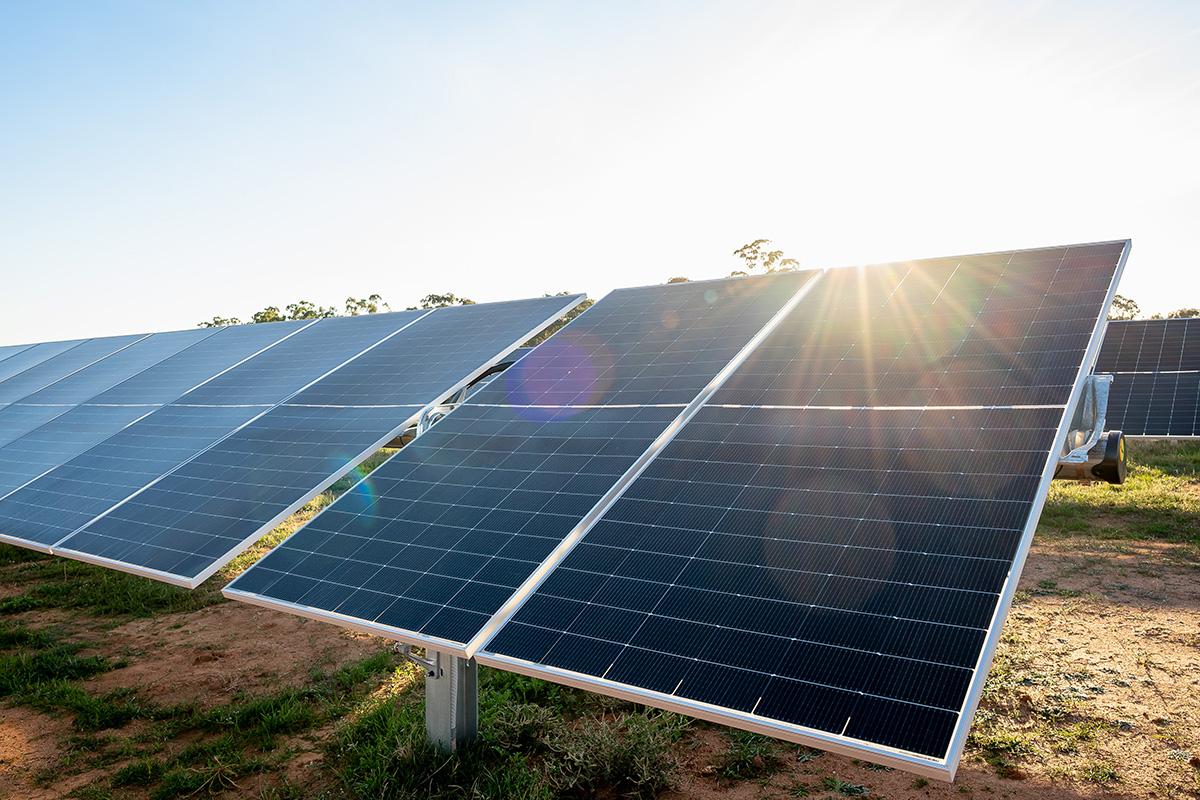
The operating 31 MW Mulwala Solar Farm in southern NSW, an earlier European Energy project. The new Hunter-Central Coast projects are proposed and have no photos yet.
Image: AirTrunk / European Energy Australia
Source · Press image from the AirTrunk newsroom, used for news reporting.
AirTrunk announced an exclusivity agreement with European Energy Australia on Nov. 12 (Australian time) to progress 260 MW of solar, up to 350 MW of wind and an 800+ MWh battery in New South Wales that would support its energy needs, including its proposed Kurri Kurri data center campus.
All three projects sit in the Hunter-Central Coast Renewable Energy Zone, according to AirTrunk's release. The solar farm and battery are targeted to operate from 2030 and the wind farm from 2032, connected to Ausgrid's upgraded 132 kV network, subject to final arrangements, approvals and technical assessments. No power purchase agreement (PPA) is signed: the companies say they are discussing a potential long-term one. No investment figure is disclosed.
This is separate from AirTrunk's Sydney financing: it closed a A$4.25 billion green loan from 32 lenders for its Sydney SYD3 campus, as Voltgrid reported on Oct. 28. The Kurri Kurri campus is a separate proposal on the former Hydro Aluminium smelter site at Loxford.
What the numbers add up to
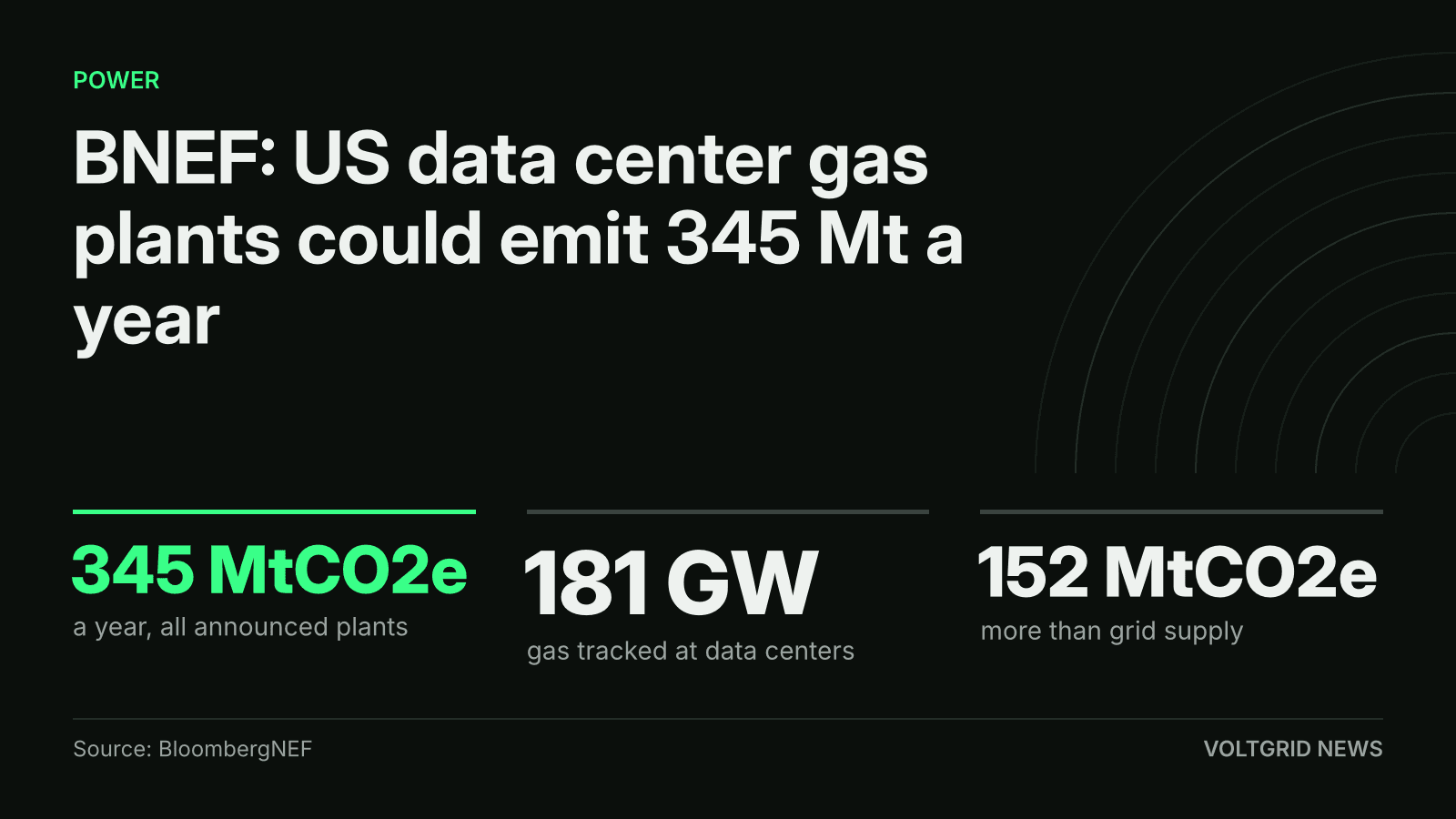
The proposed generation total of up to 610 MW is nameplate capacity, set against a reported 550.5 MW campus draw; the 800+ MWh battery is energy and is kept apart.
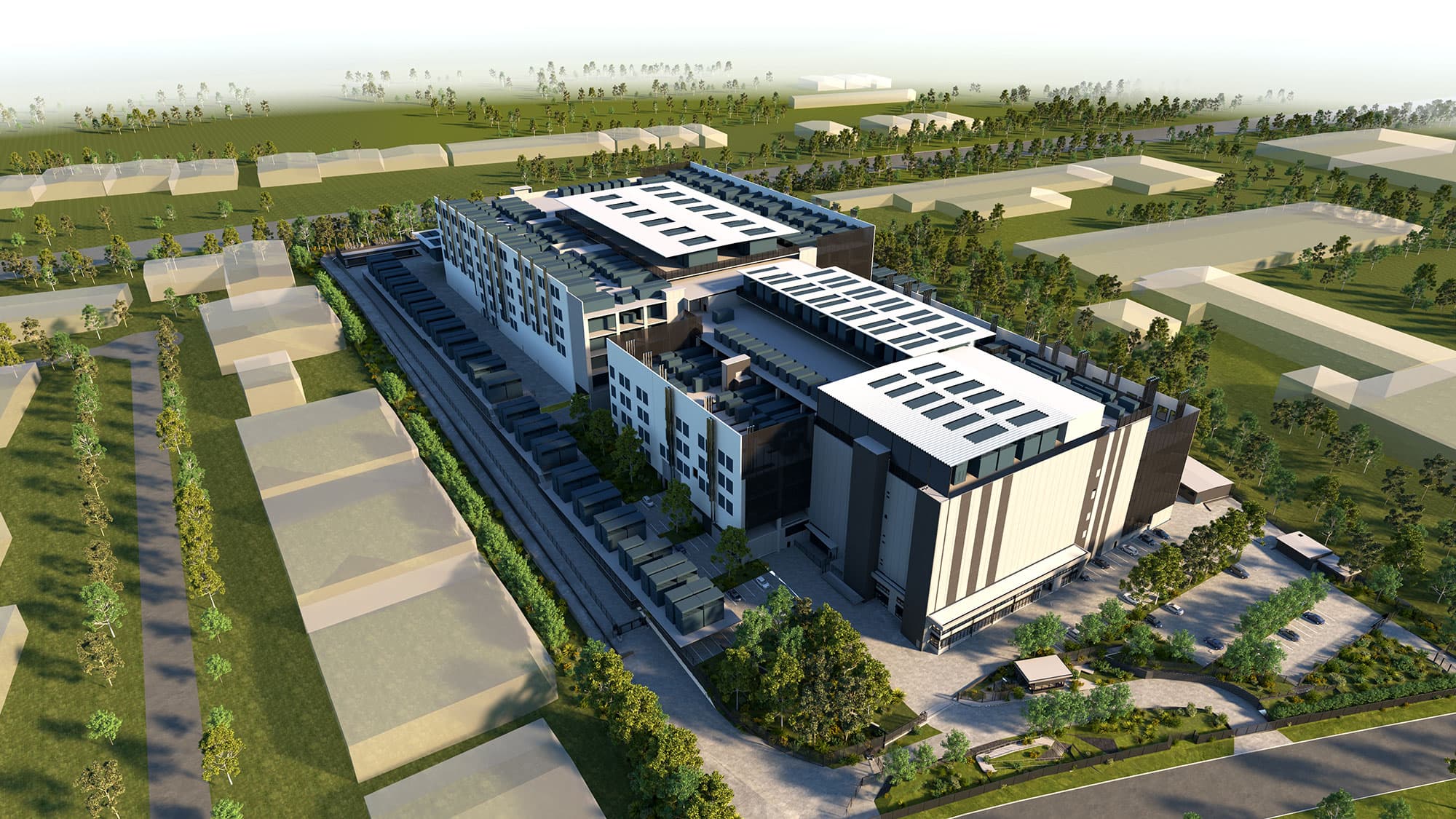
Illustration (AI-generated)
The two generation projects total up to 610 MW (260 MW plus 350 MW), the figure W.Media used. That is nameplate capacity, not delivered energy, and none of the sources gives an expected annual output in MWh. The battery is quoted in MWh, which measures stored energy, so it cannot be added to the MW figures. AirTrunk's release headline speaks of more than a gigawatt of generation and storage combined, but the release states no battery power rating in MW, so that gigawatt cannot be rebuilt from the stated units.
Against that, W.Media reported that the Kurri Kurri campus's NSW planning application lists total power consumption of 550.5 MW. Up to 610 MW of wind and solar capacity compares with the campus's stated 550.5 MW draw, but capacity is not firm supply: wind and solar output varies and an 800+ MWh battery holds a limited amount of energy. That comparison is Voltgrid's, not a source claim. AirTrunk itself says it will need more renewable generation and firming for Kurri Kurri and its wider NSW demand, the Newcastle Herald reported.
Timing and the 2030 target
The wind farm is targeted to start two years after AirTrunk's 2030 renewable-matching target. The company aims to match 100% of its electricity use with renewables by 2030 under its Net Zero 2030 target and matched about 73% across its portfolio in the 2026 financial year. The deal builds on the 31 MW Mulwala Solar Farm in southern NSW, owned by European Energy, which officially opened the week of the announcement; RenewEconomy reported that AirTrunk already holds a PPA for part of its output.
The campus itself is still in planning. The Newcastle Herald reported that public submissions on the state significant development application closed a day before the announcement, that the NSW government, not Cessnock City Council, is the consent authority, and that the council voted unanimously to object. The paper also reported that the company may use the nearby Snowy Hydro gas peaking plant to bridge the gap, a point AirTrunk's release does not address.
What an Exclusivity Agreement Does and Does Not Do
An exclusivity agreement ties a buyer and a developer to each other while they work out terms. It is not a power purchase agreement (PPA), the contract to buy electricity for a set term. AirTrunk and European Energy Australia say they are still discussing a potential long-term PPA, and neither has disclosed how long the exclusivity lasts.
Until a PPA is signed and the projects are approved and financed, the 260 MW of solar, up to 350 MW of wind and 800+ MWh of battery remain proposals, with solar and battery targeted for 2030 and wind for 2032, AirTrunk said. For a campus that is still in planning, the practical meaning is time: no contracted megawatts yet, and years of development before any energy is delivered.
What is not confirmed yet
An exclusivity agreement is not a PPA, and the companies gave no duration or terms for it. RenewEconomy reported that the renewable and battery plans have not yet been submitted for approval and that financiers have not committed money. The battery's power rating is unresolved: RenewEconomy described it as 600 MW / 800 MWh, while AirTrunk's release gives only the 800+ MWh figure. A A$1.5 billion cost figure attributed to the Australian Financial Review could not be checked in a readable report, so it is not used here. Watch for the PPA, the NSW planning decision on Kurri Kurri and the first approval filings for the three projects.
Sources
- 01AirTrunk Signs Renewables Deal to Power Australian Data CenterGoogle News · grid · news.google.com
- 02AirTrunk and European Energy Australia Advance >1 Gigawatt Hunter Renewables and Storage PartnershipAirTrunk · airtrunk.com
- 03AirTrunk targets 610MW of new renewable generation in NSWW.Media · w.media
- 04Data centre giant lines up solar, wind and battery deal to power its plans for former smelter siteRenewEconomy · reneweconomy.com.au
- 05AirTrunk agrees Hunter clean energy deal for Kurri KurriNewcastle Herald · newcastleherald.com.au