Digital Realty Plans $10B More in Japan, Targeting 700 MW
Digital Realty's CEO told Nikkei Asia the company will spend $10 billion in Japan over a decade with Mitsubishi, lifting capacity from 193 MW to about 700 MW, with AI inference first.
3 min read
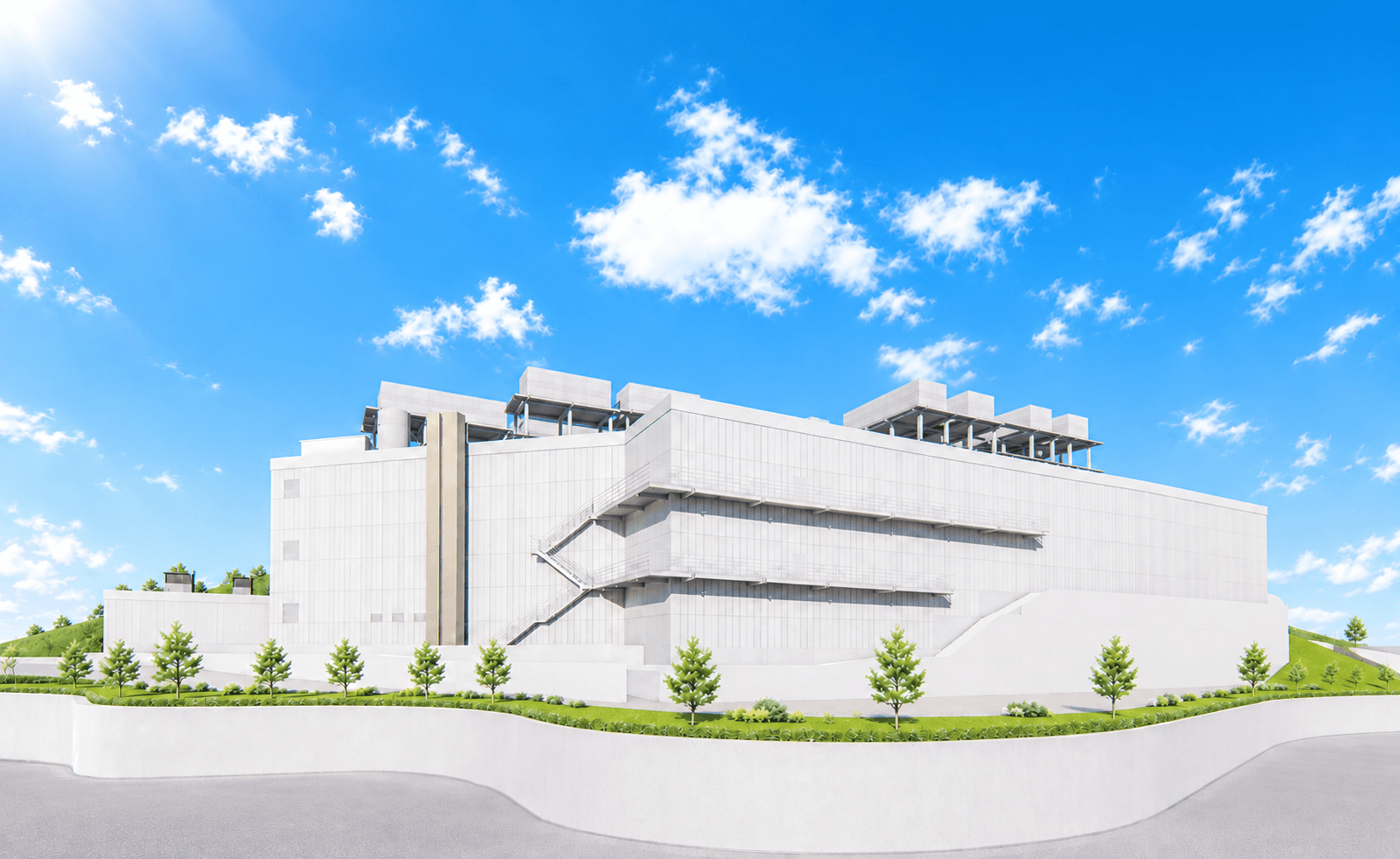
Rendering of KIX15, the 24 MW data center under construction at the KIX Campus in Osaka. It is a company rendering, not a photo of the finished site.
Image: Digital Realty
Source · Press image from the Digital Realty newsroom, used for news reporting.
Digital Realty Trust will spend $10 billion in Japan over the next decade, chief executive Andy Power told Nikkei Asia in an interview published on Nov. 15, aiming to lift its Japanese data-center capacity from 193 MW to around 700 MW.
Nikkei Asia reported that the build-out will be done with Mitsubishi Corp., the company's joint-venture partner in Japan, and would nearly quadruple Digital Realty's scale in the country over 10 years. The operator has already invested $4 billion in Japan, including projects in development. Power gave the interview last month, according to Nikkei, and described Japan as a "safe haven" built on the rule of law and regulation.
For power and grid planners, the figure that matters is the gap between 193 MW and about 700 MW: roughly 500 MW of added capacity in Tokyo and Osaka, where most of the existing capacity sits. Nikkei does not say whether the megawatts are IT load or utility supply, nor how the $10 billion is split between Digital Realty and Mitsubishi, so no cost per megawatt can be derived from the report.
Digital Realty's reported Japan plan would take capacity from 193 MW to around 700 MW, according to Nikkei Asia; the basis of the megawatts is not stated.
Graphic: Voltgrid News
What the money is meant to build
Power told Nikkei that Digital Realty plans to prioritize facilities for inference, the stage where an AI model answers queries. Its Japanese customer base is approaching 100 companies, including Amazon Web Services and Microsoft, financial institutions and autonomous-driving developers. Nikkei added that the operator will soon start doing business with a company that develops AI models in Japan.
The nearest concrete project is KIX15. w.media reported on Oct. 7 that construction had started on the 24 MW data center at the KIX Campus in Ibaraki City, Osaka Prefecture, due to be operational in the fourth quarter of 2028. The facility is being developed by MC Digital Realty, the 50/50 venture with Mitsubishi, and is designed for high-density computing and advanced cooling. When it is finished, w.media said, the venture's portfolio will reach 10 data centers with a combined 220 MW of IT capacity. That 220 MW is a venture-portfolio figure and is not the same measure as the 193 MW Nikkei attributes to Digital Realty's Japan capacity, so the two should not be added or subtracted.
Context: a crowded Japanese market
Nikkei put the Japan plan beside Digital Realty's global numbers: about 3,000 MW of capacity today with another 9,000 MW planned, and revenue split 53% North America, 29% Europe and 10% Asia-Pacific including Japan. Against that base, a 500 MW Japan increment is a small share of the 9,000 MW pipeline, and Nikkei calls Japan the company's top investment destination in Asia.
Rivals are moving too. Nikkei said AirTrunk plans to raise its Japan investment to as much as $30 billion over five years, Colt Data Centre Services and others are also making moves, and NTT Data aims to build a large AI data center for Anthropic. Voltgrid's AI capex ledger tracks how far the largest buyers of this capacity have guided spending.
What is not confirmed yet
The $10 billion, the 700 MW target and the inference priority all come from Power's interview as relayed by Nikkei Asia; this report does not cite a Digital Realty release or filing for them, and no timetable for the individual sites beyond KIX15 is given. Power himself called the capital-markets backdrop "volatile" and said there could be "peaks and valleys", and Nikkei noted that tougher data-center regulation after the U.S. midterm elections is a risk. Voltgrid's tracker of data-center moratoriums, lawsuits and votes covers the local-rule side of that risk in the United States.
Sources
- Published
- Sources
- 2 cited
