GPU Prices Rose 6% in November; RTX 5090 Fell 4% to About $6,730
Hardware Unboxed's 10-market tracker, via Notebookcheck, shows GPU prices up 6% in November, 7% without the RTX 5090, and 44% since July, with no meaningful Black Friday deals.
3 min read
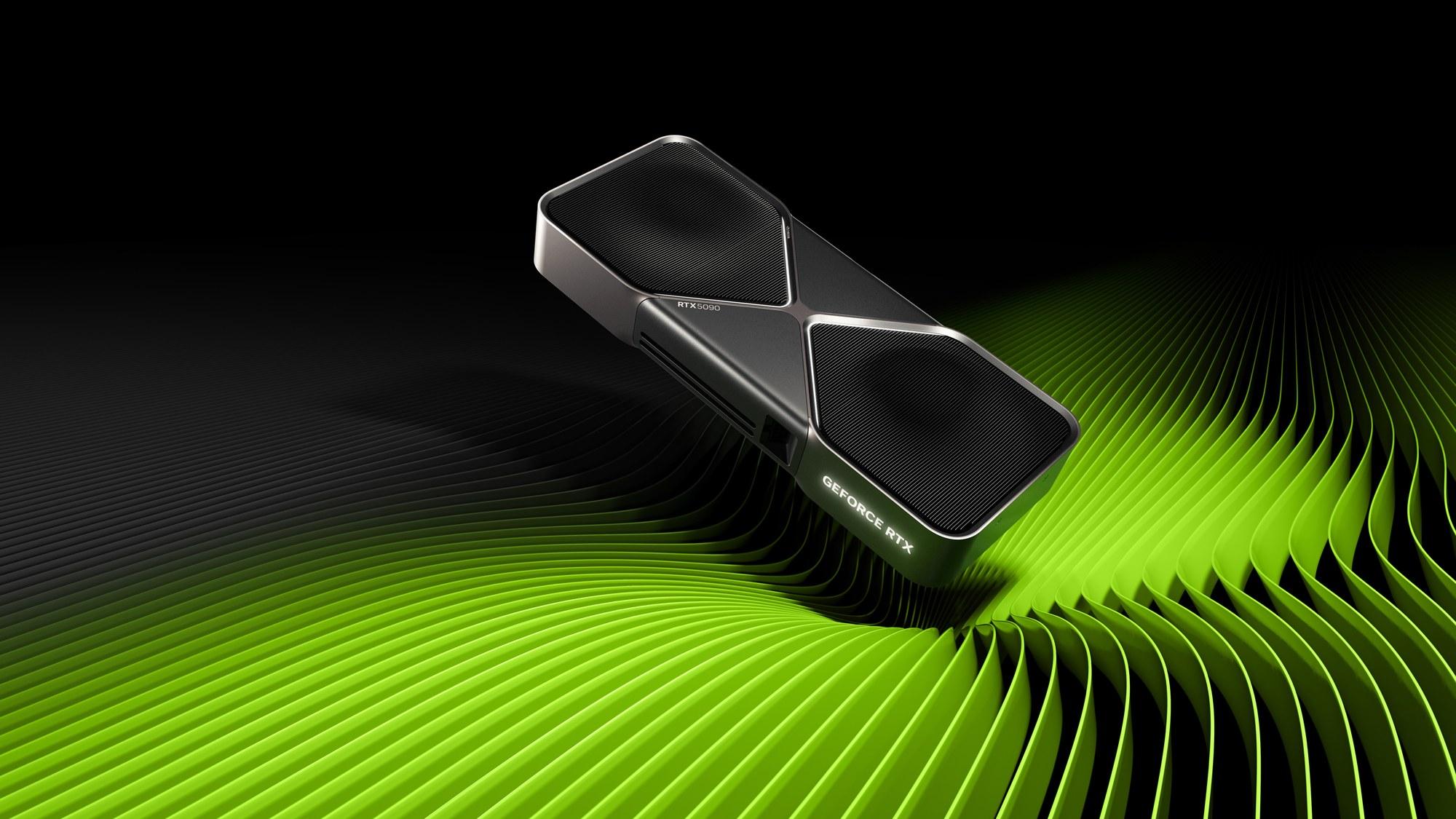
The GeForce RTX 5090, the only card whose price fell in November in the data reported here (NVIDIA).
Image: NVIDIA
Source · Press image from the NVIDIA newsroom, used for news reporting.
Graphics card prices rose 6% in November across the 10 markets Hardware Unboxed tracks, or 7% without the GeForce RTX 5090, Notebookcheck reported on Nov. 29.
Notebookcheck, which relays Hardware Unboxed's data, says prices are now up 44% since July. The RTX 5090 was the only model to get cheaper. Hardware Unboxed tracks the lowest in-stock price for each card on regional price-comparison sites in 10 countries, including the US, Germany, the UK and India, adjusting for local taxes and currency. These are cheapest listings, not average retail prices for a model.
For data-center and workstation buyers the consequence is indirect but real: memory is the common squeeze. TrendForce said in a Nov. 25 release that PC and smartphone makers have used up their low-cost memory inventory and that device prices face upward pressure in 2027.
RTX 5090 Falls While AMD and Intel Cards Climb
The RTX 5090's global asking price fell 4% to about $6,730, Notebookcheck says, with a larger drop in the US, where the card is around $6,800. That is still 236% above its $2,000 MSRP. Voltgrid's Black Friday price story put the cheapest US card at $6,499 on Tom's Hardware's tracker on Nov. 27; the two trackers measure different things and should not be read as one series.
Lower down the NVIDIA range, increases were smaller. The RTX 5050 rose 8% and now costs about 47% above its $250 MSRP. The 16GB RTX 5060 Ti averages $735, or 71% above MSRP. The RTX 5070 Ti and RTX 5080 each rose 7%, and Notebookcheck puts the RTX 5080 at 85% above its launch MSRP.
AMD's cards rose faster. The RX 9060 XT 8GB gained 5% to an average $450 and the 16GB version 11% to $600, while the RX 9070 rose 15% to about $785 and the RX 9070 XT 10% to about $880. Notebookcheck says that has narrowed the RX 9070 XT's price advantage over the RTX 5070 Ti from 50% to 43% in three months. Intel's Arc B580 rose 7% to about $370, 50% above MSRP.
Only the RTX 5090 fell in November; AMD's RX 9070 rose most, at 15% (Notebookcheck, relaying Hardware Unboxed).
Graphic: Voltgrid News
Why Black Friday Brought No Relief
Excluding the RTX 5090, cards now sit about 50% above MSRP on average, and the US, Canada and the UK are at least 60% above launch levels, per Notebookcheck. Hardware Unboxed found virtually no meaningful graphics card deals in this year's Black Friday sales; even a 20% discount would leave most models above their price of a few months ago. Notebookcheck adds that a new GPU generation may be a year or more away.
Supply is also thin. Voltgrid reported on Nov. 25 that NVIDIA was reportedly cutting gaming GPU supply a further 20% to 30%, a report NVIDIA has not confirmed, and no source we read ties that cut directly to November's retail prices.
What Earlier October Data Shows
Voltgrid's October edition used TechSpot's survey, which put the RTX 5090 at 262% over MSRP on average across 10 countries and gaming GPU prices up 11% in a month. We do not chain the two sets: they come from different publishers with their own samples, and we have not seen Hardware Unboxed's October table.
What Is Not Confirmed Yet
We read Notebookcheck's report, not Hardware Unboxed's own table or video, so every November figure above is Notebookcheck's account of that data. It does not identify a single cause, and the link to memory costs is an industry explanation rather than a measured one. The next check is December's update from Hardware Unboxed and whether the RTX 5090's dip spreads to other cards.
Sources
- Published
- Sources
- 2 cited