NVIDIA 621.35 Hotfix Fixes Driver SSD Writes 16 Days After 621.14
NVIDIA lists the idle driver SSD writes bug as fixed in beta hotfix 621.35 from Nov. 20, but gives no write rate, cause or affected-GPU list. The hotfix is optional and not WHQL.
3 min read
Follows NVIDIA Driver SSD Writes: Users Report 270 MB in 5 Minutes at Idle
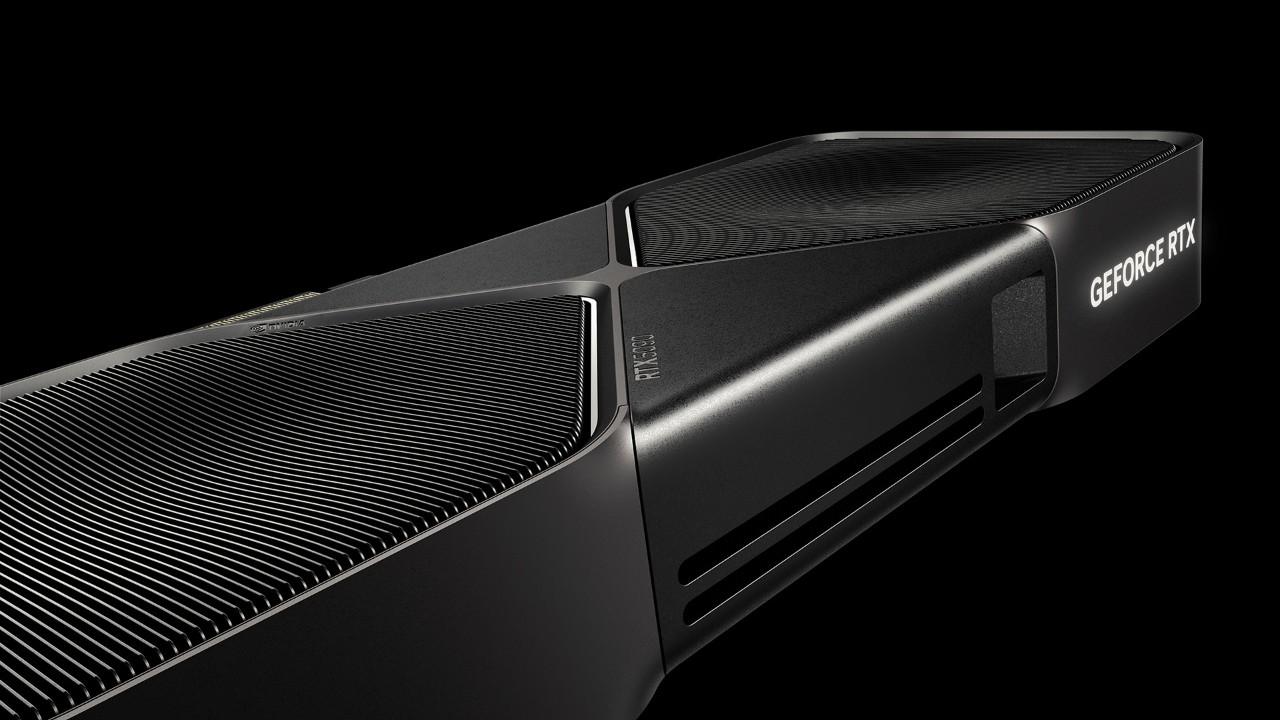
A GeForce RTX card from NVIDIA's RTX 50 series product page; the image illustrates the GeForce driver line and does not show the hotfix.
Image: NVIDIA
Source · Press image from the NVIDIA website, used for news reporting.
NVIDIA's 621.35 hotfix lists excessive background writes to the file nvlog.nvlgstg, the idle SSD-write problem users reported in its driver, as a fixed bug, number 7116722. The support site page for GeForce Hotfix Display Driver 621.35 is dated Nov. 20, 2026.
The one-line fix list is the first acknowledgement from NVIDIA that we have seen of the idle SSD-write problem. Notebookcheck reports that the hotfix is based on Game Ready driver 621.24 and that NVIDIA's own wording for the fix is "Excessive writes to file nvlog.nvlgstg may occur in background." NVIDIA's page does not give a write rate, an affected-GPU list or a cause.
Driver 621.14 shipped on Nov. 4 and 621.24 on Nov. 12. Users traced idle rewrites of the file to the NVIDIA Display Container process, NVDisplay.Container.exe, and Voltgrid reported on Nov. 18 that NVIDIA had not yet acknowledged it. That story carried one SMART-matched user test: 270 MB written to the C: drive in five minutes on 621.14, against less than 2 MB on 621.01.
NVIDIA's hotfix 621.35 arrived on Nov. 20, 16 days after driver 621.14 (Notebookcheck, NVIDIA support page).
Graphic: Voltgrid News
Notebookcheck adds that the process itself logged 515 MB of I/O in the same five-minute test, that another user measured more than 3 GB in ten minutes, and that a third estimated roughly 30 GB an hour on 621.24. These are user reports on different systems, not lab measurements, and NVIDIA has not confirmed any of them.
What NVIDIA Hotfix 621.35 Is, and Is Not
NVIDIA describes hotfix drivers as beta, optional and provided as-is, run through an abbreviated QA process, with no WHQL certification. Its page says the safest option is to wait for the next WHQL-certified driver, into which these fixes are to be folded, after which the hotfix is taken down. NVIDIA distributes hotfixes only through its customer-care support site.
For anyone who does not want to run a beta driver, Notebookcheck lists the earlier workaround: roll back to 621.01. That brings back the video playback freezes and black screens on some RTX 50 series GPUs that hotfix 621.12 addressed, as Voltgrid reported on Oct. 28. Stopping the display service and deleting the log gives only temporary relief, and disabling the service stops the NVIDIA Control Panel and app from opening.
What the Writes Mean for SSD Wear
SSD endurance is rated in terabytes written, and Notebookcheck cites about 600 TBW for a typical 1 TB drive. It also cautions that Windows process counters do not always match what reaches the NAND: in the same five-minute test, the process logged 515 MB while the whole C: drive logged 270 MB. By Notebookcheck's own arithmetic, 30 GB an hour for eight hours a day would use around 15% of that rated endurance in a year. That is the top of the user-reported range, not a typical case, and no one has published a measured wear figure.
The episode follows a similar fault on the AMD side. AMD acknowledged an idle write bug in its Radeon driver, which Voltgrid covered on Nov. 9, and listed it as fixed in Adrenalin 26.11.1 on Nov. 12. Notebookcheck notes that NVIDIA's hotfix arrived 16 days after 621.14, and that complaints about the Display Container rewriting logs go back to at least 2021.
What is not confirmed yet
NVIDIA has not said how many systems were affected, what write rate it measured, or whether the cause was a logging loop. It has not named the release that will carry the fix as a certified driver. No lab has yet published a before-and-after measurement of 621.35. The reported 30 GB an hour remains an estimate by one user.
Sources
- Published
- Sources
- 2 cited