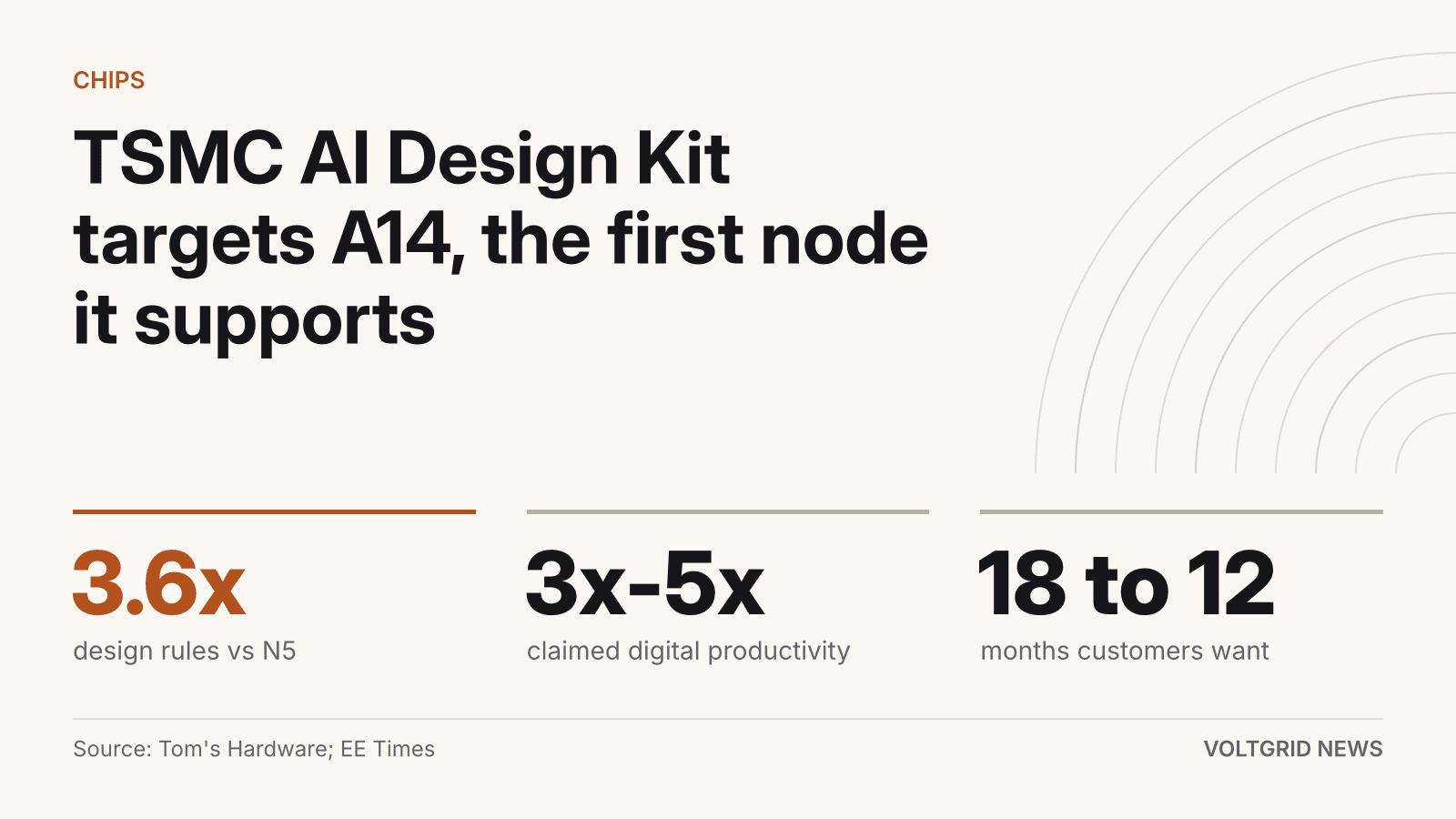
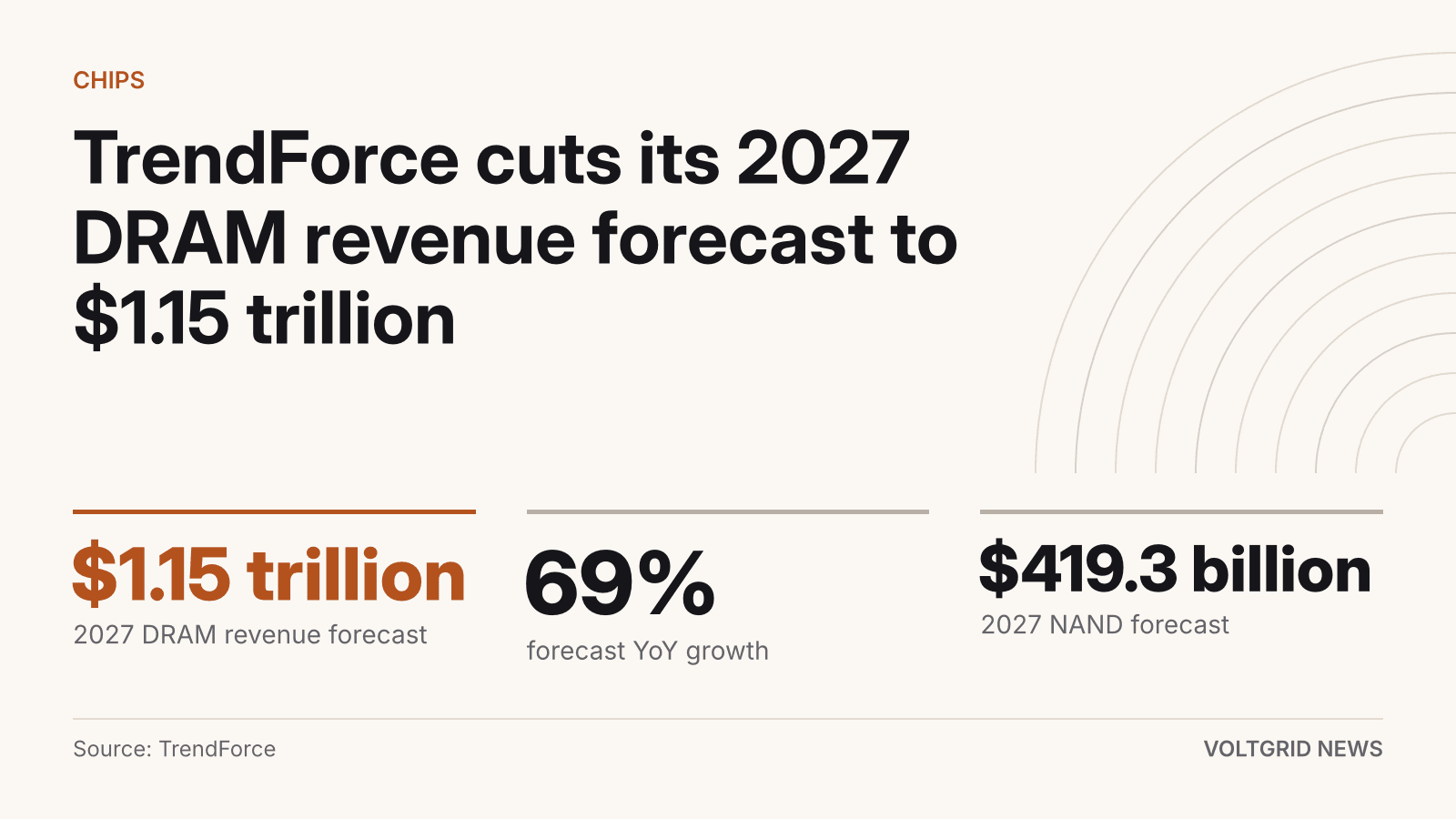
NVIDIA B300 Lead Times Reportedly Hit 26-40 Weeks, RTX PRO Over 26
Commercial Times reports new NVIDIA B300 orders wait 26-40 weeks and RTX PRO cards over 26, with DGX Station's superchip at about 26. RTX 60 may slip; NVIDIA has not commented.
3 min read
Follows NVIDIA Reportedly Cuts Gaming GPU Supply a Further 20-30% for Q4
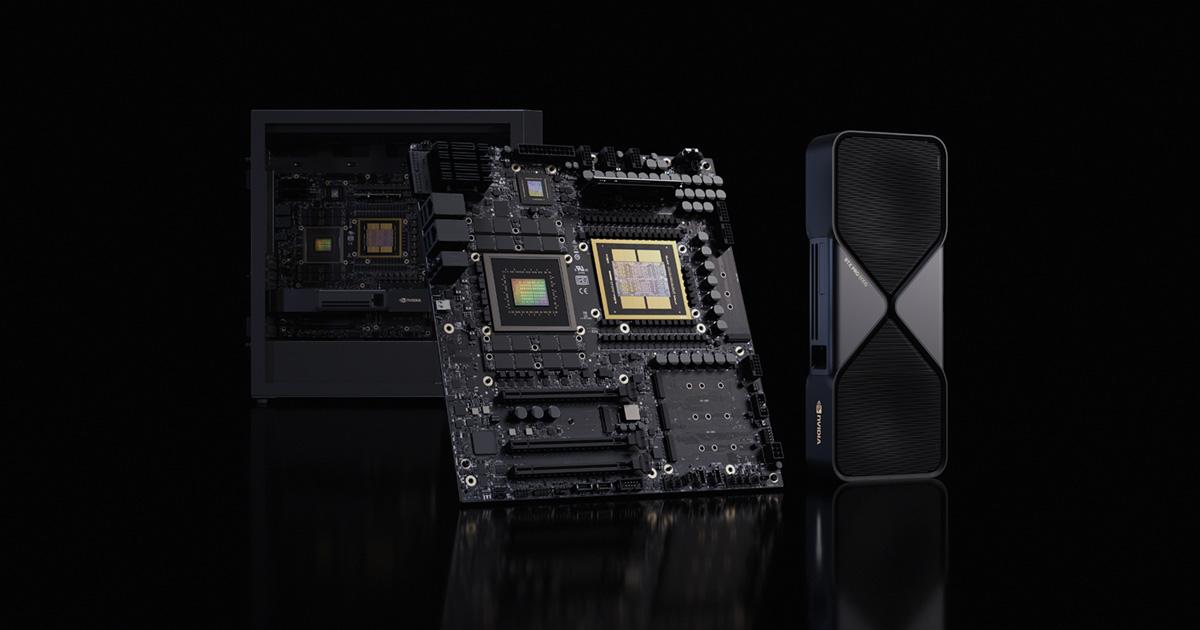
NVIDIA's DGX Station board and an RTX PRO card, two of the products the report gives lead times for.
Image: NVIDIA
Source · Press image from the NVIDIA website, used for news reporting.
New orders for NVIDIA's B300 GPU take 26 to 40 weeks, and RTX PRO server and workstation cards more than 26 weeks, Taipei business daily Commercial Times reported on Nov. 25, citing Taiwanese ODMs and supply-chain sources.
The paper reportedly puts new GB300 orders at roughly 14 to 26 weeks, and the GB300 desktop superchip used in DGX Station at about 26 weeks. It estimates that most new-order projects placed over the past two quarters will not be delivered until the second or third quarter of 2027 or later. Industry sources told the paper that shipments already under way for RTX PRO AI servers and workstations, DGX Station and RTX Spark AI PCs are not noticeably affected and follow their set schedules. TrendForce relayed the report the same day. NVIDIA had not commented on the lead-time figures in the reports Voltgrid read.
Commercial Times reports B300 GPU lead times of 26-40 weeks; NVIDIA has not confirmed any of the figures.
Graphic: Voltgrid News
The three GB300 and B300 names are different products. B300 is the data-center GPU; GB300 is the paper's label, with no stated scope; the DGX Station part is NVIDIA's GB300 Grace Blackwell Ultra Desktop Superchip, a deskside machine. Scarcity also shows in price: B300 servers were quoted at $3M to $3.4M in Shenzhen, Voltgrid reported today. For DGX Station buyers, see our review roundup of the machine.
GDDR7 Supply Is Tight, the Report Says
Commercial Times' supply-chain sources say memory makers are giving advanced capacity to server DRAM first, which limits GDDR7 output for graphics cards and keeps graphics memory prices rising. The paper ties that to graphics-card supply, not explicitly to the B300 or GB300 waits. The report adds that pricier PCs are selling worse in Asia and Europe, North American channel inventory is up, and some brands are rethinking first-quarter 2027 memory orders.
NVIDIA's CFO commentary, an exhibit to its Nov. 17 filing, gives context but does not confirm any lead time. It says Edge Computing revenue reached $8.2 billion in the third quarter of fiscal 2027, up 42% from a year earlier, on strong Blackwell workstation sales and edge compute for physical AI, and that higher memory and system prices continue to affect consumer PC demand. Its supply commitments rose from $279 billion to $390 billion, which NVIDIA said was primarily related to multi-year memory procurement. NVIDIA does not say which memory.
GDDR7 and HBM Are Different Memory Squeezes
GDDR7 and HBM are different memory, even when the same few suppliers make both. GDDR7 sits on a board beside a graphics chip: NVIDIA's RTX PRO 6000 Blackwell carries 96 GB of it at 1,792 GB/s, according to NVIDIA's spec sheet. HBM is stacked DRAM placed on the same package as the GPU; NVIDIA says the DGX Station's GB300 superchip has 252 GB of HBM3e on the GPU, plus 496 GB of LPDDR5X on its Grace CPU.
The GDDR7 squeeze the paper describes lands on RTX PRO and GeForce boards. The report does not say it lengthens B300 or GB300 waits, and it does not say HBM is short, so those figures stay reported lead times, not a measure of memory supply.
RTX 60 Timing May Slip, Per the Report
Commercial Times says NVIDIA will reduce GeForce RTX 50 supply, without naming a source for the cut, and that the next-generation RTX 60, which it says was aimed at mass production at the end of 2027, may now slip. As of the reports Voltgrid read, NVIDIA has announced no RTX 60 product or schedule; the late-2027 target is the paper's figure. Chip industry sources quoted by the paper expect wafers no longer used for consumer cards to move to data-center chips. NVIDIA had earlier said GeForce demand stays strong and every model is still shipping, though memory is tight, the paper noted. The report follows a Board Channels account of a further 20-30% gaming GPU cut for November to January, covered here.
What is not confirmed yet
Every lead-time figure comes from unnamed sources, described by Commercial Times as Taiwanese ODMs and supply-chain sources, through one newspaper; TrendForce repeats the report, and no second independent outlet has published its own figures. The report does not say whether waits differ by OEM or configuration, or how large the RTX 50 cut is. NVIDIA has not announced RTX 60, so any delay is measured against a target only the report names. NVIDIA said it will file its 10-Q in the coming weeks, which may add detail on memory commitments.
Sources
- 01[News] NVIDIA B300 Lead Times Reportedly Hit 40 Weeks; RTX 60 May Face Delays as Memory Supply TightensTrendForcetrendforce.com
- 02CFO Commentary on Third Quarter Fiscal 2027 ResultsNVIDIA (SEC 8-K Exhibit 99.2)sec.gov
- 03輝達GPU新單交期拉長 (NVIDIA GPU new-order lead times lengthen)Commercial Timesctee.com.tw
- Published
- Sources
- 3 cited