NVIDIA B300 Servers Quoted at $3M-$3.4M in Shenzhen, 5-6x US Price
Washington Post reporting says Shenzhen vendors quoted $3 million to $3.4 million for 8-GPU NVIDIA B300 servers despite US curbs, but the Post could not verify the chips were real.
3 min read
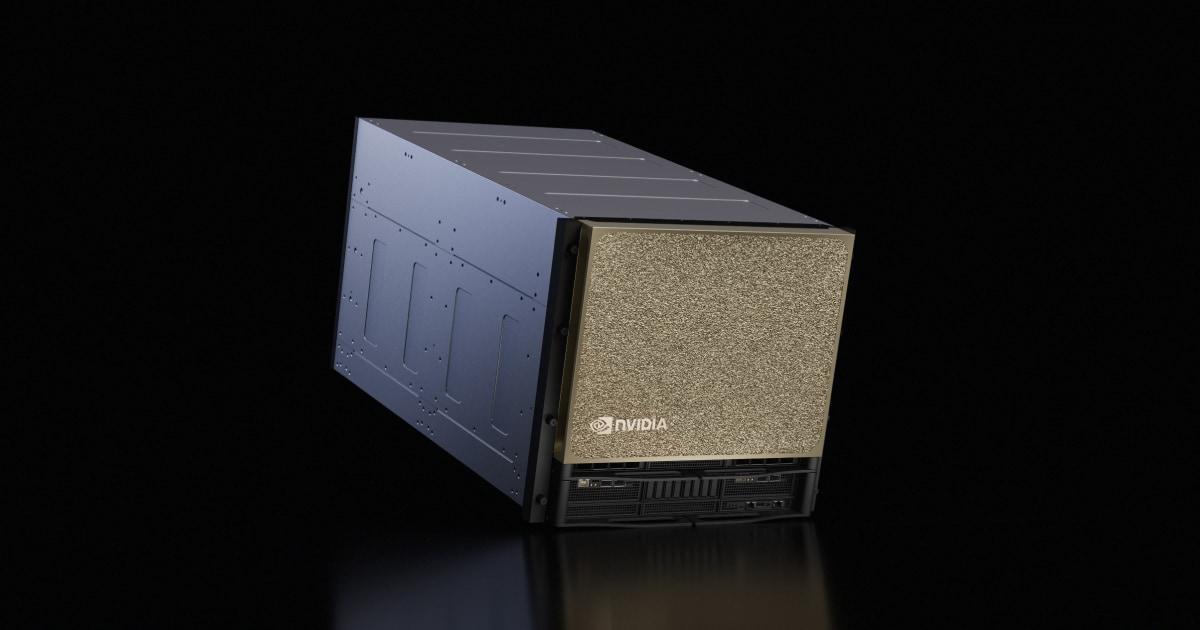
NVIDIA's DGX B300, a B300 server system. Product image, not a photo of the Shenzhen machines.
Image: NVIDIA
Source · Press image from the NVIDIA website, used for news reporting.
NVIDIA B300 servers with eight GPUs were quoted at about $3 million in Shenzhen's Huaqiangbei electronics market, according to a Washington Post investigation published on Nov. 25, even though the US bans exports of the chip to China.
A seller identified only as Wu quoted roughly $3 million for an eight-GPU B300 server, Wccftech reported on Nov. 26 from the Post's account. Other local vendors listed comparable rack systems at $3 million to $3.4 million, which Wccftech put at 5x to 6x US retail prices. The Next Web (TNW) added that the Post could not verify that the chips were real, so the figures are asking prices rather than completed sales.
The B300 is the Blackwell Ultra accelerator. Until now, Wccftech wrote, the most a wealthy buyer in China could get was the H200, and the same outlet cited an earlier estimate of $900,000 for an eight-GPU H200 server, a 3x premium. If the B300 quotes are genuine, US controls are raising the price of the newest generation in China rather than keeping it out entirely.
Reported Shenzhen asking prices for 8-GPU servers: $3 million to $3.4 million for B300-class systems against an earlier $900,000 estimate for the H200. Quotes, not completed sales.
Graphic: Voltgrid News
What the Shenzhen Sellers Told the Post
Wu said his restricted chips arrive through Hong Kong, but he claimed not to know where they come from before that, according to Wccftech. Another broker, Jason Cheng, told the Post that Russians and Iranians have bought NVIDIA chips at his stall for four or five years, TNW reported. "We don't care which country a customer comes from, as long as they can pay," Cheng said. A Shenzhen consultant told the Post that anyone wanting to start an AI company could go to Huaqiangbei and work out a deal, in Wccftech's account.
Washington's Response and the Enforcement Gap
The Commerce Department and its Bureau of Industry and Security did not respond to the Post, TNW reported. China's embassy in Washington told the Post it opposes the US "abusing export control measures." A former bureau official told the Post that enforcement had stalled because the bureau's head, Jeffrey Kessler, had to approve many routine actions himself.
NVIDIA's position on the Huaqiangbei quotes is not in either report we read. TNW says NVIDIA declined to comment to CNBC on a separate story, a surge of B300 resale offers after the remote-access rule.
That rule, which Voltgrid covered on Nov. 16, took effect on Nov. 19 and is meant to close both smuggling through third countries and remote use of chips in overseas data centers, US Trade Representative Jamieson Greer told CNBC, as TNW quoted him. Licensing data cited by Reuters, as Voltgrid reported, shows Washington approved nearly 900,000 NVIDIA and AMD AI chips for Chinese firms between December 2025 and May 2026, and our earlier report on H200 and H100 chips in China AI projects covers the older generation. On the Southeast Asian route, NVIDIA has reportedly halted server shipments.
What is not confirmed yet
The Post could not verify that the Shenzhen machines are genuine B300 systems, and none of the reports shows a completed sale or a delivery. The origin of the chips before Hong Kong is unknown. The Washington Post article was blocked to us, so the details above come from Wccftech and TNW, and the 5x to 6x comparison is Wccftech's. The Commerce Department has not replied publicly, and NVIDIA has not commented on the quotes. Congress may add the Chip Security Act, which would require location checks for AI chips, to the defense bill expected to pass next month, TNW reported. Watch for any BIS action on Huaqiangbei intermediaries and for whether the same channels carry the Vera Rubin generation.
Sources
- 01Thousands of Nvidia B300s reportedly go up for sale after US chip ruleThe Next Webthenextweb.com
- 02NVIDIA B300 : des serveurs proposés en Chine à 3 millions de dollars malgré l’embargoPauseHardwarepausehardware.com
- 03NVIDIA's Top-End B300 Servers Are Allegedly So Easy To Buy In China, It's Only A Matter Of Asking The Right PersonWccftechwccftech.com
- Published
- Sources
- 3 cited