NVIDIA H200 and H100 Chips Underpin $3.2 Billion of China AI Projects
NVIDIA's restricted H100, H200 and H800 chips anchor AI computing projects worth over 23 billion yuan in China, a Reuters review of 150+ documents found. NVIDIA and China's commerce ministry had not commented.
Chips & Power DeskEdited by Ege Erten
3 min readAI-assisted
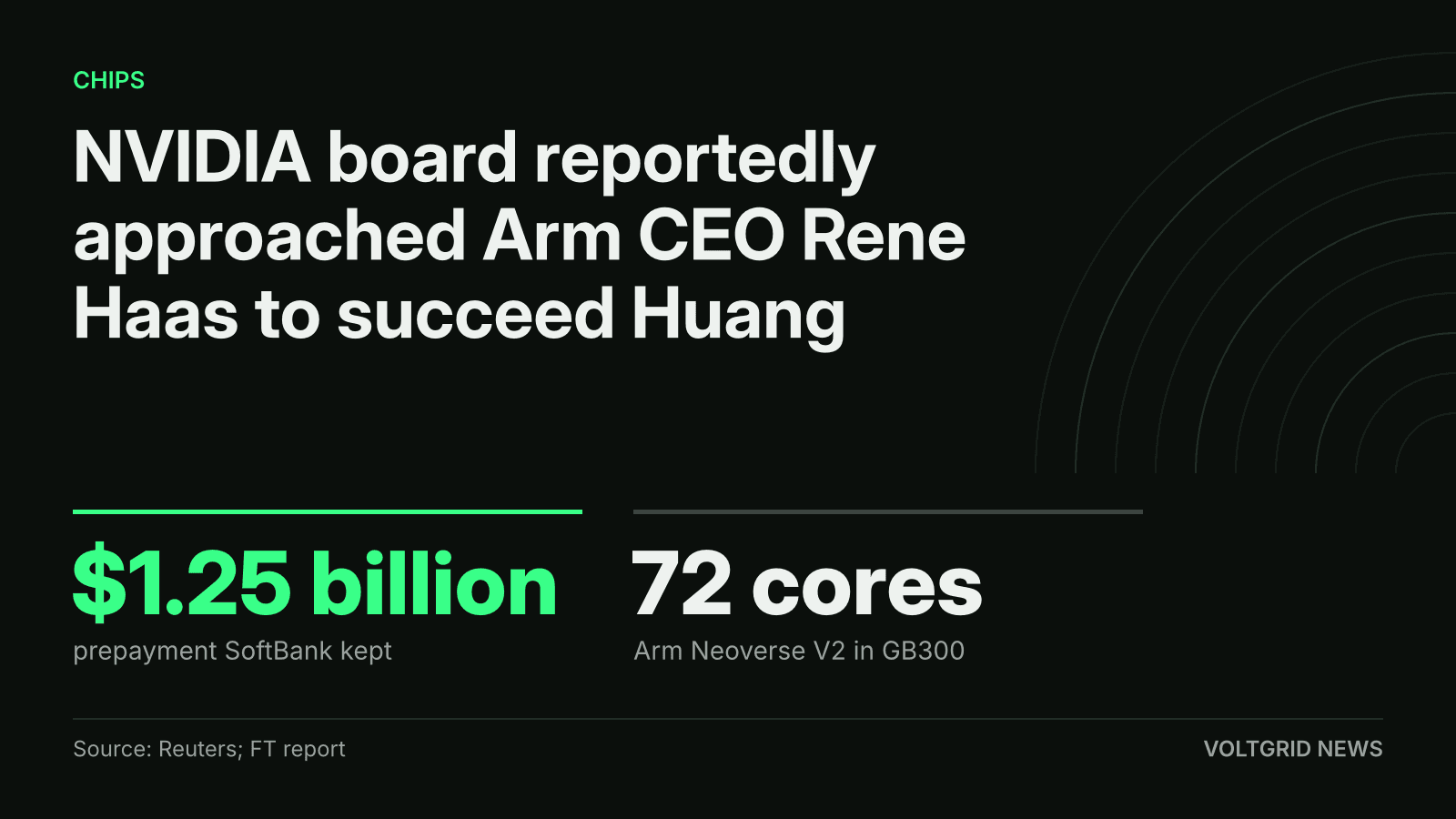
Follows NVIDIA's Jensen Huang Affair Reportedly Aided $7.5 Billion China Shipments
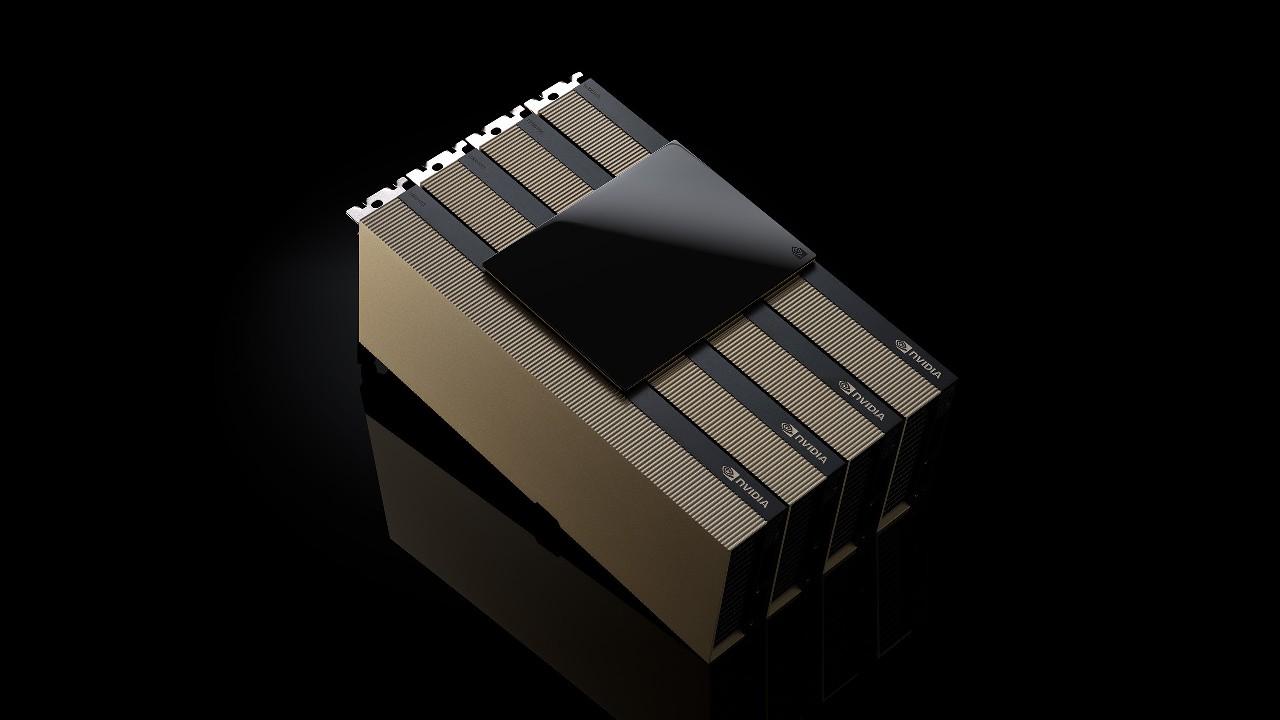
NVIDIA's H200 NVL, one of the restricted accelerators the Chinese projects specify, in an official product image from NVIDIA's H200 page.
Image: NVIDIA
Source · Press image from the NVIDIA website, used for news reporting.
NVIDIA's restricted H100, H200 and H800 processors anchor Chinese AI computing projects worth more than 23 billion yuan ($3.2 billion), Reuters said on Nov. 13 after reviewing more than 150 Chinese procurement notices, investment plans, construction contracts and company disclosures.
The projects range from coastal technology hubs to remote western provinces, and they include local government-backed ventures, universities and regional computing centres, not only China's largest tech firms. Reuters says the total mixes planned investments and signed contracts with finished installations, and that it covers buildings, power systems and other infrastructure rather than NVIDIA chips alone. NVIDIA and China's commerce ministry had not responded to requests for comment when the story was filed.
Operators of unfinished sites face delays, supply disruptions or costly redesigns around domestic chips if US export controls tighten, according to Reuters. Reuters also argues that the resignation of NVIDIA co-founder Jensen Huang, a vocal advocate of easing the curbs, could weaken the company's lobbying leverage as US lawmakers press for tighter limits. That is Reuters' assessment, not a confirmed change in policy. Voltgrid covered the resignation and the interim CEO on Nov. 12 and the earlier $7.5 billion shipment report on Nov. 10.
Largest China AI Projects Reuters Names
A companion Reuters piece lists the largest items. A proposed 6.2 billion yuan ($873 million) computing centre in Xianyou county, Fujian, specifies H100 chips and is still seeking commercial partners. In Shaanxi, state-owned Sinomach said a subsidiary won a contract in a 3 billion yuan project specifying H100 and H200 processors. A Jilin prospectus from April describes a 2.26 billion yuan project that pairs H100 chips with Chinese-developed ones, with bank loans expected to cover about 80% of the cost. In Inner Mongolia, a 1.5 billion yuan development proposes 625 H200 servers.
Some sites are further along. A Gansu company awarded a 1.16 billion yuan construction contract in July for a centre planning about 3,072 NVIDIA processors, and the tender documents specify H100 and H200 hardware. Reuters notes the documents do not show whether the chips were delivered. In Wuxi, the municipal government said in March 2025 that an H800 cluster had entered operation, and Shanghai-listed Damingcheng disclosed in June that a computing venture had built an H800 cluster, under a services agreement originally worth 759 million yuan that ended early.
On Voltgrid's arithmetic, the five planned or contracted projects above add up to 14.12 billion yuan, roughly 61% of the 23 billion yuan total and the remainder is not itemised. Reuters does name some small purchases: a September contract at Shenzhen University for three H100 processors and an October purchase of two H200 chips by blacklisted Northwestern Polytechnical University, which Voltgrid covered on Nov. 11.
The five itemised projects add up to 14.12 billion yuan of the more than 23 billion yuan Reuters counted; Voltgrid arithmetic on reported figures.
Illustration (AI-generated)
What NVIDIA's Guidance Assumes About China
NVIDIA's results release of Aug. 26, filed with the US Securities and Exchange Commission, guided third-quarter fiscal 2027 revenue to $108.0 billion, plus or minus 2%, and said the company is not assuming any Data Center compute revenue from China. Reuters says Huang told the market last year that NVIDIA's China share had fallen from 95% to zero. An IDC report that Reuters cited in October put NVIDIA at 34% of Chinese AI-accelerator shipments in the first half of 2026.
Reuters stresses that those figures measure different things and do not establish how the restricted hardware reached Chinese users. The projects may rely on chips bought before the curbs, through third parties or not yet delivered, so the review does not show any breach by NVIDIA. For the supply chain, the signal is demand that sits outside NVIDIA's guidance, which is the same pressure behind the rush by Chinese AI firms to rent NVIDIA capacity overseas.
What Is Still Unconfirmed About the Projects
Reuters says the projects it identified have not been linked to Megaspeed or to the allegations involving Huang, and there has been no public finding that Huang violated export-control laws. NVIDIA's board has opened an independent investigation and said it has no reason to believe company secrets or US national security were compromised. Whether any listed site holds delivered restricted chips, and whether Washington will act on the findings, is not stated in the reporting. The "at risk" framing is Reuters' reading of exposure to tighter curbs, not a reported cancellation of any contract.
Sources
- 01China's $3 billion-plus pipeline of Nvidia-powered AI data centresReuters via Yahoo News Malaysiamalaysia.news.yahoo.com
- 02NVIDIA Announces Financial Results for Second Quarter Fiscal 2027NVIDIA (SEC Form 8-K, Exhibit 99.1)sec.gov
- 03EXCLUSIVE: Huang exit and US scrutiny imperil $3 billion in Chinese AI projects reliant on NvidiaGoogle News · Reutersnews.google.com
- Editor
- Ege Erten
- Published
- Sources
- 3 cited
- Standards
- AI-assisted