NVIDIA Stops Shipping Chips to China After $2.4B Q3 Hopper Sales
NVIDIA has stopped shipping licensed Hopper chips to China, interim CEO Colette Kress said on the Nov. 17 earnings call, per Reuters; Q4 guidance assumes no China data center compute revenue.
2 min read
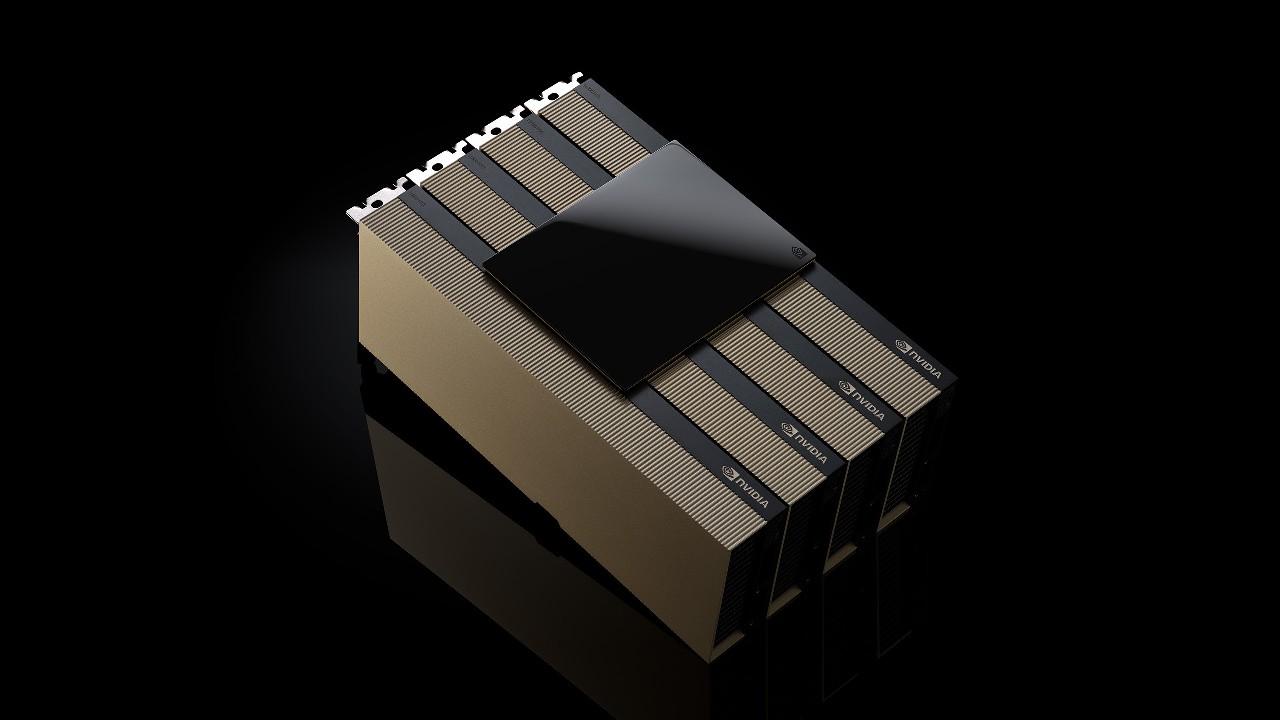
NVIDIA's H200 NVL, part of the Hopper family at the center of the China shipment halt. The image shows the product, not a shipment.
Image: NVIDIA
Source · Press image from the NVIDIA website, used for news reporting.
NVIDIA has stopped shipping licensed Hopper-generation data center chips to China, interim CEO Colette Kress said on the company's Nov. 17 earnings call, according to Reuters and Business Standard.
Kress said NVIDIA sold $2.4 billion worth of licensed Hopper data center products to China in the quarter ended Oct. 25, Reuters reported, and has no current plans for further shipments. NVIDIA's guidance includes none of those products, she said. She did not explain why shipments stopped or whether the halt is permanent. The Hopper family includes the H200, which TSMC makes for NVIDIA in Taiwan.
What the Halt Means for NVIDIA's Outlook
NVIDIA's third-quarter release, published Nov. 17, reports revenue of $115.8 billion and Data Center revenue of $107.6 billion. The $2.4 billion of licensed Hopper sales to China equals about 2% of that revenue, by Voltgrid's arithmetic. For the fourth quarter NVIDIA guides to $130.0 billion, plus or minus 3%, and the release says it is not assuming any Data Center compute revenue from China.
Licensed Hopper sales to China were $2.4B of NVIDIA's $115.8B Q3 revenue, and the Q4 outlook of $130.0B assumes no China Data Center compute revenue.
Graphic: Voltgrid News
NVIDIA has now put China outside its guidance in both the release and the call, so any China revenue would come on top of that outlook. Business Standard noted that NVIDIA had also sought approval to sell its more advanced Blackwell chips to China and that the Trump administration did not approve the request.
How the Licensing Deal Reached This Point
According to Reuters, US President Donald Trump said in 2025, after a summit with Chinese President Xi Jinping, that he would allow H200 sales to approved Chinese customers. The US eased its H200 licensing policy in January 2026, allowing applications to be reviewed individually subject to security conditions. Washington approved sales to 10 Chinese companies, including Alibaba, Tencent and ByteDance, per earlier Reuters reporting, and the arrangement imposed a 25% tariff on eligible chips imported into the United States before shipment to China.
Beijing then restricted H200 imports as it seeks to reduce its dependence on US technology, Reuters said. Reuters reported earlier in November that around 600,000 H200 chips were stored in Hong Kong awaiting shipment to mainland China after Beijing withheld approval for large-scale imports, as Voltgrid reported on Nov. 8. Reuters wrote that the halt raises doubts about the licensing agreement negotiated by Washington and Beijing.
New US Rules Land the Same Week
The Trump administration moved on Nov. 16 to tighten oversight of chip exports and to restrict sales where data center operators could give Chinese companies remote access to advanced AI chips, Business Standard reported. Tom's Hardware reported that the updated rules require licenses for renting such chips in large quantities to countries on the D:5 arms-embargo list, and for sales to Indonesia, Malaysia, Singapore, Thailand and Brazil, and that China's Commerce Ministry said it will take countermeasures. Trump is due to meet Xi on Nov. 19, Tom's Hardware said. Voltgrid covered the separate reported 50% rental line on Nov. 17.
What is not confirmed yet
NVIDIA's own transcript of the call and its quarterly filing were not read for this story, so Kress's remarks are given as Reuters and Business Standard report them. Neither outlet says whether NVIDIA or the US government decided to halt shipments, or whether Beijing's import limits are the cause.
Sources
- 01Nvidia stops shipping US-approved AI chips to ChinaAsiaOne (Reuters)asiaone.com
- 02NVIDIA Announces Financial Results for Third Quarter Fiscal 2027NVIDIA Newsroomnvidianews.nvidia.com
- 03Nvidia stops shipping Hopper AI chips to China despite US approvalBusiness Standardbusiness-standard.com
- 04China threatens 'countermeasures' in the face of new AI GPU rental and export restrictions — Beijing threatens retaliation ahead of Thursday's Xi Jinping meeting, Sino-American trade war may be renewed for a new seasonTom's Hardwaretomshardware.com
- Published
- Sources
- 4 cited