Oracle Expands NVIDIA Vera Rubin to Multi-Gigawatt Scale, Adds Google TPUs
Oracle will grow its NVIDIA Vera Rubin cloud to multi-gigawatt scale, begin offering Google TPUs and plans to offer Cerebras and SambaNova chips, Reuters reported; no deal value was given.
3 min readAI-assisted
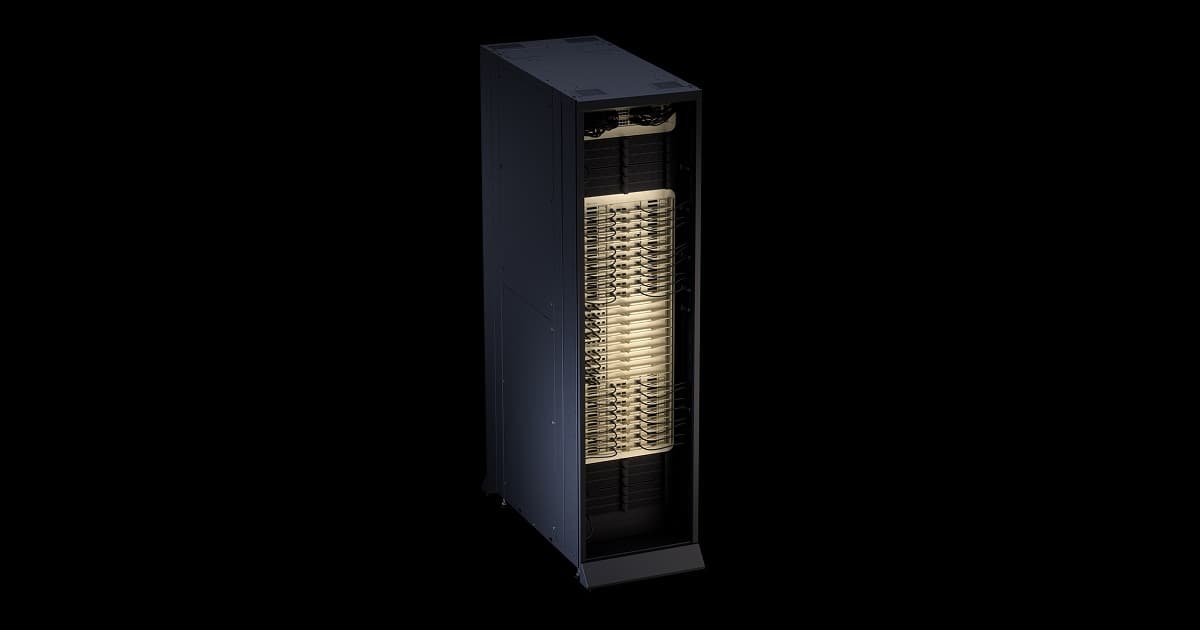
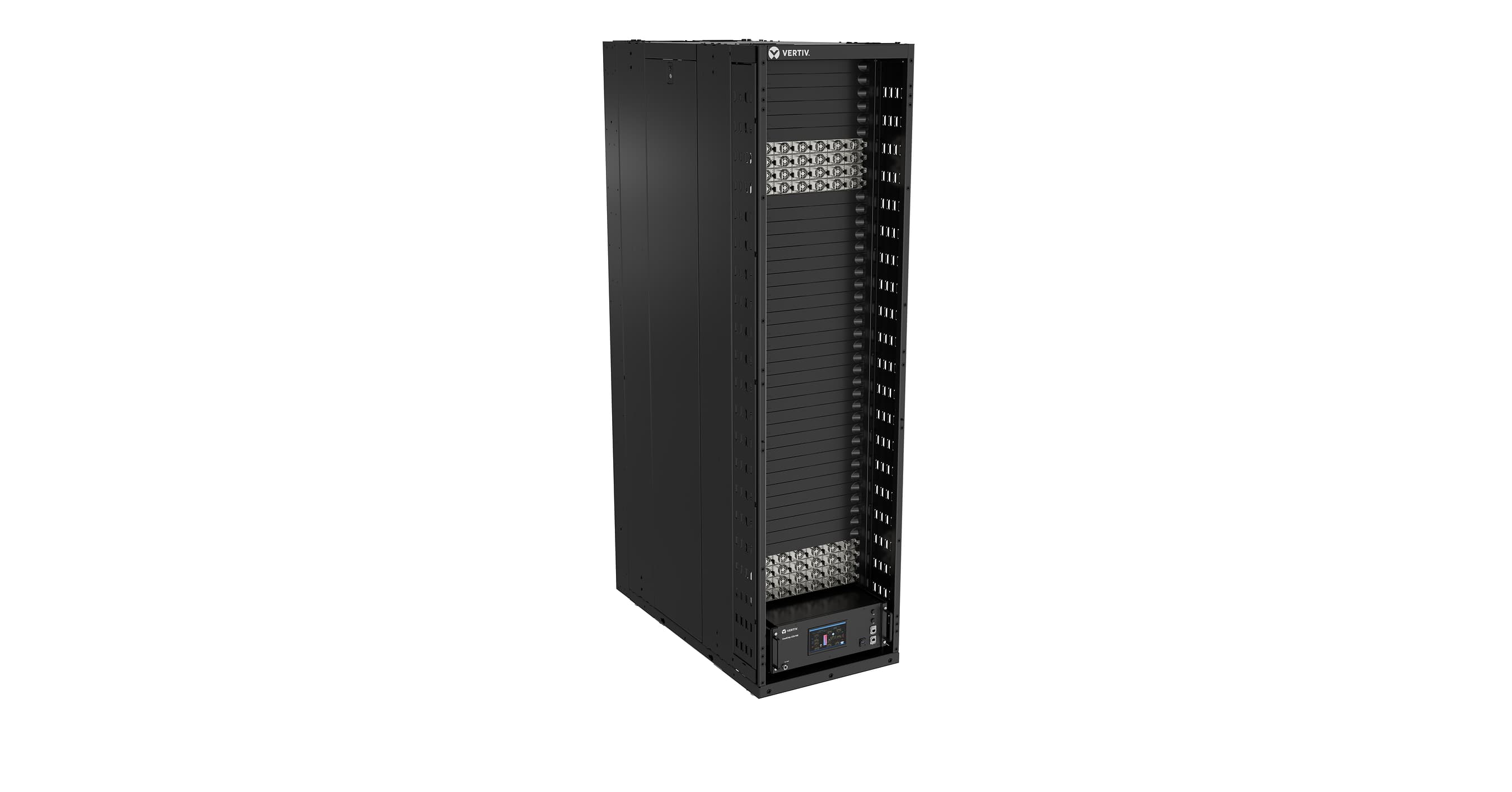
NVIDIA's Vera Rubin NVL72 rack, the system Oracle will expand to multi-gigawatt scale. The image is NVIDIA's product picture, not an Oracle site.
Image: NVIDIA
Source · Press image from the NVIDIA website, used for news reporting.
Oracle said on Oct. 27 that it will expand its cloud deployment of NVIDIA's Vera Rubin AI servers to "multi-gigawatt scale" and will offer Google's tensor processing units (TPUs) for the first time, Reuters reported.
The companies did not disclose the value of the NVIDIA deal, according to Reuters. NVIDIA chief executive Jensen Huang has previously said Vera Rubin systems can generate up to $40 billion in revenue per gigawatt for NVIDIA, which gives a sense of scale but is not a price for this agreement.
Oracle is also widening its menu beyond NVIDIA. It plans to offer chips from Cerebras Systems and from SambaNova Systems, the Intel-backed company. Reuters notes that both make chips for inference, the stage where AI systems answer user requests, a market it describes as more competitive and diverse than training, where NVIDIA dominates.
Even the NVIDIA-based systems will skip some of NVIDIA's networking chips. Oracle said it will use its own "Acceleron" networking chips in place of some NVIDIA networking chips, according to Reuters. Oracle did not say in the reporting which NVIDIA networking parts are replaced or how many systems are affected.
Mahesh Thiagarajan, president of Oracle Cloud Infrastructure, said in a statement that different AI workloads have different compute needs and that the choice lets customers pick the right infrastructure for performance, throughput and economics. Cerebras chief executive Andrew Feldman told Reuters the deal is a large expansion of Cerebras's base of top-tier customers and that its chips are being deployed in other companies' data centers at scale.
Power and money questions
A "multi-gigawatt" plan is a power story as much as a chip story, but the reporting gives no site list, no megawatt figure per campus and no timeline for the Vera Rubin build-out. Offering at least four chip families (NVIDIA, Google, Cerebras and SambaNova) in one cloud raises the question of rack designs, power densities and cooling needs for each, and Reuters reported no figures for any of them.
Oracle did not say how it will pay for the chips. On an earnings call last month it said customers are increasingly covering the cost of chips, and it kept its fiscal 2027 capital spending target at about $90 billion to $95 billion, Reuters said. Oracle plans to hold an investor day this week.
Why These Chips Need Different Racks
The four chip families keep model data in different places. NVIDIA says each Rubin GPU carries 288 GB of HBM4 memory beside the processor. Cerebras says its WSE-3 wafer holds 44 GB of SRAM on the chip itself, and SambaNova says its SN50 combines 432 MB of SRAM with 64 GB of HBM2E per chip. Reuters did not say which TPU, Cerebras or SambaNova models Oracle will offer, so these are examples of each design, not Oracle's configuration.
Rack power differs as widely. NVIDIA's Vera Rubin NVL72 datasheet lists 227 kW per rack at its maximum-performance setting (MaxP). Cerebras rates a rack of two CS-3 systems at 55 kW, and SambaNova puts an air-cooled SN50 rack at about 20 kW on average. These are vendor figures for different rack designs, not Oracle's, but they show why a mixed fleet needs more than one power and cooling design.
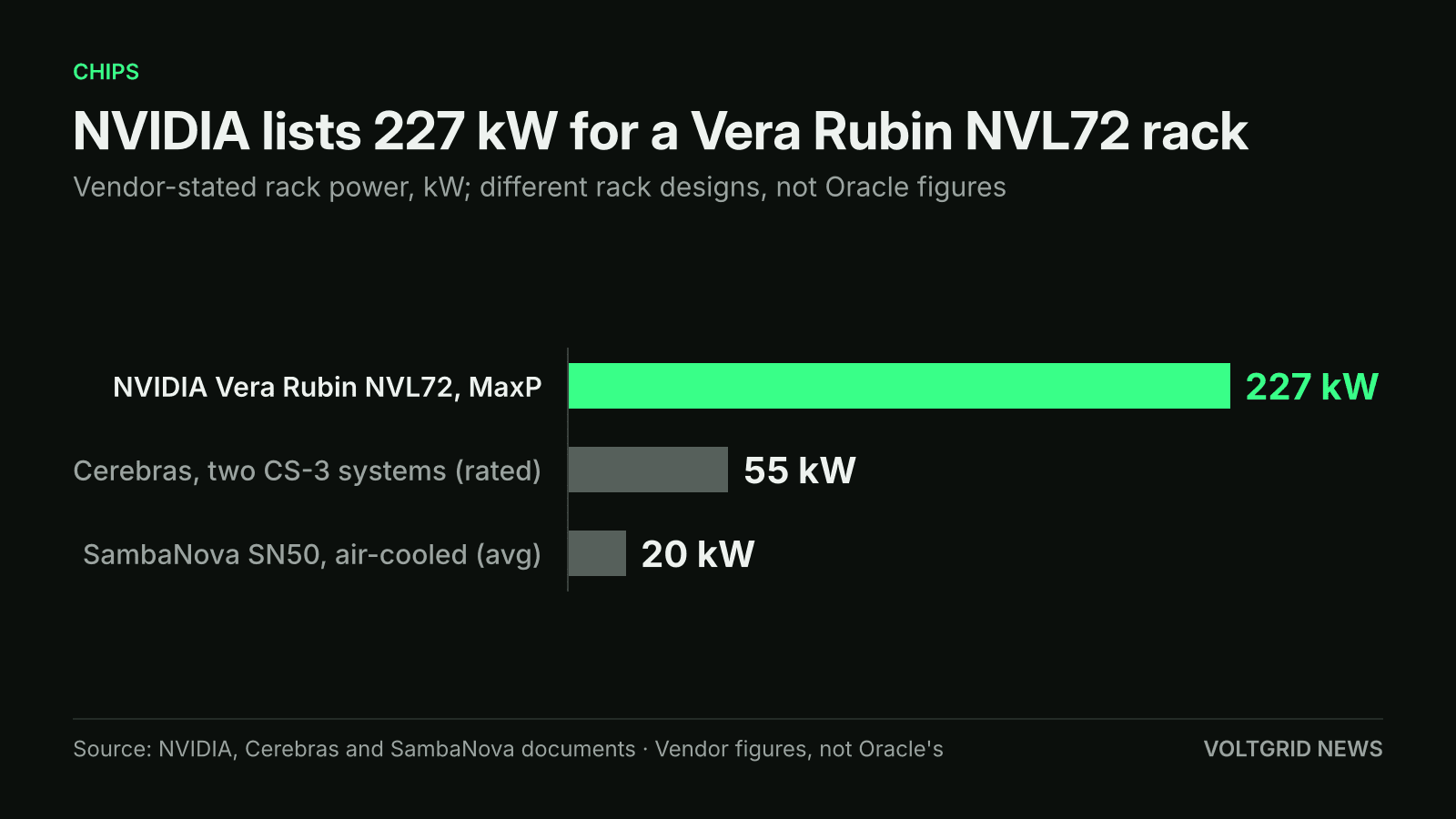
Vendor figures for different rack designs, not Oracle's: NVIDIA lists 227 kW for a Vera Rubin NVL72 rack at MaxP.
Illustration (AI-generated)
Context and what is not confirmed yet
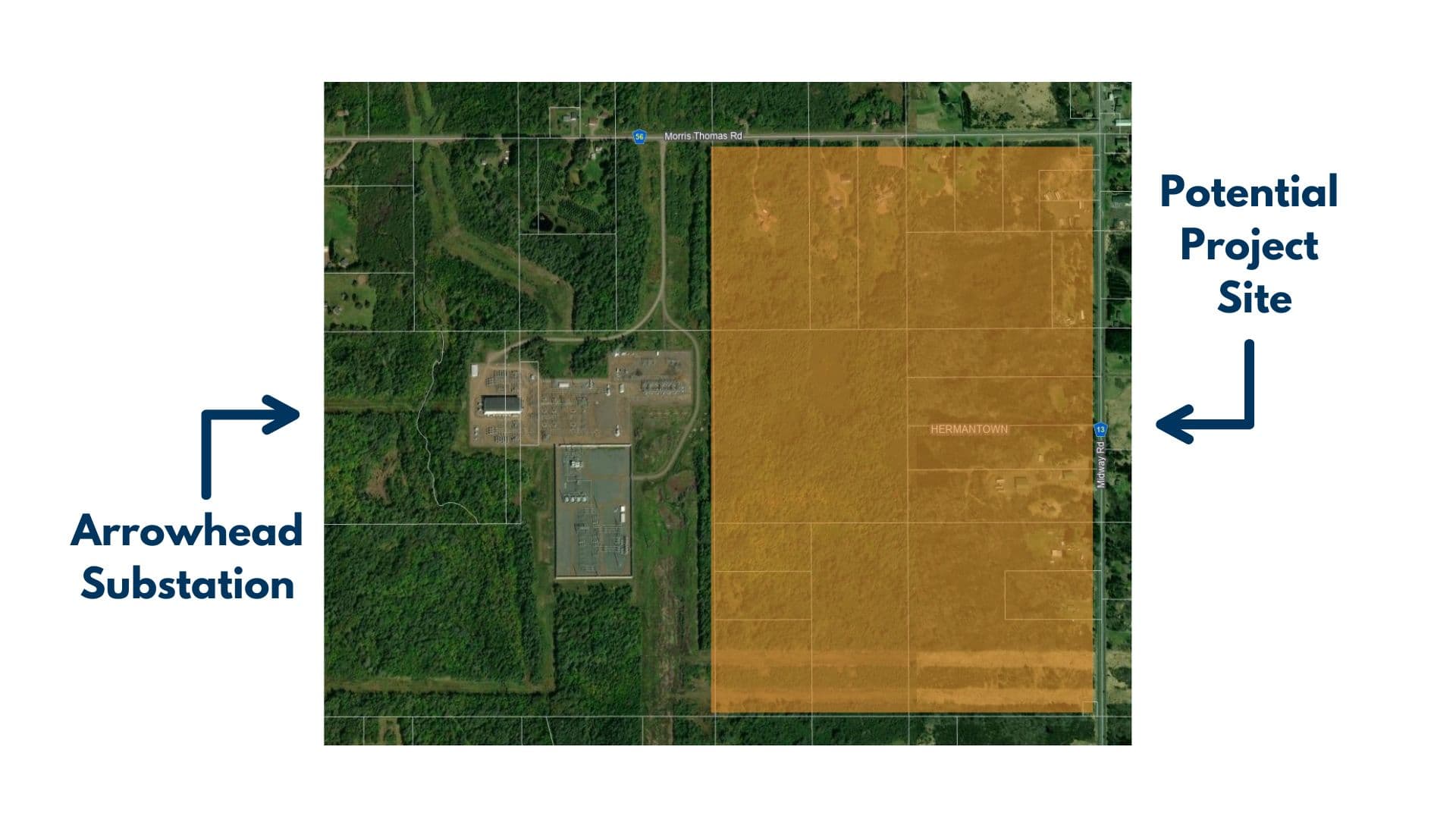
Voltgrid has tracked how the biggest buyers line up NVIDIA supply, including Google Cloud's A5X instances on Vera Rubin NVL72 and, on the site side, Oracle's 1.3 GW Wisconsin campus, where Aterio expects the 2027 target to slip.
Still open: the contract value, the delivery schedule for Rubin, Google TPU and Cerebras capacity on Oracle Cloud Infrastructure, the share of workloads moving to non-NVIDIA chips, and the financing. Those details may surface at the investor day.