Radiant Kaleidos Microreactor Wins DOE Full-Power Safety Approval
DOE approved the Documented Safety Analysis for Radiant's Kaleidos microreactor test at INL, covering full power. It is a safety-document approval, not startup authorization or an NRC licence; no fuel-load date is set.
Chips & Power DeskEdited by Ege Erten
3 min readAI-assisted

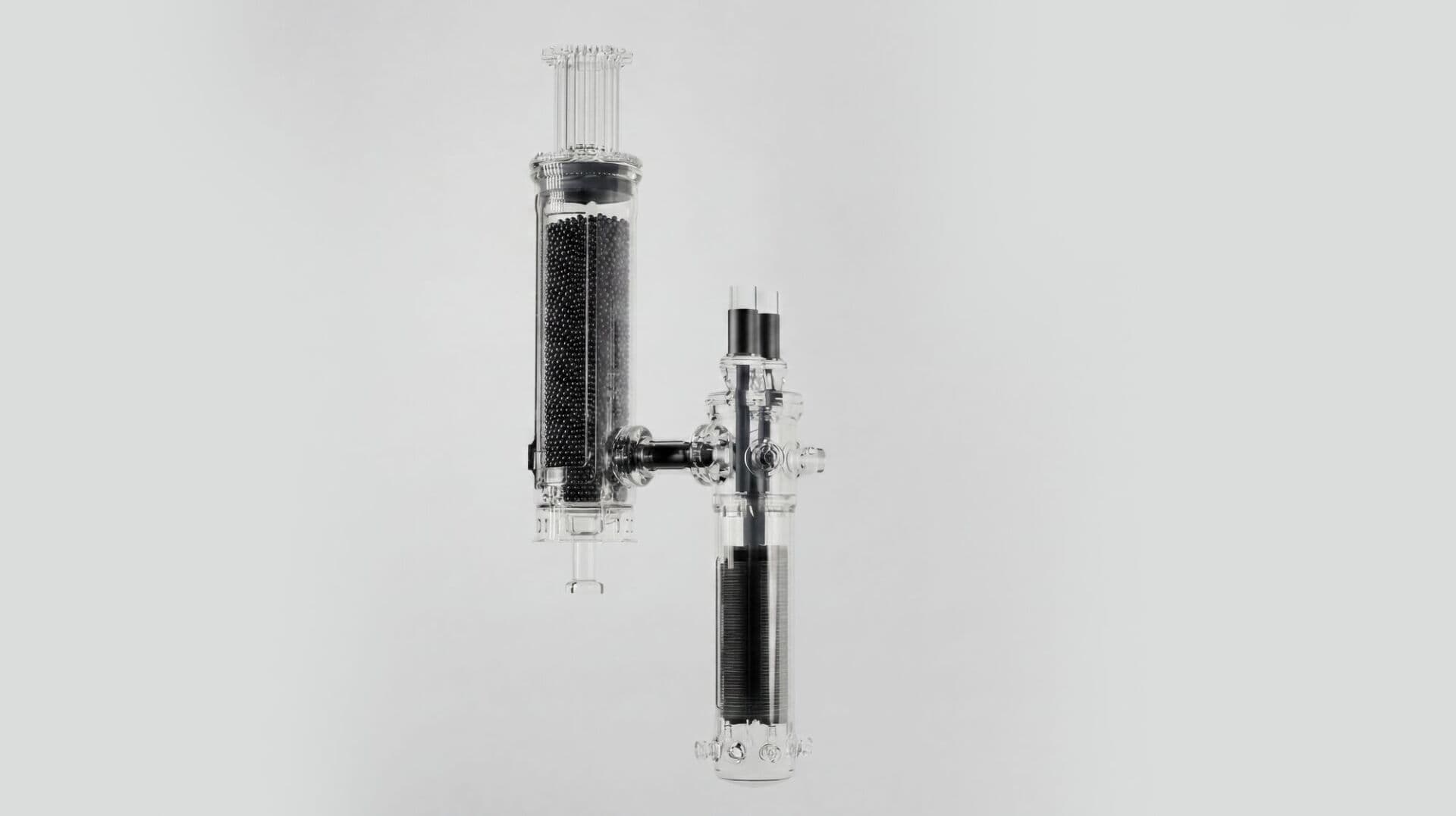
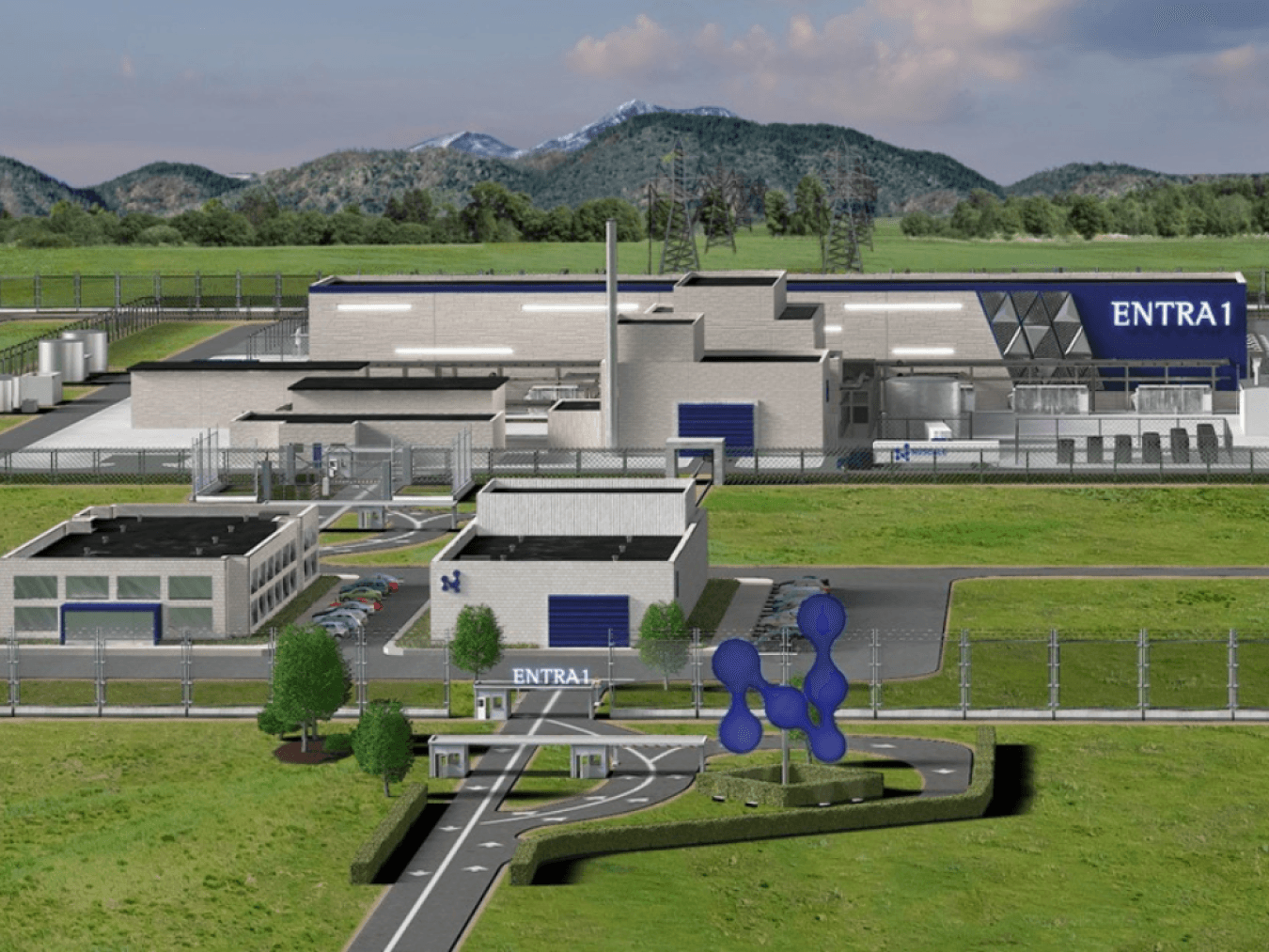
Rendering of a transportable Kaleidos unit, from Radiant's Feb. 9 release on DOE's preliminary safety analysis approval. It is an illustration, not a photo of the reactor at INL.
Image: Radiant (rendering)
Source · Press image from the Radiant newsroom release, used for news reporting.
Radiant said on Oct. 29 that the US Department of Energy (DOE) approved the Documented Safety Analysis for its Kaleidos microreactor test at Idaho National Laboratory (INL), covering full-power operation. The NRC describes the design as approximately 1 MWe.
The approval addresses initial criticality as well as operation at power and moves Radiant to DOE's Readiness Review, the next step before nuclear operations can begin, the company said in a release. DOE's startup authorization follows a successful review. Radiant calls Kaleidos the only microreactor design to win DOE safety analysis approval for full-power operation; that is the company's own claim, and DOE's quoted statement in the release does not repeat it. Most of what is known about the test comes from Radiant, so the plans below are the company's.
This is a DOE safety-document approval for a test reactor on a DOE site, not startup authorization and not a Nuclear Regulatory Commission (NRC) licence. It covers one test unit at INL. Commercial units for customers are a separate licensing question.
What the Kaleidos Full-Power Test Is Meant to Show
The US NRC describes Kaleidos as a transportable high-temperature gas-cooled reactor (HTGR) designed to make 3 MWth of heat and approximately 1 MWe of electricity. It uses TRISO fuel, helium coolant and prismatic graphite blocks, and each unit fits in a single shipping container. TRISO particles wrap the uranium in carbon and silicon carbide layers that hold fission products in at very high temperatures.
Once the Readiness Review is passed, Radiant plans to fuel the reactor and start a five-phase campaign at the National Reactor Innovation Center's DOME test bed at INL. The phases run from first criticality to higher power and end with at least 150 hours of continuous full-power operation without operator intervention, Radiant said. It plans 60 effective full-power days (EFPD) on the same unit over several months; Interesting Engineering notes that EFPD counts equivalent days at full power, not necessarily consecutive ones. Radiant built the reactor in El Segundo, California, and shipped it to INL in August.
That full-power goal sets it apart from Antares' first DOE test. Antares' Mark-0, the zero-power test reactor that reached criticality at INL in June, produced no electricity, as Voltgrid reported. A sustained full-power run would give buyers operating data on the core and unattended control, not just proof that the core can go critical.
How DOE Clears a Test Reactor to Start
Radiant is testing Kaleidos under DOE's own authorization path, not an NRC licence. DOE approves a series of safety documents; Radiant's preliminary analysis was approved in February and its final Documented Safety Analysis (DSA) on Oct. 29, covering operation at power as well as first criticality, Radiant said.
Approval of the DSA does not let the reactor start. A DOE Readiness Review must first judge whether the unit and its operators are prepared, and startup authorization comes after that. Radiant gives no date for either step, so fuel load and first criticality at INL are still open. Commercial units would need a separate NRC licensing path, and the NRC lists no reactor licence application for Kaleidos.
Kaleidos Timeline and What Is Not Confirmed
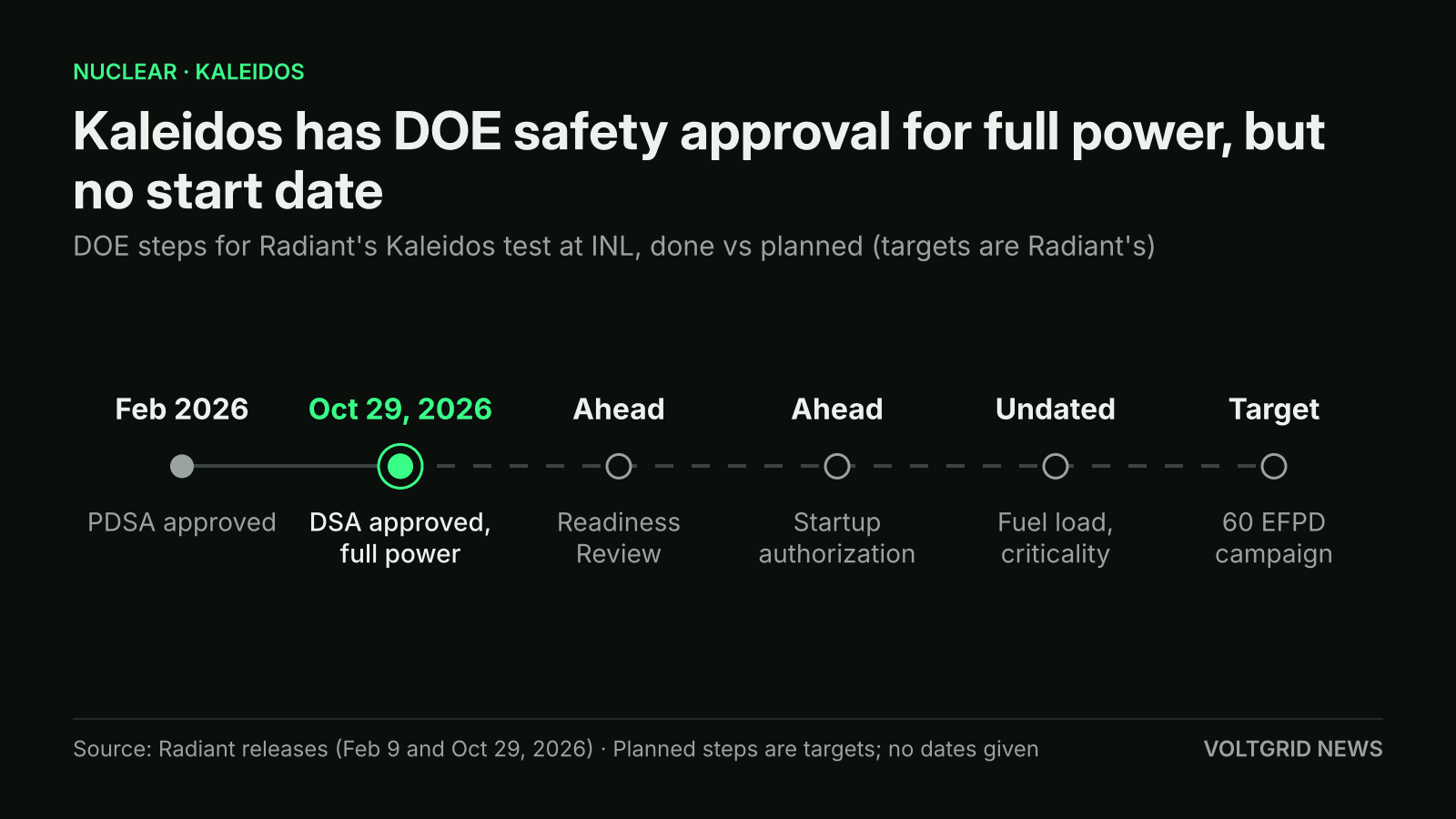
Kaleidos has cleared the PDSA and DSA; the Readiness Review, startup authorization, fuel load and the 60 EFPD campaign are Radiant targets with no dates.
Illustration (AI-generated)
The schedule has already moved. In its Feb. 9 release on the preliminary safety analysis, Radiant said it was on track to start up its first reactor at INL in summer 2026. The Oct. 29 release gives no date for the Readiness Review, fuel loading or first criticality, and Interesting Engineering notes the reactor has not yet shown the endurance or unattended operation the program targets.
Radiant plans to build Kaleidos units at its R-50 plant in Oak Ridge, Tennessee, and targets first commercial units for Buckley Space Force Base and Fort Benning in 2028. Earlier in October, the US Navy picked Radiant to put Kaleidos at Naval Weapons Station Crane in Indiana. Radiant did not give contract values or unit counts.
Voltgrid News also covered the NRC rule on citing DOE test data. On the NRC side, the agency's Kaleidos page shows pre-application talks since October 2022 under docket 99902106, and an R-50 special nuclear material licence application under review, with two sets of requests for additional information issued. No NRC reactor licence application is listed. Fuel is the other dependency: Radiant has a multi-year supply contract with fuel enricher Centrus, with prepayments and deliveries due before the end of the decade, as Voltgrid reported.
For data-center buyers, the first named customers are military bases; Interesting Engineering describes the design as meant for military installations, industrial facilities and other sites that need reliable power. What to watch next is the Readiness Review result and a first-criticality date, the first real check on the 2028 target.
Sources
- 01Radiant Achieves Industry Milestone as the Only Microreactor Design to Secure DOE Safety Analysis Approval for Full Power OperationsRadiant (Business Wire) · financialcontent.com
- 02Radiant Receives DOE Approval of Preliminary Documented Safety Analysis, Latest Milestone Towards Start Up of First ReactorRadiant (Newswire release) · newswire.com
- 03Kaleidos: Pre-Application Activities for Advanced ReactorsUS NRC · nrc.gov
- 04US clears safety hurdle for extended nuclear microreactor testingInteresting Engineering · interestingengineering.com