Sila Panasonic Anode Deal Has Over $1B Potential, Eyes 2028 Expansion
Sila's multi-year Titan Silicon deal with Panasonic Energy has potential for over $1 billion of offtake, per the release. Moses Lake capacity is to grow from about 2 GWh to tens of GWh.
2 min read
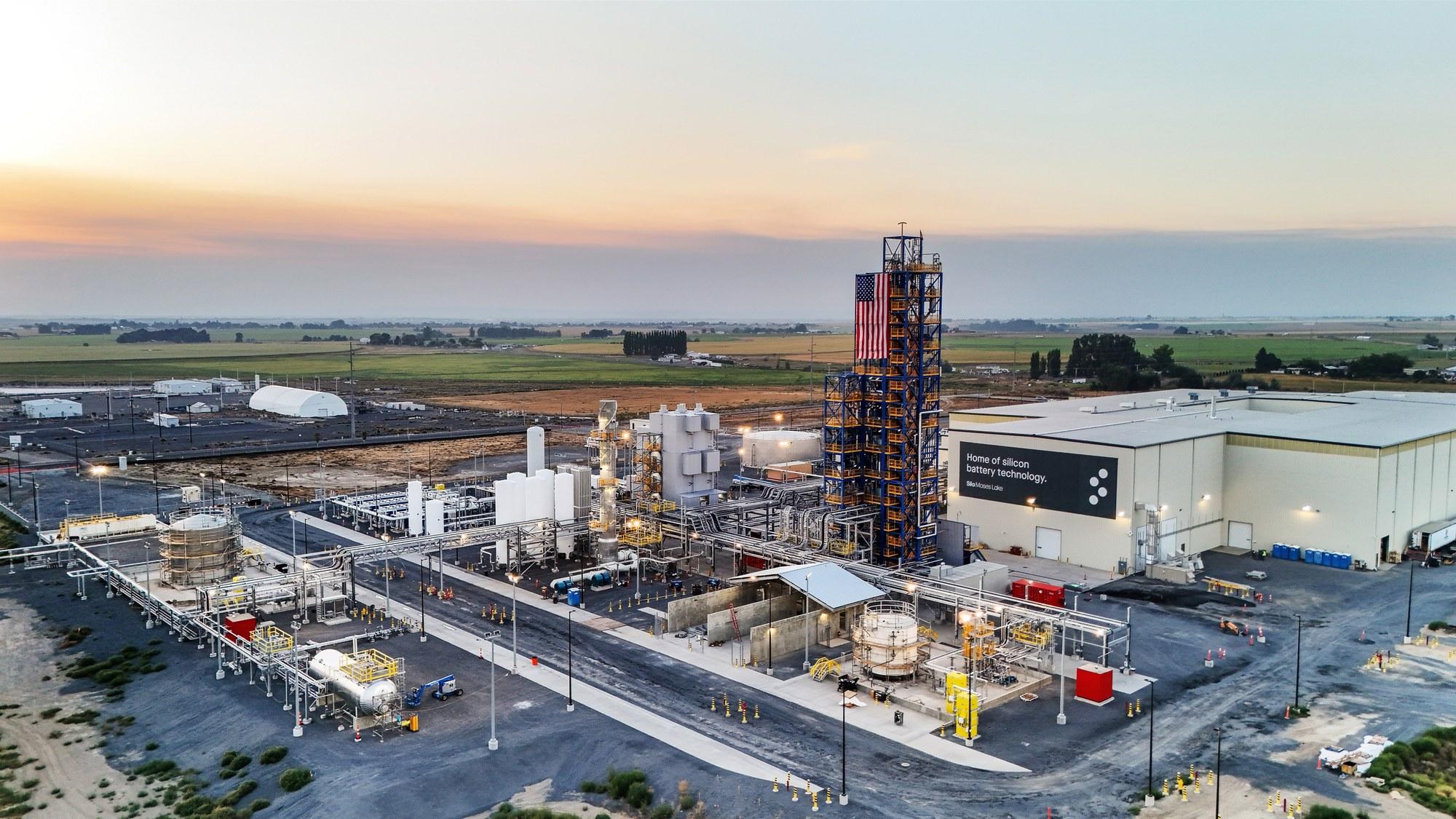
Sila's Moses Lake, Washington plant, where Titan Silicon anode material is made.
Image: Sila
Source · Press image from the Sila newsroom, used for news reporting.
Sila, the Washington-state battery materials company, said on Nov. 18, 2026 that it signed a multi-year anode offtake agreement with Panasonic Energy Corporation of North America to supply Titan Silicon silicon-carbon anode material, in a relationship with the potential for more than $1 billion of offtake over time.
Sila will make the material at its Moses Lake, Washington plant for Panasonic battery cells, according to the company's release. The two companies will also collaborate on intellectual property. The release does not state volumes, a delivery start date or the term in years, and the $1 billion figure is a potential value, not a committed order.
The deal puts a dollar figure on a US silicon-anode supply line for one of the largest cell makers operating in North America. For Panasonic's energy unit, anode material from Moses Lake would mean sourcing a performance material domestically rather than from overseas. Sila's chief executive, Gene Berdichevsky, told GeekWire the US still depends heavily on overseas suppliers for core battery materials.
Moses Lake Plant and 2028 Expansion Plans
GeekWire reported that the Moses Lake plant began operating last year and has about 100 full-time employees. Its initial capacity is designed to supply batteries totalling about 2 GWh, enough for roughly 20,000 to 50,000 electric vehicles depending on how the material is used. Berdichevsky said the expansion will lift that to tens of gigawatt-hours, and that Sila aims to start manufacturing at the expanded facility in 2028, with output rising over time. The release estimates 500 additional manufacturing and construction jobs as production scales for this agreement and other commitments.
Sila says Moses Lake's initial capacity of about 2 GWh is to expand to tens of GWh, with manufacturing at the expanded plant aimed to start in 2028.
Graphic: Voltgrid News
Berdichevsky said Titan Silicon lets a battery store 20% to 40% more energy in the same space and roughly halves recharging time against a conventional graphite anode. Those are company claims, and no test conditions were published with them.
Pentagon Loan, Funding and Rival Group14
The contract follows a conditional loan commitment of up to $1.4 billion, announced in August, from the US Department of Defense's Office of Strategic Capital. GeekWire noted that Sila must still meet financial, legal and technical conditions before the loan is final. Sila earlier received a $100 million federal grant that helped build the plant, and has raised $1.6 billion from private investors, including a $300 million round announced in July. PitchBook values the company at $2.27 billion, according to GeekWire.
Group14, also based in the Seattle area, makes a silicon-carbon anode material. GeekWire reported that it produces commercial-scale volumes at a plant in South Korea and has partly built a Moses Lake site, but has repeatedly delayed production there and now targets mid-2027 for the first of two production units.
What Is Not Confirmed Yet
Neither company has said which Panasonic cell plants will receive the material, how many tonnes or gigawatt-hours the contract covers, or when deliveries start. The release says Moses Lake will be ready to supply key customers "once qualified", so Panasonic's qualification of the material is still pending. The Pentagon loan is conditional, and no cost has been given for the expansion.
Sources
- 01Sila Inks Long-Term Offtake Deal with Panasonic Energy to Power Domestic Battery ProductionBusiness Wirebusinesswire.com
- 02Sila Inks Long-Term Offtake Deal with Panasonic Energy to Power Domestic Battery ProductionSilasilanano.com
- 03Battery startup Sila lands potential $1B Panasonic deal, plans Central Wash. expansion adding 500 jobsGeekWiregeekwire.com
- Published
- Sources
- 3 cited