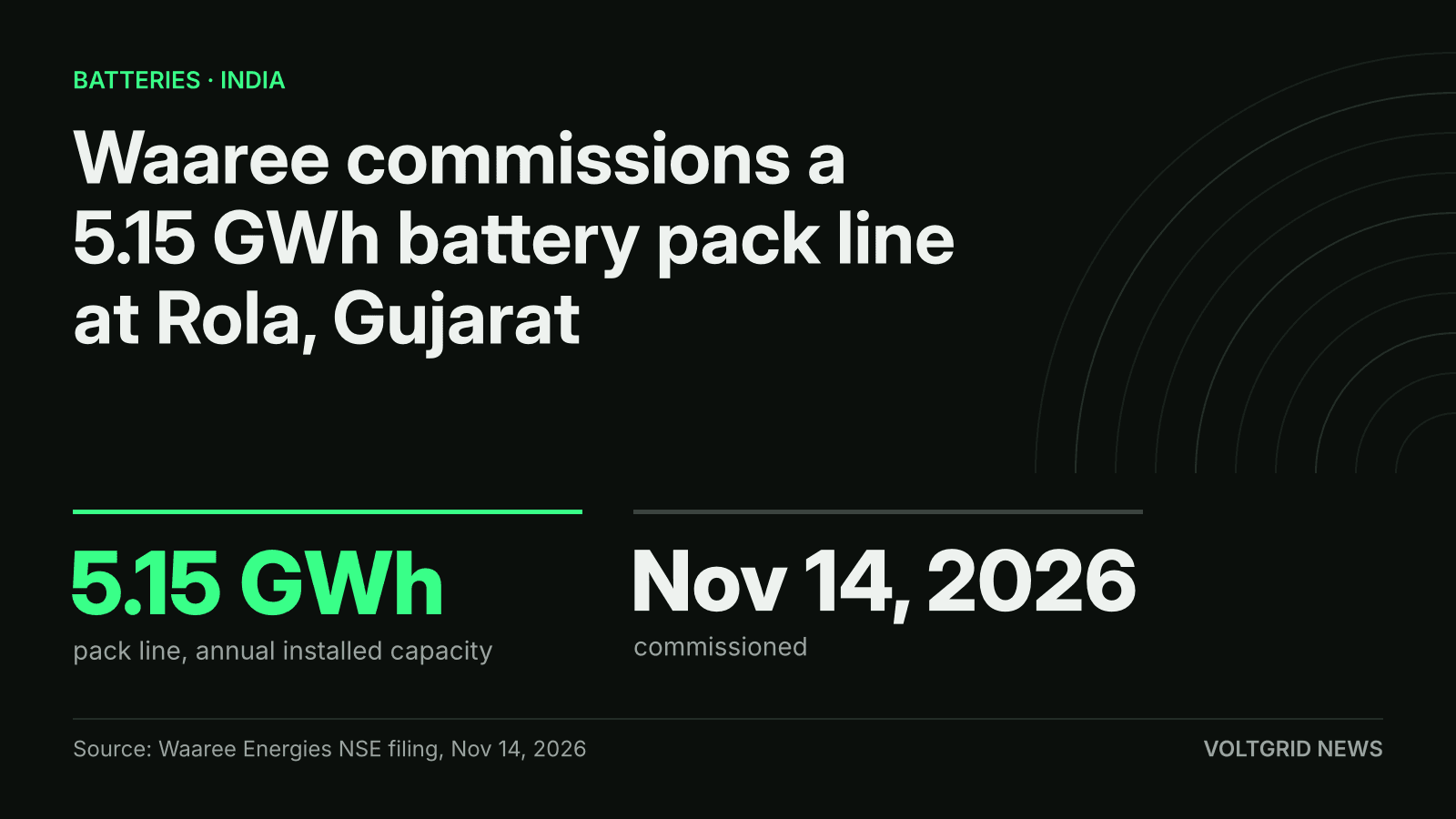
LG Energy Solution Shows JF3 AC LINK, Sodium-Ion SST at RE+ 2026
LG Energy Solution will show US-made LFP JF3 AC LINK storage, a sodium-ion plus solid-state transformer system and a UPS rack for AI data centers at RE+ on Nov. 17-19; ratings are not given.
2 min read
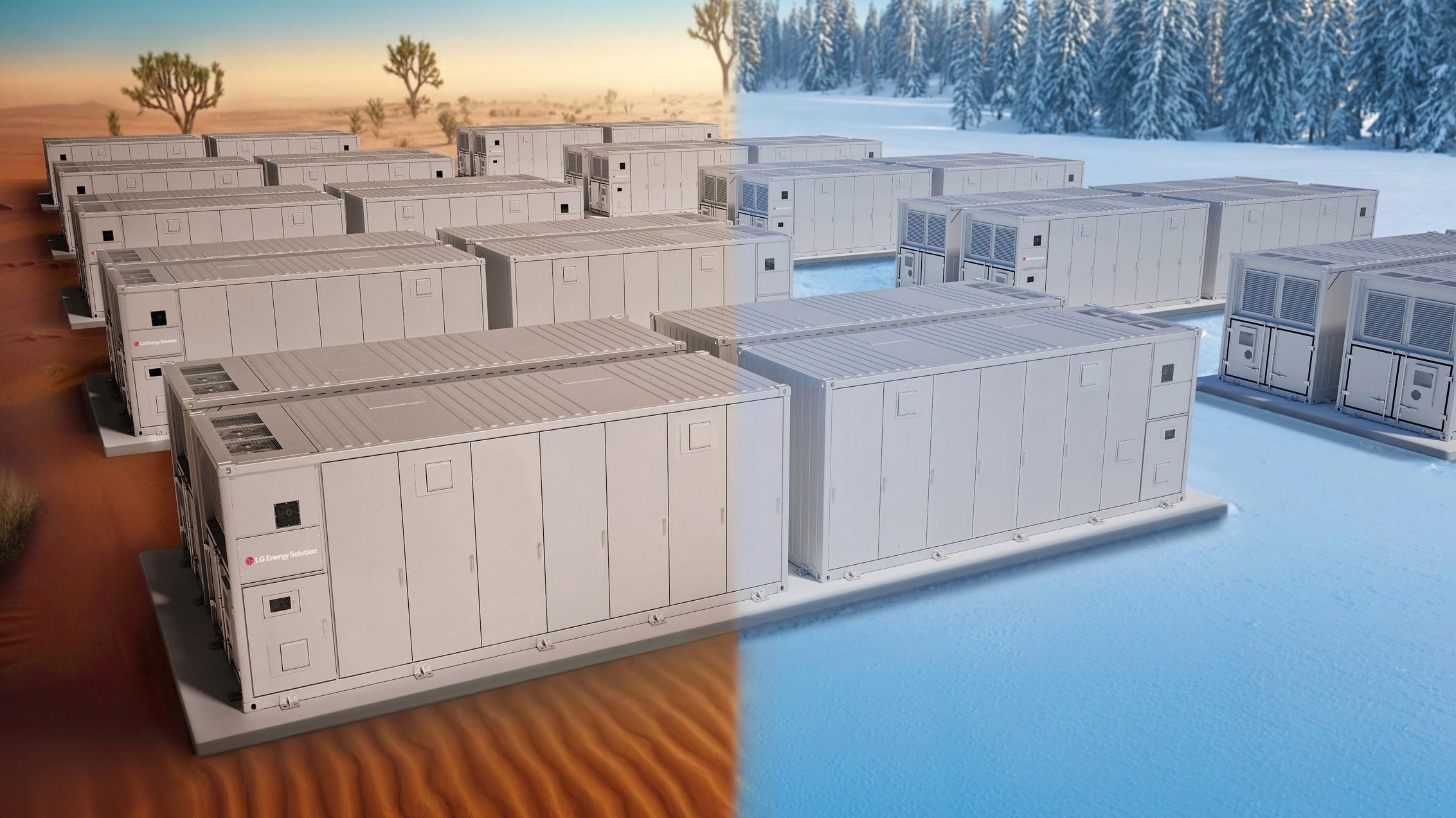
An earlier LG Energy Solution image of its grid-scale JF3 DC Link storage system; it is not the JF3 AC LINK shown at RE+ 2026.
Image: LG Energy Solution
Source · Press image from the LG Energy Solution newsroom, used for news reporting.
LG Energy Solution said on Nov. 15 that it will show an AI data center power package at RE+ 2026 in Las Vegas on Nov. 17-19, led by a grid-scale JF3 AC LINK storage system built on US-made LFP cells and a sodium-ion plus solid-state transformer system.
The company has booked a 279-square-meter booth, about 20% larger than last year, according to MoneyToday and Businesskorea. The core exhibit bundles a battery energy storage system (BESS), an uninterruptible power supply (UPS), battery backup units (BBU) and an energy management system, so one package stores power, supplies it and rides through outages. MoneyToday adds that LG Energy Solution will highlight its selection as a partner in Nvidia's "DSX Ready BESS" program.
LG Energy Solution's exhibit bundles BESS, UPS, BBU and an energy management system in one data center package.
Graphic: Voltgrid News
JF3 AC LINK uses lithium iron phosphate (LFP) cells made in the United States and, the company says, raises energy density per installation area by about 26% over its earlier product, according to MoneyToday and The Elec. That is a vendor claim: none of the reports gives the system's power in MW, its energy in MWh or a baseline model, so the 26% cannot be turned into a container size.
What is on the stand
The next-generation exhibit pairs sodium-ion batteries with a solid-state transformer (SST), a semiconductor-based power converter. The company says the pair is meant to hold power steady through frequent charge-discharge cycles and sudden swings in demand. No cell data, cycle life or timeline came with it, so this is a showcase item, not a product with a ship date.
For the server room, LG Energy Solution will show a JP6 UPS rack and a BBU built on cylindrical 2170 cells, which supply power straight to servers during an outage. The company links the cylindrical format to higher battery density per square meter of data center floor, a claim it has not backed with figures.
Why it matters for data center builders
The booth shows where cell makers want their margin to go: from selling cells to selling the rack, the container and the software that runs them. The company said it holds more than 50 GWh of battery production capacity in North America and will use its Vertech subsidiary and the AEROS Suite software to move into installation, operation and asset management. As Voltgrid reported, Vertech launched AEROS Intelligence on Nov. 12, with the same caveat that its performance figures are unverified vendor claims.
The demand side is still thin in named projects. As Voltgrid found, batteries tied to data centers with disclosed sizes total 782 MWh, against LG Energy Solution's roughly 160 GWh ESS backlog. A DSX Ready listing is a qualification, not an order.
Rival and what to watch
Edaily reported that Samsung SDI is going to the same show with "SBB 2.0," an integrated ESS in a 20-foot container based on US-made LFP prismatic cells, plus UPS and BBU products. Samsung SDI has also lined up US-made LFP supply, as Voltgrid reported on the Jupiter Power deal.
What is not confirmed yet
LG Energy Solution has not published the JF3 AC LINK's MW and MWh rating, a price, a first delivery date or a named customer. It has not said how the sodium-ion system will be sold, or whether it will leave the exhibit hall. The show opens on Nov. 17 local time, and the specification sheets handed out at the booth are the next thing to check.
Sources
- 01LG Energy Solution to Unveil Next-Generation Power Solutions at RE+ 2026TheElecthelec.net
- 02LG Corp. and SAMSUNG SDI Set Sights on U.S. RE+ 2026, Targeting ESS for AI Data CentersEdailyen.edaily.co.kr
- 03LG Energy Solution Targets AI Data Center Power Market… Unveils Next-Generation Batteries and ESSMoneyTodaymt.co.kr
- Published
- Sources
- 3 cited