SMIC Says AI Chip Supply Stays Tight Through 2027 as Fabs Run at 97.3%
SMIC co-CEO Zhao Haijun said on Nov. 13 that AI chip supply stays tight through 2027, with memory balancing only in mid-to-late 2028 and some tool orders taking over 24 months, Reuters reported.
Chips & Power DeskEdited by Ege Erten
2 min readAI-assisted
Follows SMIC Q3 Revenue Rises 6.1% to $3.19B as Gross Margin Hits 29.9%
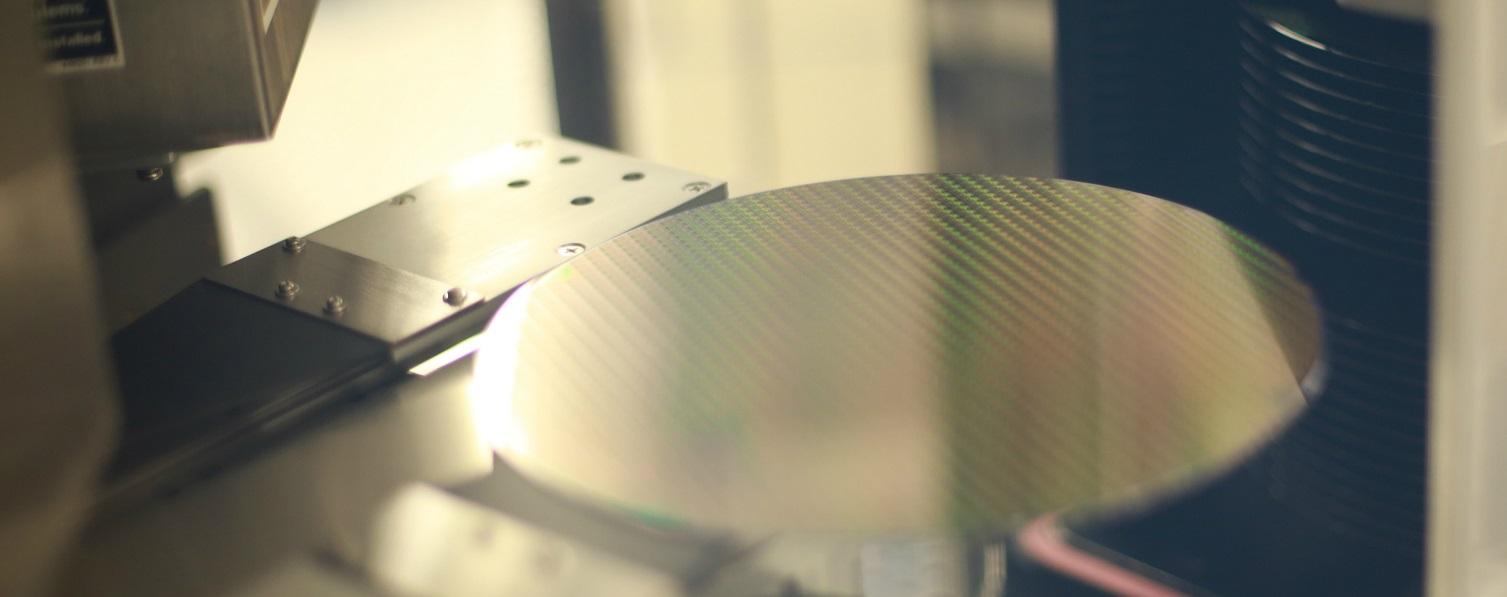
A wafer in a fab tool, from SMIC's company overview page. The image is illustrative and is not tied to the capacity discussed in the story.
Image: SMIC
Source · Press image from the SMIC website, used for news reporting.
SMIC co-CEO Zhao Haijun said on Nov. 13 that the semiconductor supply chain for AI applications will stay tight through 2027, driven by demand from data centers and private clouds, according to a Reuters report.
Zhao made the remark on the company's third-quarter earnings call, when asked whether AI was forming a bubble. He said the AI industry is still early and demand remains strong, and that many customers who need computing resources still face shortages, Reuters reported. The statement is management's own view, not an independent forecast.
Memory balance and tool lead times
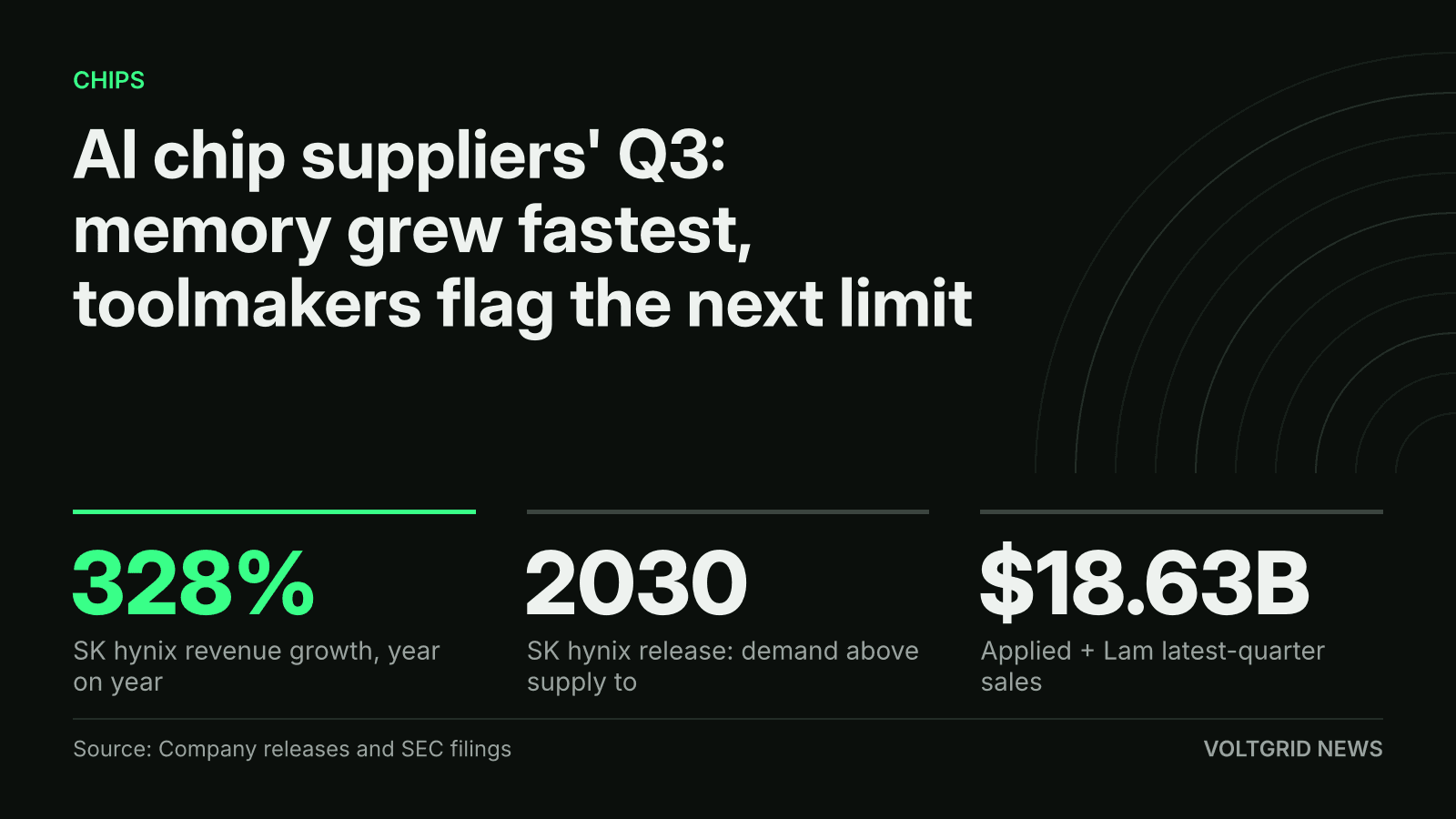
Reuters said Zhao expects memory chip supply and demand to reach balance toward the middle to end of 2028, which puts the memory squeeze about a year beyond the 2027 date he gave for AI chips overall. He also said some equipment orders take more than 24 months to deliver, which would affect SMIC's capital spending this year, and that depreciation expense will rise about 30% year on year in 2026.
SMIC management expects AI chip supply to stay tight through 2027 and memory to balance by mid-to-end 2028; this is the company's own view, as reported by Reuters.
Illustration (AI-generated)
TechNode, which covered the results the same day, put the call comment in the same terms: management commentary that AI-related supply chains remain tight through 2027, with longer equipment lead times able to shift the timing of capital spending.
Why it matters for AI hardware supply
The 2027 outlook is new. Voltgrid's Nov. 12 report on SMIC's third-quarter results, published before the call, covered the $3.19 billion quarter and a 97.3% utilization rate but had no view on how long the squeeze would last. Zhao's remarks supply that: a foundry already running at 97.3% says it cannot expect relief next year.
The tool lead times are the mechanism. A fab that must wait more than 24 months for some equipment cannot add output quickly, whatever its customers want to order. SMIC's third-quarter capital spending was $1.09 billion, down from $1.84 billion in the second quarter, according to TechNode, so the equipment queue and the capex timing are the figures to watch.
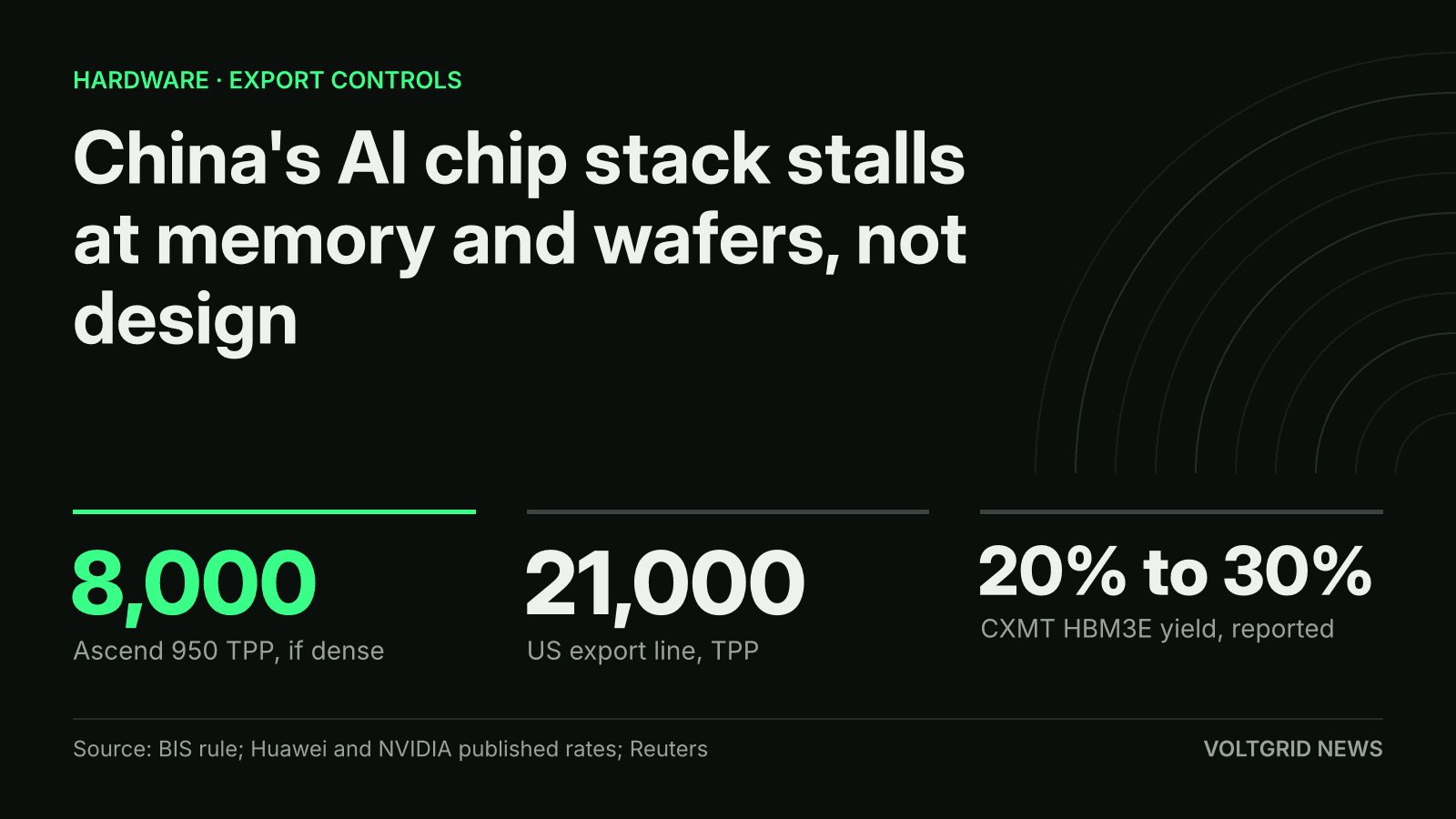
For Chinese AI accelerator makers, this adds to the limits Voltgrid described when it reported that the Huawei Ascend 950's ceiling is set by HBM yields and SMIC wafers. Zhao did not say which nodes or customers the tightness covers.
What is not confirmed yet
SMIC has not said how much of the tightness sits in advanced-node wafers as opposed to mature nodes, and the sources read here do not break out AI revenue by node. The Reuters text as carried by The Standard gives a full-year revenue figure of US$1.2 billion with no year, which conflicts with the quarterly scale, so Voltgrid does not use it. Voltgrid has not read the call transcript or the company's own materials for these remarks, and the 24-month lead time and the 2028 memory timing come from the Reuters report alone.
Sources
- 01SMIC Q3 profit more than doubles on AI demandTechNodetechnode.global
- 02SMIC says AI chip supply chain will remain tight through 2027The Standard (HK), Reuters reportthestandard.com.hk
- 03SMIC says AI chip supply chain will remain tight through 2027Google News · agenda, foundry and memorynews.google.com
- Editor
- Ege Erten
- Published
- Sources
- 3 cited
- Standards
- AI-assisted