South Korea Plans ESS Grid-Fee Waiver in 18-Item Battery Package
South Korea plans to exempt energy storage operators from grid usage fees in an 18-measure battery package, KED Global reports. Fee level, duration and start date are not yet stated.
Policy & Economics DeskEdited by Ege Erten
2 min readAI-assisted

South Korea's reported plan to exempt ESS operators from grid usage fees is one of 18 measures; the fee level has not been disclosed.
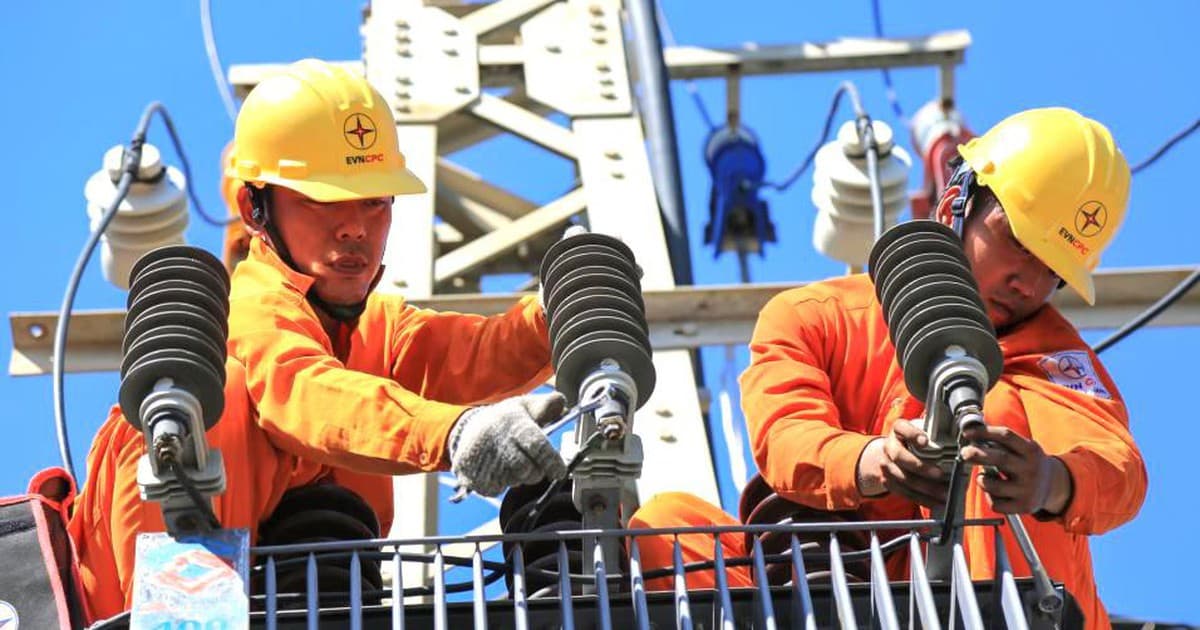
Illustration (AI-generated)
South Korea plans to exempt energy storage system (ESS) operators from power-grid usage fees as one of 18 measures in a battery-industry deregulation package announced on Nov. 2, 2026, KED Global reported. The report says the exemption would be permanent; none of the reports gives a fee level, duration or start date.
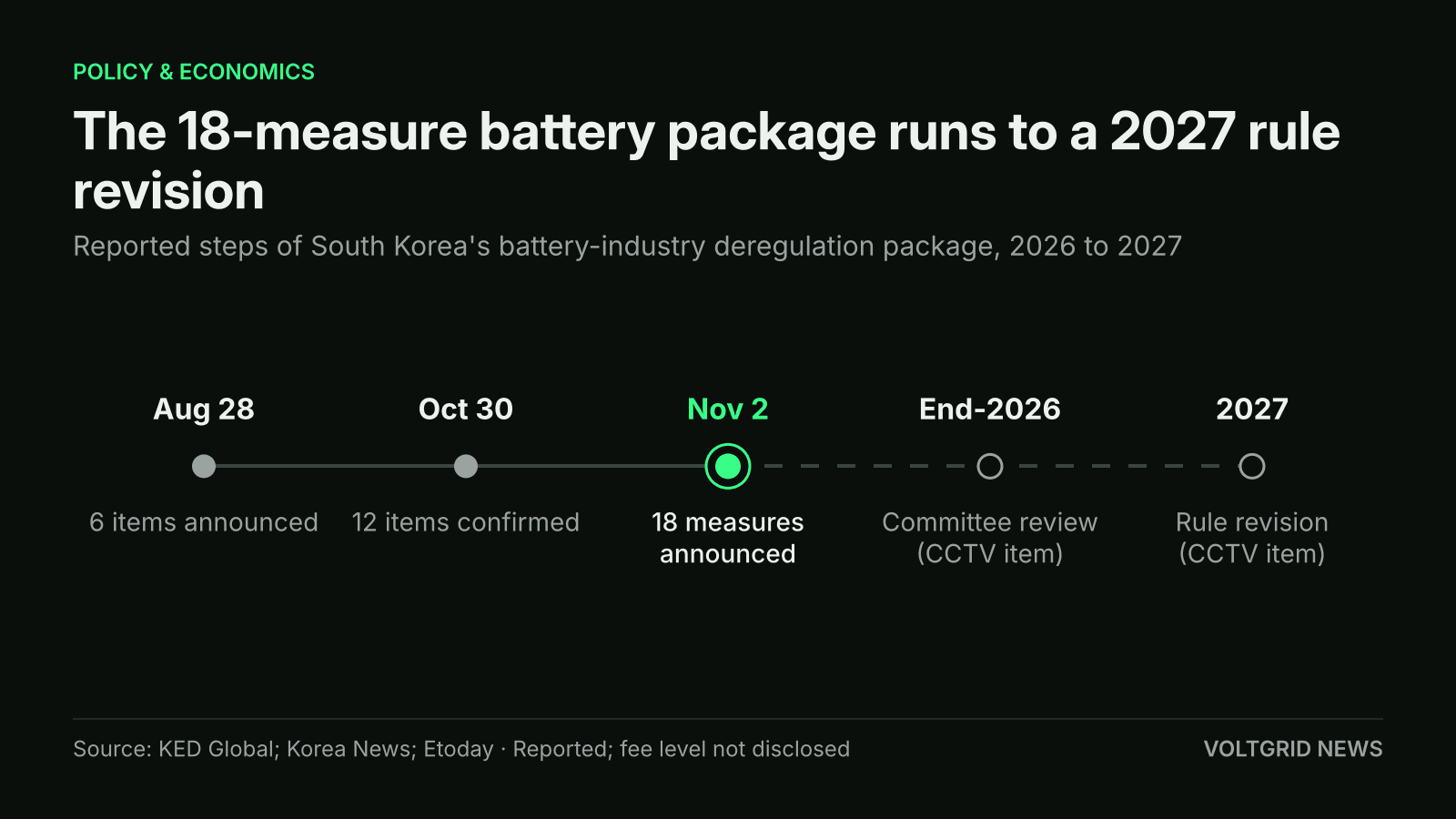
The package reached 18 measures on Nov 2; the committee review of the CCTV item is due by end-2026 and its rule revision in 2027.
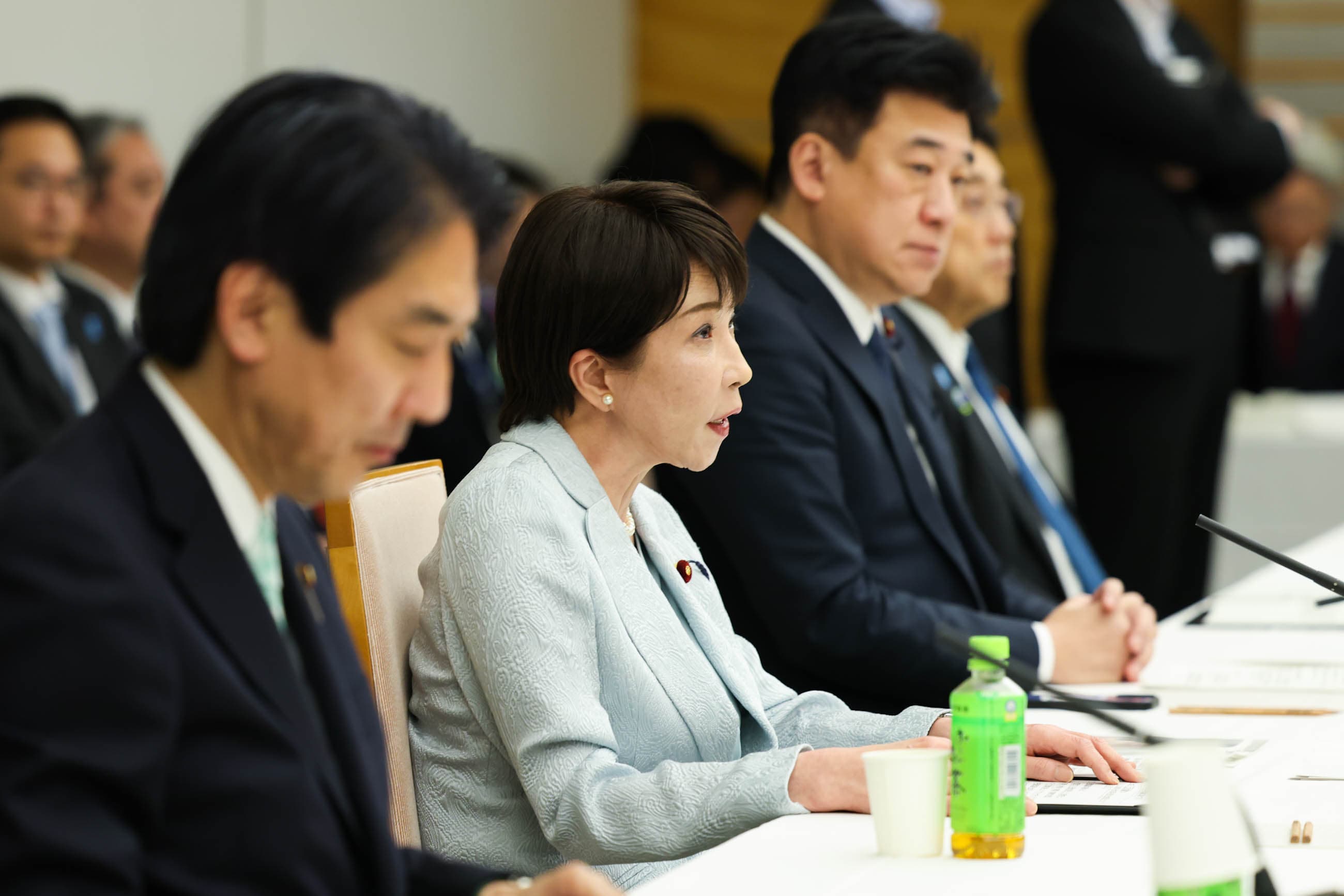
Illustration (AI-generated)
The package came from the Regulatory Reform Committee under the prime minister's office. Korean outlets report that the committee's livelihood subcommittee confirmed 12 new items on Oct. 30, joining six items published on Aug. 28. Etoday and Kyeonggi Ilbo both list the ESS grid-fee ("망이용료") exemption among the measures. Kyeonggi Ilbo ties it to recognising ESS as a generation source and says the government will pursue it "in stages", which is softer than KED Global's "permanently exempt". Treat the plan as stated intent, not as an adopted rule.
What the rule changes
Grid fees are what Korea Electric Power Corp. (KEPCO) charges for carrying power over its transmission and distribution lines. According to Hankyung, the Korean-language paper of the group behind KED Global, KEPCO's position has been that an ESS uses the grid when it charges and should pay, while the industry argues that it stores power and sends it back rather than consuming it, so a consumer-style fee is unreasonable. Hankyung describes the fee as one whose charging had been deferred until now, so a full exemption would turn a postponement into a permanent waiver. A ministry clarification on the government's policy-briefing site, headed that it is reviewing a deferral of charges for ESS installed in distribution-grid-saturated areas, shows the question was already open before this package.
Why it matters for storage economics
Charging energy is the main way an ESS touches the grid, so a fee on that flow lands directly on a storage project's margins. Removing it would lower operating cost for every Korean project that charges from the grid. How much depends on the fee level, which the sources do not give, so no per-MWh saving can be calculated yet.
KED Global links the move to the battery makers: LG Energy Solution, SK On and Samsung SDI are shifting focus to ESS from electric vehicles amid pressure from Chinese rivals. The same pivot showed up in SK On's third-quarter results and Samsung SDI's. A domestic fee waiver would help them at home, though none of the sources quantifies demand.
The rest of the package
The same announcement removes the requirement for CCTV inside container-type ESS units that people cannot enter and that use a battery management system (BMS). Yonhap and the Korea JoongAng Daily report that the committee plans to finish its review by the end of 2026 and revise the rules in 2027. Other items, per Kyeonggi Ilbo and Etoday, ease wastewater-permit changes for battery recyclers and address black-mass exports, battery ownership separation and a domestic-production tax credit.
What is not confirmed yet
None of the published reports gives the fee level, which operators qualify, how long the exemption lasts or when it starts. The government has not published its own wording on the grid fee; the details come from press reports of the announcement. Watch for the notice that sets the rule, and for whether the final text says "exemption" or a staged deferral.