Tesla, Samsung Oppose New US Tariffs on Vietnam as Nov. 29 Probe Nears
Tesla and Samsung told USTR new Vietnam tariffs would hurt US supply chains, on top of a 12.5% duty already in force, as the Section 301 IP probe nears its Nov. 29 deadline.
Policy & Economics DeskEdited by Ege Erten
3 min readAI-assisted
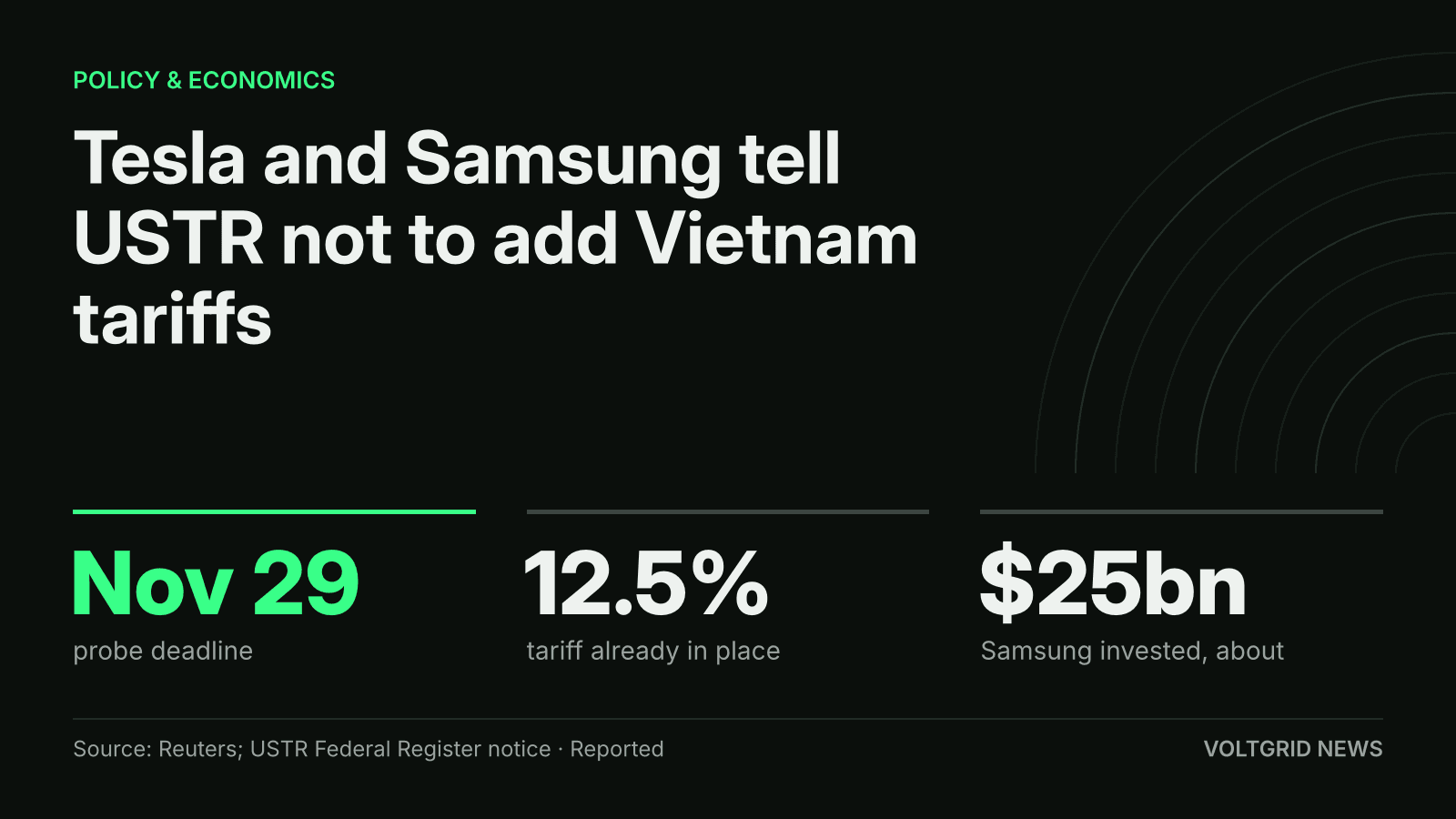
Key facts from Reuters reporting and the USTR Federal Register notice.
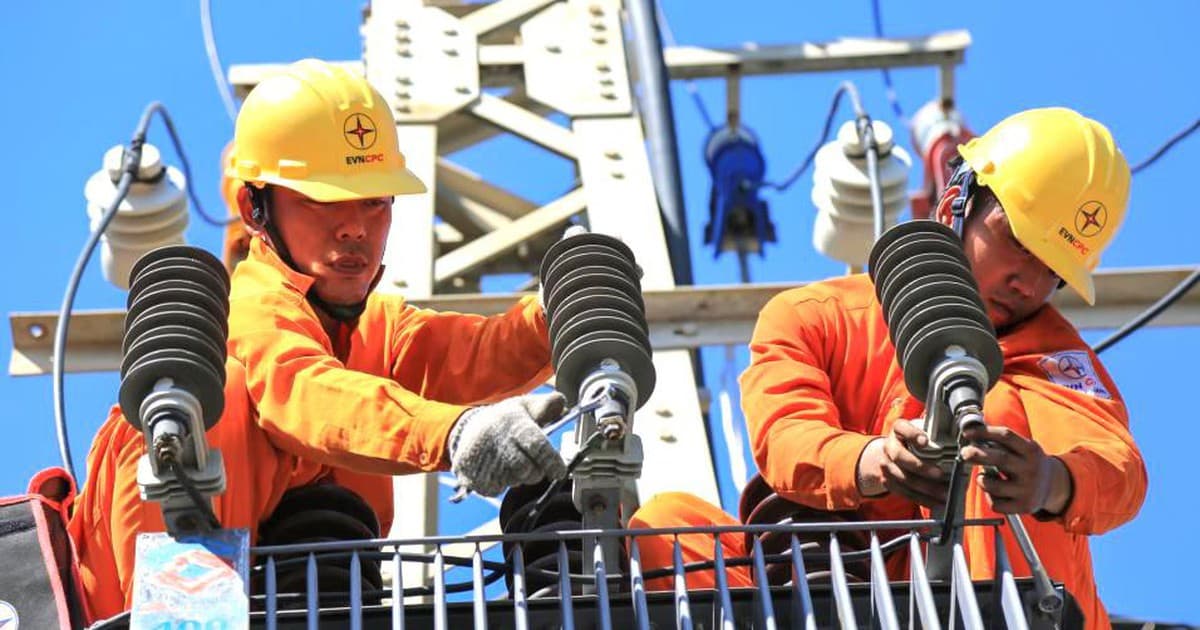
Illustration (AI-generated)
Tesla and Samsung have told the US Trade Representative (USTR) they oppose new US tariffs on Vietnamese goods, as the agency's Section 301 intellectual-property probe of Vietnam nears a Nov. 29 deadline, Reuters reported on Nov. 2.
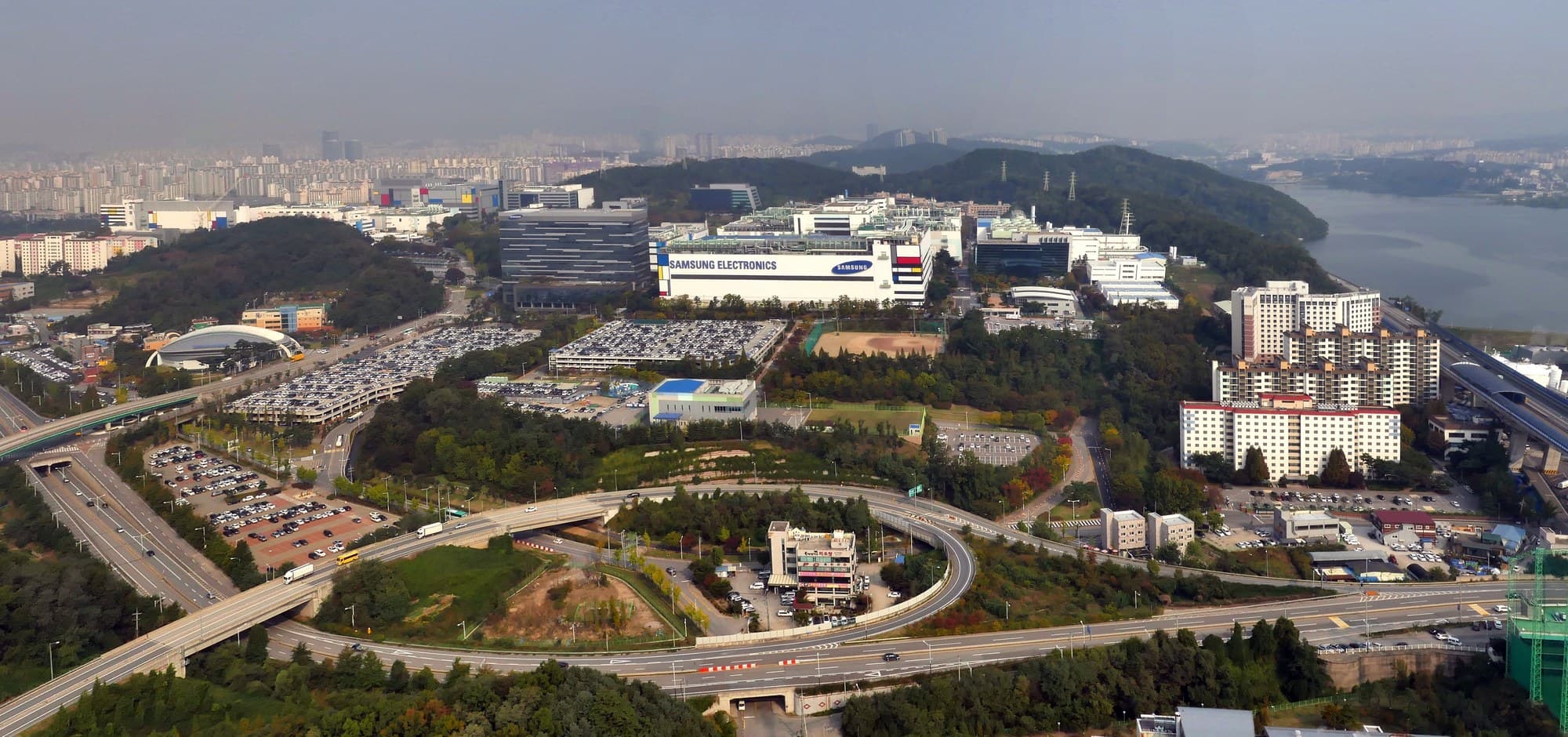
Both companies filed comments in the docket, according to submissions Reuters reviewed. Tesla, in comments sent on July 2, urged USTR to "take into account the supply chain needs of American manufacturers", saying some advanced components and precision manufacturing equipment cannot be sourced in the US despite major domestic investment. Samsung's US unit made a similar argument, noting that Vietnam produces a significant share of Samsung's smartphones and network equipment for the US market. Samsung is Vietnam's largest foreign investor, with about $25 billion invested, Reuters said.
Where the Section 301 Vietnam Probe Stands
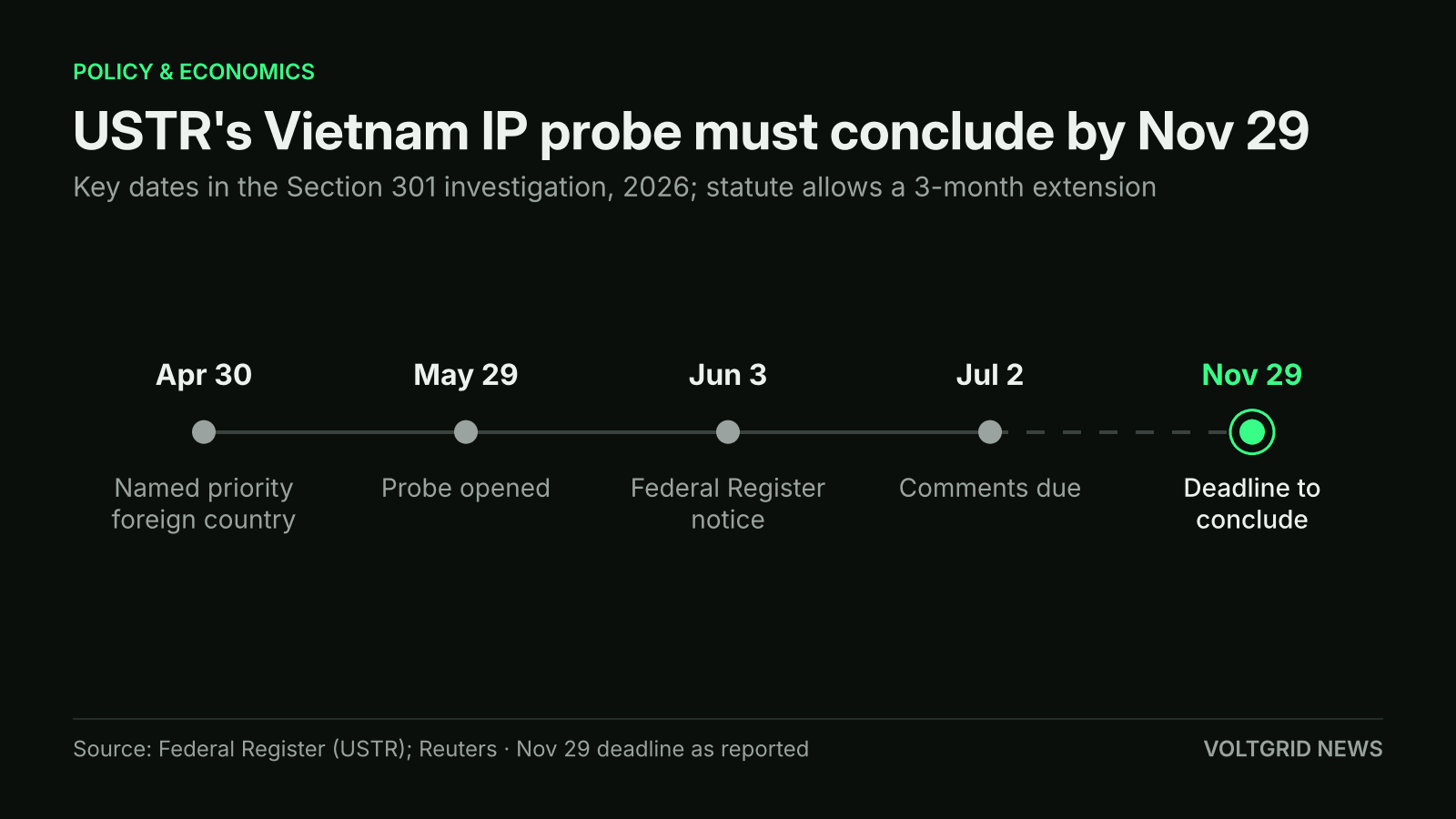
The statute gives USTR until Nov 29 to conclude the probe, with a possible 3-month extension.
Illustration (AI-generated)
USTR opened the investigation on May 29, 2026 under Section 301 of the Trade Act of 1974, after naming Vietnam a "priority foreign country" in its April 30 Special 301 Report. According to the Federal Register notice of June 3 (docket USTR-2026-0364), USTR proposes to find that Vietnam's IP protection and enforcement practices are actionable, and it asked for comments by July 2. This is an investigation with a proposed finding, not a tariff: the notice sets no rate, and Reuters said it is not clear whether any IP-linked tariffs would be general or sector specific.
The deadline follows from the statute. For a probe that starts from a priority-foreign-country designation, the Trade Representative must decide within six months of initiation, which is Nov. 29. The notice adds that USTR may extend the investigation by three months in certain circumstances.
Vietnam Already Faces a 12.5% US Tariff
Vietnamese goods already face a general 12.5% US tariff, imposed in July after a separate Section 301 probe into alleged failures to stop imports of goods made with forced labor, Reuters said. Vietnam faced 20% tariffs after the "Liberation Day" announcement, which the Supreme Court struck down, and Reuters noted that many economists expect the administration to aim to restore at least that level. A separate probe into alleged excess capacity is also under way.
The stakes are visible in trade flows. Vietnam's exports to the US rose 42% in the first eight months of 2026 from a year earlier, making it the US trading partner with the largest goods surplus, ahead of China and Mexico; at the end of 2025 it ranked fourth, Reuters said. For a manufacturer such as Samsung that ships phones and network gear from Vietnam, and one such as Tesla that imports components, a second layer of duty would stack on the 12.5% already in force. Voltgrid has covered how tariff refunds hit Tesla Energy's revenue, a sign of how tariff policy reaches Tesla's energy business.
The comments split. Retail groups and trade associations for footwear, apparel, bicycles and video game consoles also opposed additional tariffs, Reuters said. US producer groups for steel, seafood, plywood, solar panels and wood products accused Vietnam of unfair practices and asked for new tariffs. Software, film and music groups asked for concrete commitments on piracy; the Business Software Alliance said about three-quarters of software on Vietnamese personal computers was unlicensed, citing a 2017 survey, and the Motion Picture Association said Vietnam-hosted sites drew over 12.5 billion visits worldwide last year.
What Is Not Confirmed Yet
No determination or proposed tariff rate has been published as of Nov. 2. USTR could close the probe without duties, accept commitments from Vietnam or propose measures; the notice allows tariff and non-tariff actions. Vietnam has urged Washington to conduct its investigations objectively, Reuters said. The next dated step is Nov. 29, unless USTR uses the three-month extension.