St. Cloud Council Backs 4-3 Motion for One-Year Data Center Moratorium
Minnesota's St. Cloud council dropped its first data center zoning rules on Nov. 16 and backed a one-year moratorium; a public hearing and possible final vote are set for Dec. 21.
2 min read
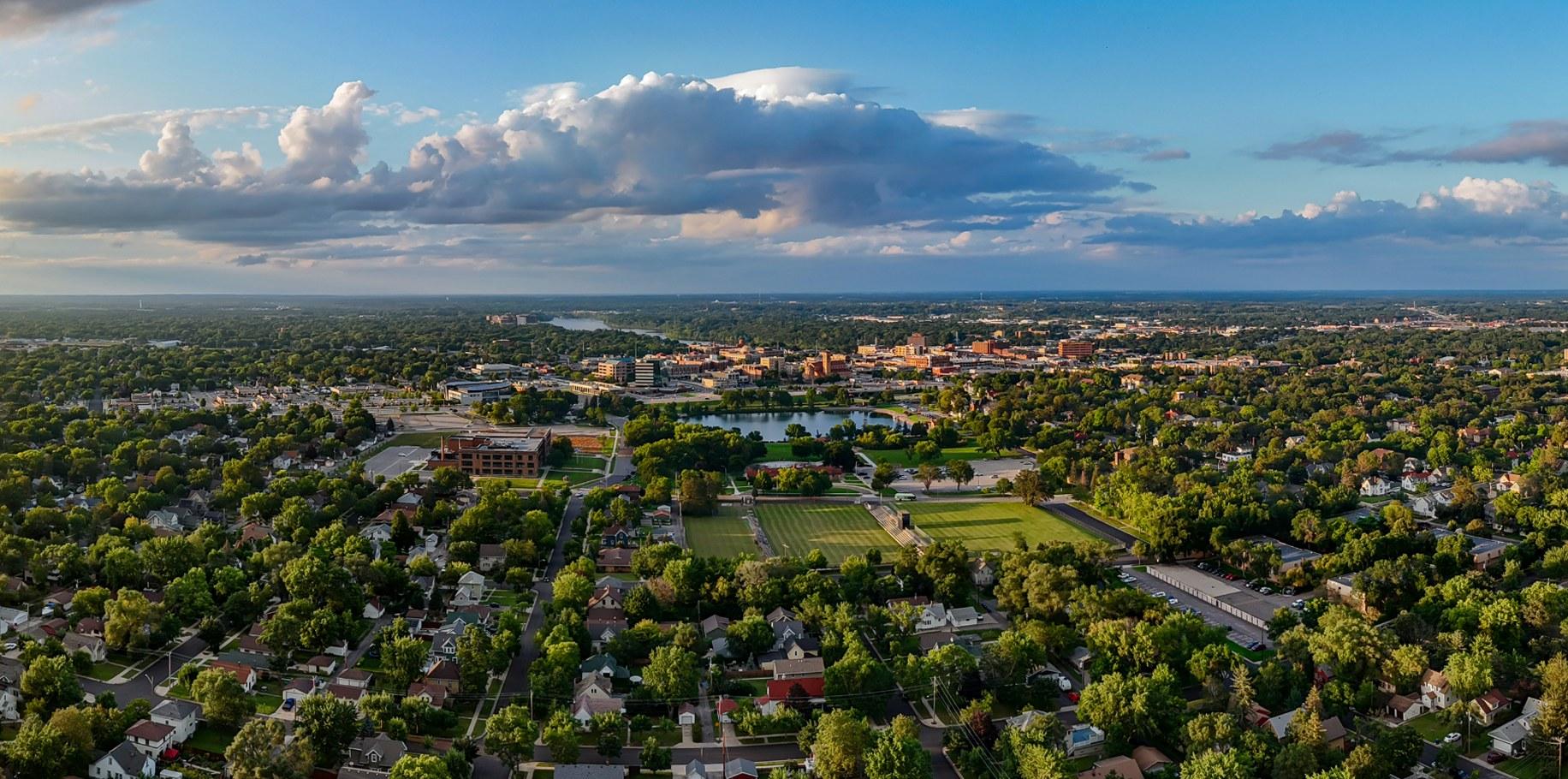
St. Cloud, Minnesota, from the city's website. A general city view, not a data center site: the city says no company has submitted a serious proposal.
Image: City of St. Cloud
Source · Image from the City of St. Cloud website, used for news reporting.
St. Cloud, Minnesota's city council voted 4-3 on Nov. 16 to drop its first data center zoning rules and replace them with a one-year moratorium on data centers, KNSI reported on Nov. 17.
The five-hour meeting drew 23 speakers against data centers and none in favor, according to KNSI. Staff had drafted two items before any developer appeared: a comprehensive-plan policy and a zoning ordinance. The policy won a 4-3 vote but failed because it needed two-thirds. Council member Larson's earlier motion to swap it for a moratorium hearing failed 3-4. Larson then moved to replace the zoning rules with a one-year moratorium on data centers and communication facilities, and that passed 4-3, with Calhoun, Larson, Johnson and Ibrahim in favor and Brodeen, Masters and Conway opposed.
After the 4-3 vote on Nov. 16, the moratorium ordinance is scheduled for introduction on Dec. 7 and a hearing on Dec. 21, according to KNSI.
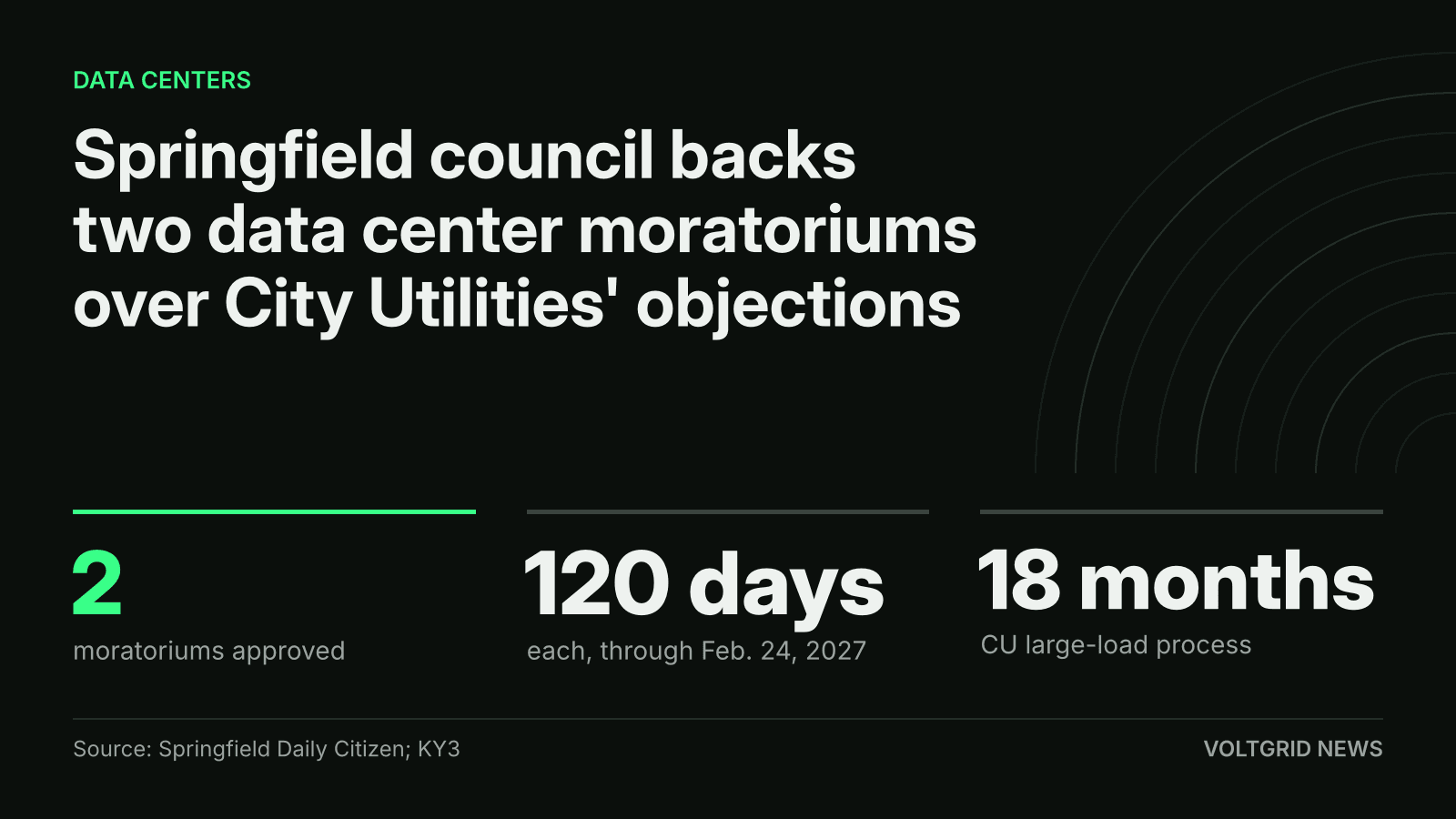
Graphic: Voltgrid News
KSTP, which also covered the meeting, described the outcome as the council not passing the policy statement or the ordinance changes and agreeing to keep discussing the issue, including a public hearing on a possible moratorium. KSTP said some council members worried a moratorium could hurt economic growth.
Why it matters
The city is regulating a category it does not yet host. Community Development Director Matt Glaesman said no company has submitted a serious proposal and the city has signed no nondisclosure agreements, per KNSI. A city administrator told KSTP that St. Cloud has given no tax breaks or subsidies to any data center. For developers, the practical effect is that no hyperscale site in St. Cloud can be filed under clear standards until the moratorium question is settled.
What the rejected rules would have required
The zoning draft would have allowed small data centers in downtown, highway commercial and industrial areas, KNSI said. Hyperscale facilities would have needed a special permit, could have been built in only one industrial district and would have had to sit at least a quarter mile from homes. Every project would have needed noise, environmental and community impact studies and a shutdown plan. In an earlier report on Nov. 12, KNSI said the city code has no data center category, so a facility could fall under a broad "communication facility" use allowed by right in the I3 planned industrial district with no design standards. A moratorium that also covers communication facilities addresses that gap.
Part of a wider pattern
St. Cloud joins cities that have chosen to pause rather than regulate. Voltgrid reported that Boise voted a 6-month moratorium on data centers of 20 MW or more and that Oakland extended its data center moratorium to Oct. 5, 2027. Council member Johnson, who backed the pause, said it "buys us time to be able to do more research, be better prepared," while Conway, who opposed it, wanted guardrails adopted that night, KNSI reported.
What is not confirmed yet
The moratorium is not in force. KNSI said the moratorium ordinance will be introduced on Dec. 7, with a public hearing and possible final vote on Dec. 21. The reports available do not give the moratorium's start date or exact scope beyond data centers and communication facilities, and neither outlet published the council's agenda packet or minutes. The city's own meeting records had not been checked when this story was filed.
Sources
- Published
- Sources
- 2 cited