Chinese Optical Transceiver Ban Reportedly Advances Despite Amazon, Google
The Trump administration is reportedly moving ahead with blocking Chinese optical transceivers, Reuters said on Nov. 17, but no rule text, vote or date has been published and the sources are unnamed.
3 min read
Follows Microsoft Reportedly Presses Trump to Scuttle Chinese Optics Ban
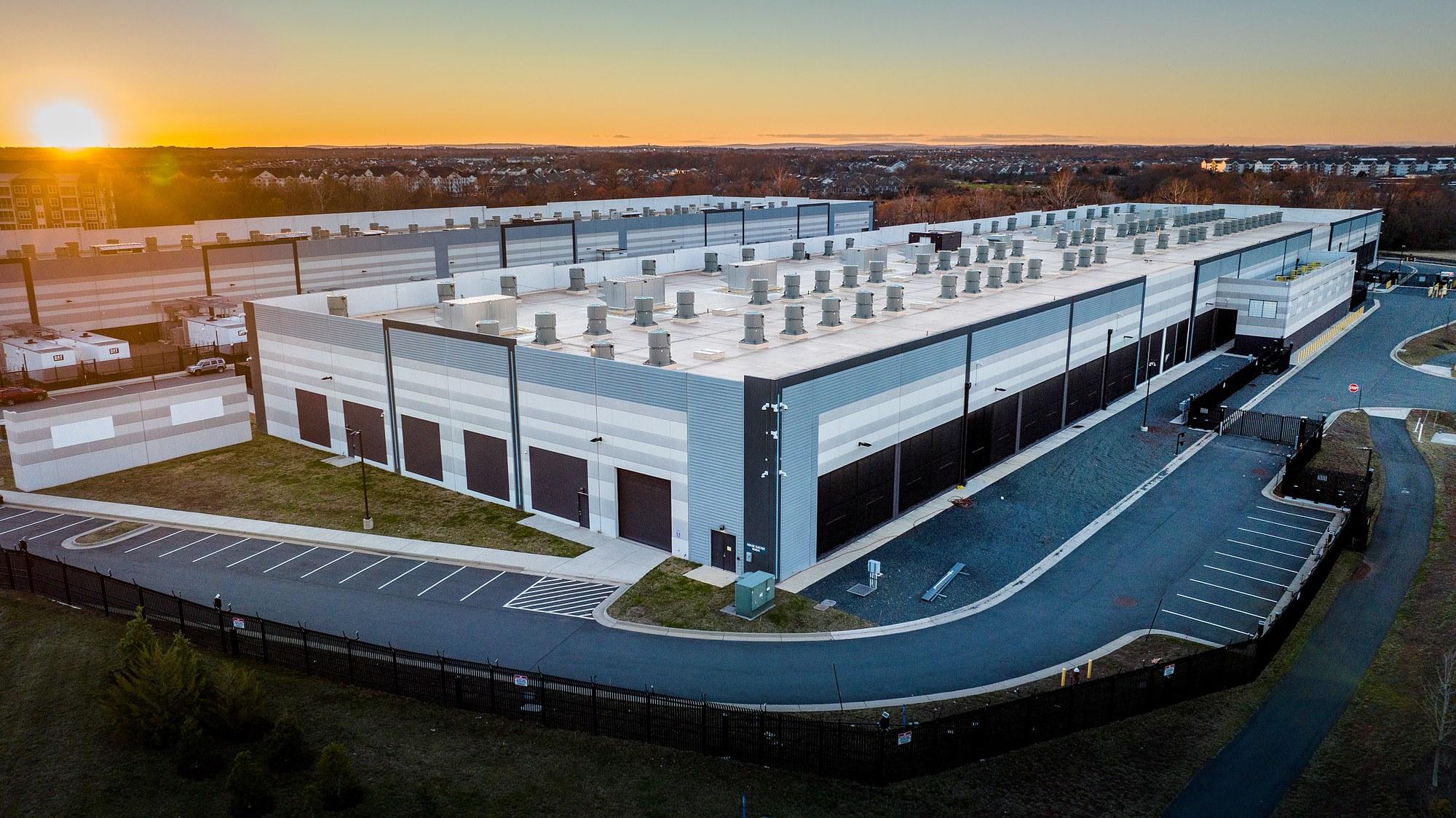
An AWS data center. Amazon is one of the hyperscalers reported to have lobbied against the ban; the photo is illustrative and does not show optical transceivers.
Image: Amazon
Source · Press image from the Amazon newsroom, used for news reporting.
The Trump administration plans to go ahead with a Chinese optical transceiver import ban, despite lobbying by Amazon, Google, Meta and other technology companies, according to a Reuters exclusive dated Nov. 17 that cites three people briefed on the matter. The sources spoke anonymously because the deliberations are private.
A week earlier, Voltgrid reported Reuters' Nov. 10 account that Microsoft was pressing the White House to drop the measure. The new report widens that group: Reuters says Amazon, Google, Meta, CoreWeave and Cisco joined Microsoft in a meeting with White House officials earlier this year. Two people briefed on that meeting told Reuters the executives said US companies could need up to a decade to comply with such a mandate.
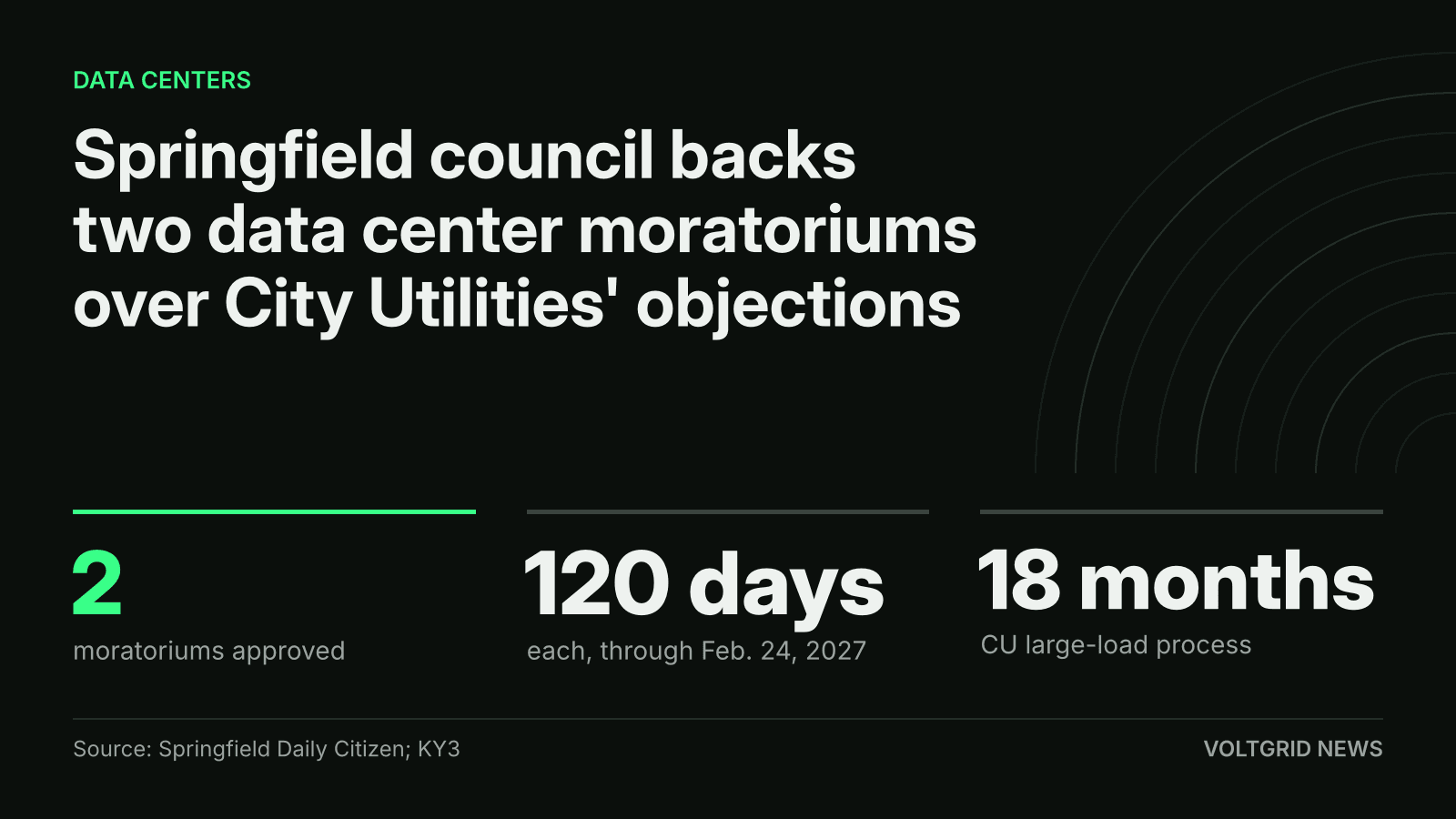
Reuters reported on Nov. 17 that the ban is moving ahead, a week after its Nov. 10 report on Microsoft's lobbying; all progress claims rest on unnamed sources.
Graphic: Voltgrid News
According to Reuters, that lobbying had raised doubts about whether the measure would proceed. Three other people familiar with the matter now say it is moving forward. The Federal Communications Commission (FCC), Amazon, Google, Meta, CoreWeave and Cisco did not respond to requests for comment, and Microsoft declined to comment. A White House official declined to comment on the lobbying or the measure's progress, and said recent FCC actions barring Chinese and other foreign equipment have led to billions of dollars in US manufacturing investment and thousands of jobs.
Why Hyperscalers Object to the Transceiver Ban
Optical transceivers are the modules that carry data over fiber inside data centers, so every GPU cluster needs them in volume. Counterpoint Research puts China's share of the global market at about two-thirds, Reuters reported, with Eoptolink and Zhongji Innolight dominating supply and top US hyperscalers among their customers. Innolight is on the Pentagon's list of Chinese military-backed companies. Coherent and Lumentum make competing products but lack the scale to replace the Chinese vendors, according to a Foundation for American Innovation report that Reuters cited.
The Next Web, reporting on the August draft, relayed Counterpoint analyst Neil Shah's warning that hyperscalers would face higher costs and lower accelerator utilization if Chinese suppliers were cut off, and that Western makers could not scale up within a year or two. That is the analyst's estimate, not a company figure.
One source told Reuters that US firms also raised the prospect of Chinese retaliation: a ban on exports of indium phosphide, a critical mineral US companies need to make their own transceivers. If that were to happen, the domestic alternative to Chinese modules would face its own input shortage.
The political backdrop
Reuters ties the push to the revelations about Nvidia chief executive Jensen Huang's alleged affair with an alleged Chinese spy, which it says have renewed calls in Washington for a tougher line on Chinese technology. It describes the FCC as the exception to President Donald Trump's softer approach to China: over the past year the agency has barred imports of new Chinese drones, robots, power inverters and routers. China hawks worry Beijing could use transceivers to steal data, install malware or disrupt service at US data centers.
What is not confirmed yet
No rule text, effective date or vote has been published, and the FCC has not commented. Voltgrid's Nov. 10 story cited a possible 3.2 terabit-per-second threshold that would spare the installed base; the Nov. 17 report, as syndicated, does not say whether that scope survives. The sources are unnamed, so the claim that the measure is moving forward rests on Reuters' reporting alone. The measure could still be changed or shelved, and Microsoft, Amazon and the other hyperscalers have not publicly said how a ban would change their buildout schedules.
Sources
- Published
- Sources
- 2 cited