Google Signs 50 MW Superhot Geothermal PPA With Quaise Energy in Oregon
Google will buy 50 MW of superhot geothermal power from Quaise Energy's Project Obsidian in Oregon as early as 2030, for its data centers in The Dalles. Price and term are undisclosed, OPB reports.
3 min read
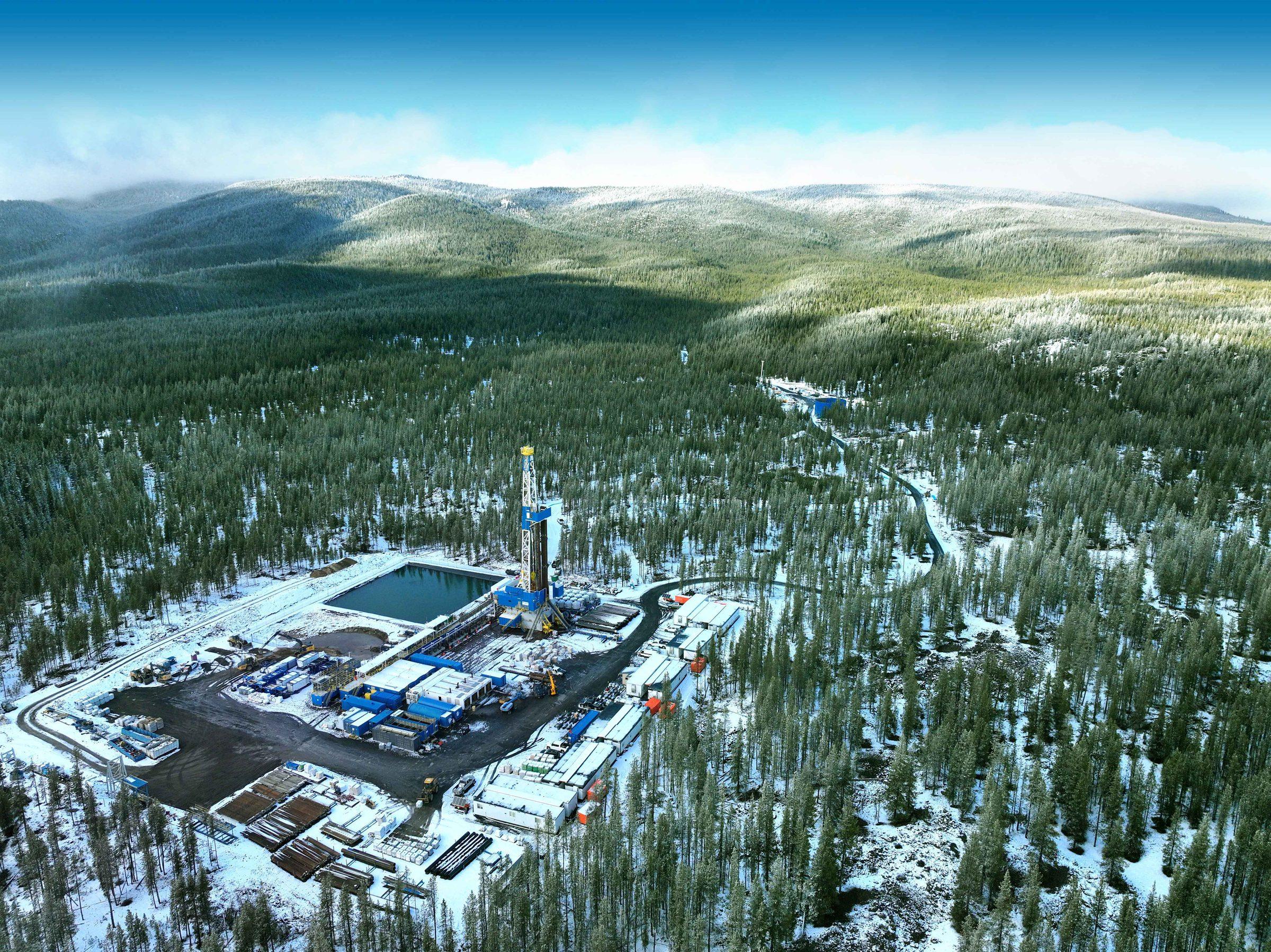
The Project Obsidian drill site in Central Oregon, where Quaise Energy plans superhot geothermal power for Google (Quaise Energy).
Image: Quaise Energy
Source · Press image from the Quaise Energy newsroom, used for news reporting.
Quaise Energy said on Nov. 17 that Google has signed a power purchase agreement (PPA) for 50 MW of superhot geothermal power from Project Obsidian in Central Oregon, with deliveries starting as early as 2030.
The power is described as always-on and carbon-free. According to Quaise's Business Wire release, it will support Google's data center operations in The Dalles, Oregon, and nearby communities. OPB, which spoke to both companies, reported that the supply is for three Google data centers in The Dalles and that the price was not disclosed. The deal is Quaise's first commercial geothermal agreement, OPB said. Quaise said in March 2026 it had already signed a PPA for its first 50 MW with an undisclosed customer; Tuesday's announcement names Google as the buyer.
For data-center planners, the draw is firm supply. A geothermal plant runs around the clock, unlike wind or solar, so 50 MW of it covers a flat slice of load rather than a daytime peak. The size is modest: the release says Google signed agreements for nearly 35 GW of new clean energy from 2010 to 2025, so this PPA adds a small block. It is also a PPA, a purchase contract, which separates it from the equity stakes and development agreements in Voltgrid's tally of big-tech nuclear deals.
How Superhot Geothermal Differs From Conventional Geothermal
Conventional geothermal needs a natural reservoir of hot water, which rarely exceeds 400 F, according to Quaise's release. Superhot geothermal drills far deeper into hotter rock, which OPB puts at nearly 800 F, then circulates water through it to make steam for a turbine. Quaise claims this yields up to 10 times more clean power per well, a vendor figure not yet tested at Obsidian.
The trade-off for a data-center buyer is time and cost. Google's 50 MW PPA is a purchase contract for power as early as 2030, but the wells, the plant and a 10-mile line must still be built, and no price has been disclosed.
What Obsidian has to prove
Quaise says Obsidian will be built in two phases. Phase 1 uses conventional drilling to reach superhot geothermal conditions at commercial scale. Phase 2 is expected to be the first in the world to use millimeter wave drilling, a technique developed after more than a decade of research at MIT, to reach those conditions.
The release does not say which phase the 50 MW comes from. Nabors, Quaise's largest shareholder, labels Obsidian's initial phase 'Phase I of III' with 50 MW of capacity in a September 2026 investor deck, so the phase count differs from the release's two phases. OPB quoted Quaise chief executive Carlos Araque as saying Obsidian could reach about 1 GW within the next decade and that the Newberry basin could hold 10 GW, which are his estimates rather than permitted capacity.
Money, jobs and the grid
Quaise closed a $180 million Series B round in August 2026, including $35 million from Nabors Industries, according to the release. The company expects 200 to 400 construction jobs and more than 50 permanent jobs at Obsidian.
Power still has to reach the load. OPB reported that Quaise must build a 10-mile line from the Newberry site to the nearest substation in La Pine. It also reported that the federal entity that owns about 75% of the region's transmission, the Bonneville Power Administration, built one mile of it between 2020 and 2025. For comparison, Google's firm-power deals elsewhere, such as its 22-year Loviisa nuclear PPA with Fortum, rest on proven plants. Obsidian has no power plant yet; Quaise is drilling at the site and Nabors says it has deployed a PACE-B rig there.
Quaise must build a 10-mile line from the Newberry site to the La Pine substation, OPB reported.
Graphic: Voltgrid News
What is not confirmed yet
Neither company has disclosed a price or a contract term. The 2030 start is "as early as", not a firm date, and the release carries forward-looking statements that both companies say may differ from actual results. No drilling results from Obsidian have been published, and the grid line has no stated in-service date. Watch for a first superhot well result, the line's permitting and any disclosure of which phase supplies the 50 MW.
Sources
- Published
- Sources
- 2 cited


