AM Intelligence Reportedly Seeks $3 Billion for NVIDIA Vera Rubin Chips
AM Intelligence, set up by Greenko's founders, is reportedly seeking up to $3 billion in bonds and loans for NVIDIA Vera Rubin chips, plus a $300 million offtaker advance. Talks are early.
Chips & Power DeskEdited by Ege Erten
3 min readAI-assisted
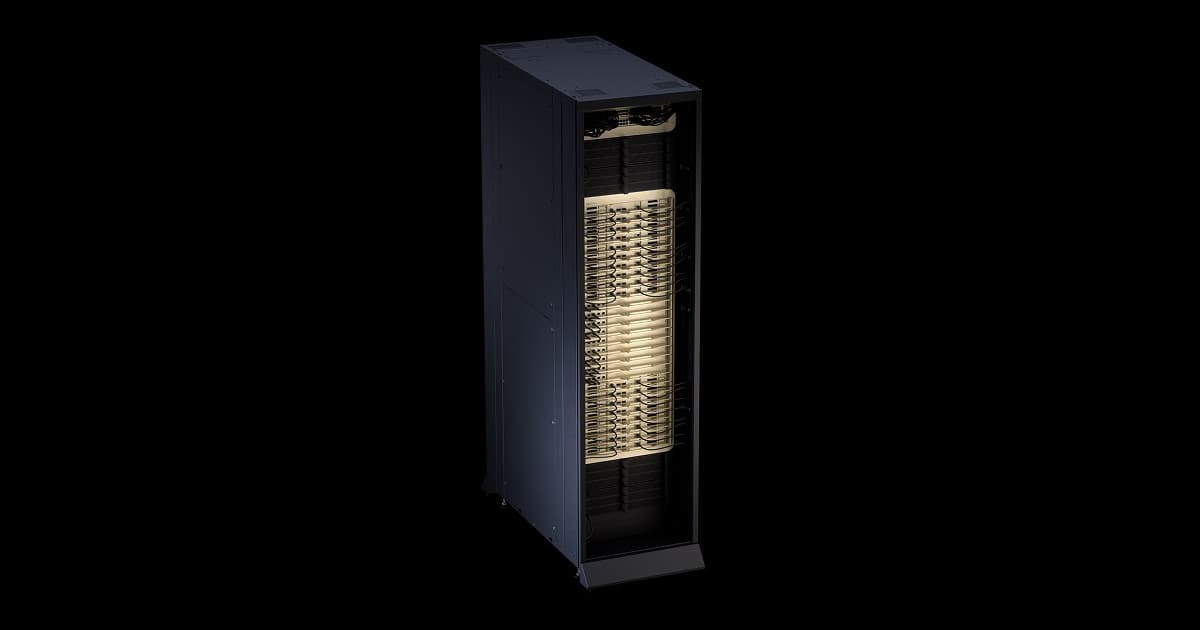
NVIDIA's press image of the Vera Rubin platform; AM Intelligence's Hyderabad systems are Vera Rubin NVL72 racks, but this image is not of its site.
Image: NVIDIA
Source · Press image from the NVIDIA newsroom, used for news reporting.
AM Intelligence, the Indian AI infrastructure company set up by the founders of Greenko, is seeking to raise as much as $3 billion to pay for NVIDIA's next-generation chips, Bloomberg reported on Oct. 30, according to people familiar with the matter.
Bloomberg's story, carried in full by Business Standard, says the package could combine bonds and bank loans, among other instruments. The people said the split between them is still being finalized. The company also expects a $300 million advance payment from potential offtakers, the customers who would buy its computing capacity. The talks are at an early stage and terms could change. AM Intelligence declined to comment, and NVIDIA did not respond to requests for comment, Bloomberg said.
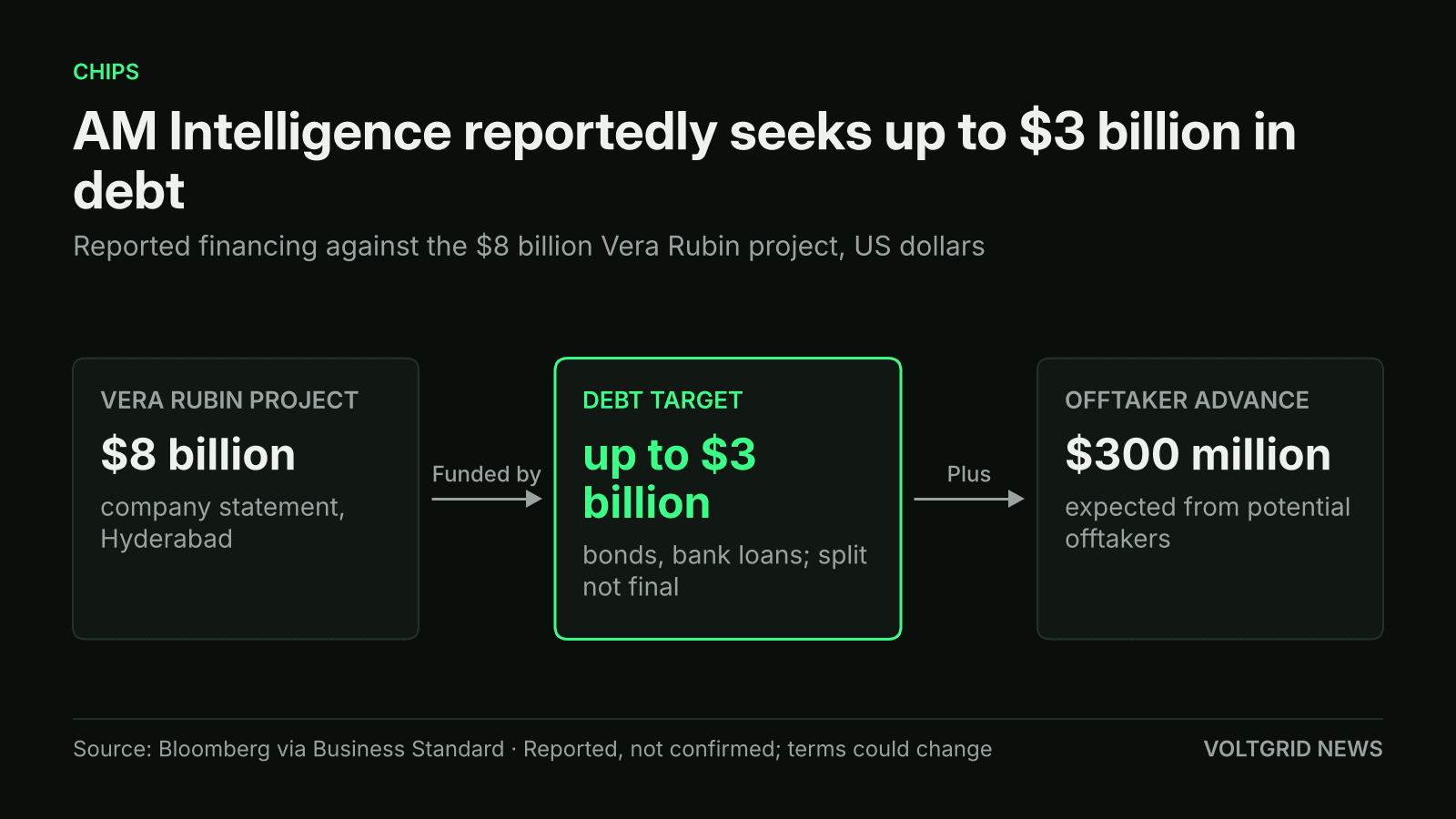
Reported financing stack for the $8 billion Vera Rubin project: up to $3 billion of debt and a $300 million advance from potential offtakers; terms could change.
Illustration (AI-generated)
The financing would pay for a purchase the company has already announced. In August, AM Intelligence said it had ordered Vera Rubin chips under an $8 billion project, as it seeks to be among the first adopters of the platform in Asia, according to Bloomberg. The project is part of a plan for 1 gigawatt (GW) of computing capacity, and the company's Hyderabad facility is meant to run trillion-parameter AI models.
How Debt and Customer Prepayment Would Fund the Chips
Rubin is NVIDIA's successor to the Blackwell generation, and an order of this size is committed before a single rack is installed. The reported mix of debt and customer prepayment shows how a new GPU-cloud operator closes that gap: lenders fund the hardware, and offtakers put up cash early to secure capacity. At $300 million against $3 billion, the reported prepayment would cover about a tenth of the debt target, so most of the risk sits with lenders until contracts are signed.
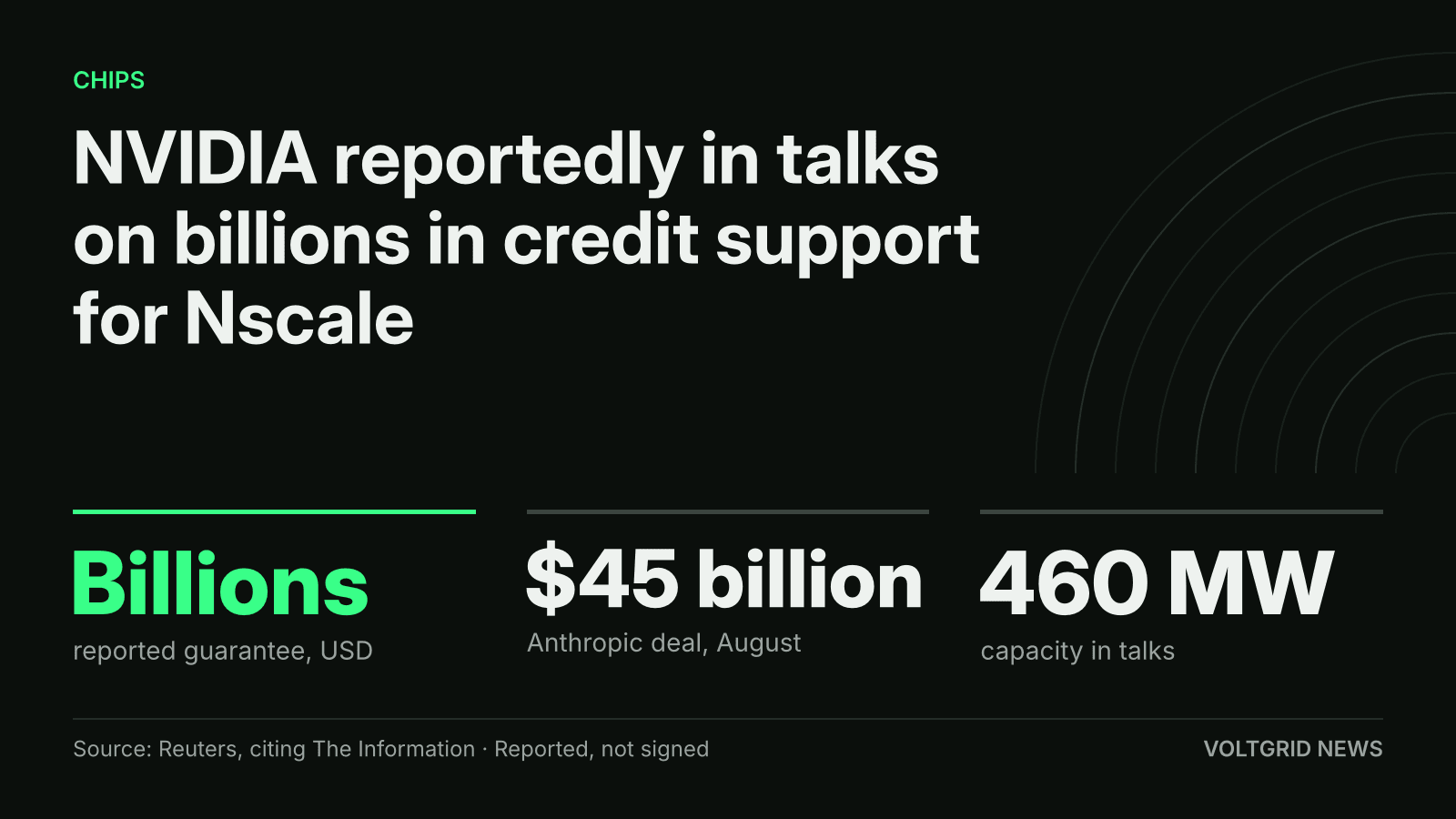
Bloomberg described the deal as part of a wider pattern, noting that AI-related borrowing has put more than $650 billion of debt into markets in less than two years, according to its own data. As Voltgrid reported on Oct. 30, NVIDIA is also reportedly in talks to guarantee billions of dollars of Nscale debt for a site built for Anthropic. Different structures, same pressure: the chips cost more than most neocloud balance sheets can carry alone.
AM Intelligence's Rubin Orders and 100 MW Build
AM Intelligence described the August order in a company announcement. It covers 9,000 NVIDIA Rubin GPUs as Vera Rubin NVL72 rack-scale systems for 30 megawatts (MW) of capacity, with delivery planned for the first quarter of 2027 at Hyderabad. On Oct. 5 the company announced two further firm orders for 20,000 Rubin GPUs, about 70 MW in India and Malaysia, due in the second quarter of 2027. Together that is about 29,000 GPUs and close to 100 MW, the company said. It also said it plans a further 300 MW within 15 months, with more than $20 billion of capital spending on top of the $6 billion it says is already committed for the first 100 MW.
Those are company statements, not figures from the Bloomberg report, and they use different project totals than the $8 billion Bloomberg cites. The company says each site is liquid cooled throughout and built for high rack power density.
What Is Not Confirmed About the $3 Billion Raise
The $3 billion figure, the instruments, the lenders and the timing all come from unnamed people, and neither company has confirmed them. The report does not say who the potential offtakers are, or whether the $300 million is committed. Bloomberg stresses that terms could change, so the final size could differ from the reported ceiling of $3 billion.
The next signals to watch are a bond prospectus or a loan announcement from AM Intelligence, and whether the 100 MW already ordered gets customer contracts before the Rubin systems start arriving in 2027.