Intel Nova Lake Will Use 18A-P, Expects 2x Panther Lake Design Wins
Intel's CEO says Nova Lake is its first client chip on 18A-P; the CFO says Oregon 18A wafer capacity is being swapped for Intel 3 data center output, with client sales seen falling over 20%.
Chips & Power DeskEdited by Ege Erten
2 min readAI-assisted
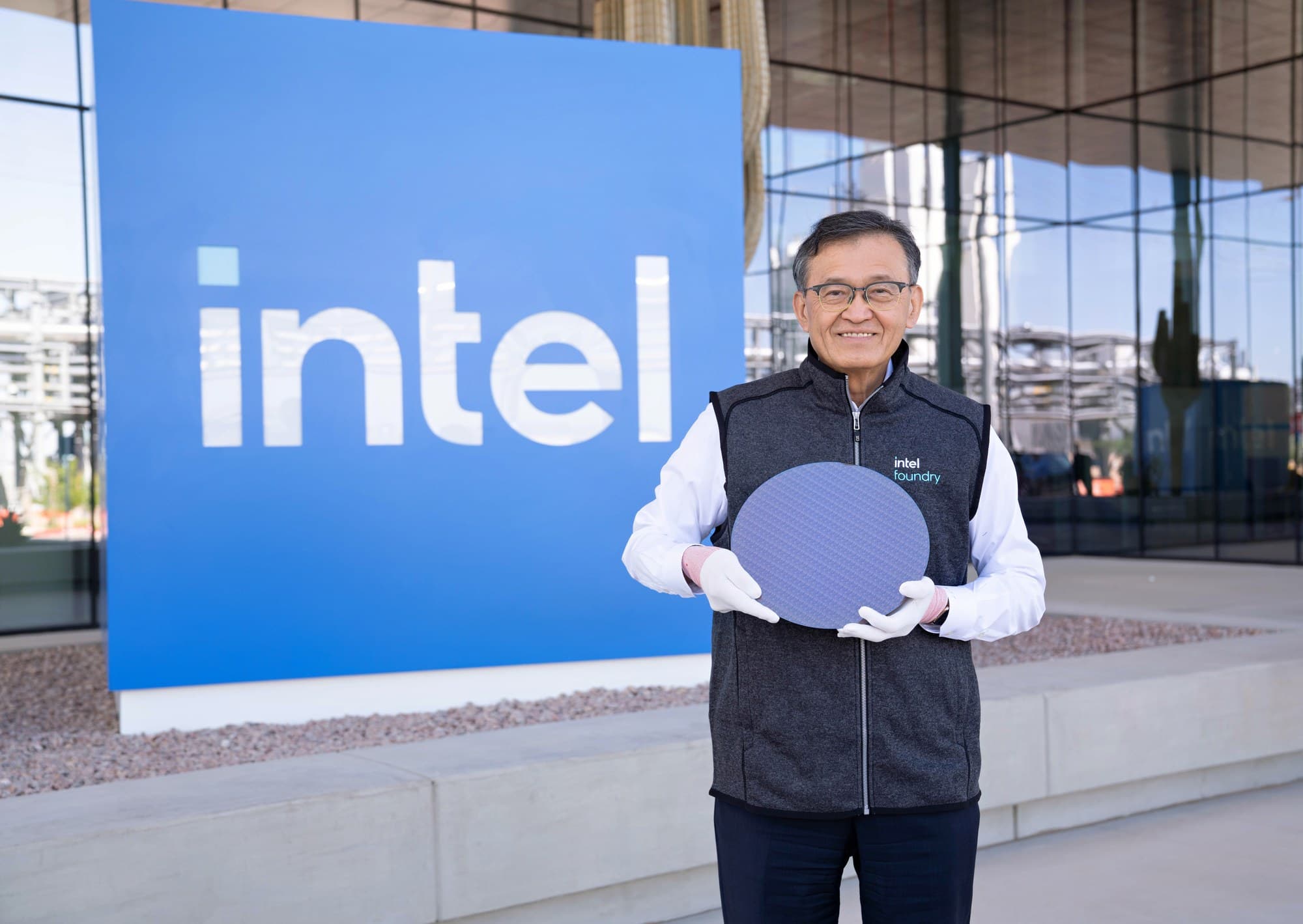
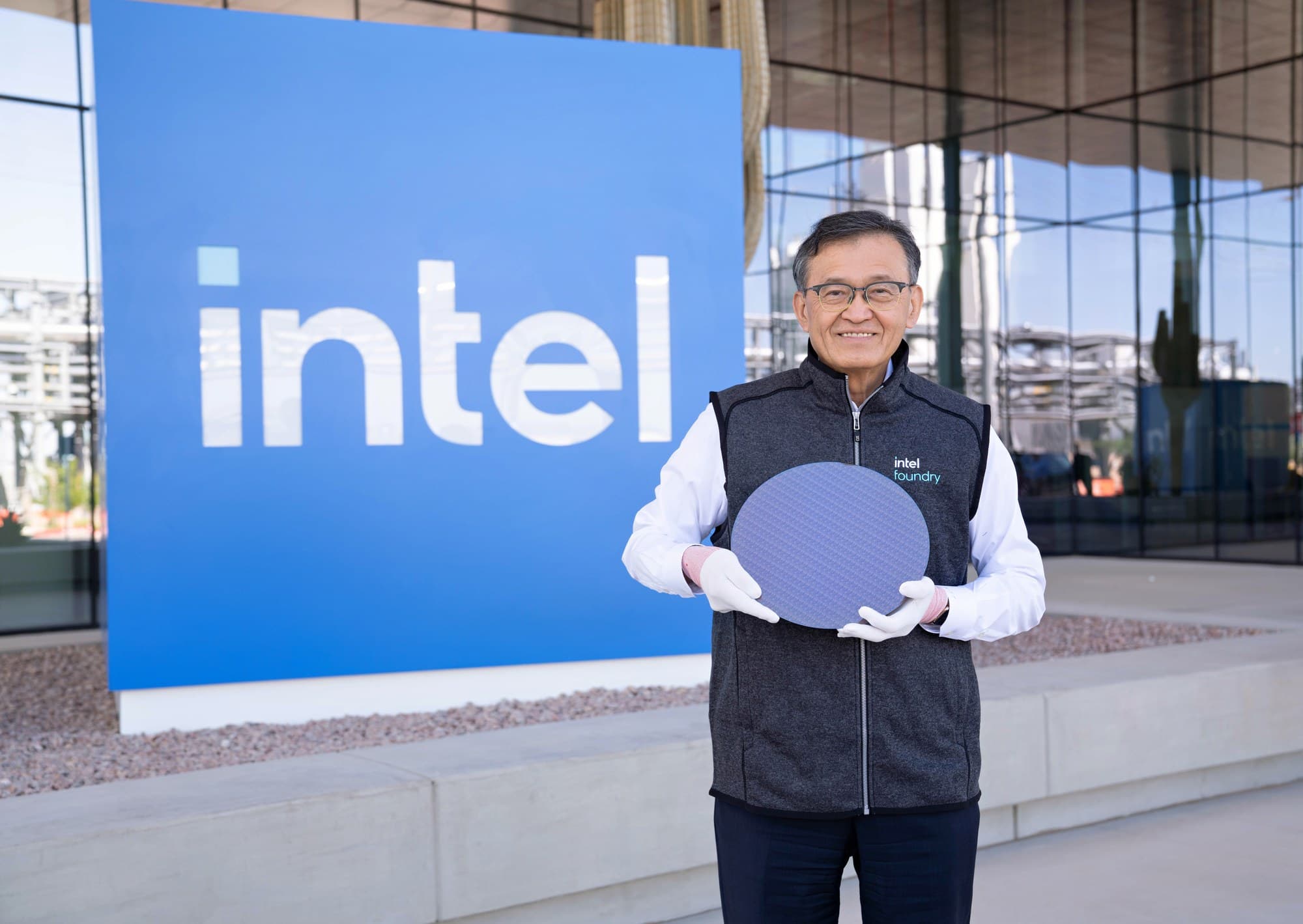
Intel CEO Lip-Bu Tan with a Panther Lake wafer at Intel's Ocotillo campus; file photo, not Nova Lake silicon.
Image: Intel
Source · Press image from the Intel newsroom, used for news reporting.
Intel said on its Oct. 29 earnings call that Nova Lake will be its first client chip on the 18A-P node, with design wins expected at twice Panther Lake's level at launch.
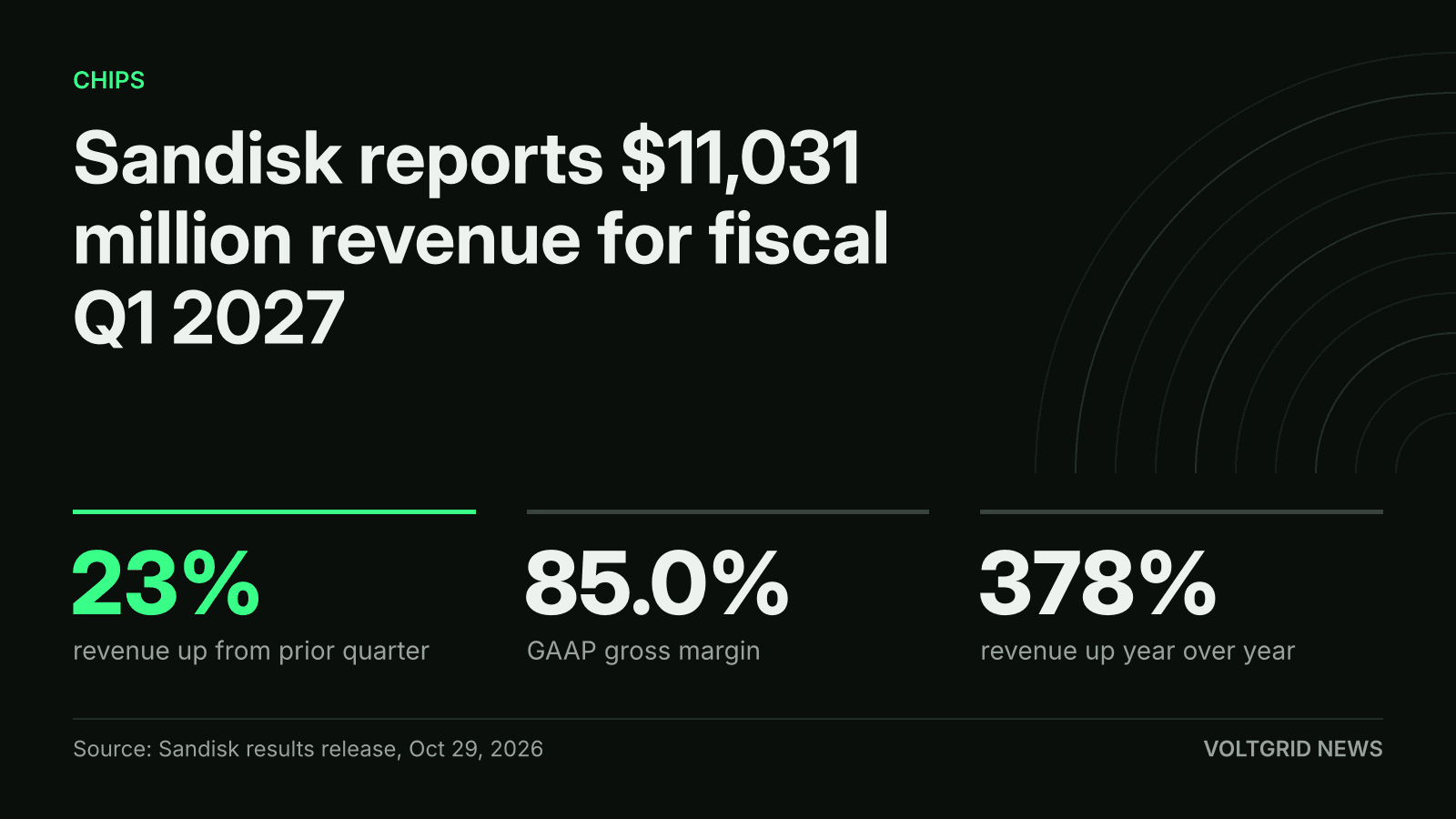
CEO Lip-Bu Tan confirmed the node in his prepared remarks, according to Tom's Hardware. He called Nova Lake "tracking ahead of schedule" and said Intel will share more at CES in January. Chief Financial Officer David Zinsner said, in answer to an analyst question, that the capacity Intel is taking offline to put Intel 3 into Oregon is 18A wafers that were generally going to build Panther Lake products, freeing some capacity for more data center wafers, Tom's Hardware reported. Tom's Hardware's quote does not name Granite Rapids, Intel's Intel 3-based server family. The move, as Zinsner described it, shifts Oregon wafer capacity from 18A client parts toward Intel 3 data center parts. In Intel's Q3 release, revenue was $16.5 billion, up 21% from a year earlier, and Zinsner cited Intel's strongest data center revenue growth in 15 years. Tan called unlocking supply for the Xeon family the company's immediate priority. Zinsner added that Intel sees the PC slowdown continuing at least through the first half of next year, which is consistent with wafers moving toward the faster-growing data center business, Voltgrid's reading.
What 18A-P Changes From 18A
Tom's Hardware, citing Intel's own figures, says 18A-P delivers 9% more speed at the same power, or 18% less power at the same speed, than the original 18A. Intel has described it as a drop-in replacement, so a design built for 18A can use 18A-P without extra engineering work. Intel announced in June that 18A-P had entered risk production, and at Hot Chips in August it said the Xeon 7 Diamond Rapids would be its first server product on the node, per Tom's Hardware. Voltgrid covered Oracle's planned X14 offerings on Diamond Rapids the day before the call.
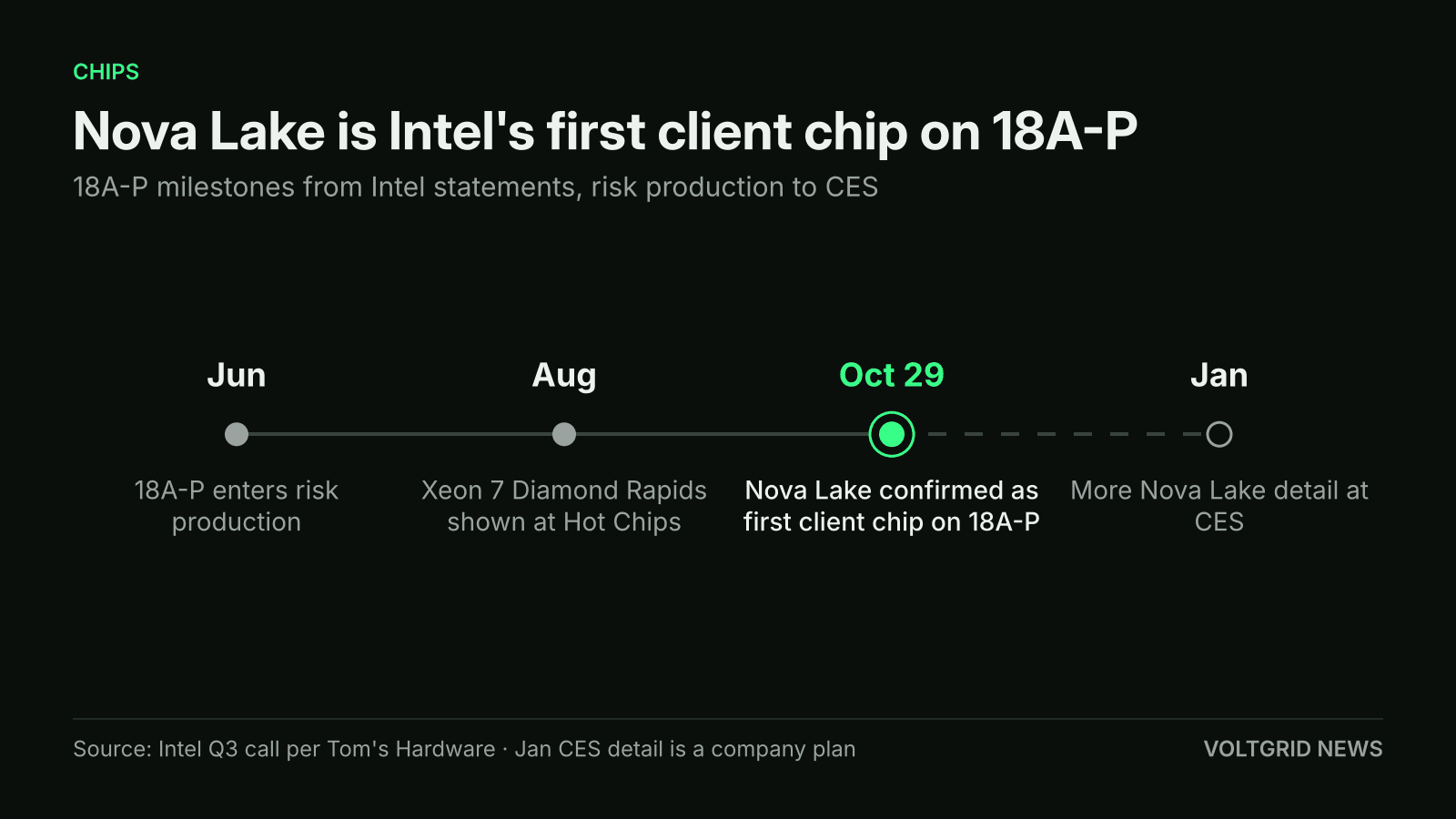
Intel confirmed Nova Lake as its first client chip on 18A-P on Oct 29; more detail is planned for CES in January.
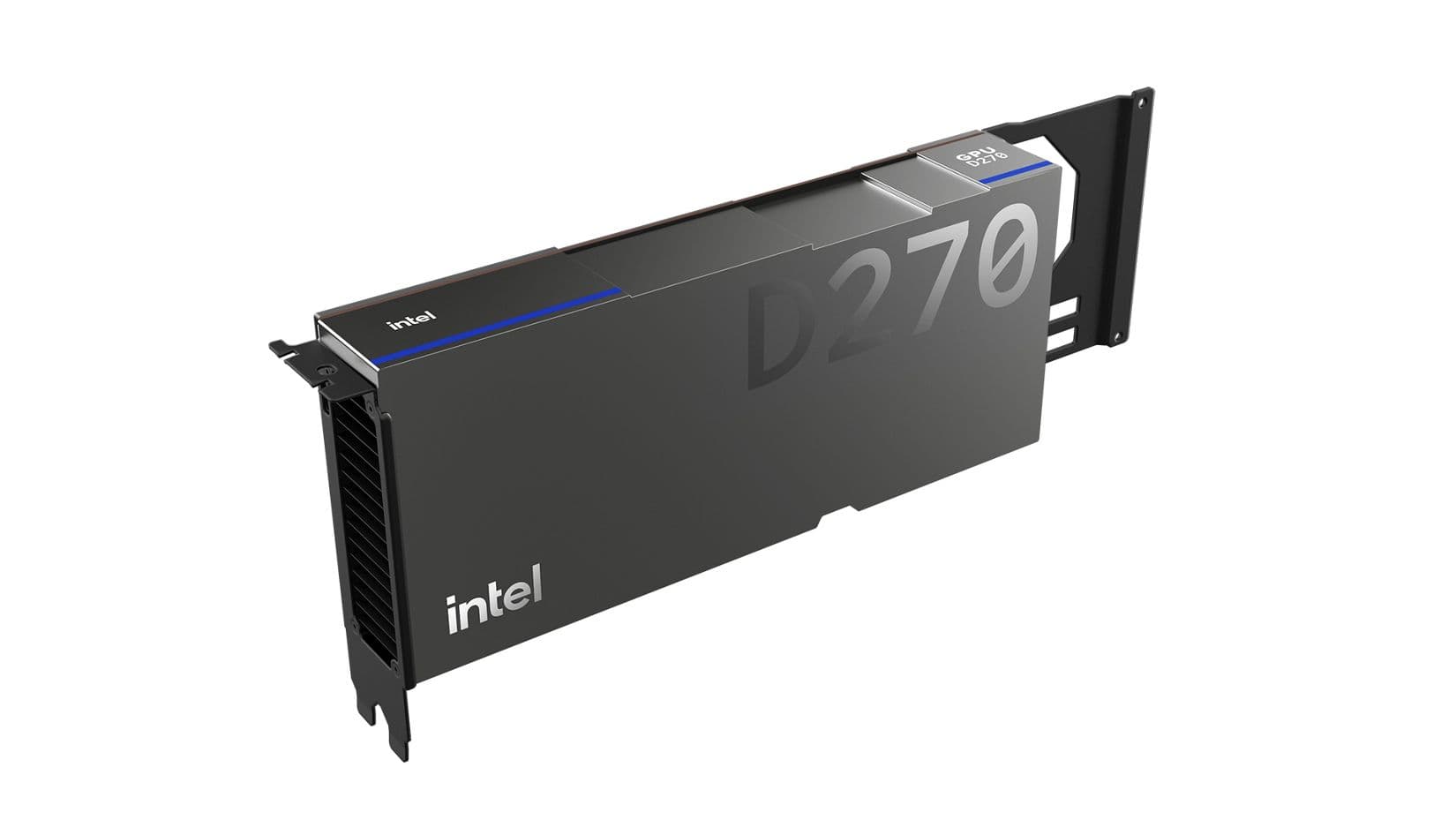
Illustration (AI-generated)
Client Demand Is Softer Than Server Demand
On the call, Tan said 18A products now make up a third of Intel's client CPU revenue, up from less than 5% in the first quarter, and that demand for the Wildcat Lake chip is outstripping supply. He also said PC makers are managing inventory aggressively to match softer sell-through. Zinsner said Intel expects its client business to decline by more than 20% next quarter, per Tom's Hardware. That fits the fourth-quarter revenue guidance of $15-16 billion Voltgrid reported on Oct. 29.
What Is Not Confirmed Yet
Intel has not said which Nova Lake tiles use 18A-P. Tom's Hardware notes that current speculation pairs an 18A-P SoC tile with a compute tile from TSMC's N2P node, and it calls the use of Intel's most advanced node for an SoC tile unlikely. Tan's remarks did not settle that question.
Intel has also not given a Nova Lake launch date, a wafer count for the capacity it is moving, or a date when the freed capacity turns into extra data center output. Intel's earnings release does not mention the shift or quantify it; it appears only in Zinsner's call answer as relayed by Tom's Hardware. The next checkpoint is CES in January, where Intel says it will detail Nova Lake.