AMD to Take Equity Stake in PsiQuantum, Adds GPUs and CPUs to Quantum Pact
AMD plans an equity stake in PsiQuantum and widens their quantum pact from Versal FPGAs to Instinct GPUs and EPYC CPUs, but the amount is undisclosed, Reuters reported.
Chips & Power DeskEdited by Ege Erten
2 min readAI-assisted
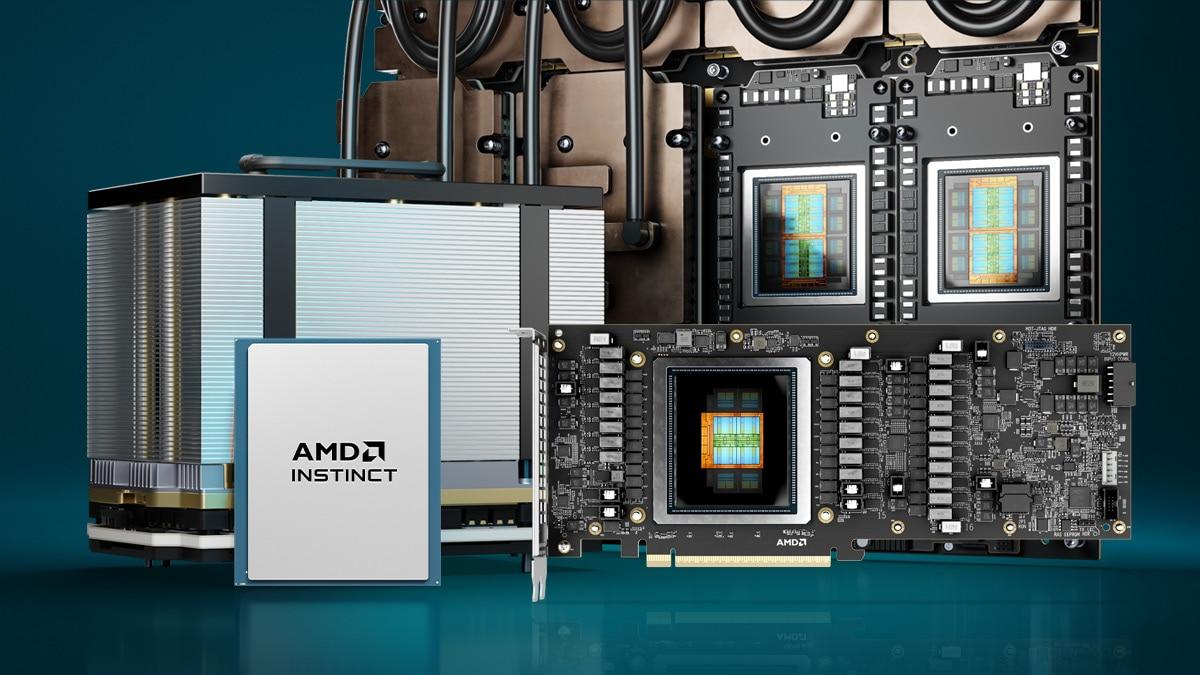
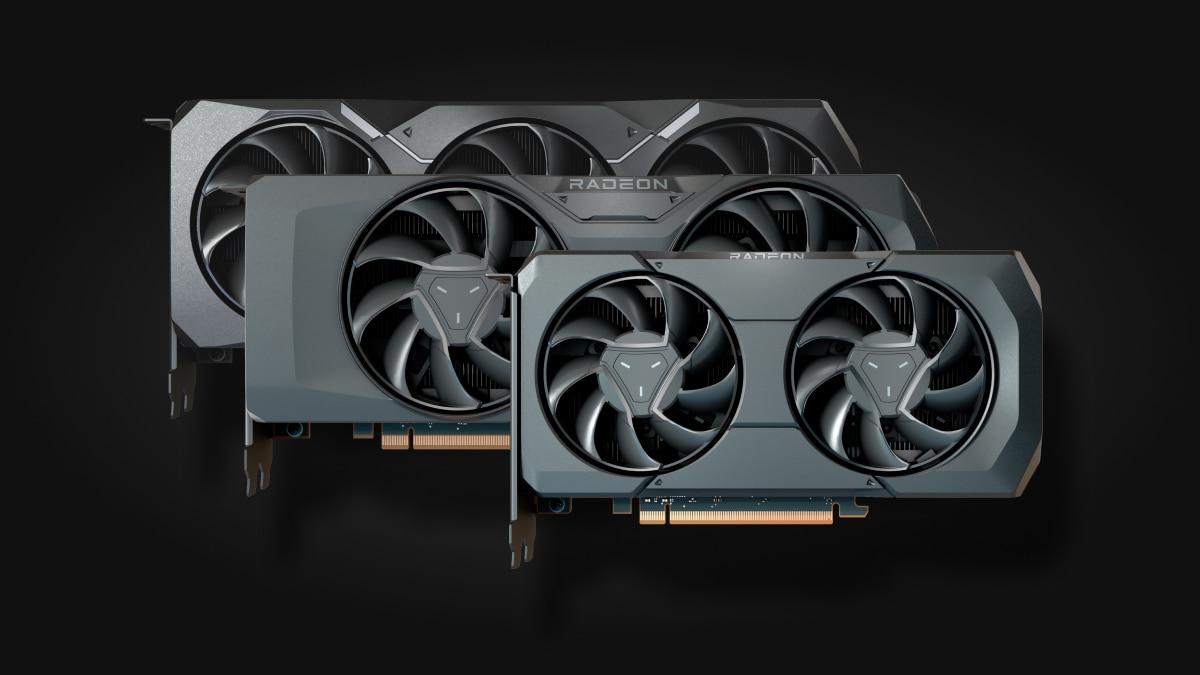
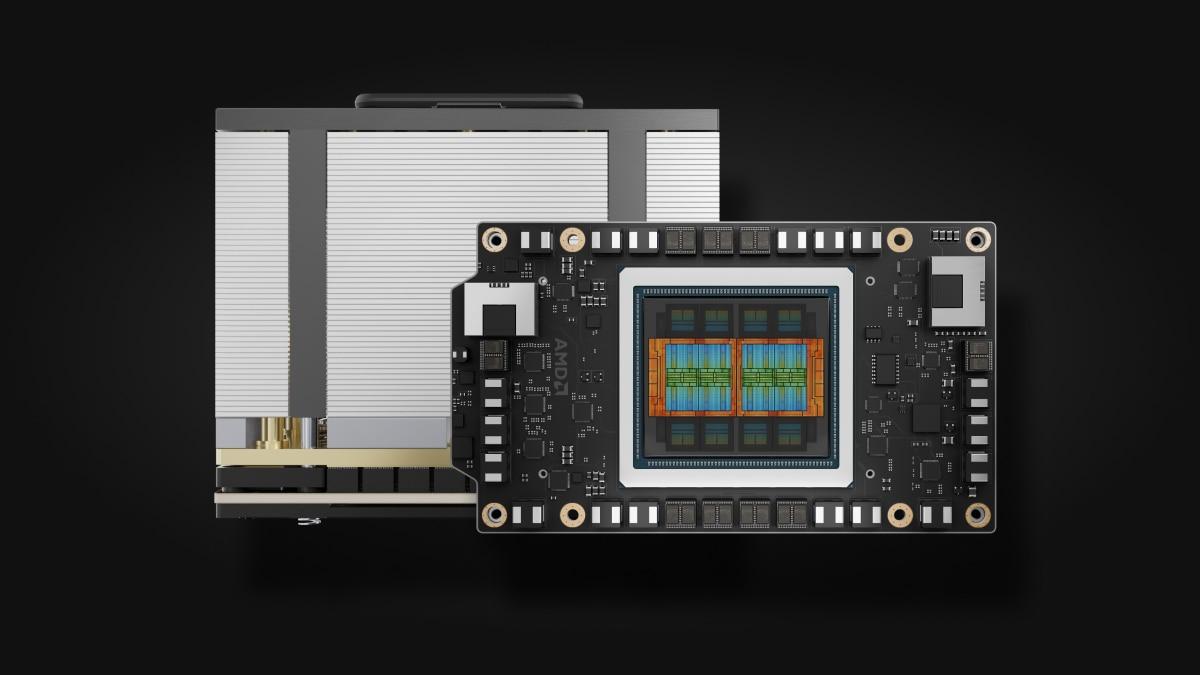
AMD Instinct accelerators, one of the AMD products in the expanded PsiQuantum partnership; the image is AMD product art, not a photo of the quantum hardware.
Image: AMD
Source · Press image from the AMD website, used for news reporting.
AMD plans an equity investment in PsiQuantum, the companies said on Nov. 12, but neither disclosed the amount, as they expanded their partnership on utility-scale quantum computing hardware.
The release describes an "expanded strategic partnership" to co-design the computing infrastructure needed to run fault-tolerant quantum computers, plus hybrid applications that combine quantum, high-performance and AI computing. AMD said the investment is meant to reinforce its commitment to the partnership. Reuters reported that the size of the stake was not disclosed, and the release gives no ownership percentage, price or closing date.
What AMD supplies
The work builds on AMD Versal FPGAs (field-programmable gate arrays), which PsiQuantum selected for its fault-tolerant platform. It now also spans AMD Instinct GPUs, AMD EPYC CPUs and the ROCm software stack, paired with PsiQuantum's silicon photonics platform. In Reuters' summary, AMD provides CPUs, GPUs, adaptive computing and software, while PsiQuantum contributes the photonics.
Working with AMD, PsiQuantum researchers optimized a machine-learning decoder called PRISM for low-latency use on programmable hardware accelerators. The companies describe it as a design for real-time error correction in utility-scale photonic quantum computers. These are company claims: the release publishes no latency, accuracy or throughput figures.
Why it matters for AMD's data-center business
A fault-tolerant quantum machine needs a fast conventional computer beside it to read error signals and decide corrections. That makes quantum a new, if still small, source of demand for the same FPGAs, GPUs and CPUs AMD sells into AI data centers. The release does not size that demand, and it names no chip order or revenue commitment.
The hybrid loop as the companies describe it: error signals go to a fast decoder, with GPUs and CPUs orchestrating; no performance figures were published.
Illustration (AI-generated)
The Reuters report adds context on the money already flowing into the field: in May the US Commerce Department announced plans to take minority equity stakes in nine quantum companies as part of a $2 billion CHIPS Act investment, including a $100 million deal with PsiQuantum. AMD's stake is a separate, undisclosed commitment.
Drug discovery first, Chicago next
The first commercial focus is pharmaceutical research. According to the release, PsiQuantum's computational chemistry methods already run on AMD hardware, and GPU simulation of covalent inhibitors, a class of molecules relevant to oncology drug discovery, has produced what the companies call initial breakthrough results. The release ties the work to the US Department of Energy's Quantum Genesis Priority Applications.
Both companies will also explore a footprint at the Illinois Quantum and Microelectronics Park in Chicago, where PsiQuantum is the anchor tenant. Illinois Governor JB Pritzker said the partnership has the potential to advance work at the park.
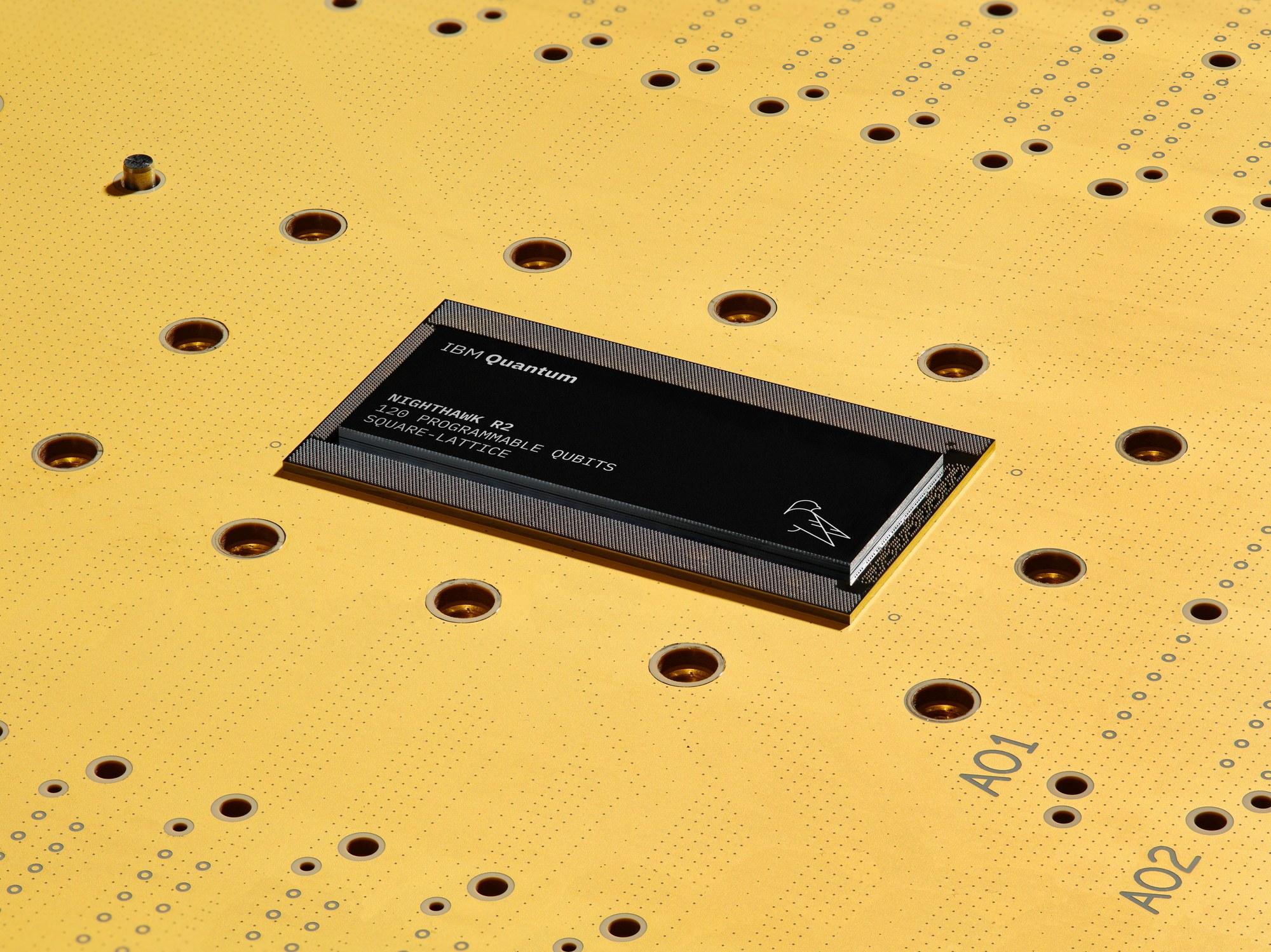
AMD is working the same problem from another side. As Voltgrid reported on Nov. 5, IBM, AMD and Oak Ridge launched a 120-qubit error-correction platform that uses AMD Instinct MI355X GPUs and EPYC CPUs as the classical decoding side. Our quantum reality check on IBM's r3 target covers the gap between today's machines and fault-tolerant systems.
What is not confirmed yet
The amount, terms and timing of AMD's investment are not disclosed. The release is forward-looking: AMD's cautionary statement says its plans for the investment and the partnership may not be realized. No delivery date for a utility-scale machine, no hardware volumes and no independent test of the PRISM decoder were given. AMD and PsiQuantum said they will share more at the SC26 supercomputing conference in Chicago, Nov. 15-20.