IBM, AMD, Oak Ridge Launch 120-Qubit Quantum Error Correction Platform
IBM, AMD and Oak Ridge National Laboratory launched a quantum error correction platform pairing the 120-qubit Nighthawk with AMD-powered Umbra; IBM says the field needs a 230-fold gain.
Science DeskEdited by Ege Erten
2 min readAI-assisted
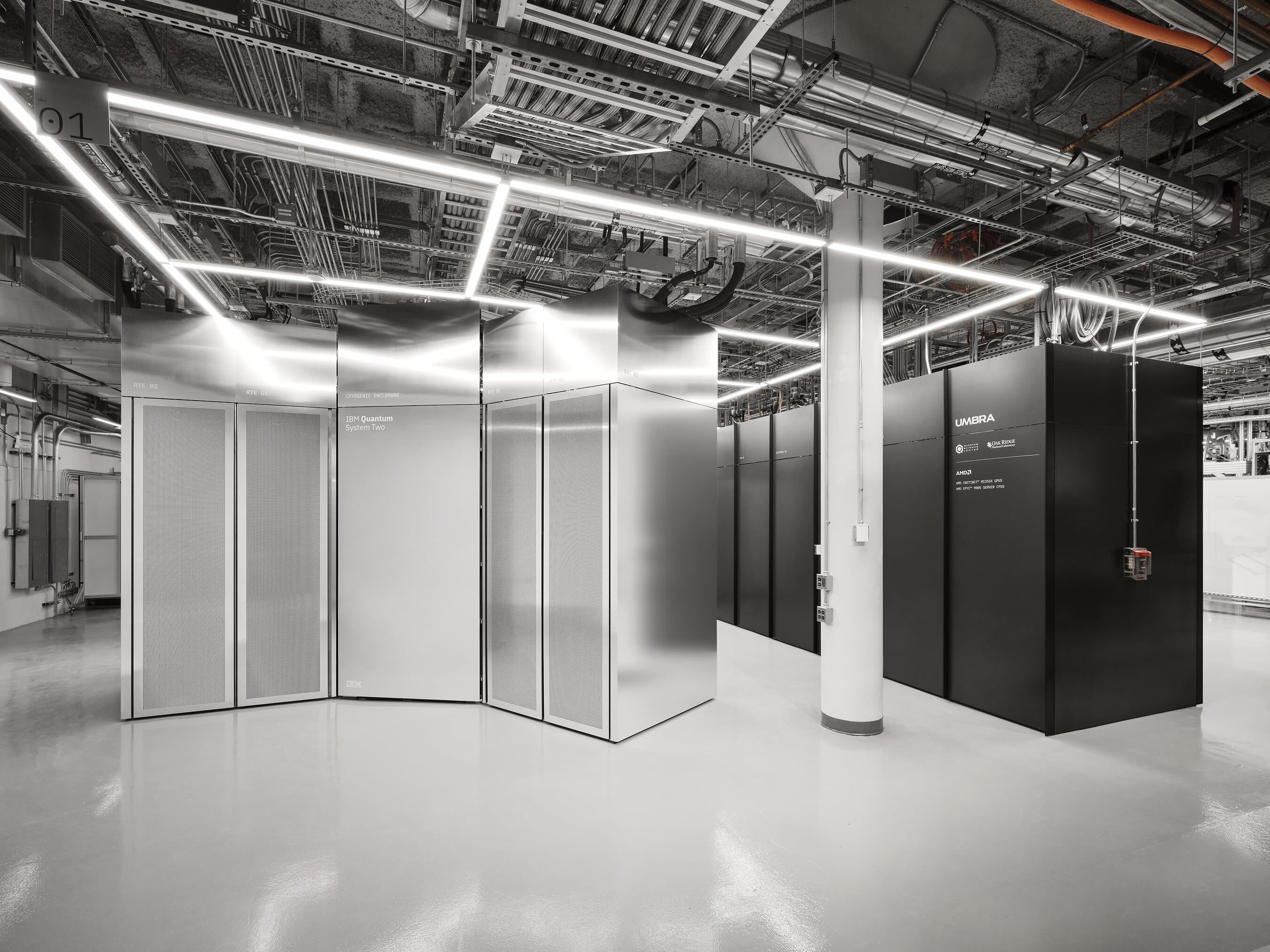
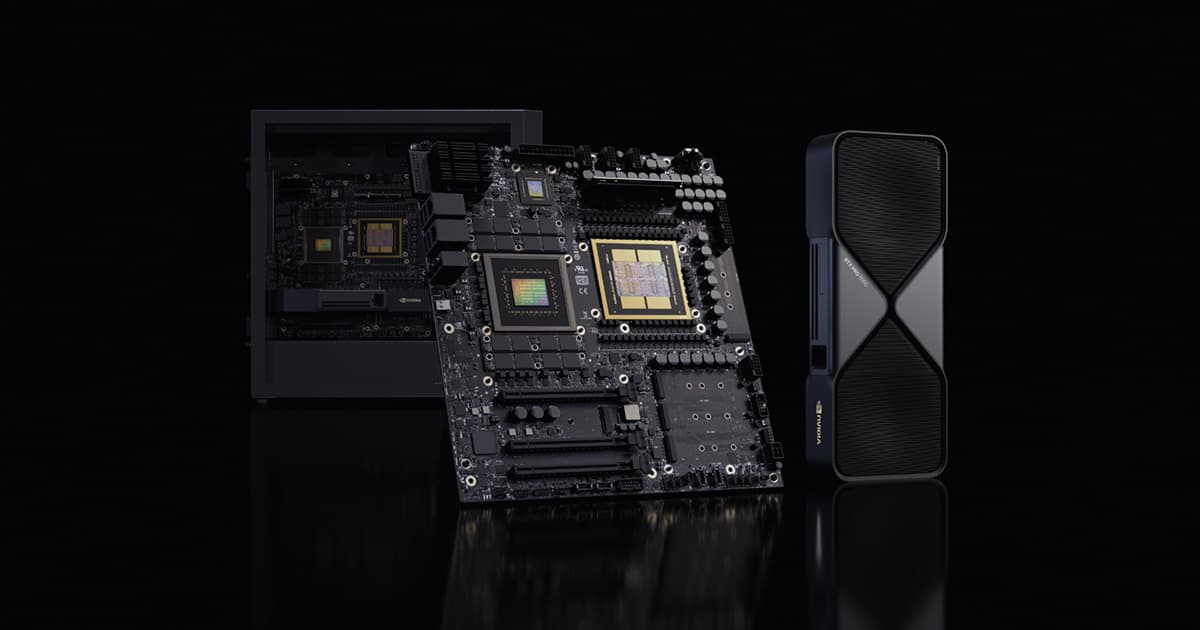
IBM quantum computers co-located with ORNL's Umbra system, built from AMD Instinct MI355X GPUs, at Oak Ridge National Laboratory.
Image: IBM
Source · Press image from the IBM release, used for news reporting.
IBM, AMD and the Quantum Science Center at Oak Ridge National Laboratory (ORNL) said on Nov. 5 that they have launched a co-design platform for quantum error correction, pairing IBM's 120-qubit Nighthawk processor with ORNL's Umbra supercomputer, which runs on AMD chips.
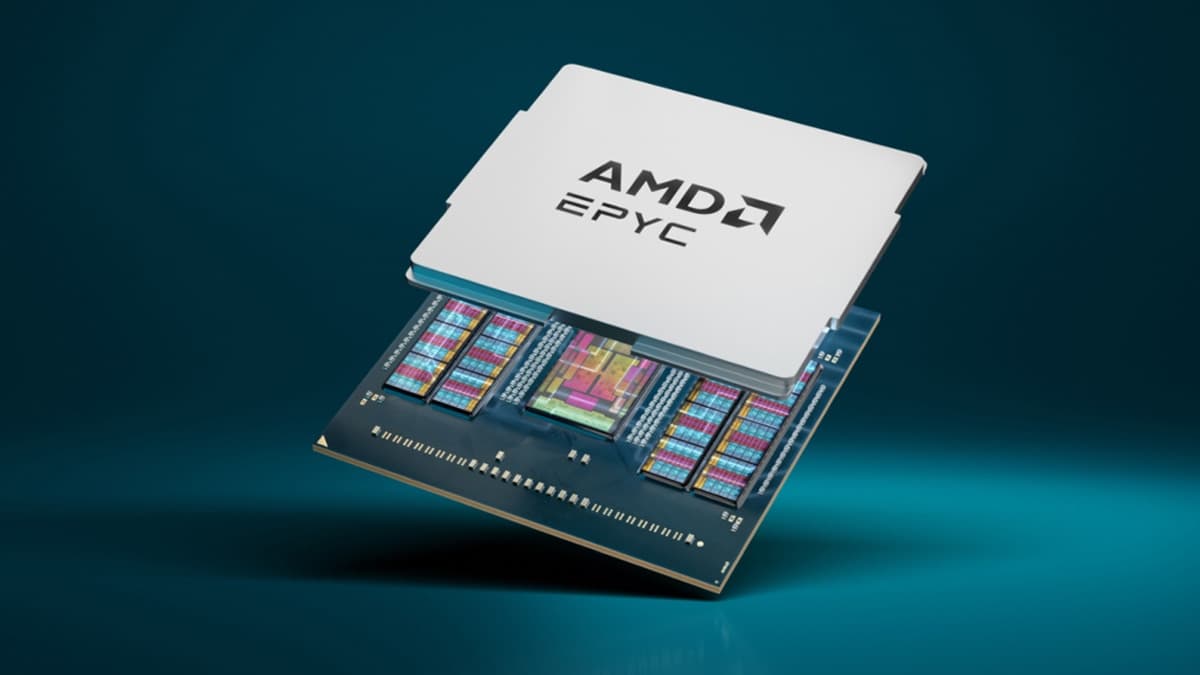
The first deployment places IBM quantum computers next to Umbra, which is built from AMD Instinct MI355X GPUs and 5th Gen AMD EPYC CPUs, according to the joint release. The AMD hardware handles the classical side of the work: research into decoding, decoder optimization and software orchestration. The platform will also connect to the Oak Ridge Leadership Computing Facility in Tennessee.
Why Quantum Error Correction Needs a Classical Decoder
Qubits, the basic units of a quantum computer, are fragile. SiliconANGLE put the error rate of today's physical qubits at roughly one mistake every few hundred operations, which ruins long calculations. Error correction spreads one reliable "logical" qubit across many physical ones and keeps checking them for faults.
That checking produces a constant stream of measurements. A fast conventional computer, called a decoder, must read the stream and work out which fault happened, quickly enough for the quantum chip to act on the answer. The co-location lets researchers measure how much classical computing each method needs, and where GPUs help most.
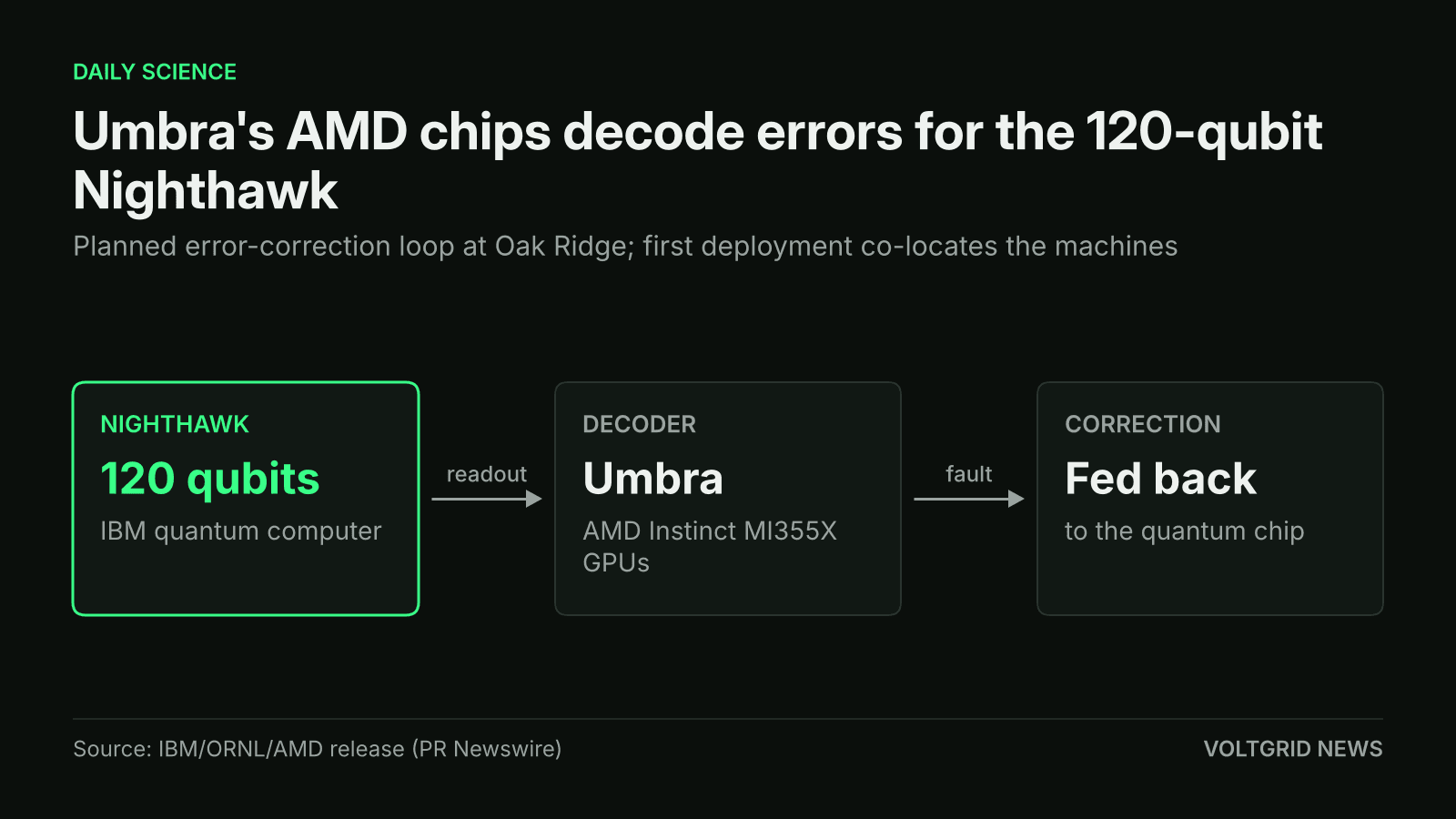
In the planned loop, Umbra's AMD hardware decodes faults and feeds corrections back to the 120-qubit Nighthawk.
Illustration (AI-generated)
How Far IBM Is From the 2028 DOE Target
The work supports the Department of Energy's Quantum Genesis Mission, whose Q Competition targets 100 logical qubits running 100,000 hard operations by late 2028. IBM says its best experiments so far reached up to 70 logical qubits and 438 hard operations. By IBM's own count, the field needs a roughly 230-fold increase in hard operation count.
IBM's Jay Gambetta said the question is no longer whether error correction works on quantum hardware, but how to speed up and optimize it. ORNL's Travis Humble said Umbra will let the team test ideas at scale.
The announcement ties quantum progress to ordinary computing hardware. Error correction at scale will lean on GPU and CPU capacity sitting beside the quantum machine, which is a new kind of demand for the same accelerators that serve AI. As Voltgrid reported on Oct. 28, IBM has also been linking two 120-qubit chips with cables, a separate route to larger machines.
What Is Not Confirmed Yet
The release gives no results from the platform, no performance figures for the decoding hardware and no timeline for when the first experiments will report. IBM says only that what the teams learn may inform its path to IBM Quantum Starling, its planned first fault-tolerant quantum computer. The DOE target is a goal, not a forecast, and the 230-fold figure is IBM's own estimate.