Naver Cloud Runs 35,000 AMD EPYC Servers, Says It Cuts Rack Space 20-25%
Naver Cloud runs about 35,000 AMD EPYC servers of roughly 250,000 and will add 144-core parts in H2 2026. Its executive says EPYC saves 20% to 25% of rack space against Intel; Intel was not quoted.
Chips & Power DeskEdited by Ege Erten
3 min readAI-assisted
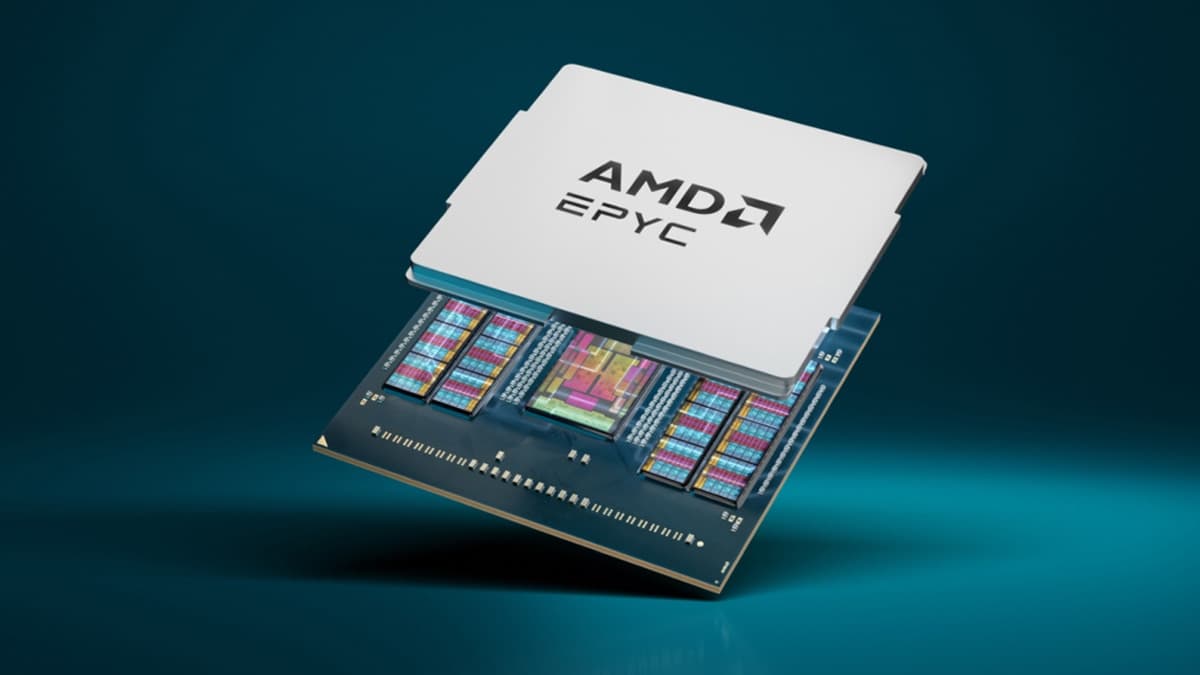
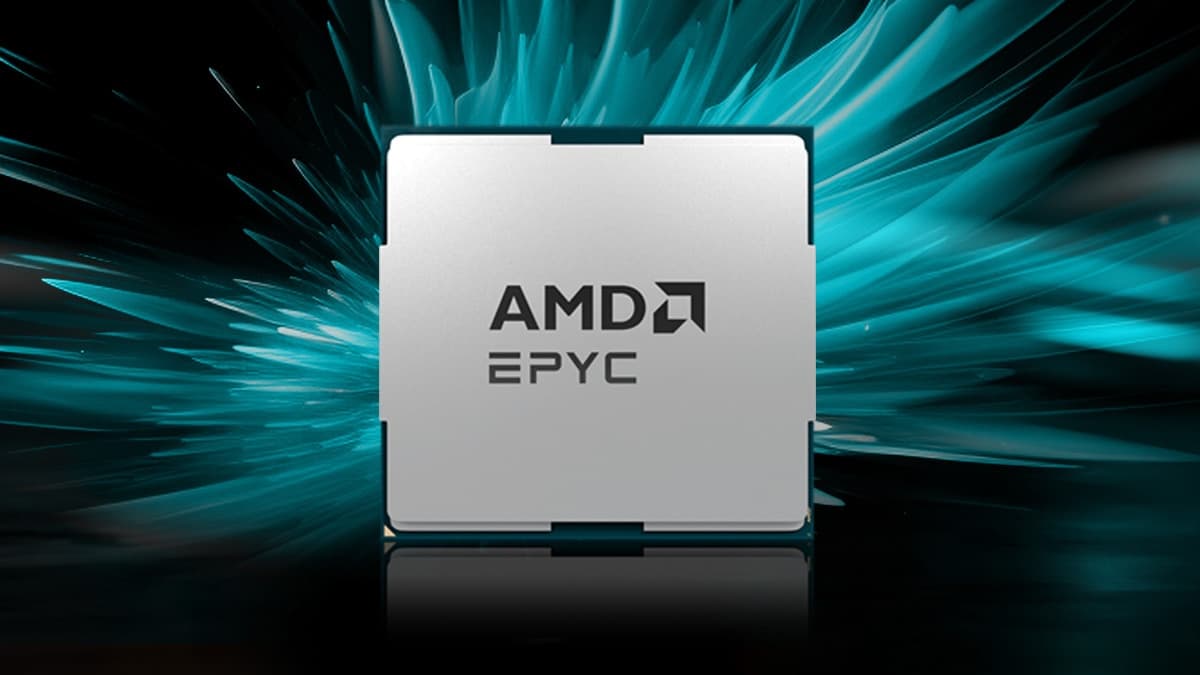
AMD's EPYC 9005 series, the generation that includes the EPYC 9825 in Naver Cloud's test. AMD's product image, not a Naver Cloud site.
Image: AMD
Source · Press image from the AMD website, used for news reporting.
Naver Cloud runs about 35,000 servers on AMD EPYC processors, out of roughly 250,000 servers in 13 South Korean data centers, a Naver Cloud executive said on Nov. 4 at AMD's Advancing AI event in Seoul.
Park Young-hee, who heads an infrastructure center at Naver Cloud, gave the figures in a talk that TheElec and Digital Daily both reported. TheElec lists Park as head of the IaaS Center and Digital Daily as head of the Cloud Technology Group. Park said Naver Cloud plans to add 144-core fifth-generation EPYC Turin (9005) processors in the second half of 2026, and Digital Daily adds that they are meant for the public cloud. By Voltgrid's arithmetic, EPYC servers are about 14% of the fleet.
On cost, Park said EPYC cuts rack space by 20% to 25% compared with Intel CPUs, which freed room for more CPUs in space-constrained data centers. Park said Intel's high-core-density Xeons were expensive and that budget limits had slowed server expansion. Naver Cloud's own 2025 test found an Intel dual-socket, 144-core platform drawing 800 W against about 700 W for a single-socket EPYC 9825 platform. That is a gap of about 100 W per platform (Voltgrid arithmetic), measured by Naver Cloud and not independently, and the two platforms differ in socket count. Neither report quotes Intel.
Why 35,000 servers and 67,000 purchases both appear
TheElec says Naver Cloud bought 13,000 EPYC units in 2023, 18,000 in 2024 and 36,000 in 2025, about 67,000 in total. Digital Daily labels the same three numbers processor purchases. The 35,000 figure, in both reports, counts operating servers. Processors and servers are different units, so the 67,000 is not a larger fleet count. The gap between them is not explained: Voltgrid can think of two explanations, retired machines and servers with two processors, but neither report says which applies. The 36,000 processors bought in 2025 alone exceed the 35,000 operating servers.
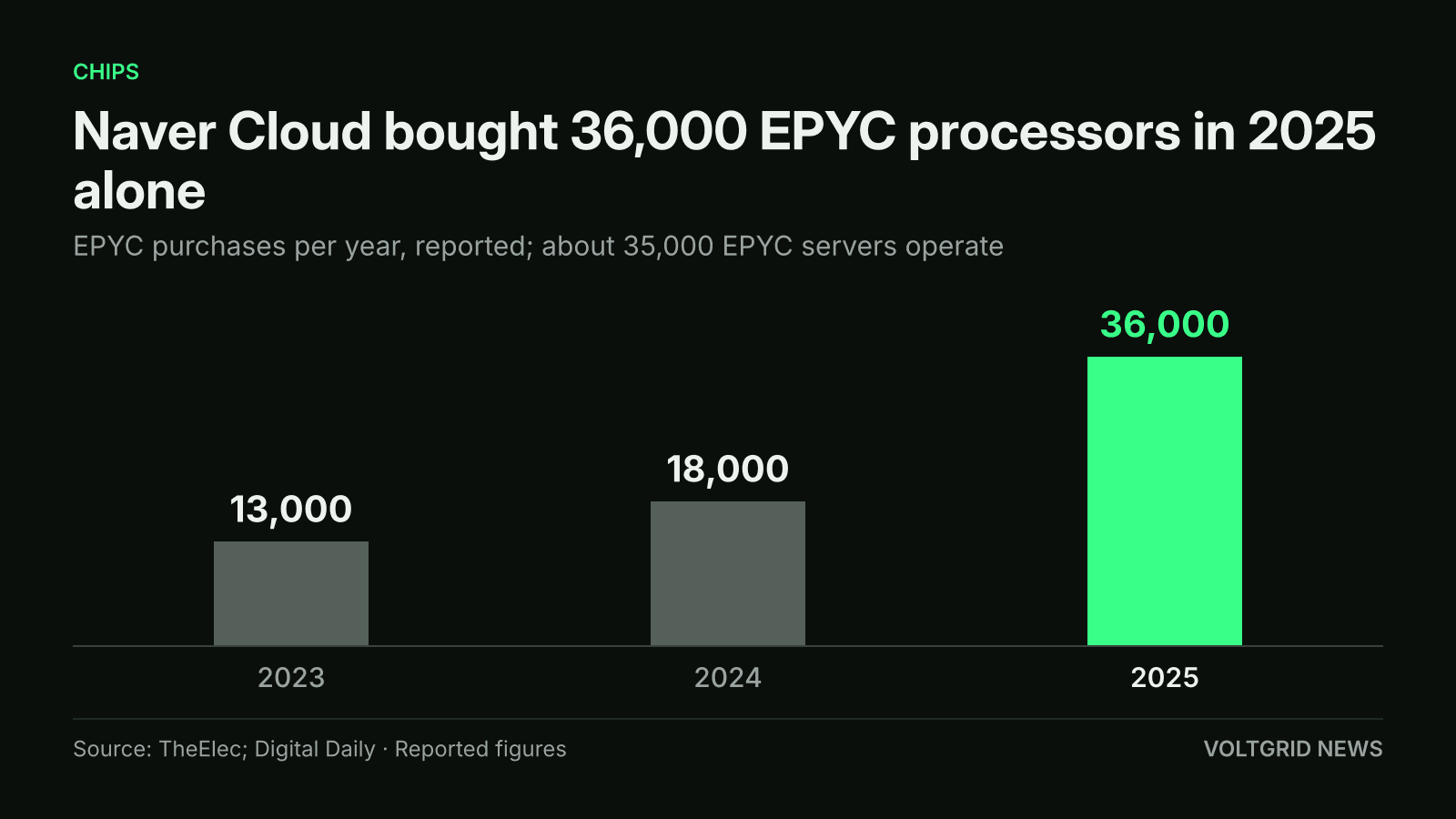
Reported EPYC purchases reach 36,000 in 2025, more than the 35,000 EPYC servers now operating, according to TheElec and Digital Daily.
Illustration (AI-generated)
Why Socket Count Matters in This Comparison
A server CPU socket holds one processor, and a dual-socket server carries two, each with its own memory and power draw. Naver Cloud's 2025 test set an Intel dual-socket, 144-core platform against a single-socket platform on AMD's EPYC 9825, which AMD lists at 144 cores and 288 threads per processor. Naver Cloud measured about 800 W for the Intel platform and about 700 W for the EPYC one.
Both figures cover a whole platform, not a CPU, and AMD lists the EPYC 9825 alone at a 390 W TDP. When one socket supplies the cores that took two, fewer chips and boards are needed for the same core count, which fits Park Young-hee's 20% to 25% rack-space claim. Naver Cloud has not said that is how it got there, and the test setup is unpublished.
Cores, generations and what comes next
Naver Cloud began buying EPYC in 2023 and moved from third-generation Milan (7003) to fourth-generation Genoa (9004). Digital Daily reports that its main parts are 24-core processors for Naver's web search and 32-core processors for servers sold to public cloud customers. Park also credited AMD's Early-Ship program, which Park said let Naver Cloud test new products quickly after it asked AMD for its roadmap.
The Turin order is not the end of the roadmap. In a March 18 release, AMD said Naver Cloud would deploy the then-upcoming 6th Gen EPYC "Venice" processor and get early access to Instinct MI455X GPUs. AMD launched both in July 2026. At the Seoul event AMD showed Venice with up to 256 cores and 512 threads, according to Digital Daily. Voltgrid reported that Oracle plans to run its OCI E7 tier on 6th Gen EPYC, and that AMD raised its 2027 server CPU revenue outlook on its Nov. 3 call. Naver Cloud is a named Korean example of the same shift.
What is not confirmed yet
Naver Cloud has not said how many 144-core processors it will buy, when in the second half they arrive, or when it deploys Venice in production servers. Voltgrid found no published test setup from AMD or Naver Cloud for the 20% to 25% rack-space and 800 W against 700 W comparisons, so both are customer statements, not benchmarks. The reconciliation of servers and processors above remains an open question, and Voltgrid found no newer report that changes the figures as of Nov. 5.