Apple Reportedly Near 4-5 Year Samsung DRAM Deal From 1H27
Korean press says Apple and Samsung are finalizing a DRAM supply deal with minimum volumes and market-set prices, as AI demand tilts memory bargaining power toward suppliers.
2 min read
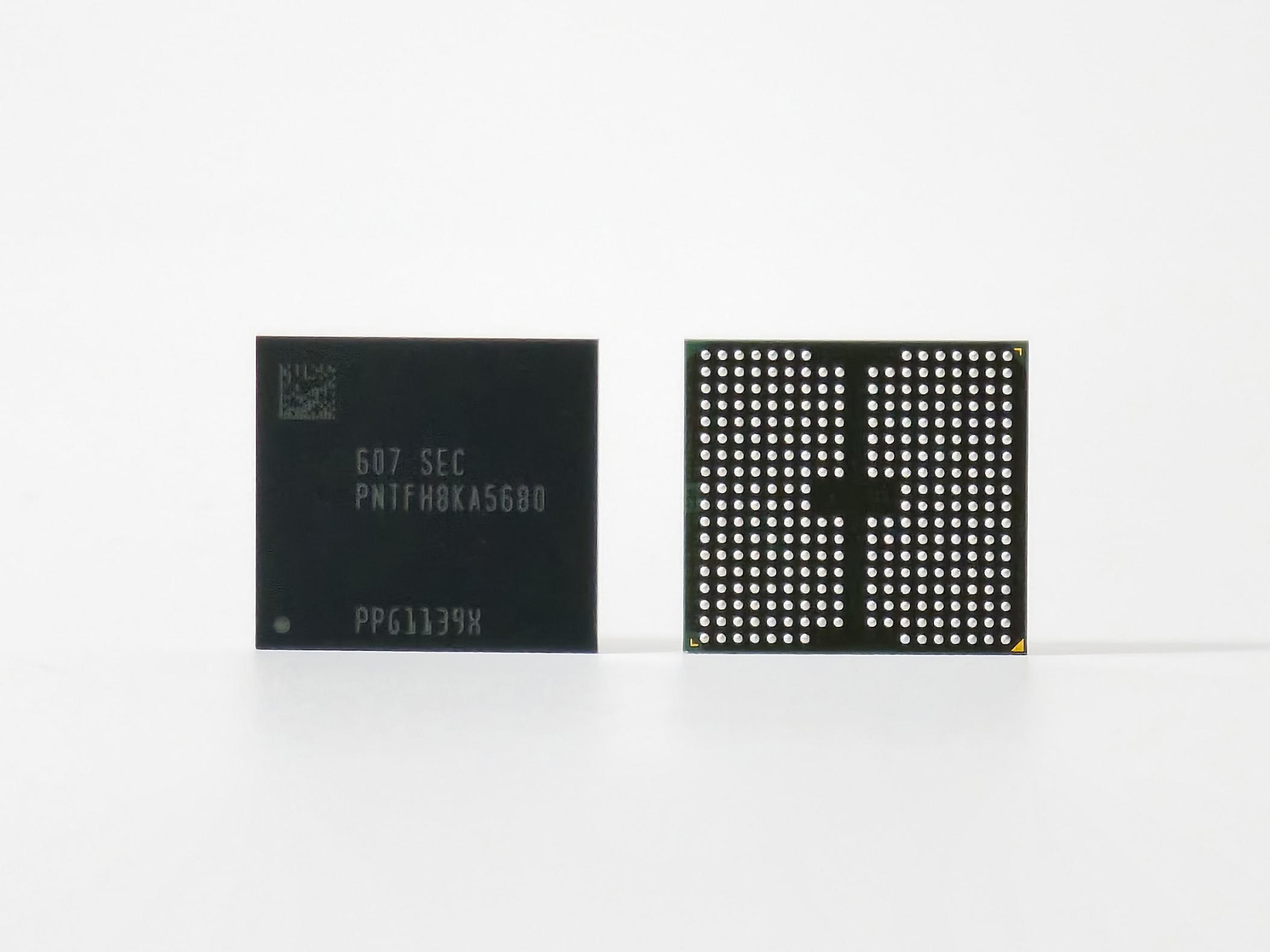
A Samsung memory chip, from the company's August 2026 memory-technology release; file image, not a part named in the Apple talks.
Image: Samsung Electronics
Source · Press image from the Samsung Electronics newsroom, used for news reporting.
Apple and Samsung Electronics are reportedly in the final stages of a four- to five-year DRAM supply agreement that would start in the first half of 2027 and guarantee Apple minimum volumes, The Korea Herald reported on Nov. 19, citing industry sources. Neither company has confirmed it.
Prices under the proposed deal would be set by market conditions, the Korea Herald said, so the guarantee covers availability rather than cost. Digital Today, a Korean outlet, reported the same terms on Nov. 17, also citing industry sources, and added that Apple is reported to have signed a long-term agreement with SK hynix as well. Digital Today said the SK hynix terms may include supplier-friendly provisions such as obligations to buy agreed volumes and penalties, but that specific conditions have not been confirmed.
Apple sells more than 200 million iPhones a year, according to the Korea Herald, and has long used that purchasing power to push suppliers toward shorter contracts and lower prices. A multiyear volume commitment suggests that securing memory now matters more to Apple than keeping the flexibility to renegotiate.
Why it matters for AI memory supply
The shift follows the AI data-center build-out. Samsung and SK hynix are putting capacity into high-bandwidth memory (HBM) and server DRAM, which leaves less for the conventional memory used in phones and PCs. TrendForce expects server products to reach 43% of total DRAM demand this year, up from 38% in 2025, while mobile's share falls to 32% from 36%, as both Korean outlets cite.
TrendForce expects server products to reach 43% of DRAM demand in 2026, up from 38% in 2025, while mobile falls to 32% from 36%.
Graphic: Voltgrid News
For suppliers, long-term agreements give visibility in an industry known for price swings. One industry source told the Korea Herald that bargaining power has moved to suppliers while supply is limited. Another said buyers must now commit to longer-term purchasing plans to get the volumes they need.
How it fits the wider contract wave
SK hynix said last month that it had secured long-term agreements with 14 major global customers, covering more than half of its 2027 and 2028 production capacity, according to the Korea Herald. Samsung said it had signed such agreements with 10 major customers and was negotiating with 10 more; as Voltgrid reported, it also said its planned 2027 HBM supply is sold out. Apple would be a consumer-device buyer joining a list that, in Samsung's case, had been led by data-center customers.
Micron already uses stricter terms in its five-year strategic customer agreements, including price floors and ceilings, cash deposits and take-or-pay clauses, the Korea Herald said. It added that there is no indication Samsung's proposed Apple deal contains the same provisions. On share, Samsung held 38% of third-quarter DRAM revenue to SK hynix's 29%, as we reported.
What is not confirmed yet
Neither Apple nor Samsung has commented on the reported terms, and no contract size, volume or price formula has been published. Digital Today said the SK hynix agreement's conditions are unconfirmed, and its report notes industry concern that memory shortages and long-term contracts could worsen "chipflation", raising device prices. Watch for a Samsung or Apple statement, and for contract-price data that shows whether committed volumes change what Apple pays.
Sources
- Published
- Sources
- 2 cited