Centrus HALEU: DOE Transfers Title at Piketon, Lease Ends Oct. 2027
Centrus Energy's 10-Q shows DOE transferred title to the Piketon HALEU, with subsidiary ACO now carrying the holding costs, and a lease amendment fixes expiry at Oct. 1, 2027. The filing gives no quantity.
Chips & Power DeskEdited by Ege Erten
3 min readAI-assisted
Follows our story: Centrus HALEU Contingent Sales Hit $5.4B; DOE Budget Proposal Omits Cascade Funds
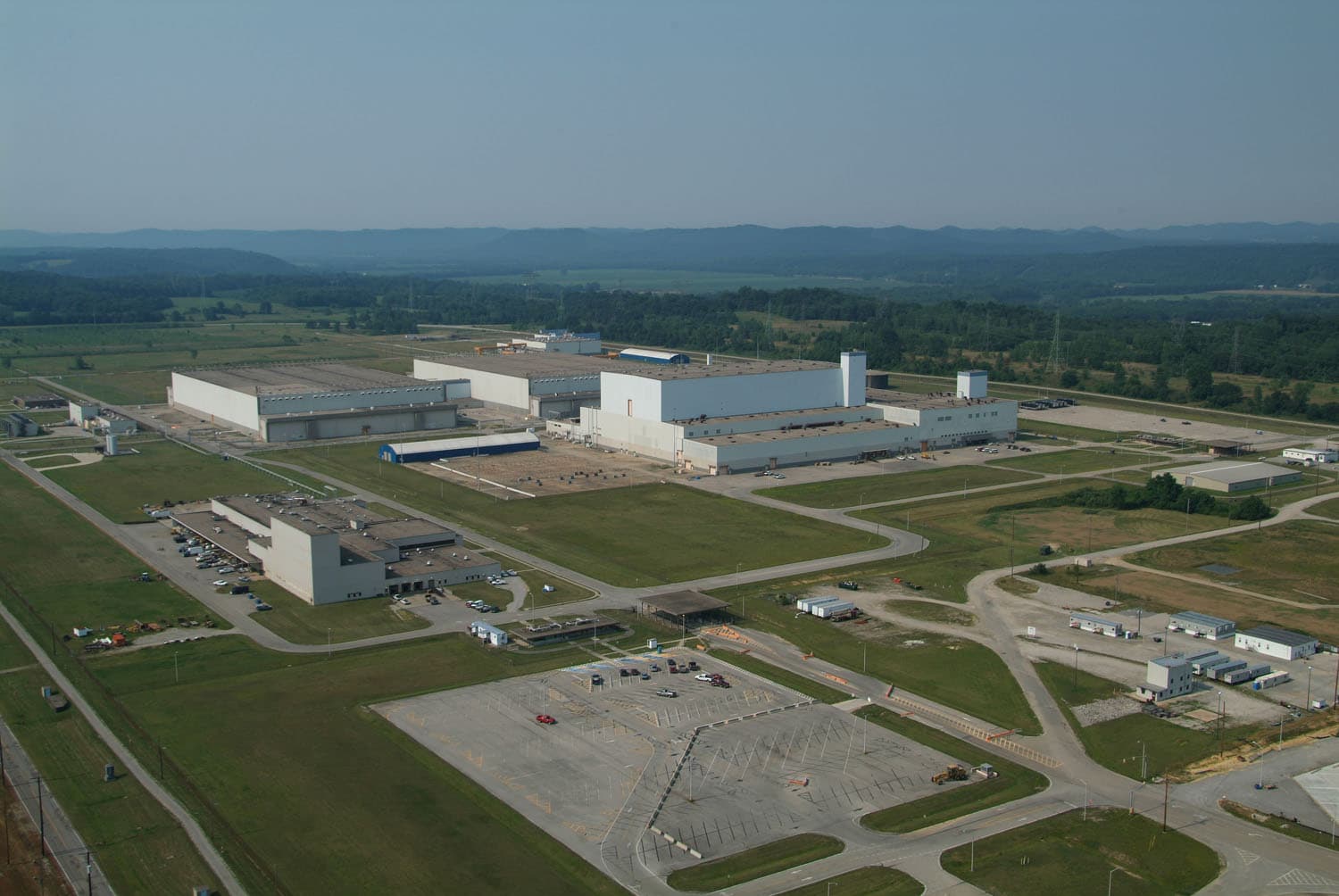
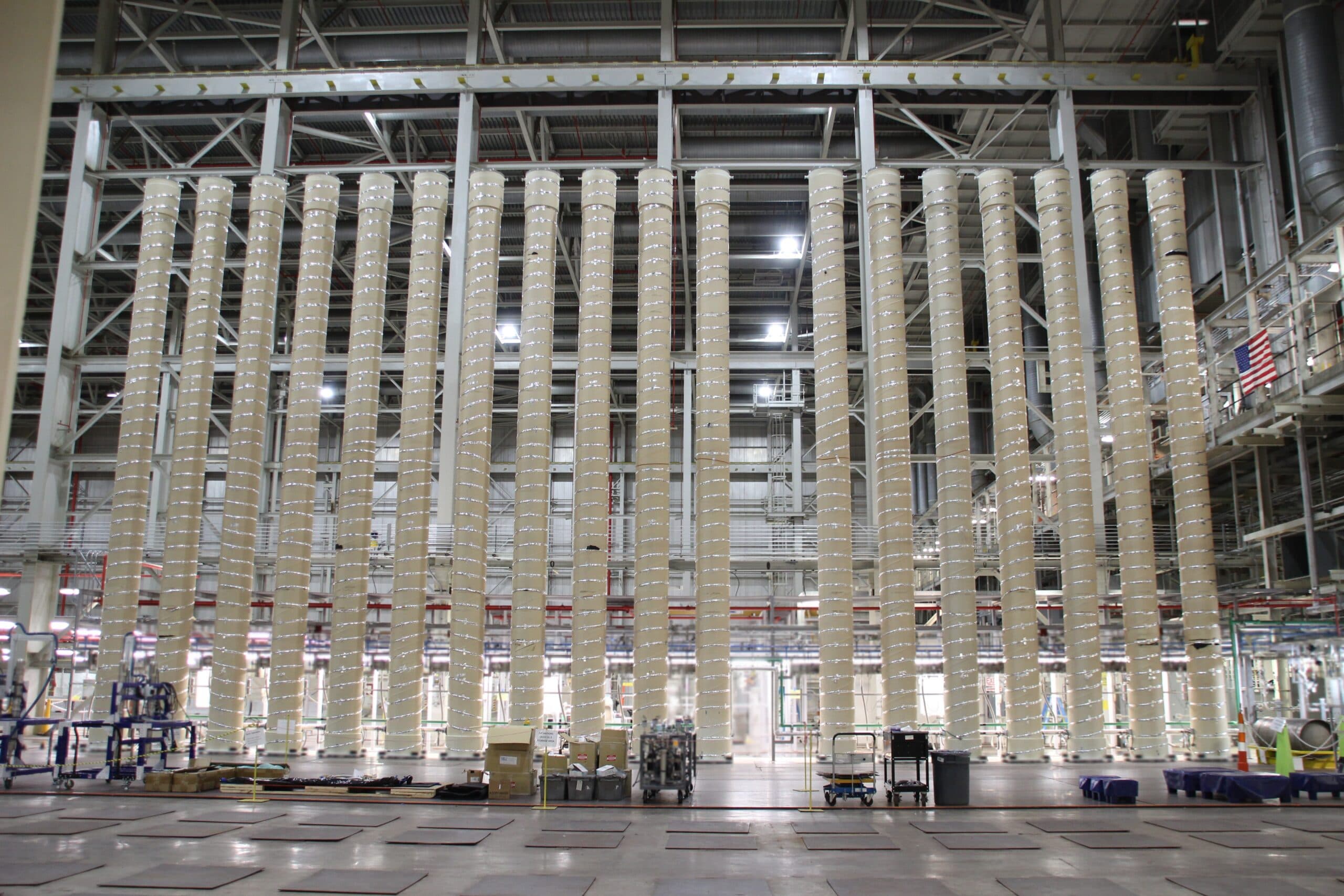
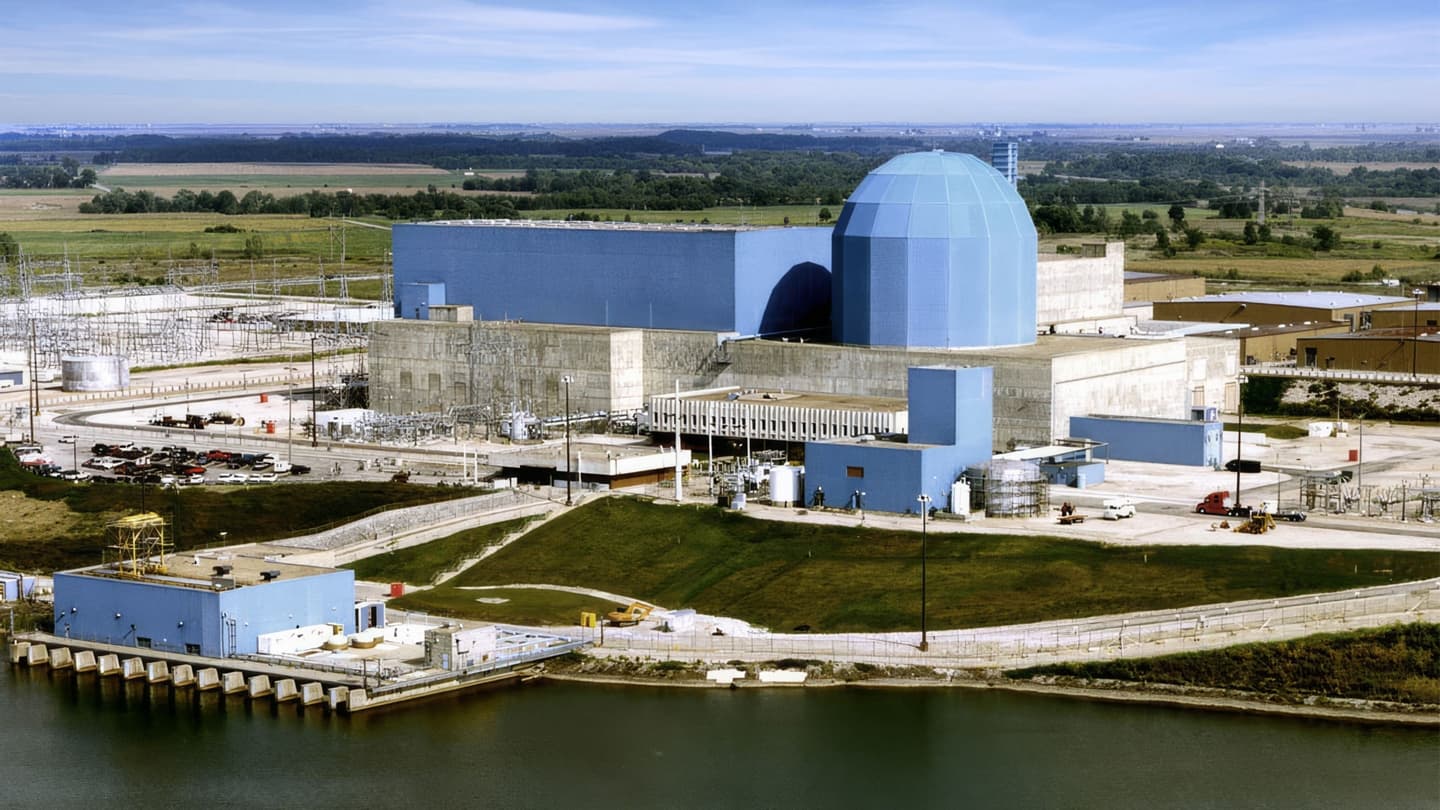
Centrus's Piketon, Ohio site, where the HALEU cascade runs. File image from Centrus's Piketon page; it does not show the cascade itself.
Image: Centrus Energy
Source · Press image from the Centrus Energy website, used for news reporting.
Centrus Energy took title from DOE to the high-assay low-enriched uranium (HALEU) that its Piketon, Ohio, cascade made for the government, under an Oct. 20 agreement disclosed in Centrus's 10-Q filed on Nov. 5.
The filing fills in what Centrus's Nov. 4 results release left open. As Voltgrid reported, DOE's proposed fiscal 2027 budget has no money for running the cascade, and the site lease ends in October 2027. The 10-Q shows the first step of the handover: title to the HALEU, and the cost of holding it, has moved from DOE to Centrus.
Under the HALEU Transfer Agreement, Centrus subsidiary American Centrifuge Operating (ACO) also took title to the low-enriched uranium (LEU) feed and heels, depleted tails and cylinders. ACO assumed DOE's financial and operational responsibility for the facility costs, maintenance, security and environmental compliance tied to that material, and agreed to hold the HALEU for resale to DOE on request. The filing gives no quantity. For scale, Phase 2 of the DOE contract alone delivered 900 kg of HALEU UF6 to DOE in June 2025.
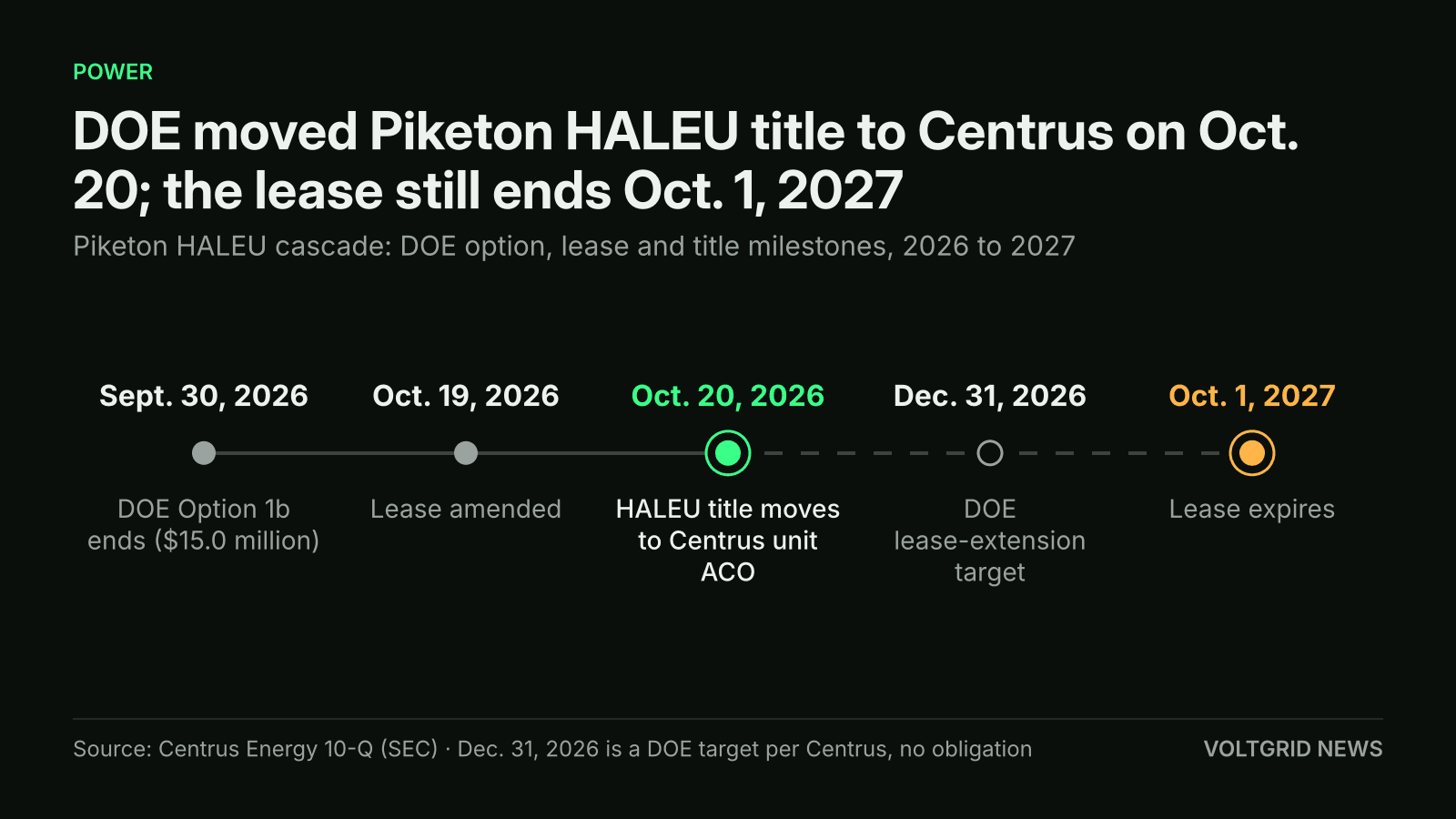
DOE moved HALEU title to Centrus on Oct. 20, per Centrus's 10-Q; the Dec. 31 lease-extension date is a DOE target, not a commitment.
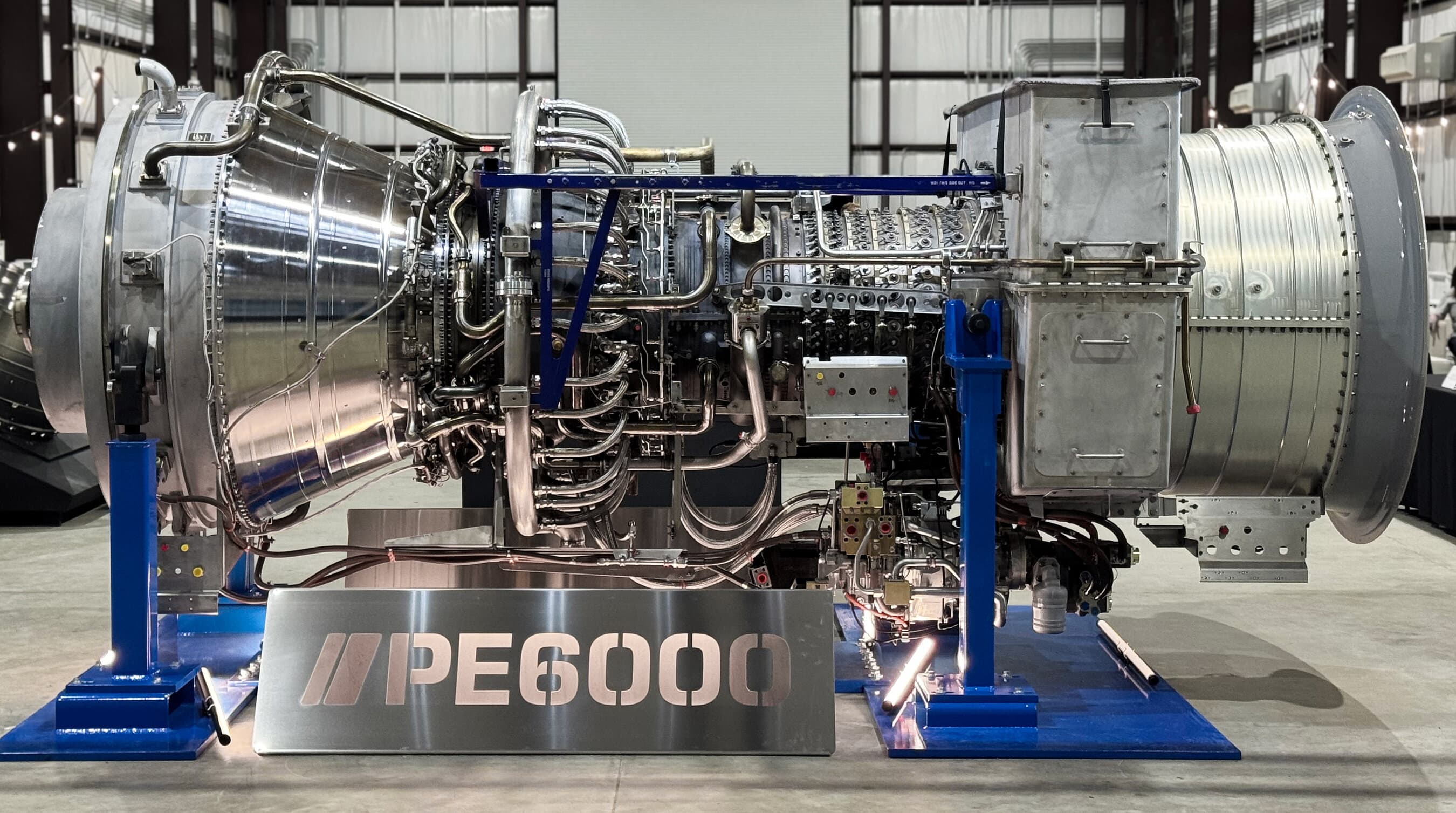
Illustration (AI-generated)
The lease and the liabilities
A day earlier, on Oct. 19, Centrus's Enrichment Corp. subsidiary and DOE amended the Piketon lease. The amendment fixes its expiry at Oct. 1, 2027 and expressly lets Centrus keep using the demonstration cascade. In return, Enrichment Corp. agreed that it or ACO will take over DOE's decontamination and decommissioning liabilities for the facilities, equipment and work under the HALEU Operation Contract, plus any arising from ACO's own use of the cascade. That transfer waits on the Nuclear Regulatory Commission (NRC) approving ACO's decommissioning funding plan.
No exercised DOE production or maintenance option is running now. The last exercised option, Option 1b, bought three months of cascade maintenance and HALEU storage, with no production, for a fixed $15.0 million, and it ran out on Sept. 30, 2026. DOE has told Centrus it does not currently intend to exercise further production options. Centrus said on Nov. 4 that its 16-centrifuge cascade is enriching HALEU for the commercial market; the release gives no output or timing.
Who Holds Piketon's HALEU Now
HALEU is high-assay low-enriched uranium, the fuel form pebble-bed reactors need. X-energy says the TRISO-X fuel for its Xe-100 uses HALEU enriched to approximately 15.5% U-235. Until Oct. 20 the HALEU Piketon made under the DOE contract belonged to the government, which paid for its upkeep, including $15.0 million for the three months of maintenance and storage under Option 1b that ended Sept. 30, 2026.
Under the transfer, Centrus subsidiary ACO owns the material and carries those costs, but agreed to hold the HALEU for resale to DOE on request. The 10-Q gives no quantity, and does not say whether any of it can go to commercial buyers such as X-energy, so that remains unconfirmed.
What it means for Xe-100 fuel
X-energy's Xe-100, a pebble-bed reactor designed for 80 MWe per module, runs on TRISO-X fuel made from HALEU enriched to about 15.5% uranium-235, according to X-energy. X-energy signed a long-term LEU and HALEU enrichment agreement with Centrus in August. The 10-Q lists it alongside HALEU supply agreements with Radiant and Antares, all with prepayments. Amazon supports Xe-100 development through funding agreements at Energy Northwest's Cascade project in Washington and at AEP's proposed 960 MW plant in Indiana, 12 units of 80 MW each. Both are in development, and no construction decision has been announced for either.
The stock DOE handed over stays available to DOE on request, which may make it a government reserve rather than inventory for commercial buyers; the 10-Q gives no quantity and does not say whether any can go to commercial buyers. If so, Xe-100 developers depend on what the single cascade enriches next and, after that, on the new Piketon capacity Centrus targets for 2029. POWER Magazine noted in July that private operation would make Piketon the only US source of privately produced HALEU.
What comes next
DOE has indicated it will work to complete a long-term Piketon lease extension before Dec. 31, 2026, Centrus said, but DOE is under no obligation to do so. Centrus is also working on agreements to run the cascade privately and indefinitely on a commercial basis, and says there is no assurance they will be reached. The NRC's decision on ACO's decommissioning funding plan is the third open item.
Sources
- 01Centrus Energy Corp - Form 10-Q for the quarter ended September 30, 2026Centrus Energy (SEC 10-Q) · sec.gov
- 02Centrus Reports Third Quarter 2026 ResultsCentrus Energy (SEC 8-K) · sec.gov
- 03X-energy, Centrus Sign HALEU Supply Agreement for Xe-100 Advanced Small Modular Reactor DevelopmentX-energy · x-energy.com
- 04Centrus Signs $900M DOE Contract, Pivots Sole U.S. HALEU Cascade to Commercial OperationPOWER Magazine · powermag.com