Google Commits $15 Billion to Malaysia Data Centres for 2027-2028
Google will add $15 billion in Malaysia over 2027-2028 for Elmina and new Selangor and Negeri Sembilan campuses, with 1 GW of clean power, but it has not disclosed campus MW or opening dates.
Chips & Power DeskEdited by Ege Erten
3 min readAI-assisted

Google's additional $15bn for Malaysia covers 2027-2028 and follows the $2bn announced in May 2024.
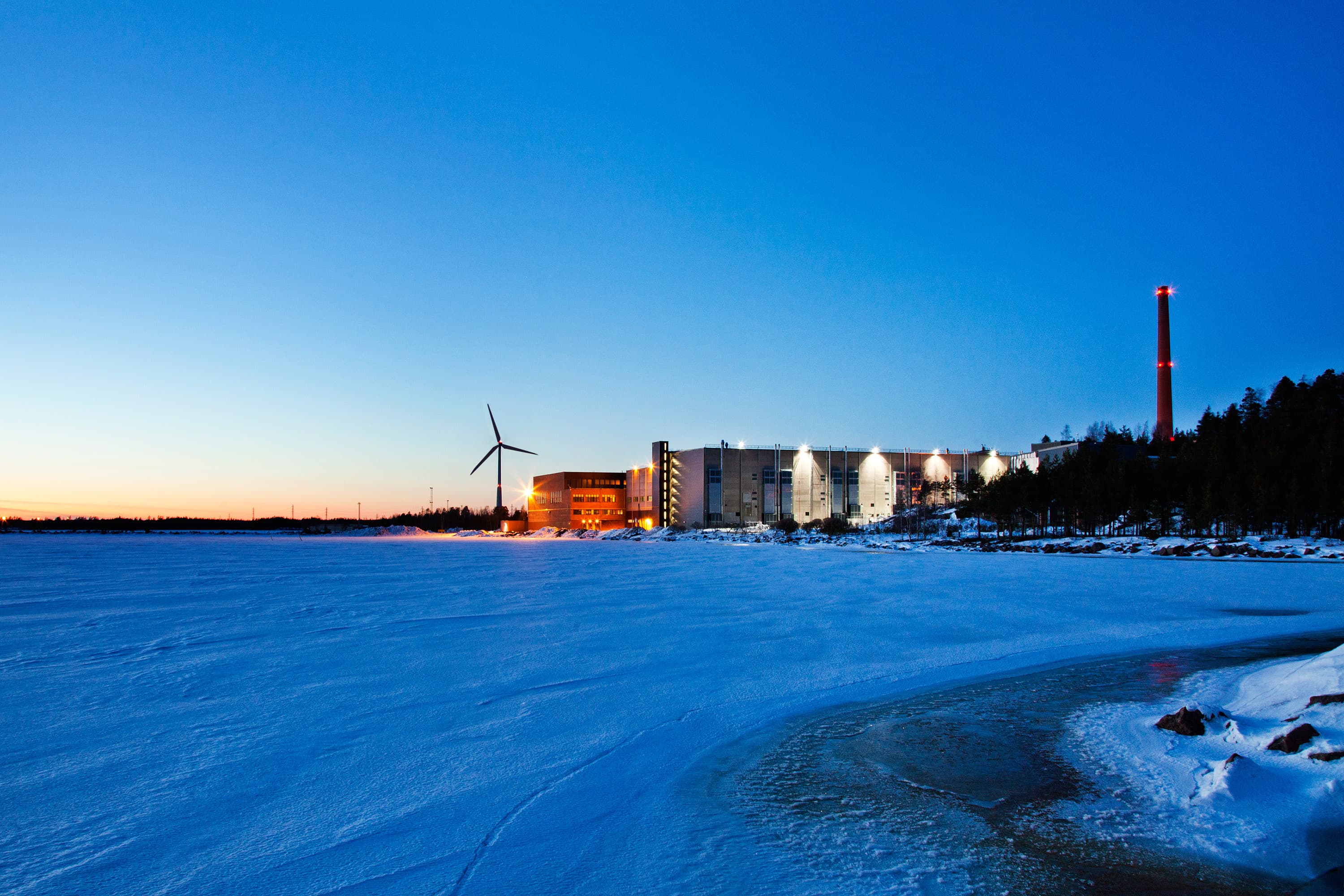
Illustration (AI-generated)
Google will invest an additional US$15 billion (RM61 billion) in Malaysia in 2027 and 2028 to expand its Elmina campus in Selangor and build new data centre campuses in Selangor and Negeri Sembilan, Alphabet and Google president Ruth Porat said in Kuala Lumpur on Nov. 4.
Porat spoke at an event at Universiti Malaya with Prime Minister Anwar Ibrahim present, according to Malay Mail. Google said the money builds on the US$2 billion it announced in May 2024 for its first Malaysian data centre and cloud region, both at Elmina Business Park. Reuters reported the same figures.
Google did not give a capacity figure in megawatts or opening dates for the new campuses. That makes the dollar figure hard to compare with other Malaysian projects, such as SoftBank founder Masayoshi Son's planned US$50 billion investment, which the prime minister announced on Oct. 25.
Where the new capacity goes and how it is powered
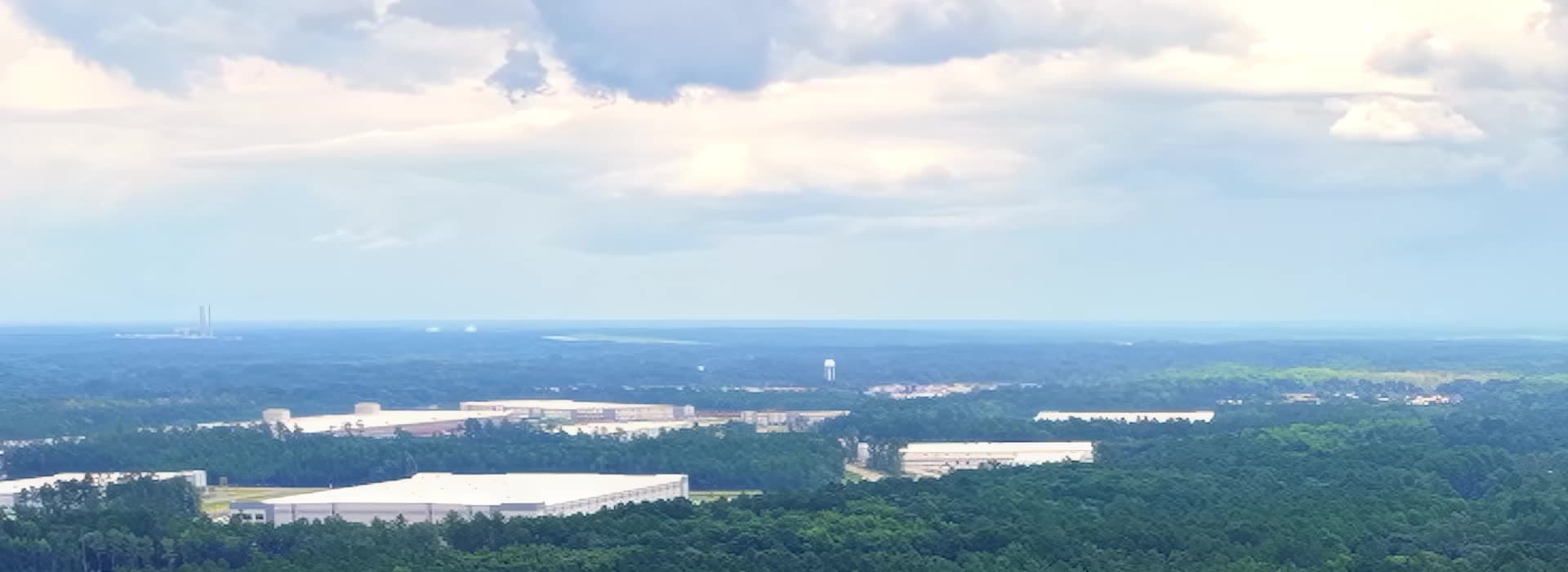
Newswav, citing Google's announcement, lists the planned sites as EcoWorld Eco Business Park in Puncak Alam, the UMW High Value Manufacturing Park in Serendah and Springhill Industrial Park in Port Dickson. It reports that the Elmina data centre is now operational. Google said the Selangor infrastructure will anchor its planned Google Cloud region in Malaysia.
On power, Google said it will add more than 1 gigawatt (GW) of new renewable capacity to the national grid under the Corporate Renewable Energy Supply Scheme (CRESS), with Tenaga Nasional Berhad (TNB) and solar developers. Anwar said it would come without public subsidies. Google also said it will pay for 100% of the power its campuses use and for the direct costs of connecting them to the grid. It targets a power usage effectiveness (PUE) of 1.12 to 1.14, against a global industry average of 1.54 that Newswav cites.
The 1 GW is clean capacity for the grid. It is not a statement of how much the campuses will draw, and Google has not published that figure.
Water, jobs and what the construction phase means
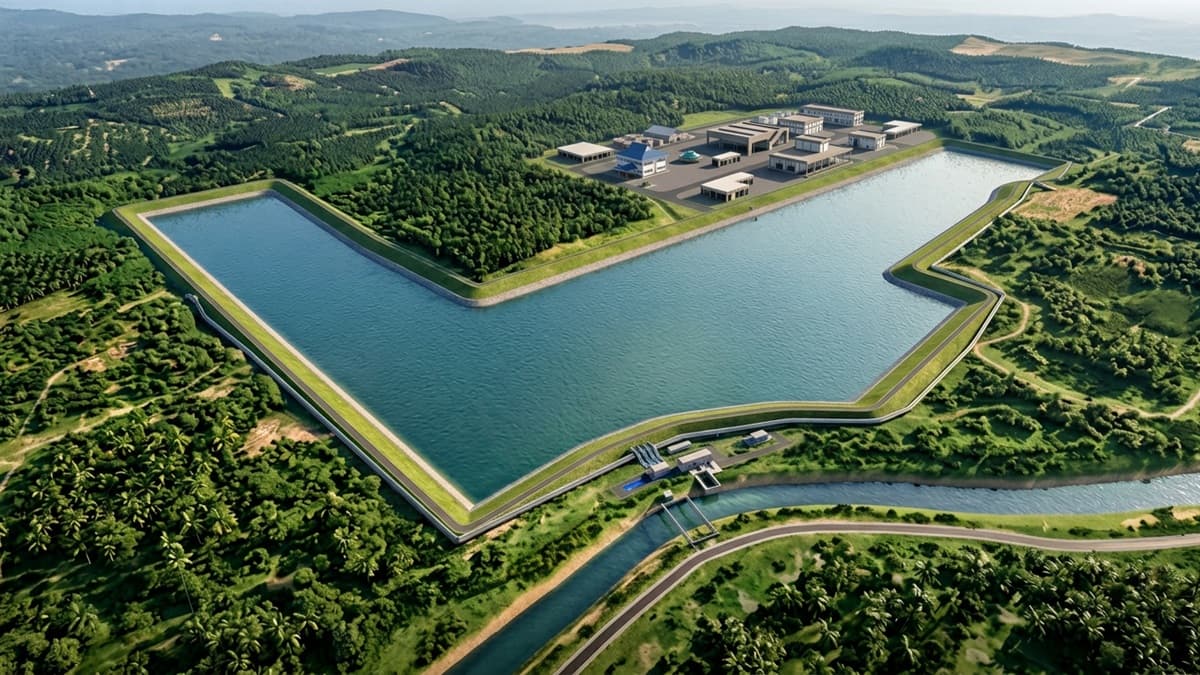
Anwar highlighted a planned off-river storage reservoir and treatment plant in Negeri Sembilan that is expected to supply 65 million litres of treated water a day and be handed to the state government on completion. Google said earlier this week that it is funding US$160 million of shared water infrastructure there, as Voltgrid reported. Google said third-party hydrologists found the local basins are not at high risk of scarcity.
Google projects that construction in 2027 and 2028 will add an average of US$1.1 billion a year to Malaysia's gross domestic product and support more than 37,000 local jobs a year, with an average annual labour income of US$378 million. Once running, it expects the facilities to support more than 9,000 long-term jobs paid 45% above the national median wage. These are Google's projections. The company says it is working with more than 80 Malaysian suppliers and plans four skills programmes for 800,000 people by 2031.
The grid is the constraint to watch
The announcement lands as Kuala Lumpur tightens access to power. In a parliamentary reply published on Nov. 4, the energy ministry said data centre operators in Peninsular Malaysia must now submit 10-year staggered energy projections and sign binding electricity supply agreements with TNB, Malay Mail reported. As of August 2026, contracted data centre capacity was 2,346 MW, while active facilities drew 1,374 MW, or 58.6% of that. The ministry did not say how much of the gap is ramp-up and how much is speculative booking.
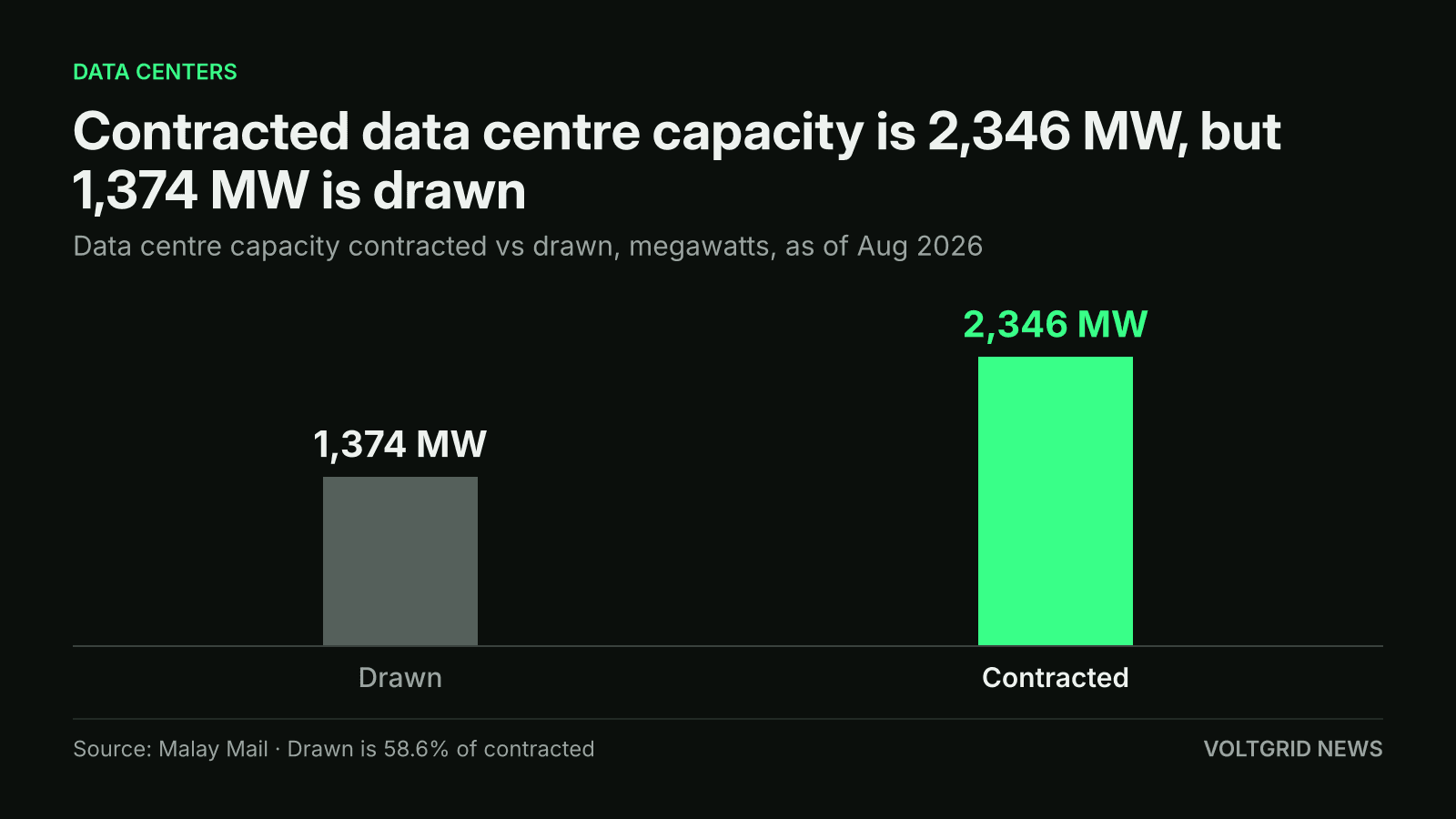
Active data centres drew 1,374 MW of the 2,346 MW contracted as of August 2026, or 58.6%, according to the energy ministry as reported by Malay Mail.
Illustration (AI-generated)
The ministry also forecasts that data centres will rise from 7% of peninsular electricity demand (10,544 gigawatt-hours) in 2026 to 21% (39,289 GWh) by 2030. Malaysia separately approved a 30% renewable energy requirement for data centres on Oct. 29. Google's pledge to fund its own grid connection and procure clean power fits both rules.
What is not confirmed yet
Google has not disclosed megawatts per campus, construction start dates or when the Port Dickson, Puncak Alam and Serendah sites will open, and only Newswav's account names the three sites. Construction status of the new sites is also unconfirmed. The reports reviewed carry no response from TNB or the Negeri Sembilan government.
Sources
- 01As data centre power share heads for 21pc, Putrajaya moves to avoid phantom demand hogging Malaysia's gridMalay Mail · malaymail.com
- 02Google commits additional US$15b to Malaysia data centre expansion over two yearsMalay Mail · malaymail.com
- 03Google Elmina data centre is now live: Puncak Alam, Serendah, Port Dickson in the worksNewswav (SoyaCincau) · newswav.com
- 04Google to Spend $15 Billion in Malaysia Data Center ExpansionGoogle News · Bloomberg · news.google.com