Jensen Huang: Kalanick, Underwood Reportedly Lobbied Vance for Return
Jensen Huang's return: the Washington Post, via Israel Hayom, says Kalanick led a push and Goldman's John Underwood reportedly linked Huang to JD Vance; the FT added Baker, Gerstner and Andreessen.
3 min read
Follows Jensen Huang Reinstated as NVIDIA CEO After Unanimous Vote on Nov. 23
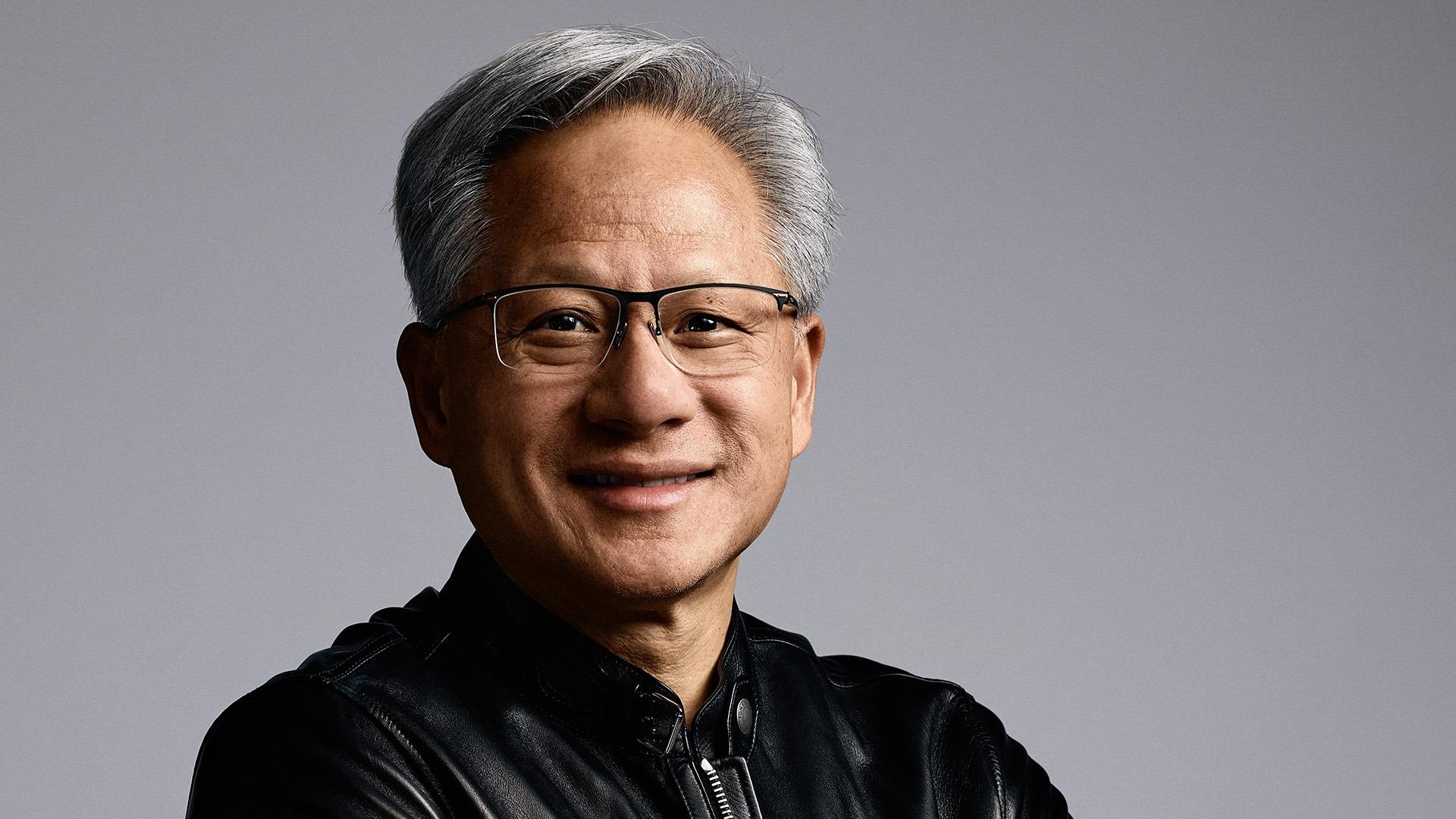
Jensen Huang, NVIDIA president and CEO, in an official company portrait; the photo is not from the events described.
Image: NVIDIA
Source · Press image from the NVIDIA newsroom, used for news reporting.
A group of Silicon Valley figures led by Uber co-founder Travis Kalanick lobbied Vice President JD Vance to restore Jensen Huang as NVIDIA's chief executive, according to a Washington Post investigation published on Nov. 28 and summarized by Israel Hayom.
The Post account, as Israel Hayom relays it, says Goldman Sachs managing director John Underwood, a friend of both men, brokered direct conversations between Huang and Vance, while a number of tech executives phoned Vance. Vance had been in contact with Huang even before the Nov. 12 resignation, the summary says. Kalanick, who barely knew Huang personally, was the most vocal figure, and posted a 12-step plan on X that called the coverage a "psyop" and urged Huang to build a well-funded war room. Investor Shervin Pishevar, Elon Musk and former White House AI adviser David Sacks backed Huang publicly. The Post article itself is behind a paywall, so every detail here comes from the secondary accounts cited.
What it means for NVIDIA's leadership and China policy
The names fill in the lobbying effort that the Financial Times first described on Nov. 15, when an ally spoke of a "war room", as Voltgrid reported then. The FT's later account, carried by The Irish Times on Nov. 24, named the group as Kalanick, investors Gavin Baker, Brad Gerstner and Marc Andreessen, and Underwood. It said one of them arranged a 45-minute call between Huang and Vance, in which Huang defended his positions on US export controls, remote access to chips and his dealings with the Singapore customer Megaspeed. Andreessen declined to comment; the others did not respond, the FT said.
For NVIDIA's China exposure, the lobbying matters because the same people argued over export policy. Forbes, in a Nov. 25 profile, reports that Palmer Luckey said at the New York Times DealBook Summit that "China wants Jensen out, so I want him in", and that Sacks called the policy of the China hawks "effectively the policy of the CCP". The Post summary adds that Steve Cortes, a political adviser to Trump's campaigns, said even China hawks accepted Huang's return because they feared a recession if NVIDIA stumbled.
Open Letter, Bessent and the Reinstatement Vote
Baker and Gerstner published an open letter to the board within a day of the resignation, urging it to keep "all options on the table", the FT said. Treasury Secretary Scott Bessent, who had accused NVIDIA the week before of inflating revenue through illicit China sales, softened his tone on Sunday, Nov. 22, which the campaigners read as a sign they were winning. The board reinstated Huang on Nov. 23. Israel Hayom adds that Vance said publicly in the days after the vote that officials had assured him Huang was not under investigation, a remark Voltgrid had already covered on Nov. 26.
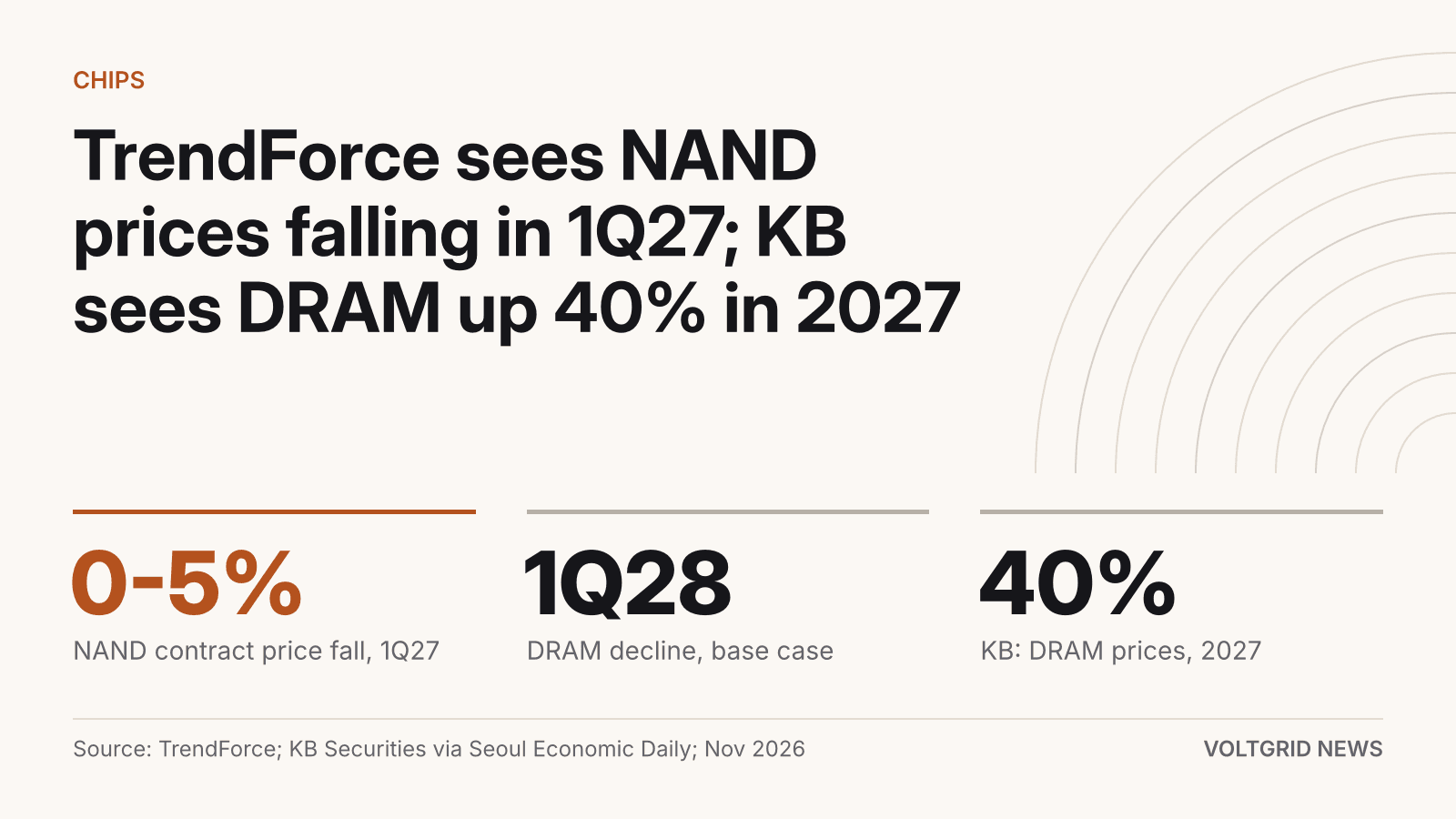
The reported push ran from the Nov 12 resignation to the Nov 28 Post account; the accounts rest on FT and Post reporting that NVIDIA has not confirmed.
Graphic: Voltgrid News
The FT said NVIDIA and Huang still face FBI and Securities and Exchange Commission investigations and congressional probes. Huang is scheduled to testify at the Senate Banking Committee on Dec. 3, as Voltgrid reported, where the Vance contacts and the China export-control questions are likely to come up.
What is not confirmed yet
The Post's original text was not read, and neither NVIDIA, Kalanick nor Vance's office is quoted as confirming the Israel Hayom summary. The FT sourced its account to people familiar with the matter, so the details of the Vance call rest on anonymous accounts. It is unclear what, if anything, the backers asked for on export controls beyond Huang's return, and no source says the lobbying changed any rule. Watch whether lawmakers on Dec. 3 ask Huang about the Vance call and about Megaspeed.
Sources
- Published
- Sources
- 3 cited