Norway Halts Data Centre Grid Reservations as Requests Hit 26,000 MW
Statnett paused new data centre grid reservations until as late as Aug. 1, 2027, with 4,200 MW already reserved and 18,000 MW more requested. Norway will also license the sector.
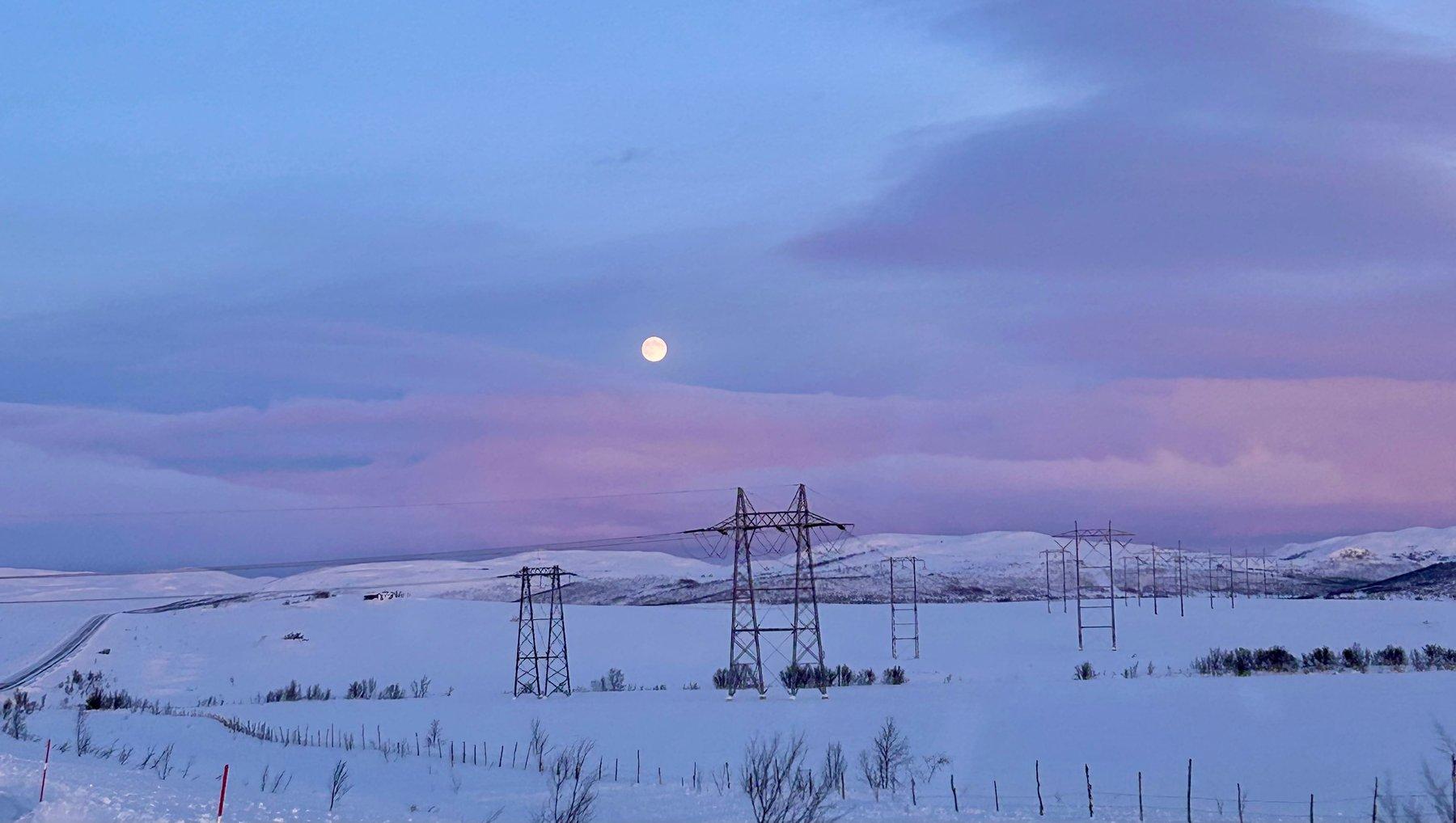
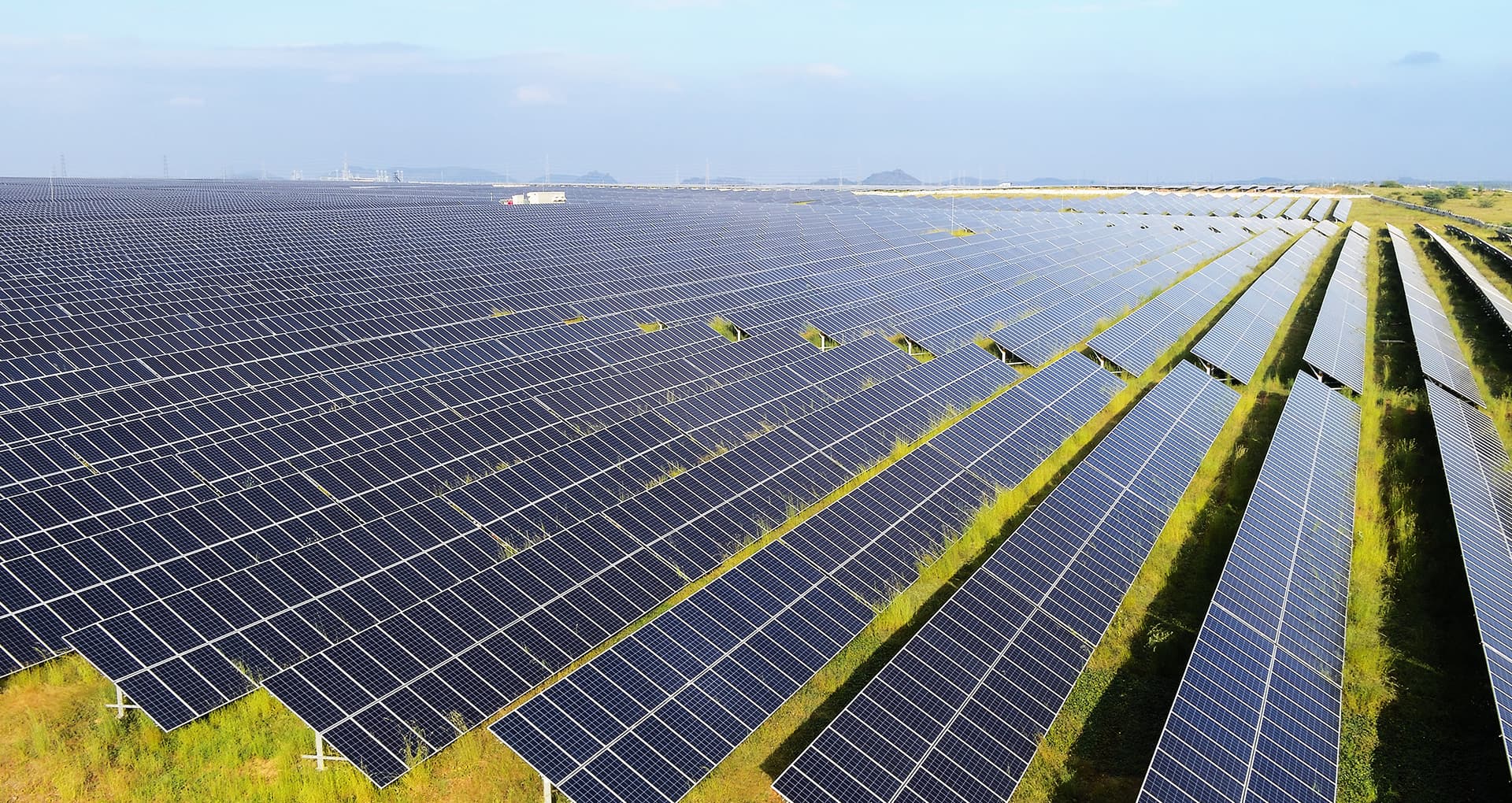
A Statnett grid image from the operator's news page. It is an illustration of Norway's transmission network, not a data centre site.
Image: Statnett
Source · Press image from the Statnett newsroom, used for news reporting.
Norway's national grid operator Statnett on Nov. 9, 2026 temporarily halted new grid-connection reservations for data centres, and the government said it will license the industry, after connection requests far beyond the country's peak demand piled up. The pause is expected to be lifted no later than Aug. 1, 2027, Statnett said in a statement.
Energy Minister Terje Aasland said applications for 26,000 megawatts (MW) of new capacity had arrived so far this year, more than Norway's current capacity, and that data centres account for 75% of them, Reuters reported. By that share, data centres alone asked for roughly 19,500 MW (Voltgrid's arithmetic, not a government figure).
Statnett's figures: 4,200 MW of data-centre capacity is reserved and 800 MW connected, against a national peak demand of a little over 25,000 MW.
Statnett's own count shows how far the pipeline runs ahead of the grid. Data centres drawing 800 MW are connected today, 4,200 MW have reserved capacity, 9,100 MW sit in the capacity queue and requests for a further 18,000 MW are pending. Norway's maximum power consumption is a little over 25,000 MW, the operator said.
What Statnett's Pause Covers
The measure stops new connection reservations and new applications for approval of a facility's technical functions under Norway's system-operation regulation. Statnett has also stopped processing applications already received for facilities that would connect directly to its 420 kV network. It applies to large consumers with a distinctive load profile, which in practice means data centres.
It is not a general stop, said Peer Olav Østli, Statnett's executive vice president for system operation and markets. Facilities whose technical requirements are already approved can still connect, existing connections are not affected, and applications for regional-grid projects due to start operating soon will keep being processed. Statnett may also take up some smaller facilities before Aug. 1, 2027.
The reason is technical as much as volume. Statnett said data centres can swing their power use quickly and by large amounts, run software-controlled load and can be more vulnerable to grid disturbances than traditional heavy industry. It plans functional requirements, such as when a data centre must stay connected during a fault and how fast its consumption may ramp, drawing on other Nordic operators and the European network of grid operators, ENTSO-E. The pause lasts until those rules are set and approved by the energy regulator RME.
What the Norway Data Centre Licence Changes
Digitalisation Minister Torgeir Micaelsen told a press conference the aim is to gain more control over data-centre growth and to ensure that Norway gets the data centres it needs, according to Reuters and AFP. The licensing scheme will favour facilities that serve defence, police and emergency preparedness, health services and other critical infrastructure such as the mobile network and the financial system. Cryptocurrency mining would be passed over, AFP reported.
The government will also restrict access to land and electricity for global cloud companies, Micaelsen said, while still supporting the national need for artificial intelligence. Data centres should pay the costs they cause the grid, and may be asked to build their own gas-fired power plants with carbon capture and storage, the government said, according to Reuters. The licensing system applies after Aug. 1, 2027, and data centres already online will also have to apply for a licence and meet the rules, AFP reported.
Why It Matters Beyond Norway
Norway is a net power exporter, but Reuters said recent projections show demand from new data centres could create an energy deficit and higher electricity prices in the coming years. The 4,200 MW already holding reservations is about a sixth of national peak demand on its own.
The text of the licensing rules, the criteria for ranking applicants and how the self-supply gas requirement would work have not been published. It is not yet stated whether the scheme needs a vote in the Storting, Norway's parliament, or whether projects already in the queue keep their place once the pause ends.