NRC Hearing Rule Caps Decisions at 135 Days, May Skip North Anna
The NRC's contested hearing rule, final Oct. 30, sets initial-decision deadlines of 135, 110 and 65 to 80 days after a contention is admitted, but covers only cases noticed after it takes effect. North Anna and other pending cases appear to stay on the old rules.
Nuclear & Microgrids DeskEdited by Ege Erten
7 min readAI-assisted
Follows our story: Amazon-Dominion North Anna SMR MOU: NRC Hearing Requests Due Nov 10
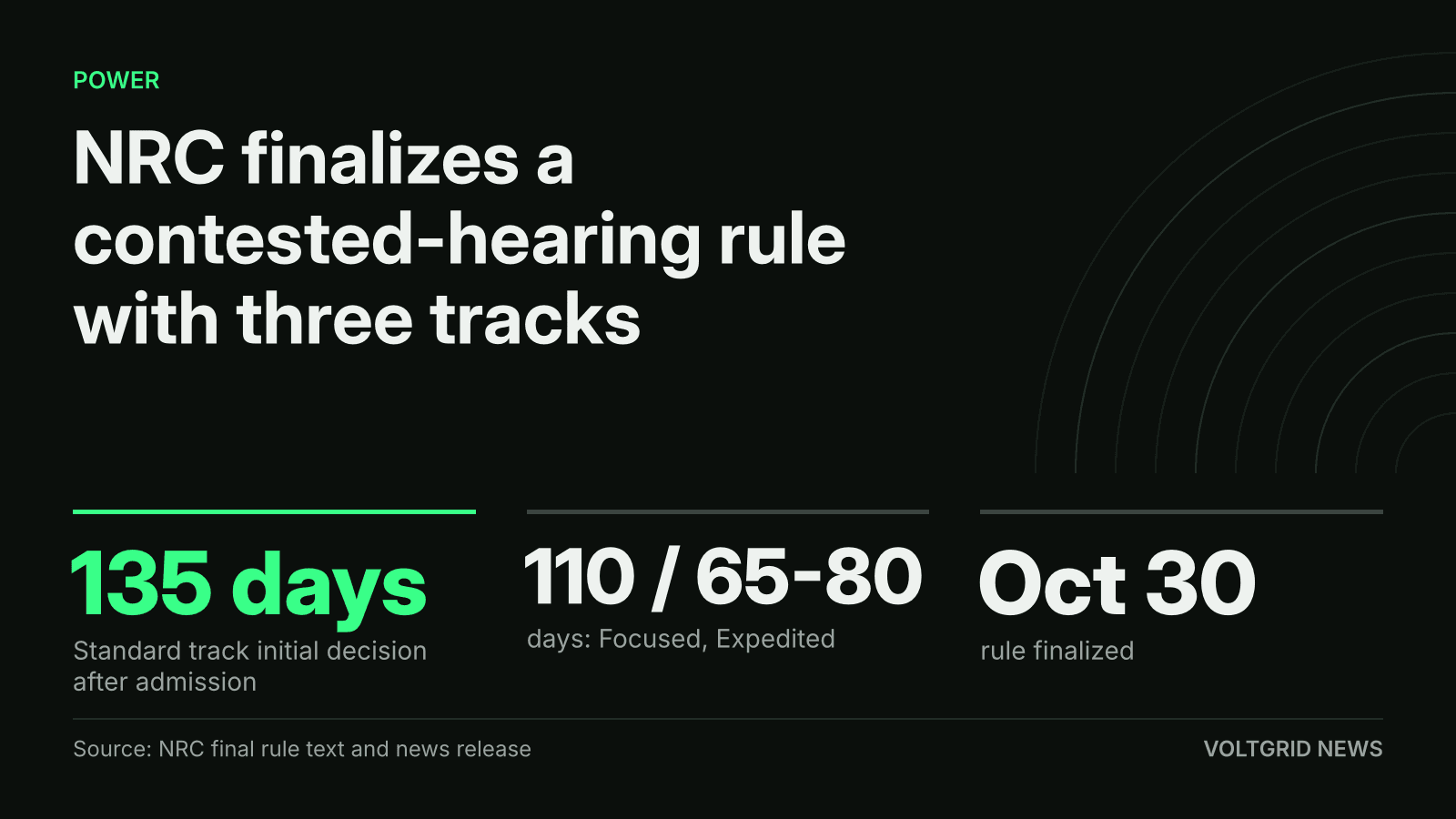
The NRC finalized the rule on Oct. 30; the day counts are the Standard, Focused and Expedited initial-decision deadlines from contention admission, per the rule text.
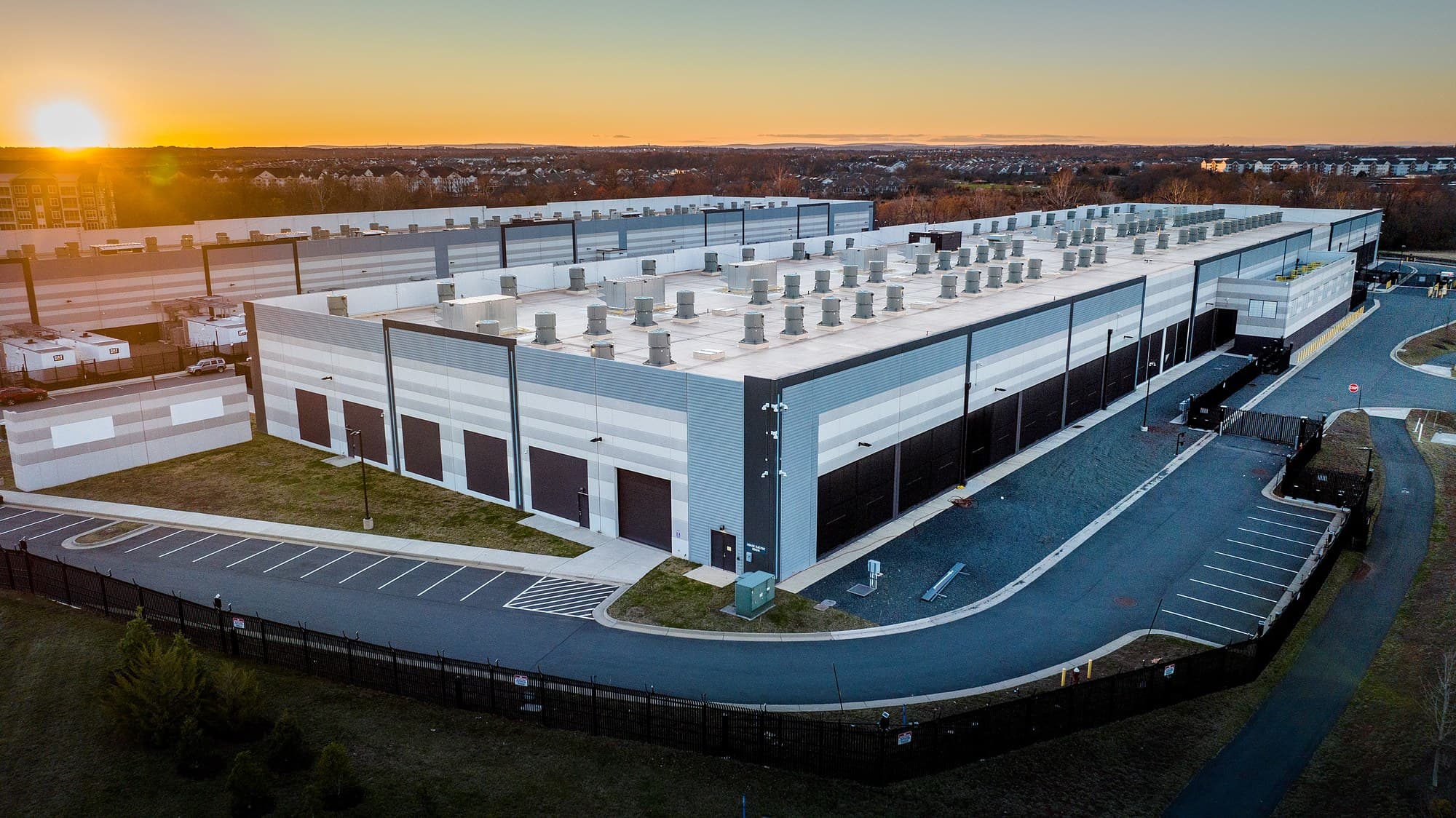
Illustration (AI-generated)
The Nuclear Regulatory Commission (NRC) on Oct. 30 finalized its contested hearing rule, which sets three hearing tracks with decision deadlines of 135, 110 and 65 to 80 days after a contention is admitted, according to the rule text. The cases now pending on projects tied to Amazon appear to fall outside it, so the rule's first real test for Amazon's reactor partners is likely to be an application that has not been filed yet.
What the NRC Contested Hearing Rule Changes
The rule creates three hearing tracks, Standard, Focused and Expedited, assigned by how complex an application is, the NRC said in a news release. The release says the schedules are designed to finish most cases in about a year and the simplest in roughly six months. The rule ties the Standard track to the NRC staff's 18-month review schedule and the Focused track to its 12-month one; the hearing deadlines themselves are set in days. ANS Nuclear Newswire, reporting the agency's media call, read 18, 12 and 6 months as the hearing limits, while the rule's own tables put Expedited decisions at 5 to 5.5 months from notice. The rule text also says the Commission does not intend the track labels to be rigid.
Two procedural changes do most of the work. A hearing will start as soon as practicable once a contention, a formal challenge to the application, is admitted, instead of waiting for the staff to finish its technical review. Every hearing notice must also carry a "Standard Hearing Completion Date." The windows to request a hearing shrink on the faster tracks, to 45 days for Focused and 30 for Expedited against 60 for Standard, and the answer periods shrink with them. The rule's Focused list includes early site permit applications, licence renewals, licence amendment requests, limited work authorizations, new licences that reference a design certification, and later builds of a reactor design after the first has been built and operated. An application that references a design certification and a categorical exclusion goes to Expedited.
NRC general counsel Matt Pociask told reporters that a contested hearing "will never be the long pole in the tent," because it will end with or before the staff review, ANS reported. Licensing standards and the test for admitting a contention are unchanged. After 33 unique comment submissions, the NRC dropped a proposal to bar non-lawyers from representing groups. The rule acts on the 2024 ADVANCE Act and Executive Order 14300. It takes effect 30 days after Federal Register publication, which the NRC expects in the first week of November, and applies only to contested proceedings noticed on or after that effective date. As of Oct. 31 Voltgrid found no Federal Register publication.
Why North Anna and Other Pending Cases Miss Out
That last clause decides who benefits. Dominion Energy's renewal of early site permit ESP-003 at North Anna in Louisa County, Virginia, was noticed in the Federal Register on Sept. 11, with hearing requests due Nov. 10. Amazon agreed in October 2024 to explore a small modular reactor (SMR) of at least 300 MW near the site under a memorandum of understanding (MOU) that names no design and binds neither side to build or buy, as Voltgrid's North Anna project file set out. Read together, the notice date and the rule's applicability line suggest that any challenge filed by Nov. 10 would be heard under the old procedures. That is our inference from the two documents; we found no transition clause that moves pending proceedings onto the new tracks, and the NRC has not addressed this docket. A renewal of this kind would sit on the Focused track, with a 45-day request window, under the new rule; the pending notice gave 60.
The same reading applies to two other followed cases. Holtec's Palisades plant in Michigan has no Amazon tie, but its Amendment 283, issued Oct. 13 under exigent circumstances as a one-time change to recover a tilted fuel assembly, was noticed on Oct. 22 with hearing requests due Dec. 21. Long Mott, Dow's four-module, 320 MWe plant using X-energy's Xe-100, the design Amazon backs through its stake in X-energy, had its hearing opportunity published in June 2025. A licensing board granted San Antonio Bay Estuarine Waterkeeper a hearing on two financial-qualifications claims on Jan. 22, 2026. Dow's subsidiary, Long Mott Energy, then supplemented its application, and the board dismissed the claims as moot on Mar. 20 and June 25 and ended the proceeding, according to Long Mott's NRC filing. A dismissal as moot is not a ruling on the merits. Waterkeeper asked the Commission on July 20 to review those rulings and Long Mott opposed on Aug. 14, according to the NRC docket; Voltgrid found no Commission ruling as of Oct. 31. Any Commission review of those rulings would, on the same reading, stay on the old rules.
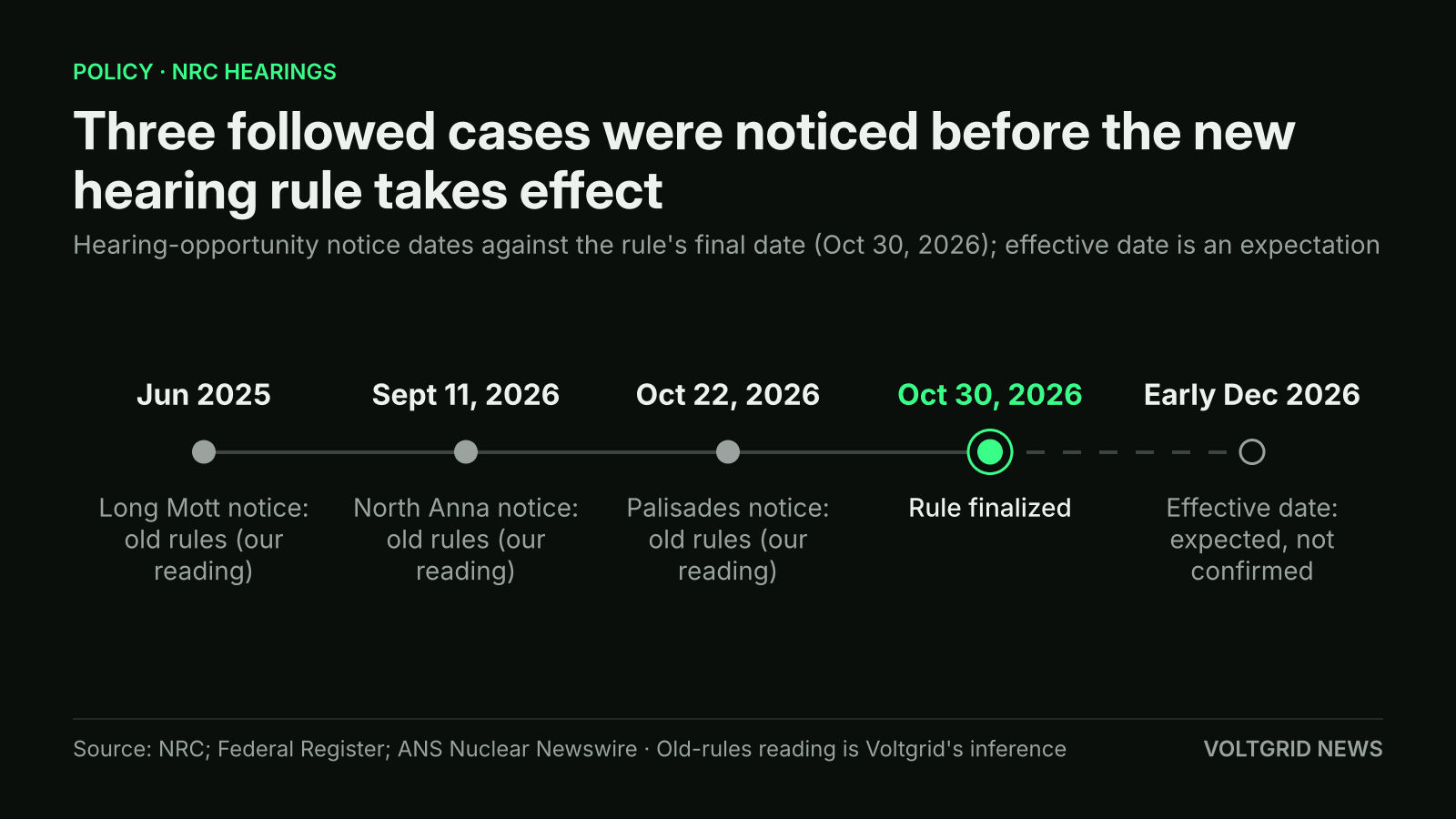
North Anna, Palisades and Long Mott were all noticed before the rule's expected early-December effective date, so they appear to stay on the old rules; that reading is our inference, not the NRC's.
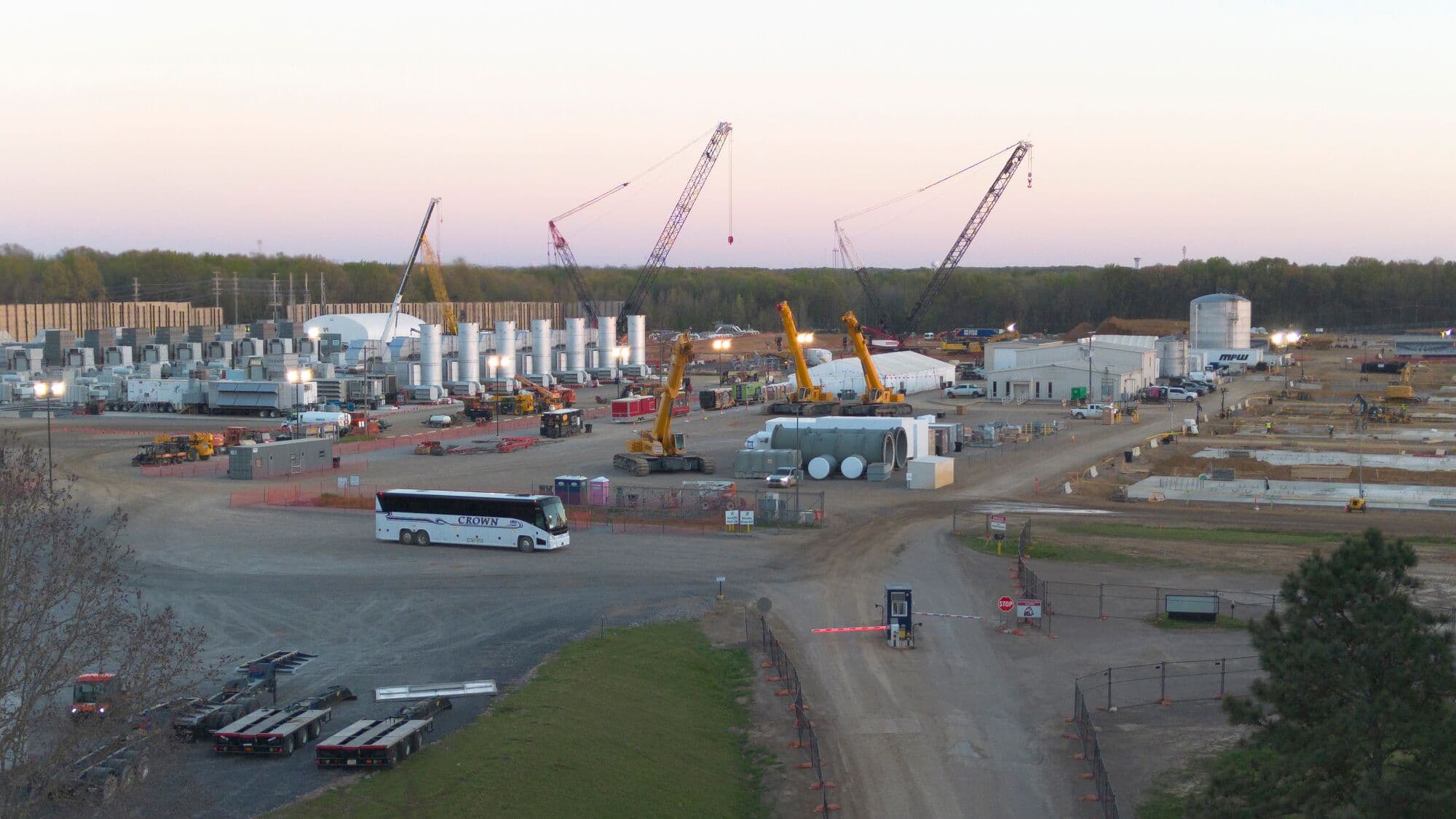
Illustration (AI-generated)
The Amazon-linked projects that would get the new tracks are the later ones. Energy Northwest's Cascade project in Washington, which has Amazon funding and gives Amazon a right to buy the output of its first four Xe-100 modules, expected at 320 MWe, has moved its construction permit filing to the first half of 2027, a company plan Voltgrid reported on Oct. 29. The Amazon-funded Xe-100 study in Indiana with AEP has no application at all. If those filings arrive after the effective date, their notices would carry a completion date from day one. The Focused category for later builds requires an earlier build of the design to have been constructed and operated, which no Xe-100 has, so a first Cascade permit would, in our reading, sit on the Standard track, matched to the NRC's 18-month review schedule, though the NRC can move a case to a faster one.
How NRC Contested Hearing Tracks Work
A contested hearing starts when a petitioner's challenge to an application, called a contention, is admitted. The rule sorts each case into a track by complexity and sets the board's initial-decision deadline in days from admission: 135 for Standard, 110 for Focused and 65 or 80 for Expedited, the NRC rule text says.
Counted from the Federal Register notice, the rule's tables reach 409 days for Standard and 364 days for Focused if a late contention forces a second hearing, and 147 to 162 days for Expedited. The 18 and 12 months in the rule are the staff review schedules the tracks match, so a hearing is meant to end with the review, not extend it. For a reactor developer, that makes litigation a dated step instead of an open-ended one.
The Case Against: Hearings Rarely Held Projects Back
The strongest objection is that hearings were rarely what held these projects back. The rule's own regulatory analysis says early site permit and combined licence applications for large reactors nearly always drew a hearing request, but evidentiary hearings were held on only four of the eight large-reactor combined licences granted, and at a lower rate for early site permits and licence renewals. North Anna's renewal may never reach a board. Long Mott's contention was dismissed while the staff review was still running, and X-energy said on Oct. 30 that the NRC had issued the final safety evaluation, ahead of the agency's November target. Pociask's framing makes the point: the staff review sets the end date, and this rule does not shorten it. At North Anna the NRC targets a draft safety evaluation in December 2026, a final one in July 2027 and the final environmental impact statement in August 2027, against a permit that expires on Nov. 27, 2027.
A second objection runs the other way. The 45- and 30-day request windows apply to Focused and Expedited cases only, while Standard cases keep 60 days. For those faster cases a petitioner has less time to read an application and write a contention. And the Standard track's longer schedule, 135 days for an initial decision against 110 for Focused, is where the first-of-a-kind reactors are likely to land.
What the Rule Means for Amazon, Dominion and X-energy
For Amazon, the near-term supply picture does not change. North Anna is an MOU with no design, Cascade's output depends on a permit not yet sought, and neither was waiting on a hearing. For Dominion, the renewal still runs on the old timetable, and the deadline that matters is the permit's November 2027 expiry, not a hearing clock. For X-energy, the gain is prospective: a Cascade application noticed in 2027 would come with a published hearing completion date, removing one schedule unknown from a first-of-a-kind plant whose permit, financing and buyer decisions remain open.
What to Watch: Federal Register, Nov. 10 and Cascade
The first marker is Federal Register publication, which the NRC expects in the first week of November 2026; if it comes then, the rule would take effect in early December. On Nov. 10, the North Anna hearing-request deadline shows whether the old-rules question matters at all: no petition means no contested case to speed up. The NRC targets its draft safety evaluation on the renewal in December 2026, and Palisades hearing requests close on Dec. 21. The test of the thesis comes in the first half of 2027, when Energy Northwest plans to file for Cascade: if its notice is the first on an Amazon-linked project after the rule takes effect, it should carry a Standard Hearing Completion Date and show which track a new design lands on.
Sources
- 01NRC Finalizes Contested Hearing Rule, Will Resolve Simplest Cases Within Six MonthsU.S. NRC · nrc.gov
- 02Streamlining Contested Adjudications in Licensing Proceedings (Final Rule, Federal Register notice enclosure)U.S. Nuclear Regulatory Commission · nrc.gov
- 03Virginia Electric and Power Company, (Doing Business as Dominion Energy Virginia); North Anna Site; Early Site Permit Renewal ApplicationFederal Register (NRC) · govinfo.gov
- 04NRC board to hear challenges to Dow's Long Mott applicationANS Nuclear Newswire · ans.org
- 05NRC finalizes rule setting time limits for contested hearingsANS · Nuclear Newswire · ans.org