Section 301 Tariffs: Singapore Objects to 20% Cap, Taiwan Expects 15%
Singapore will file comments against a proposed 20% US Section 301 tariff, while Taiwan expects its 15% cap to hold and China calls the overcapacity charge a false premise. Comments are due Jan. 5, 2027.
2 min read
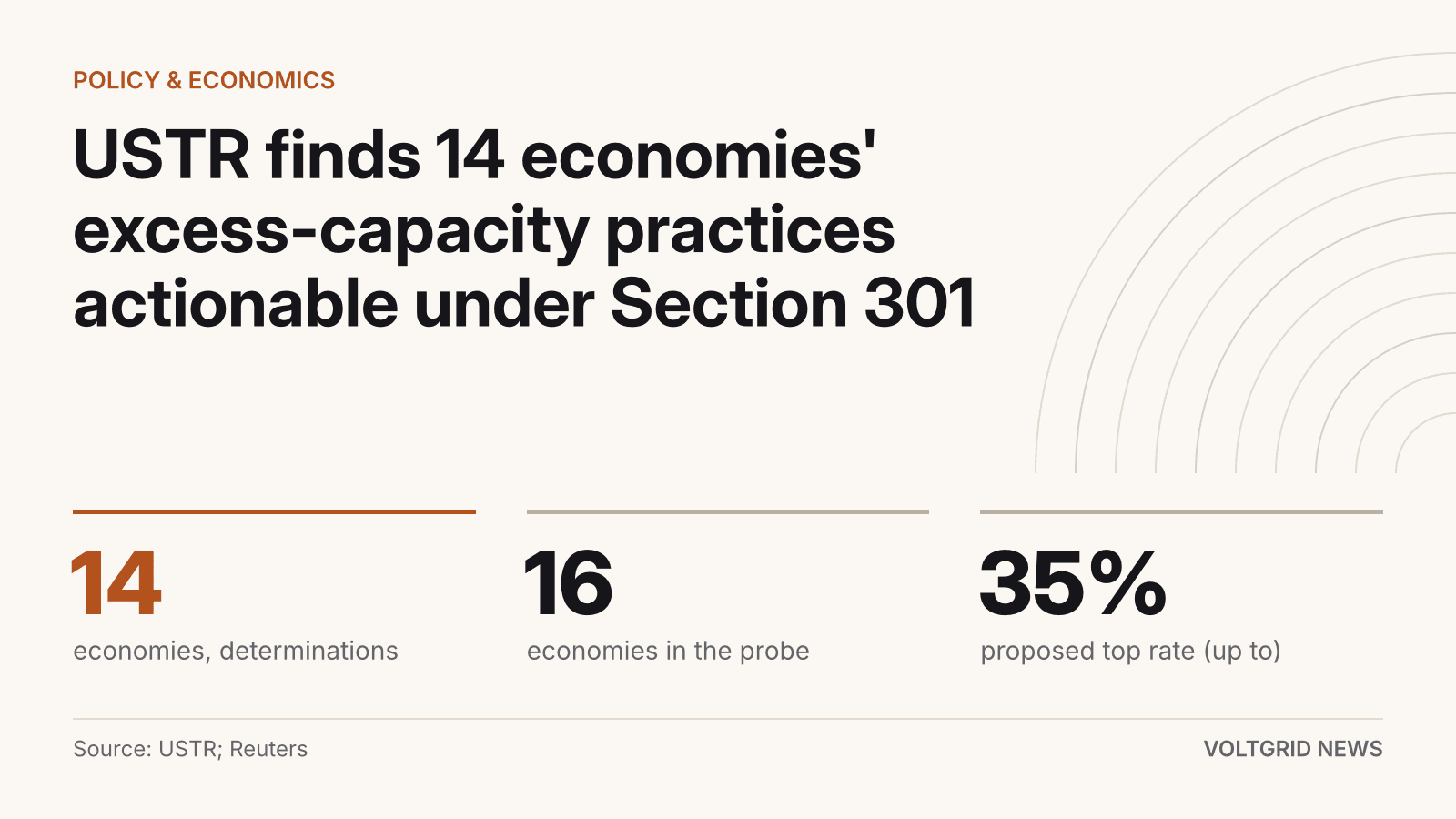
Follows USTR Proposes Section 301 Tariffs of Up to 35% on 14 Economies
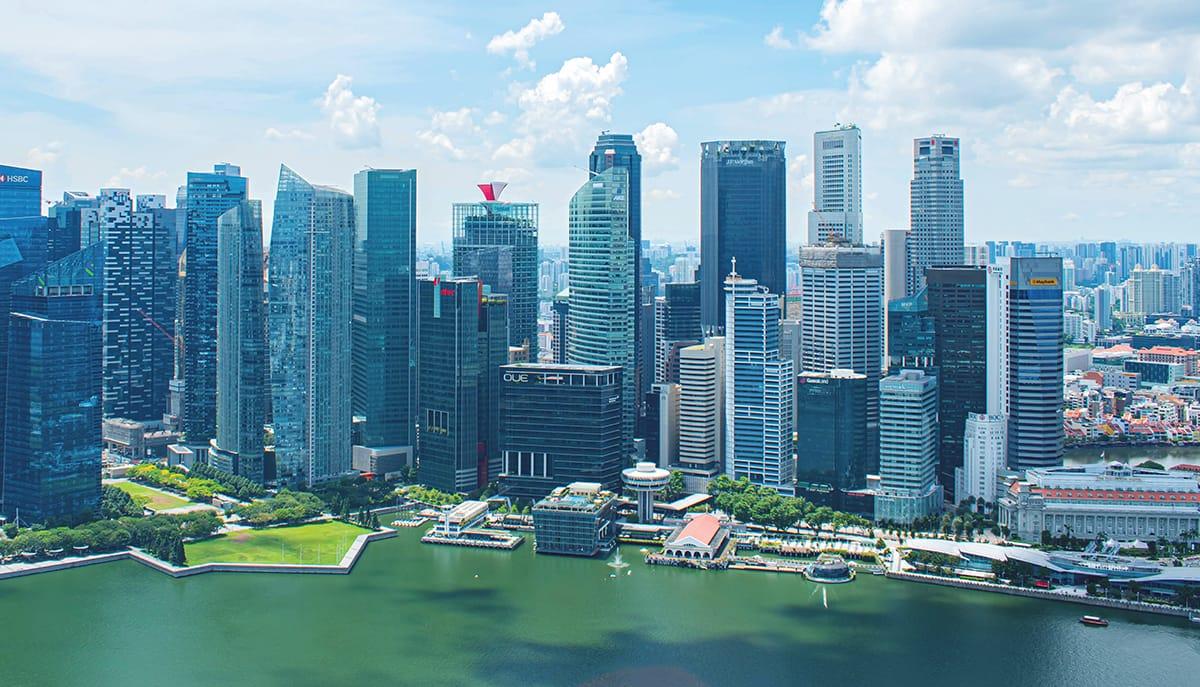
Singapore's central business district. File image from the website of Singapore's trade ministry; it does not show the tariff proposal itself.
Image: Singapore Ministry of Energy, Trade and Industry (mti.gov.sg)
Source · Image from the Singapore Ministry of Trade and Industry website, used for news reporting.
Singapore, Taiwan, China, Japan and Malaysia answered the US excess-capacity proposal on Section 301 tariffs on Nov. 26, a day after the US Trade Representative (USTR) proposed tariffs of up to 20% on Singapore and up to 15% on Taiwan, and Singapore and Taiwan each named their next step.
Singapore's Ministry of Energy, Trade and Industry (METI) said it "disagrees with" the USTR findings and is "very disappointed", according to Xinhua and AsiaOne. METI said it will file further comments in the upcoming public consultation and keep urging the USTR to reconsider and to find ways to reduce the tariff. The proposed maximum of 20% could fall to 10% if Singapore reaches an Agreement on Reciprocal Trade with the US. METI also said its policies neither protect the domestic market nor subsidize manufacturing for export.
Taiwan's Vice Premier Cheng Li-chiun told reporters in Taipei that Taiwan is confident of keeping the negotiated cap of no more than 15%, Focus Taiwan (CNA) reported. She called the alternative rate of up to 25%, which USTR would apply if it finds consultations unsatisfactory, "a proposed alternative, not a confirmed future tariff rate". She expects the final tariff early next year to return to the 15% non-stacked rate, and said the proposal lists 2,232 items exempt from the extra duties, including orchids, tea, coffee and pineapple cakes.
Singapore faces a proposed maximum of 20% and will file comments; Taiwan says it expects its 15% cap to hold.
Graphic: Voltgrid News
How China, Japan, Malaysia and Thailand Responded
The Associated Press (AP) reported that China, which faces a 20% tariff, rejected "overcapacity" as a "false premise". Foreign Ministry spokesperson Guo Jiakun said China opposes its use as a pretext for political maneuvering. AP did not report a countermeasure threat. The US-China trade truce is set to expire on Jan. 10, 2027 after a two-month extension.
Japan, facing up to 15%, said through Chief Cabinet Secretary Minoru Kihara that it has no nonmarket policies or structural excess capacity and had conveyed its position to Washington. Malaysia said it will keep engaging the US. Thailand, whose proposed cap is 18%, called the outcome more favorable than expected and said it will seek exemptions.
Which Sectors the Section 301 Findings Name
USTR's Nov. 25 proposal is a proposal, not a rule in force. As Voltgrid reported, written comments and hearing requests are due Jan. 5, 2027, and USTR's China finding lists battery, power equipment, semiconductors, solar and wind among the sectors where harm is most acute. None of the government statements read here gave product-level rates or said which chips, cells or grid equipment fall in the annexes, so the cost to data-center and grid builders stays unquantified.
AP quoted Capital Economics chief economist Stephen Brown as saying the new tariffs largely replace the forced-labor tariffs announced in July rather than add to them, though they may keep core goods inflation firm into next year.
What Remains Unconfirmed on the Tariff Plan
The EU's and Brazil's official responses were not read for this report. The Chinese Commerce Ministry's own statement was not read either; the China position here is the Foreign Ministry's, as AP carried it. Final rates, exemptions and the effective date depend on the comment period and the hearings that begin on Jan. 25, 2027.
Sources
- Published
- Sources
- 3 cited