Used Gas Turbines Sell for $1.5M-$1.7M per MW as New Ones Slip to 2031
Reuters reports data center developers are buying used, refurbished and jet-derived turbines at about $1.5 million to $1.7 million per MW, against $2 million to $2.5 million new, as US deliveries run six years.
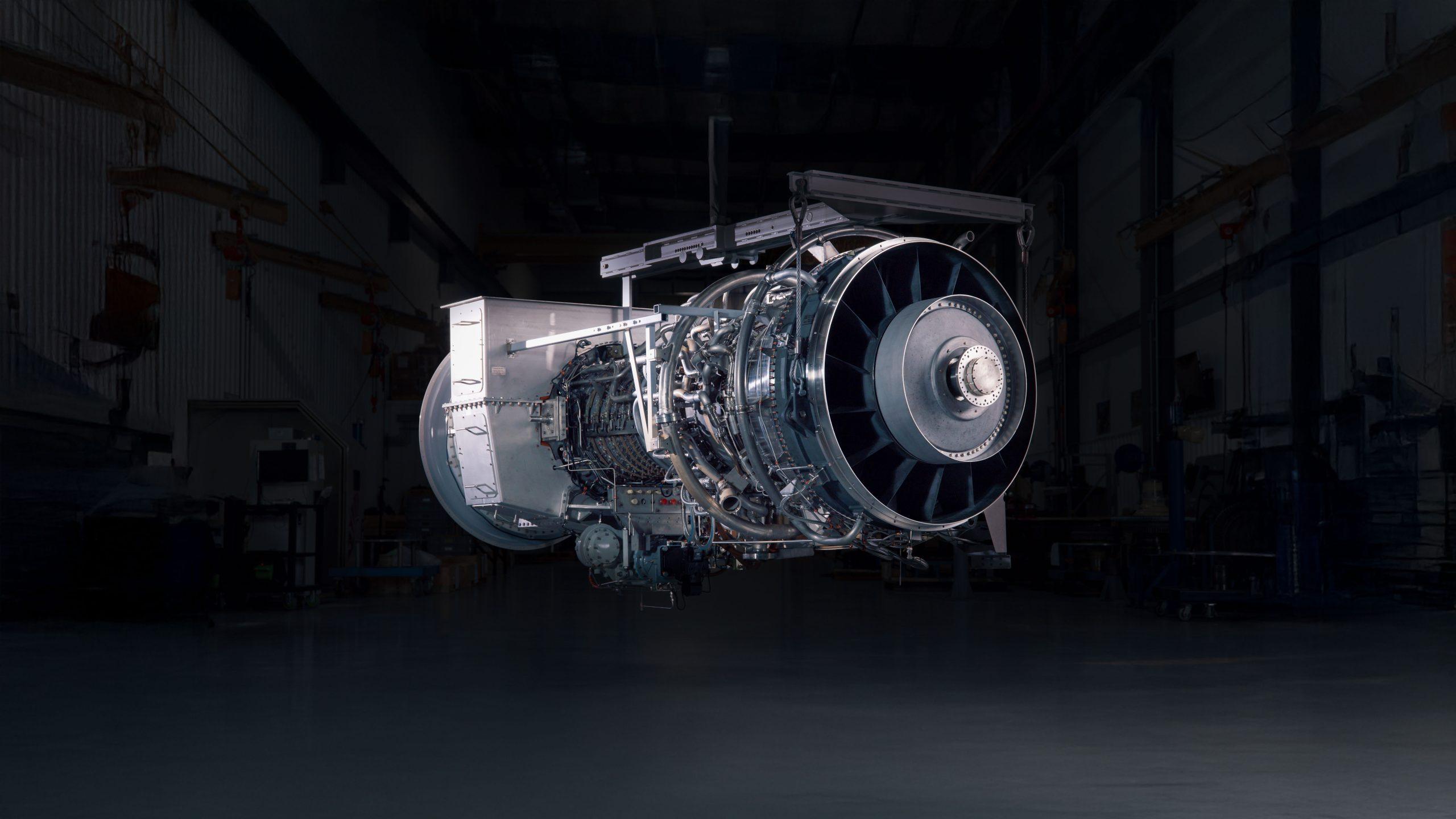
A ProEnergy PE6000 gas turbine, the model Crusoe ordered 13 sets of, as shown on ProEnergy's product page; the image shows the product, not the Crusoe order itself.
Image: ProEnergy
Source · Press image from the ProEnergy website, used for news reporting.
Used gas turbines in good condition now sell for about $1.5 million to $1.7 million per MW, refurbished units for about $1.3 million, and new ones for $2 million to $2.5 million, as data center developers hunt for secondhand and jet-derived machines, Reuters reported on Nov. 9.
Used turbines sell for a reported $1.5M-$1.7M per MW, against about $2M-$2.5M for new units; the figures are executive estimates from different firms.
Origin Partners, which buys power equipment for data center developers, supplied the used and refurbished prices, and Aurora Energy Research the new-turbine range, according to Reuters. Wood Mackenzie senior analyst Aurora Tenorio told the agency that delivery talks in the US market are "firmly focused on the 2030 to 2031 window", and that a new gas turbine now takes six years on average to arrive.
The two price ranges come from different firms and are not a like-for-like transaction series, but the gap is still $0.3 million to $1 million per MW in the buyer's favour, plus years of schedule. For a developer whose campus is ready before the grid is, that trade explains the demand. Reuters notes there are no reliable estimates of how much the secondary market adds to the global turbine supply, which it puts at about $25 billion a year.
Why the Secondary Market Is Hot
Wood Mackenzie says worldwide gas turbine orders top 100 GW, well above estimated global production capacity of 60 GW to 70 GW. Jefferies analysts estimate US data centers alone account for nearly 17 GW of demand this year, a figure they say could more than triple by 2028. They see manufacturing capacity rising to about 87 GW in 2028, still short of 129 GW of expected turbine demand. Siemens Energy, GE Vernova and Mitsubishi Heavy Industries, which dominate the market, all say orders exceed their capacity, Reuters said. Voltgrid News reported earlier that Mitsubishi Power's deliveries now reach around 2031.
Enverus Intelligence Research's Noor Qureshi told Reuters the used market is unlikely to offset a meaningful share of the delays, since little excess supply exists and air permits and grid access also hold projects back. EthosEnergy chief executive Ana Amicarella called the secondary market "very, very hot right now". The Tennessee Valley Authority said prices for new, used and refurbished equipment have "increased significantly" over the past two years.
Small Units, Jet Cores and Engines
Dan Poole, general manager at ReflowX, said two 14.5 MW Solar Turbines units, a Caterpillar business, recently sold for $12.5 million, or about $430,000 per MW, to an undisclosed buyer. He put a new equivalent at about $35 million and five years of delivery time. SVI Bremco's Scott Schreeg said developers sometimes deploy more than 100 small turbines at one site.
Crusoe, the AI infrastructure company, ordered 13 aeroderivative turbines from ProEnergy in April, with a combined 650 MW for its US data center projects, Reuters said. Aeroderivatives are turbines built on aircraft engine cores; these are based on GE Aerospace engines. The Data Center Engineer, citing ProEnergy's announcement, describes them as PE6000 sets of 50 MW each with delivery targeted by summer 2027. ProEnergy and Crusoe did not respond to Reuters. This follows the converted jet-engine turbines xAI installed in Mississippi, and the 110 GW onsite gas pipeline Voltgrid News covered on Oct. 28.
Engines are the other route. Anders Lindberg, president of Wärtsilä's energy business, told Reuters the Finnish group has booked around 3 GW of US data center orders since spring last year for gas-engine power units. Its Oct. 5 release described a 282 MW order for 15 Wärtsilä 50SG engines for a project by a major US independent power producer, its seventh US data center order, with delivery in 2028 and full operation in 2029. The customer is unnamed.
What Is Not Confirmed Yet
Tenorio warned that overhauled turbines can have unclear maintenance histories, limited remaining life and weak long-term servicing, and that converted jet engines raise questions about their fitness for continuous duty as power generators. The price figures are individual executives' estimates, not a published price index. Sulzer's US aftermarket chief Darayus Pardivala said his team gets a request every few weeks to find a used turbine for a data center, but he would not name clients or sites.