AMD Desktop CPU Share Falls to 29.9% in Q3, Intel Rises to 70.1%
Mercury Research data shows AMD's desktop CPU shipment share down five points from Q2, its lowest since early 2025. Mercury says it is guessing at the cause, and servers moved the other way.
2 min read
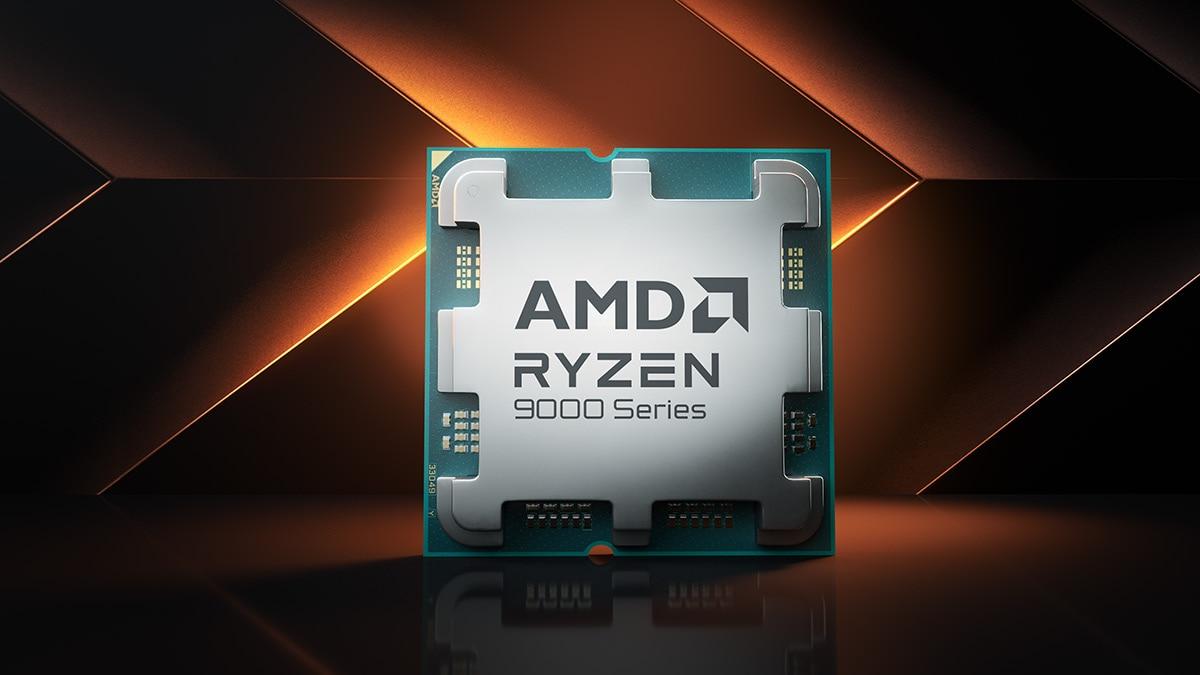
An AMD Ryzen 9000 Series desktop processor, from AMD's product page. AMD's share of desktop CPU shipments fell to 29.9% in Q3 2026, per Mercury Research data.
Image: AMD
Source · Product image from the AMD website, used for news reporting.
AMD's share of desktop CPU shipments fell to 29.9% in the third quarter of 2026 from 34.9% in Q2, while Intel rose to 70.1% from 65.1%, according to Mercury Research data first published by PC Gamer on Nov. 13.
AMD's share of desktop CPU shipments fell to 29.9% in Q3 2026 from 34.9% in Q2, Mercury Research data reported by PC Gamer and TechPowerUp.
Graphic: Voltgrid News
TechPowerUp, which relayed the figures, notes that the five-point swing leaves AMD at its lowest desktop figure since early 2025, when it sat at around 28%. A year earlier, in Q3 2025, AMD held 33.6% of the desktop market. Mercury counts processors shipped, not retail sales or CPUs installed in PCs, so the data does not show buyers leaving Ryzen.
Mercury does not claim to know the cause. In the statement PC Gamer quotes, the firm says it speculates that weaker mobile CPU demand let Intel allocate more products to desktops, which normally see a large demand increase in the third quarter. It adds that Intel had been under-supplying that market earlier in 2026, and that AMD did not appear to get a seasonal increase.
Shipments, not a product win
The second theory Mercury offers is AMD's greater exposure to PC gaming, which it says has suffered from supply constraints on gaming GPUs. PC Gamer's Jacob Ridley adds that Intel still holds sway with system builders and OEMs, which buy chips for cheap systems, and calls the size of the move "almost too big to be believed." He also points to the weakness underneath it: Mercury described Q2 desktop volumes as a "large drop," and both companies saw mobile CPU shipments fall by more than 10% in Q3, according to PC Gamer and TechPowerUp.
For anyone sizing silicon demand, the read is that a larger share of a shrinking consumer pool is not a recovery. Neither outlet gives Q3 unit volumes, so the size of the pool in chips is unknown.
Where AMD's supply is going
The same Mercury data shows servers moving the other way. TechPowerUp reports AMD's server share rose to 35.5% from 34.5% the quarter before; it does not state the basis of that figure. AMD has said demand is running ahead of what it can ship, and Lisa Su recently called the company "data center first," according to TechPowerUp. Voltgrid reported that AMD guided server revenue to double in 2027 on its Nov. 3 call.
Intel has its own constraint on the other side of the market. Intel Korea expects server CPU supply to stay tight in 2027, as Voltgrid reported on Nov. 13. Mercury's explanation, that Intel had spare product to move once laptops softened, is consistent with that tension, but neither company has confirmed how it allocates wafers between desktop, mobile and server parts.
What is not confirmed yet
Mercury's cause is a hypothesis, not a finding, and neither AMD nor Intel has commented in the reports we read. PC Gamer itself raises the possibility of a rounding error or errant data, though it notes Mercury's record has been solid. The headline swing is reported as 5.1% by PC Gamer and as five points by TechPowerUp; the published shares (34.9% to 29.9%, 65.1% to 70.1%) give exactly 5.0 points each, and we use that. Watch Mercury's Q4 2026 data to see whether the shift persists or reverses.
Sources
- Published
- Sources
- 2 cited