Bangladesh Moves to Cut Tariffs on Long-Delayed Solar PPAs
Bangladesh is renegotiating solar PPAs signed under a 2010 special-provisions act, and investors warn of contract risk. A December 2025 round cut tariffs by about $0.03/kWh.
3 min readAI-assisted
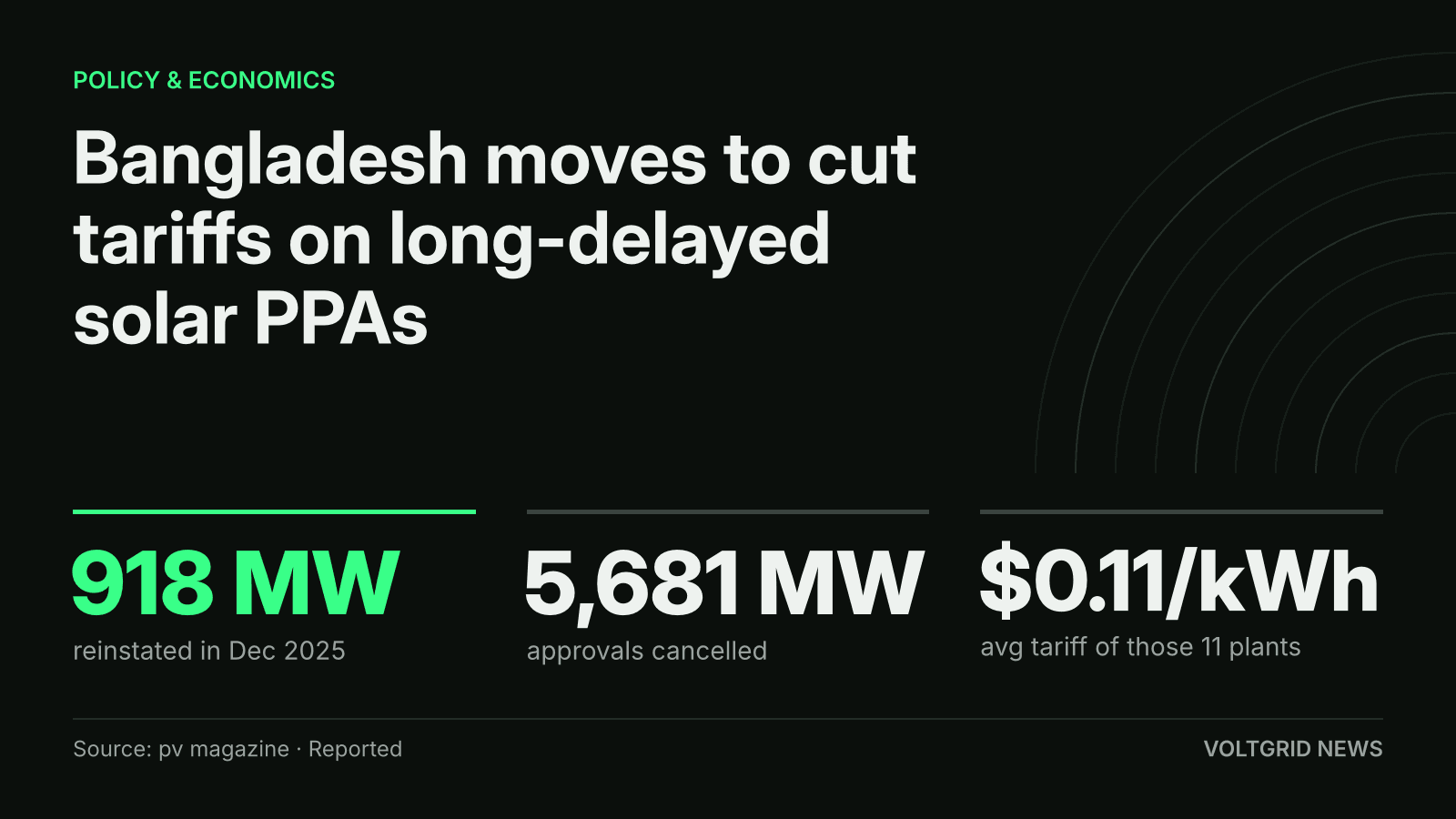
Bangladesh is renegotiating tariffs on long-delayed solar projects, pv magazine reported.
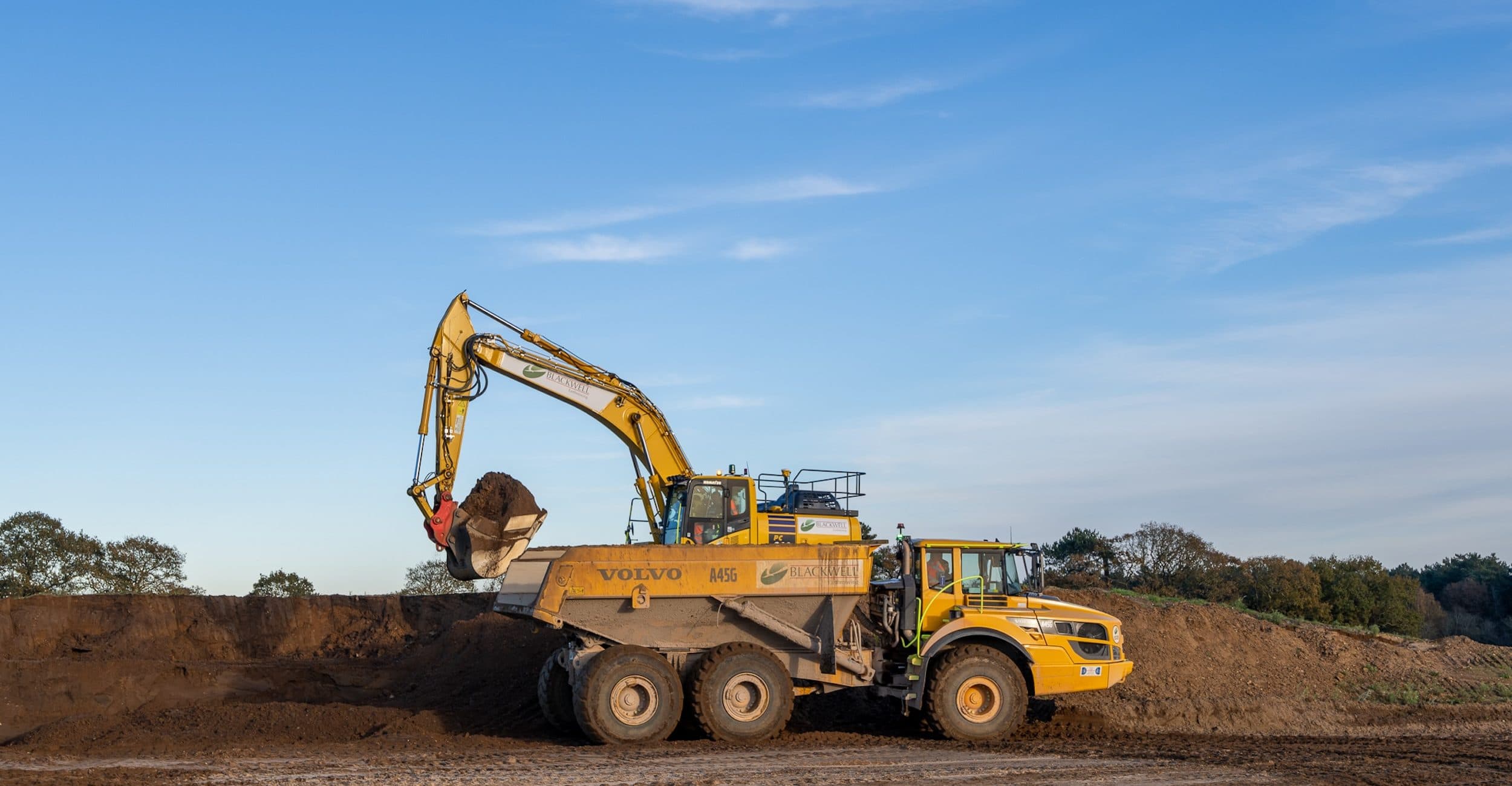
Illustration (AI-generated)
Bangladesh's government is renegotiating power purchase agreements (PPAs) with solar developers that signed high tariffs years ago but never built their plants, pv magazine reported on Oct. 27, and investors are warning that the move raises contract risk.
A government committee formed in April has already held talks with several project owners, according to pv magazine. It was scheduled to meet two more on Oct. 27 and Oct. 29, with the aim of lowering tariffs agreed when project and equipment costs were higher. No outcome of those meetings has been reported yet.
What the committee is reviewing
The projects were approved under the Quick Enhancement of Electricity and Energy Supply (Special Provisions) Act, 2010, during the previous government's tenure. Most were approved on unsolicited proposals from investors and have not been completed despite repeated extensions, pv magazine said.
Officials argue that construction costs and solar equipment prices have fallen significantly since the PPAs were signed, so the tariffs should be brought in line with current rates for other projects. Committee chairman Mahfuzar Rahman, a joint secretary at the power division of the Ministry of Power, Energy and Mineral Resources, said the government is revisiting contracts with projects that failed to come online on time and will act on the outcome of the review.
Why investors object
Project owners and private investors say they understand the concern over projects that have made limited progress. They argue, however, that such projects should be held to their contractual milestones and face the remedies already written into their agreements, not tariff changes.
The tariff, they said, is a basic assumption behind an independent power producer's financial model, debt sizing, lender due diligence and equity decision. If lenders believe an agreed tariff can be reopened after signing, it adds another layer of regulatory risk. Mostafa Al Mahmud, president of the Bangladesh Sustainable and Renewable Energy Association, said tariffs for projects that have failed to progress can be renegotiated, but not for projects at an advanced stage of construction.
What the last round saved
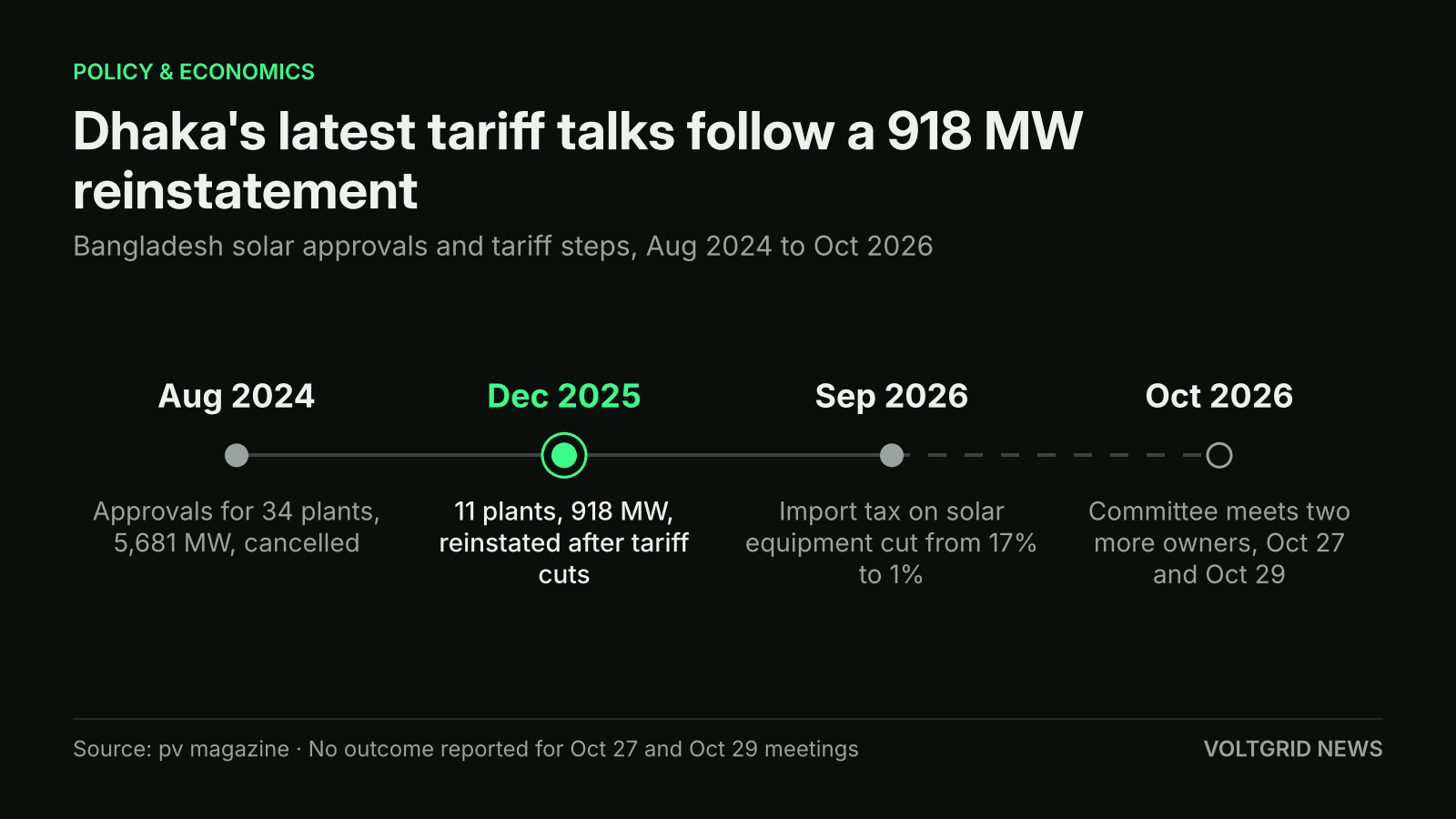
The December 2025 round reinstated 11 plants totaling 918 MW after tariff cuts, according to pv magazine.
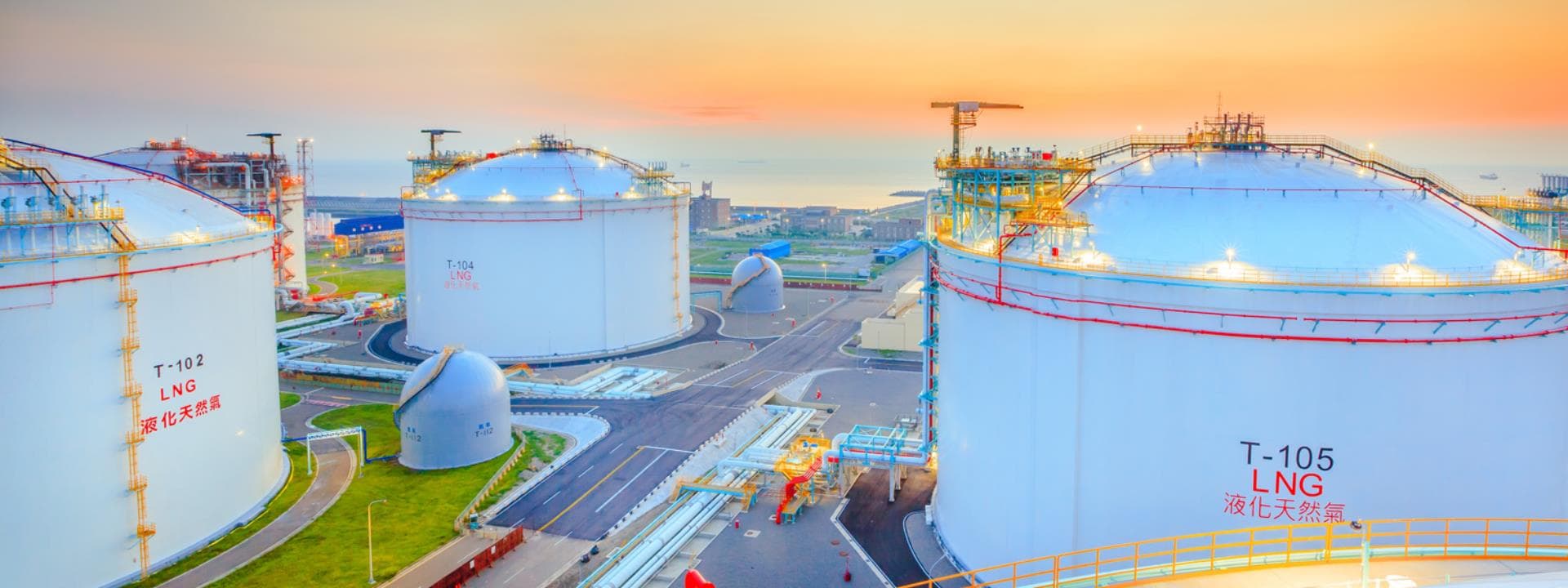
Illustration (AI-generated)
The committee has a precedent. In December 2025, the government reinstated approvals for 11 solar plants totaling 918 MW after developers agreed to cut previously negotiated tariffs, pv magazine reported at the time. Power Division officials put the average tariff for those projects at $0.11/kWh before the talks and said the renegotiated terms cut the purchase cost by about $0.03/kWh. The Advisers' Council Committee on Government Purchase said the reductions would save BDT 11.69 billion a year in power purchase costs. Those plants will sell to the Bangladesh Power Development Board for 20 years.
That round followed the cancellation of approvals for 34 power plants totaling 5,681 MW after the current government took office in August 2024, on the grounds that they came from unsolicited proposals and carried excessively high tariffs.
How this fits Bangladesh's energy push
Dhaka is also lowering the cost of building solar. In September, the National Board of Revenue cut taxes on imported solar equipment from a combined 17% to 1% for 180 days, pv magazine reported. Voltgrid News also covered Rosatom's first fuel shipment for Bangladesh's Rooppur Unit 2, the country's other large supply-side project. Elsewhere in Asia, Vietnam has told provinces to set rooftop solar incentives by December.
What is not confirmed yet
The Oct. 27 and Oct. 29 meetings have no reported result, and no new tariff figure has been published for the long-delayed projects. It is not known how many projects or how many megawatts are in the current review. The government said it will act on the committee's findings, but no decision date has been given.